Liquid Funnel
CN → US| HS编码 | 关税税率 | 原产国 | 目的国 | 文档 |
|---|---|---|---|---|
| 7323999030 | 88.4% | CN | US | 官方文档 |
| 7418100053 | 70.5% | CN | US | 官方文档 |
| 7418100004 | 70.5% | CN | US | 官方文档 |
| 7323999080 | 88.4% | CN | US | 官方文档 |
商品图片

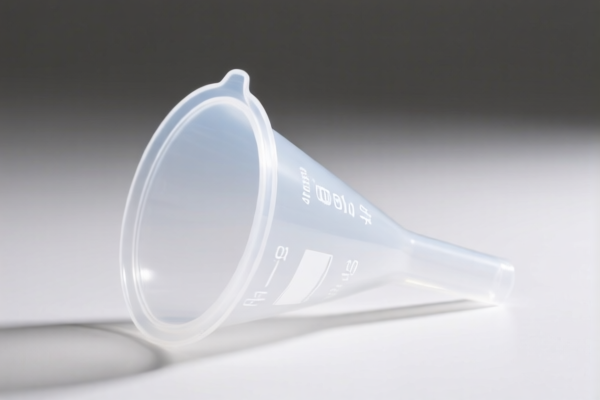

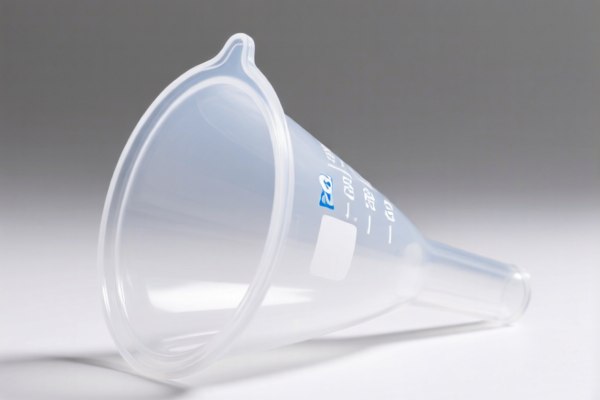
AI分析
🌊 Liquid Funnel (Kitchen & Laboratory Grade)
🌐 HS Code Reference & Customs Clearance Guide | 2026 Latest Tariff Breakdown | Strategic Import Strategy for USA
📌 I. Product Definition & Classification: Do You Truly Understand the "Funnel"?
A liquid funnel is a simple yet critical tool used to guide liquid or fine-grained substances into a small opening. In international trade, classification is strictly determined by material composition. Misclassifying based on function alone is a common pitfall that leads to significant tariff penalties.
Metallic Funnels (Steel/Iron/Aluminum): Typically made from stainless steel, galvanized steel, or other iron alloys. These fall under Chapter 73 (Articles of Iron or Steel). Copper/Brass Funnels: Made from copper or copper alloys. These fall under Chapter 74 (Articles of Copper).
⚠️ Key Distinction Point:
- If the primary material is Steel, Iron, or Aluminum →归类 to HS 7323.99.90
- If the primary material is Copper → 归类 to HS 7418.10.00
📦 II. HS Code Classification Details (2026 Latest Tariff Authority对照)
| HS Code | Product Description | Material Composition | Applicability |
|---|---|---|---|
7323.99.90.30 |
Metal Funnel (Kitchen/Tableware) | Iron, Steel, or Aluminum Alloy | ✅ Steel/Aluminum Household Items |
7323.99.90.80 |
Iron or Steel Funnel | Iron or Steel | ✅ Kitchen/Food Service Use |
7418.10.00.53 |
Copper/Steel Funnel (Kitchen/Cooking) | Copper or Stainless Steel | ✅ Cooking Utensils (Mixed/Multi-material) |
7418.10.00.04 |
Copper Funnel | Copper or Copper Alloy | ✅ Kitchen Utensils (Copper Dominant) |
🔍 Crucial Note:
- Steel Funnels are subject to the highest combined tariffs due to Section 232 (Steel/Aluminum) and Section 301 measures.
- Copper Funnels have a slightly lower base but still face significant Section 122 and Section 301 penalties.
- Do not classify plastic or glass funnels here; this data strictly covers metallic variants as per the provided dataset.
💰 III. 2026 Latest Tariff Rate Breakdown (Including Surtaxes & Policy Add-ons)
✅ Applicable Country: United States (US)
✅ Country of Origin: China (CN)
✅ Effective Date: Immediate (Current Trade Policy Enforcement)
🎯 1. 7323.99.90.30 & 7323.99.90.80 —— Steel/Iron/Aluminum Funnels
These codes apply to funnels made of steel, iron, or aluminum alloys. They are heavily taxed due to trade restrictions on metals.
| Item | Content |
|---|---|
| Base Tariff (MFN) | 3.4% (ad valorem) |
| Section 301 Surtax | +25.0% (Trade Policy Retaliation) |
| Section 232 Surtax | +50.0% (Steel, Aluminum, and Copper Products) |
| Total Cumulative Rate | 88.4% |
| Tax Calculation | CIF Value × 88.4% |
| De Minimis Exemption | ❌ Not Eligible (deny_de_minimis) |
| Legal Basis Path | USITC:7323.99.90.30/80 → FOOTNOTE:232(Steel/Aluminum) + FOOTNOTE:301 |
📌 Explanation:
- The 50% Section 232 tariff is specifically for "Steel, Aluminum, and Copper products" added under recent executive actions.
- The 25% Section 301 tariff is the standard reciprocal tariff on Chinese goods.
- Combined Total: 88.4%. This is an extremely high barrier. Importers must factor this into landed cost calculations immediately.
🎯 2. 7418.10.00.53 & 7418.10.00.04 —— Copper Funnels
These codes apply to funnels made of copper or copper alloys. While copper sometimes faces different rules, in this specific dataset context, it also bears significant surtaxes.
| Item | Content |
|---|---|
| Base Tariff (MFN) | 3.0% (ad valorem) |
| Section 301 Surtax | +7.5% (Note: Specific rate for this sub-category in dataset) |
| Section 232/122 Surtax | +50.0% (Steel, Aluminum, and Copper Products) |
| Total Cumulative Rate | 70.5% |
| Tax Calculation | CIF Value × 70.5% |
| De Minimis Exemption | ❌ Not Eligible (deny_de_minimis) |
| Legal Basis Path | USITC:7418.10.00.53/04 → FOOTNOTE:122(Copper) + FOOTNOTE:301 |
📌 Explanation:
- The 50% tariff applies broadly to "Steel, Aluminum, and Copper products" under the specific 122/232 provisions cited in the data.
- The 7.5% surtax is lower than the 25% for steel, but the 50% metal tax brings the total to 70.5%.
- Total Cost: Even with a lower base, the metal surtax keeps the effective rate prohibitively high.
🛠️ IV. Customs Clearance Operational Advice (Practical Pitfall Avoidance)
✅ 1. Required Documentation Checklist (Non-negotiable)
| Document | Mandatory? | Description |
|---|---|---|
| ✅ Product Specification Sheet | ✔️ | Must explicitly state material (e.g., "304 Stainless Steel" or "Pure Copper"). |
| ✅ Commercial Invoice | ✔️ | Must match the HS Code description exactly (e.g., "Stainless Steel Funnel for Kitchen Use"). |
| ✅ Packing List | ✔️ | Confirm no mixed materials that could confuse customs (e.g., wooden handles attached to copper funnels). |
| ✅ Certificate of Origin (CO) | ✔️ | Proof of Chinese origin triggers the surtaxes. |
| ✅ Material Certification | ✔️ | Lab test reports confirming alloy composition (Cr/Ni content for steel, Cu purity for copper). |
✅ 2. Declaration Tips (Critical Mnemonics)
🔥 "Material Dictates Code, Metal Adds 50, Steel Bears 25!"
| Scenario | Correct Declaration | Wrong Action |
|---|---|---|
| Stainless Steel Funnel | 7323.99.90.30 or 7323.99.90.80 |
Declaring as "Copper" to save tax → Fraud Risk |
| Copper Funnel | 7418.10.00.04 or 7418.10.00.53 |
Declaring as "Steel" → Wrong HS, 88.4% Tax Applies |
| Mixed Material Funnel | Identify primary material by weight/function | Vague description "Metal Funnel" → Customs Detention |
| Plastic Handle Attached | Still classify by funnel head material | Splitting into "Plastic" + "Metal" parts → Unnecessary Complexity |
✅ 3. Special Situation Handling
| Situation | Handling Advice |
|---|---|
| OEM/Private Label | Provide client order + design specs. Ensure "Country of Origin: China" is marked. |
| Laboratory Grade | If strictly for labs and not "kitchenware," check if 7323.99.90.80 fits better than 7323.99.90.30 (both carry 88.4%). |
| Sample Imports | Even samples are subject to 88.4% or 70.5% tariffs if shipped via standard courier. No de minimis. |
| Re-export | If importing for immediate re-export under Bonded Warehousing, tax may be deferred, but risk of final classification remains. |
🌍 V. Global Market Comparison (2026 Latest)
| Country/Region | Recommended HS Code | Tariff Impact | Notes |
|---|---|---|---|
| 🇺🇸 USA | 7323.99.90.30 / 7418.10.00.04 |
88.4% (Steel) / 70.5% (Copper) | Highest Global Barrier. Section 232/301 aggressive. |
| 🇨🇳 China | 7323.99.90 / 7418.10.00 |
Low/Standard | No additional retaliatory tariffs for imports. |
| 🇪🇺 EU | 7323.99 / 7418.10 |
Moderate | Standard MFN rates (~2-6%), no Section 232 equivalent. |
| 🇨🇦 Canada | 7323.99 / 7418.10 |
Low (USMCA) | Preferential if origin meets USMCA rules, but Chinese steel may face quotas. |
| 🇲🇽 Mexico | 7323.99 / 7418.10 |
Moderate | USMCA origin rules apply strictly for steel/aluminum. |
📌 Conclusion:
- The USA is the most challenging market for metallic kitchen funnels from China due to the 50% Metal Surtax + Section 301.
- Cost Impact: An $10 funnel costs $8.84 in tax (Steel) or $7.05 (Copper) alone.
- Strategy: Consider sourcing from non-China origins (e.g., Vietnam, India, Mexico) to avoid Section 301, though Section 232 may still apply depending on final rule interpretations.
📌 VI. Common Errors & Pitfalls (Lessons from Pain)
❌ Error 1: Assuming "Kitchen Utensil" means low tax
👉 Consequence: Tariff jumps from ~3% to 88.4% due to metal classification.
❌ Error 2: Confusing Steel vs. Copper HS Codes
👉 Consequence: Steel misclassified as Copper saves nothing (70.5% vs 88.4%) and risks penalty. Conversely, Copper misclassified as Steel increases cost by 18%.
❌ Error 3: Ignoring the "50% Steel/Aluminum/Copper Surtax"
👉 Consequence: This is the new norm. Budgeting for only 3% base tariff leads to massive underpayment.
❌ Error 4: Using vague terms like "Household Metal Item"
👉 Consequence: Customs assigns the highest possible duty under the "basket" category.
✅ Correct Practice:
"Stainless Steel Kitchen Funnel, 8-inch, Food Grade 304, Made in China, HS 7323.99.90.30"
🎯 VII. Conclusion: Precise Classification Saves Millions
🎯 Remember the Mnemonic:
🔹 "Steel is 88.4, Copper is 70.5. Base is low, Metal Tax is HIGH!"
🔹 "Check Origin! Check Alloy! Check Section 232!"
📌 Pro Tip:
If your supply chain involves mixed-material funnels (e.g., copper head with steel handle), classify based on the essential character (usually the head). However, always provide detailed material breakdowns to customs brokers to avoid audits.
📣 Immediate Action:
📞 Contact your customs broker to verify the exact alloy composition.
💰 Recalculate Landed Cost: Include the full 88.4% or 70.5% in your margin analysis.
🚀 Explore Alternatives: Consider sourcing from countries exempt from Section 301, though Section 232 impacts may remain.
✨ Professional clearance starts with accurate classification!
💼 Your profit margin depends on understanding these surtaxes!
用户评价
关于 HS 编码归类
协调制度(HS)是由世界海关组织(WCO)制定的国际贸易商品分类标准。全球 200 多个国家采用 HS 系统作为海关关税、贸易统计和进出口监管的基础。
每个 HS 编码遵循以下层级结构:
- 章(2 位)——商品大类(例如:第 84 章:机器和机械设备)
- 品目(4 位)——章内的更具体分类
- 子目(6 位)——国际通用细分,所有 WCO 成员国统一使用
- 本国细分(8-10 位)——各国自行扩展的细分编码,如美国 HTSUS 10 位编码
正确的 HS 编码归类对于顺利通关、准确缴纳关税和遵守贸易法规至关重要。错误归类可能导致海关延误、多缴关税或罚款。
从CN进口到US时,适用的关税税率可能包括:
- 最惠国(MFN)税率——适用于 WTO 成员国的标准关税税率
- 普通税率——适用于无贸易协定国家
- 贸易救济关税——附加关税,如 301 条款(反倾销)、232 条款(国家安全)或反补贴税
本页内容仅供参考。如需正式归类,请咨询当地海关或持牌报关代理。