Low Molecular Weight Plasticizer Compound
CN → US| HS编码 | 关税税率 | 原产国 | 目的国 | 文档 |
|---|---|---|---|---|
| 3824999310 | 40.0% | CN | US | 官方文档 |
| 3824999330 | 40.0% | CN | US | 官方文档 |
| 3824994140 | 39.6% | CN | US | 官方文档 |
| 3824999330 | 40.0% | CN | US | 官方文档 |
| 3824999310 | 40.0% | CN | US | 官方文档 |
商品图片


AI分析
🧪 Low Molecular Weight Plasticizer Compounds (LMWPC)
🌐 HS Code Reference & Customs Clearance Guide | 2026 Latest Tariff Analysis | Professional Compliance Strategy
📌 I. Product Definition & Classification: Do You Really Understand "Low Molecular Weight Plasticizer Compounds"?
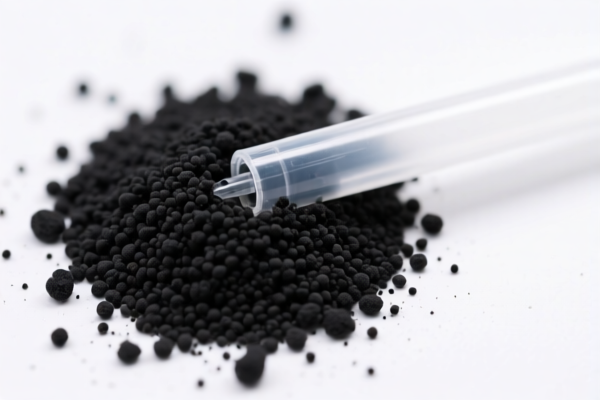
Low Molecular Weight Plasticizer Compounds are chemical additives primarily used to increase the flexibility, workability, and durability of plastic materials (such as PVC). In international trade, they are classified under Chapter 38 (Miscellaneous Chemical Products).
Key Classification Logic: - Based on Chemical Structure: Whether the compound consists of C11 or lower alcohols (aliphatic chains) or Fatty Acid Esters. - Based on General Residual Principles: If the specific chemical composition doesn't fit standard ester or alcohol categories, it falls under the "Other" residual categories. - Temperature Sensitivity: Distinguished as "Low Temperature Plasticizers" which may have different structural attributes (e.g., non-cyclic, monohydric, unsubstituted alcohols).
⚠️ Critical Distinction Point:
- If the compound is based on C11 or lower alcohols or similar short-chain chemicals →归入 3824.99.93.10
- If the compound is based on Fatty Acid Esters → 归入 3824.99.41.40
- If it falls under General Residual Principles (other chemical products) or Non-cyclic alcohols → 归入 3824.99.93.30
📦 II. HS Code Classification Details (2026 Latest Tariff Authority Comparison)
| HS Code | Product Description | Applicable Scenario | Material Attribute |
|---|---|---|---|
3824.99.93.10 |
Low Molecular Weight Plasticizer Compound, based on C11 or lower alcohols | Short-chain chemical agents, standard plasticizers | ✅ C11 or lower alcohols |
3824.99.93.30 |
Low Molecular Weight Plasticizer Compound, general residual category | Other chemical products, no material conflict | ✅ General Residual / Non-cyclic alcohols |
3824.99.41.40 |
Low Temperature Plasticizer Compound, Fatty Acid Esters | Fatty acid ester mixtures, cold-resistance applications | ✅ Fatty Acid Esters |
🔍 Key Reminder:
- 3824.99.93.10 is for compounds with short-chain (C11 or lower) alcohol structures.
- 3824.99.41.40 is specifically for Fatty Acid Esters.
- 3824.99.93.30 is a residual category for chemical products that don't fit the above but are still chemical in nature (e.g., mixtures of non-cyclic, monohydric, unsubstituted alcohols).
- All these codes are subject to Section 301 and Section 122 tariffs if originating from China.
💰 III. 2026 Latest Tariff Rate Details (Including Additional Taxes, Policy Add-ons)
✅ Applicable Country: United States (US)
✅ Country of Origin: China (CN)
✅ Effective Date: Current US Tariff Structure (Section 301 & Section 122)
🎯 1. 3824.99.93.10 —— Low Molecular Weight Plasticizer (C11 or lower alcohols)
| Item | Content |
|---|---|
| Basic Tariff Rate | 5.0% (Ad Valorem) |
| Section 301 Additional Tariff | +25.0% |
| Section 122 Tariff | +10.0% |
| Total Tax Rate | 40.0% |
| Tax Calculation | CIF Value × 40% |
| De Minimis Exemption Available? | ❌ No (High risk of audit/rejection for de minimis claims) |
| Legal Basis Path | USITC:3824.99.93.10 → Section 301: Footnote 9903.88.01 → Section 122: IEEPA Authority |
📌 Explanation:
- "Basic Tariff 5%": Standard Most Favored Nation (MFN) rate for miscellaneous chemical products.
- "Section 301 Tariff 25%": Additional duty imposed on Chinese goods under US Trade Act Section 301.
- "Section 122 Tariff 10%": Additional duty under IEEPA (International Emergency Economic Powers Act) for specific categories.
- Total 40%: This is a very high tariff burden. Cost calculation must include this fully.
🎯 2. 3824.99.93.30 —— Low Molecular Weight Plasticizer (General Residual / Other Chemicals)
| Item | Content |
|---|---|
| Basic Tariff Rate | 5.0% (Ad Valorem) |
| Section 301 Additional Tariff | +25.0% |
| Section 122 Tariff | +10.0% |
| Total Tax Rate | 40.0% |
| Tax Calculation | CIF Value × 40% |
| De Minimis Exemption Available? | ❌ No |
| Legal Basis Path | USITC:3824.99.93.30 → Section 301: Footnote 9903.88.01 → Section 122: IEEPA Authority |
📌 Note:
- Same tax structure as3824.99.93.10.
- Applies to compounds based on non-cyclic, monohydric, unsubstituted alcohols or other chemical mixtures that don't fit the fatty ester or short-chain alcohol categories.
- No tariff advantage over the C11 category.
🎯 3. 3824.99.41.40 —— Low Temperature Plasticizer (Fatty Acid Esters)
| Item | Content |
|---|---|
| Basic Tariff Rate | 4.6% (Ad Valorem) |
| Section 301 Additional Tariff | +25.0% |
| Section 122 Tariff | +10.0% |
| Total Tax Rate | 39.6% |
| Tax Calculation | CIF Value × 39.6% |
| De Minimis Exemption Available? | ❌ No |
| Legal Basis Path | USITC:3824.99.41.40 → Section 301: Footnote 9903.88.01 → Section 122: IEEPA Authority |
📌 Note:
- Slightly lower total rate (39.6%) due to a slightly lower basic tariff (4.6% vs 5.0%).
- Applies strictly to Fatty Acid Ester compounds.
- Critical: Misclassifying a fatty ester as a general residual (3824.99.93.30) or short-chain alcohol (3824.99.93.10) will not change the high total rate but may trigger audits for incorrect chemical description.
🛠️ IV. Customs Clearance Practical Advice (实战避坑指南)
✅ 1. Required Documentation Checklist (None Can Be Missing)
| Document | Mandatory? | Description |
|---|---|---|
| ✅ Product Specification Sheet | ✔️ | Must detail chemical composition, molecular weight range, ester type, or alcohol chain length. |
| ✅ MSDS (Material Safety Data Sheet) | ✔️ | Required for chemical safety compliance. Must match HS Code description. |
| ✅ Certificate of Analysis (COA) | ✔️ | Proves chemical composition (e.g., confirms Fatty Acid Ester vs. Alcohol-based). |
| ✅ Commercial Invoice | ✔️ | Must clearly state "Low Molecular Weight Plasticizer Compound" and specify the chemical type. |
| ✅ Packing List | ✔️ | Detailed itemization, weight, volume. |
| ✅ Bill of Lading/Air Waybill | ✔️ | Standard shipping document. |
✅ 2. Declaration Tips (Key Mantras)
🔥 “Chemical Accuracy Is Key, Misclassification Costs Big!”
| Situation | Correct Declaration | Incorrect Practice |
|---|---|---|
| Compound is Fatty Acid Ester | 3824.99.41.40 |
Misdeclare as general residual → Audit risk |
| Compound is C11 or lower alcohol-based | 3824.99.93.10 |
Misdeclare as fatty ester → Rate discrepancy |
| Compound is General Chemical Mix | 3824.99.93.30 |
Vague description like "Plasticizer" → Delay |
| Any of the above | Full Tax Breakdown | Hiding Section 301/122 rates → Penalties |
📌 Declaration Example:
"Low Molecular Weight Plasticizer Compound, Fatty Acid Ester Type, CAS No. XXXXX, HS Code 3824.99.41.40, Subject to 39.6% Total Duty (5% Basic + 25% Sec 301 + 10% Sec 122)"
✅ 3. Special Case Handling
| Situation | Handling Advice |
|---|---|
| OEM Custom Plasticizers | Provide exact chemical formula and molecular weight data to avoid "General Residual" classification. |
| Mixed Shipments | Ensure each HS Code is clearly separated in the invoice. Mixed declarations can lead to full shipment audit. |
| De Minimis (Section 321) Claims | ❌ Highly Risky. Most HS Codes in 3824.99 are excluded from de minimis exemption for China-origin goods. Do not rely on this. |
| Chemical Analysis Disputes | If customs disputes the chemical nature, be prepared to provide third-party lab reports confirming the compound type. |
🌍 V. Global Market Comparison (2026 Latest)
| Country/Region | Recommended HS Code | Tariff (China Origin) | Certification Required | Notes |
|---|---|---|---|---|
| 🇺🇸 USA | 3824.99.93.10/30/40 |
39.6% - 40.0% | None specific, but MSDS required | High tariffs due to Sec 301 & 122 |
| 🇨🇳 China | 3824.99.93.10/30/40 |
~5-10% | None | Lower export tariffs, but high import tariffs for US market |
| 🇪🇺 EU | 3824.99.93.10/30/40 |
~6.5% | REACH Registration | No Section 301/122 tariffs, but REACH compliance is strict |
| 🇬🇧 UK | 3824.99.93.10/30/40 |
~6.5% | UK REACH | Post-Brexit rules apply |
| 🇦🇺 Australia | 3824.99.93.10/30/40 |
~5% | AICIS Registration | No high additional tariffs |
📌 Conclusion:
- USA is the most challenging market due to the 39.6%-40% total tariff burden.
- EU/UK/Australia are more tariff-friendly but have strict chemical registration requirements (REACH/AICIS).
- Cost Strategy: If targeting the US, ensure the HS Code is as accurate as possible to avoid penalties, but expect a significant cost increase.
📌 VI. Common Mistakes & Pitfalls (Lessons Learned)
❌ Mistake 1: Misclassifying a Fatty Acid Ester plasticizer as a General Residual to save on basic tariff.
👉 Consequence: While the total rate is similar, customs may penalize for inaccurate chemical description and deny de minimis claims.
❌ Mistake 2: Claiming De Minimis exemption for plasticizer shipments from China.
👉 Consequence: Seizure or return. Most plasticizer HS codes are excluded from Section 321 benefits for Chinese goods.
❌ Mistake 3: Vague description "Plasticizer" on the commercial invoice.
👉 Consequence: Customs delay, additional documentation requests, and potential reclassification with penalties.
❌ Mistake 4: Ignoring Section 122 Tariff.
👉 Consequence: Underpayment of duty (10% difference). The total tax is not just 25% (Sec 301) but includes the 10% Sec 122 and basic rate.
✅ Correct Practice:
"Low Molecular Weight Plasticizer Compound, [Specify Type: Fatty Acid Ester / C11 Alcohol-based], Chemical Composition: [Details], HS Code [Correct 10-digit], Total Duty: [39.6% or 40.0%], MSDS Attached."
🎯 VII. Conclusion: Professional Declaration, Cost Control, Risk Mitigation
🎯 Remember the Mantras:
🔹 "Chemical Type Determines HS Code, HS Code Determines Tax Rate!"
🔹 "Section 301 + Section 122 = High Duty, Plan Your Pricing Accordingly!"
🔹 "De Minimis is a Trap for Chemicals, Declare Properly!"
📌 Pro Tip:
If you are shipping large volumes to the US, consider Advance Ruling from CBP (Customs and Border Protection) to confirm the correct HS Code and tariff application. This provides legal certainty and avoids post-audit penalties.
📣 Immediate Action:
📞 Consult with a licensed customs broker + Provide MSDS/COA + Verify HS Code Accuracy
🚀 Ensure your supply chain is prepared for 39.6%-40% tariffs, and budget accordingly for US market entry.
✨ Professional Customs Clearance Starts with Accurate Classification!
💼 Every Percent of Tariff Matters in Chemical Trade!
用户评价
关于 HS 编码归类
协调制度(HS)是由世界海关组织(WCO)制定的国际贸易商品分类标准。全球 200 多个国家采用 HS 系统作为海关关税、贸易统计和进出口监管的基础。
每个 HS 编码遵循以下层级结构:
- 章(2 位)——商品大类(例如:第 84 章:机器和机械设备)
- 品目(4 位)——章内的更具体分类
- 子目(6 位)——国际通用细分,所有 WCO 成员国统一使用
- 本国细分(8-10 位)——各国自行扩展的细分编码,如美国 HTSUS 10 位编码
正确的 HS 编码归类对于顺利通关、准确缴纳关税和遵守贸易法规至关重要。错误归类可能导致海关延误、多缴关税或罚款。
从CN进口到US时,适用的关税税率可能包括:
- 最惠国(MFN)税率——适用于 WTO 成员国的标准关税税率
- 普通税率——适用于无贸易协定国家
- 贸易救济关税——附加关税,如 301 条款(反倾销)、232 条款(国家安全)或反补贴税
本页内容仅供参考。如需正式归类,请咨询当地海关或持牌报关代理。