Low grade Recycled Paper
CN → US| HS编码 | 关税税率 | 原产国 | 目的国 | 文档 |
|---|---|---|---|---|
| 4805247000 | 12.0% | CN | US | 官方文档 |
| 4805245000 | 35.0% | CN | US | 官方文档 |
| 4701000000 | 35.0% | CN | US | 官方文档 |
商品图片
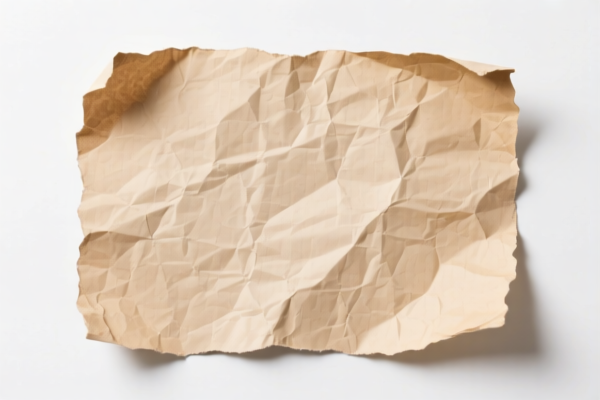
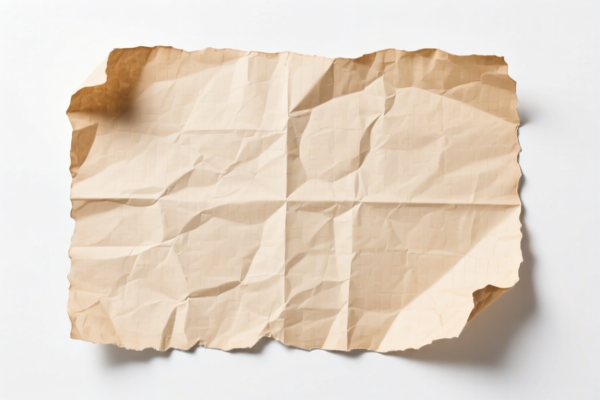
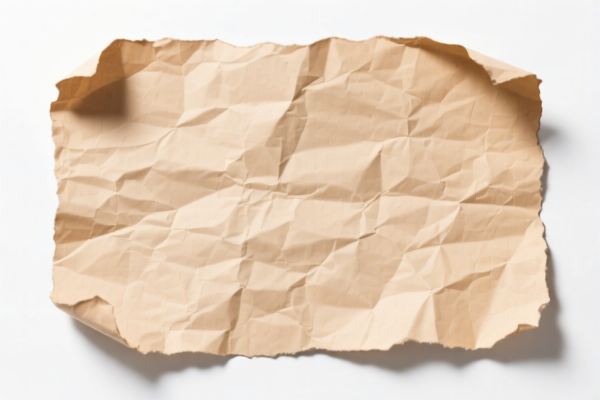
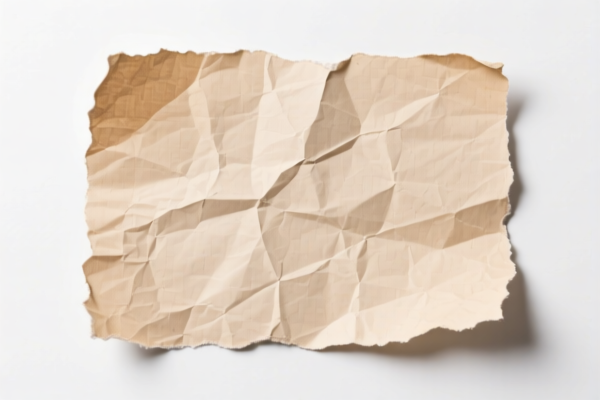
AI分析
📜 Low Grade Recycled Paper: HS Code Classification & Tariff Deep Dive (US-China Trade)
🌐 HS Code Reference & Customs Clearance Guide | 2026 Latest Tariff Analysis | Professional Compliance Strategy
📌 I. Product Definition & Classification: What Exactly Is "Low Grade Recycled Paper"?
Low grade recycled paper, often referred to as secondary fiber, deinked pulp residues, or waste paper, is a critical raw material in the global paper recycling chain. In international trade, it is primarily classified based on its physical state (bales of waste vs. processed pulp) and composition.
Waste Paper (Scrap): Compressed bales of mixed office paper, cardboard, or newspaper that require processing. These are considered "unprocessed" or "semi-processed" secondary raw materials.
Recycled Pulp/Board: Paper products that have been processed from waste but are not coated or laminated. This includes non-coated papers made from recycled fibers.
⚠️ Key Distinction Point:
- If the material is bales of waste paper/straw-like waste intended for pulping → It is classified under Chapter 47 (Pulp) or specific waste paper codes.
- If the material is finished paper products (non-coated sheets) made from recycled fibers → It is classified under Chapter 48 (Paper & Paperboard).
- "Low Grade" typically implies lower quality, mixed origins, or higher contamination, which often triggers stricter scrutiny and specific HS codes for "waste" or "low quality" recycled goods.
📦 II. HS Code Classification Details (2026 Latest Tariff Alignment)
Based on the provided data, there are three distinct classifications for low-grade recycled paper products. Each has vastly different tariff implications.
| HS Code | Product Description | Application Scenario | Key Characteristics |
|---|---|---|---|
4805.24.70.00 |
Low-grade Recycled Paper, Uncoated Paperboard | Non-coated recycled paper sheets/boards, secondary fiber paper | Made from recycled paper; not coated; final paper product |
4805.24.50.00 |
Low-grade Recycled Linerboard (Sustainable/Recycled Liner) | Non-coated paper and paperboard (linerboard grade), recycled content | Recycled linerboard; non-coated; often used for packaging |
4701.00.00.00 |
Low-grade Recovered Paper (Wood/Pulp Material) | Mechanical wood pulp/primary form of pulp; recovered paper waste | Raw material state; unprocessed or minimally processed waste paper |
🔍 Critical Warning:
-4701.00.00.00is for raw material/waste state. If you ship bales of mixed waste paper, this is likely the code.
-4805.24.70.00and4805.24.50.00are for processed paper/board state. If the product is already formed into paper sheets or linerboard, these codes apply.
- Misclassification Risk: Shipping "waste paper bales" as "finished paper" (4805.xx) can lead to customs seizure for fraud. Conversely, declaring finished paper as "waste" (4701) may trigger unnecessary anti-dumping or quality inspections.
💰 III. 2026 Latest Tariff Rate Breakdown (Including Additional Duties & Policy Add-ons)
✅ Applicable Country: United States (US)
✅ Country of Origin: China (CN)
✅ Effective Date: November 10, 2025 (and subsequent imports)
🎯 1. 4805.24.70.00 —— Low-grade Recycled Paper (Uncoated)
| Item | Content |
|---|---|
| Base Tariff | 0% (ad valorem) |
| Section 301 Add-on | +2.0% |
| Section 122 Add-on | +10% |
| Total Tariff Rate | 12.0% |
| Tax Calculation | CIF Value × 12.0% |
| De Minimis Exemption | ❌ Not Applicable (Subject to standard customs entry) |
| Legal Basis Path | Base Tariff → Section 301: +2% → Section 122: +10% → HS: 4805.24.70.00 |
📌 Explanation:
- Section 122 Tariff (10%): This is a specific add-on often applied to certain categories of goods under Section 122 authorities, which can include specific recycled paper products depending on the exact ruling and timing.
- Section 301 (2%): A small portion of the broader 301 tariff package applied to this specific subheading.
- Total 12% is relatively moderate compared to other steel/aluminum or tech products, but still significant for low-margin recycled paper.
🎯 2. 4805.24.50.00 —— Low-grade Recycled Linerboard
| Item | Content |
|---|---|
| Base Tariff | 0% (ad valorem) |
| Section 301 Add-on | +25.0% |
| Section 122 Add-on | +10% |
| Total Tariff Rate | 35.0% |
| Tax Calculation | CIF Value × 35.0% |
| De Minimis Exemption | ❌ Not Applicable |
| Legal Basis Path | Base Tariff → Section 301: +25% → Section 122: +10% → HS: 4805.24.50.00 |
📌 Note:
- Section 301 (25%): This indicates that this specific subtype of linerboard (possibly with higher recycled content or specific origin traits) is subject to the full standard 301 tariff rate.
- Total 35% is a high barrier to entry. This significantly impacts the competitiveness of Chinese recycled linerboard in the US market.
- Section 122 (10%): Also applies, stacking on top of the 301 duty.
🎯 3. 4701.00.00.00 —— Low-grade Recovered Paper (Wood/Pulp Material)
| Item | Content |
|---|---|
| Base Tariff | 0% (ad valorem) |
| Section 301 Add-on | +25.0% |
| Section 122 Add-on | +10% |
| Total Tariff Rate | 35.0% |
| Tax Calculation | CIF Value × 35.0% |
| De Minimis Exemption | ❌ Not Applicable |
| Legal Basis Path | Base Tariff → Section 301: +25% → Section 122: +10% → HS: 4701.00.00.00 |
📌 Important:
- Raw Material Penalty: Even though it is "raw" recovered paper, it is still subject to the full 25% Section 301 tariff plus 10% Section 122.
- Total 35% applies here as well. This means importing bales of waste paper from China to the US is extremely costly.
- Comparison: Both4805.24.50.00and4701.00.00.00carry the same high tariff burden, eliminating any cost advantage of importing raw waste over processed linerboard.
🛠️ IV. Customs Clearance Practical Advice (Battle-Tested Pitfall Guide)
✅ 1. Document Checklist (Non-negotiable)
| Document | Required | Notes |
|---|---|---|
| ✅ Commercial Invoice | ✔️ | Must clearly state "Low Grade Recycled Paper" and specify HS Code. |
| ✅ Packing List | ✔️ | Detail bale weights, dimensions, and total net/gross weight. |
| ✅ Certificate of Origin (CO) | ✔️ | Essential for verifying Chinese origin and applying (or avoiding) specific tariffs. |
| ✅ Product Specification Sheet | ✔️ | Detail fiber content, moisture level, and contamination rate. |
| ✅ Photos of Bales/Packs | ✔️ | Show labels, content, and condition to prove it matches the declared HS. |
| ✅ Third-Party Inspection Report | ✔️ | Recommended to verify grade and composition (e.g., SGS, BV). |
✅ 2. Declaration Strategy (Key Mnemonics)
🔥 “State Matters: Pulp vs. Paper, Waste vs. Product!”
| Scenario | Correct Declaration | Wrong Approach | Consequence |
|---|---|---|---|
| Bales of mixed waste paper | 4701.00.00.00 |
Declare as 4805.24.70.00 (Finished Paper) |
Seizure/Fraud – Product is not finished paper. |
| Non-coated recycled linerboard | 4805.24.50.00 |
Declare as 4805.24.70.00 |
Underpayment – 35% vs 12% tariff → Back taxes + Penalties. |
| Non-coated recycled cardboard sheets | 4805.24.70.00 |
Declare as 4701.00.00.00 |
Overpayment – Paying 35% instead of 12%. |
| Any Recycled Paper from China | Declare HS Clearly | Use vague terms like "Paper Products" | Delay/Audit – CBP will detain for classification review. |
✅ 3. Special Circumstances Handling
| Situation | Handling Advice |
|---|---|
| Mixed Bales (Waste + Finished) | Do not mix. Ship as separate shipments. Mixed declaration leads to highest applicable tariff or rejection. |
| High Moisture Content | Declare accurately. If moisture > standard, it may be classified as "waste" rather than "paper," affecting HS code. |
| Contamination Levels | If the paper is too contaminated (e.g., heavy plastic/chemical residue), it may be classified as "Municipal Solid Waste" instead of "Recycled Paper," triggering EPA/Customs bans. |
| Section 122 Exemptions | Check if any specific exemptions apply to your product type. Section 122 tariffs have limited exclusions. |
🌍 V. Global Market Comparison (2026 Update)
| Country/Region | Recommended HS Code | Tariff Rate (China Origin) | Notes |
|---|---|---|---|
| 🇺🇸 USA | 4805.24.70.00 / 4805.24.50.00 / 4701.00.00.00 |
12% or 35% | High barriers due to Section 301 & 122. |
| 🇨🇳 China | Same HS Codes | 0% - 5% | China imports recycled paper; check for import restrictions on "solid waste." |
| 🇪🇺 EU | Similar 10-digit codes | 0% - 2.5% | Strict plastic contamination rules under Single-Use Plastics Directive. |
| 🇲🇽 Mexico | Similar codes | 0% - 5% | USMCA benefits may apply if processed in Mexico. |
| 🇻🇳 Vietnam | Similar codes | 0% - 5% | Avoid "transshipment" scrutiny; ensure substantial transformation. |
📌 Conclusion:
- USA is the most expensive market for Chinese recycled paper due to Section 301 (25%) and Section 122 (10%) stacking.
- Cost Optimization: Consider sourcing from non-China origins (e.g., Southeast Asia, Europe) to avoid the 25% Section 301 tariff.
- Value-Add Strategy: Instead of exporting raw waste (4701), export higher-value finished non-coated paper (4805.24.70.00) to reduce the tariff rate from 35% to 12%.
📌 VI. Common Errors & Pitfall Guide (Lessons Learned)
❌ Error 1: Declaring waste paper bales as "finished paper sheets" (4805.xx)
👉 Consequence: Customs rejects entry for misrepresentation. Fines up to 3x the duty value.
❌ Error 2: Ignoring Section 122 Tariff
👉 Consequence: Underpayment by 10% on all recycled paper imports. CBP will audit and collect back duties + interest.
❌ Error 3: Mixing HS Codes in one shipment
👉 Consequence: Entire shipment held. CBP applies the highest tariff rate or requires split clearance.
❌ Error 4: Vague Description "Recycled Paper"
👉 Consequence: Customs asks for detailed specs. Delays of 2-4 weeks for classification review.
✅ Correct Practice:
"Low-Grade Non-Coated Recycled Paper, 100% Post-Consumer Waste, Unbleached, Baled, Model RP-100, HS 4805.24.70.00"
🎯 VII. Conclusion: Strategic Classification for Cost Savings
🎯 Key Takeaway:
🔹 "Raw Waste = 35% Tax. Finished Paper = 12% Tax."
🔹 "Don't Ship Waste, Ship Value. Classify Correctly, Save 23%."
🔹 "Section 122 is the Silent Killer: Always check the 10% Add-on."
📌 Pro Tip:
- If your product qualifies as finished non-coated paper (
4805.24.70.00), you save 23 percentage points (35% → 12%) compared to importing raw waste (4701.00.00.00).- Consider processing in a third country (e.g., Vietnam, Mexico) to gain origin benefits and avoid Section 301/122 tariffs entirely.
- Always request a Binding Tariff Information (BTI) or Advance Ruling from CBP if your product is on the borderline between "waste" and "finished paper."
📣 Take Action Now:
📞 Consult a licensed customs broker.
📄 Prepare detailed product specs and photos.
🚀 Optimize your supply chain to minimize tax burden!
✨ Precision in Classification is Profit in Your Pocket!
💼 Every Tariff Point Counts in Low-Grade Paper Trading!
用户评价
关于 HS 编码归类
协调制度(HS)是由世界海关组织(WCO)制定的国际贸易商品分类标准。全球 200 多个国家采用 HS 系统作为海关关税、贸易统计和进出口监管的基础。
每个 HS 编码遵循以下层级结构:
- 章(2 位)——商品大类(例如:第 84 章:机器和机械设备)
- 品目(4 位)——章内的更具体分类
- 子目(6 位)——国际通用细分,所有 WCO 成员国统一使用
- 本国细分(8-10 位)——各国自行扩展的细分编码,如美国 HTSUS 10 位编码
正确的 HS 编码归类对于顺利通关、准确缴纳关税和遵守贸易法规至关重要。错误归类可能导致海关延误、多缴关税或罚款。
从CN进口到US时,适用的关税税率可能包括:
- 最惠国(MFN)税率——适用于 WTO 成员国的标准关税税率
- 普通税率——适用于无贸易协定国家
- 贸易救济关税——附加关税,如 301 条款(反倾销)、232 条款(国家安全)或反补贴税
本页内容仅供参考。如需正式归类,请咨询当地海关或持牌报关代理。