Machine for metal forging, hammering or molding
CN → US| HS编码 | 关税税率 | 原产国 | 目的国 | 文档 |
|---|---|---|---|---|
| 8462190030 | 39.4% | CN | US | 官方文档 |
| 8462110035 | 39.4% | CN | US | 官方文档 |
| 8462110035 | 39.4% | CN | US | 官方文档 |
| 8462190030 | 39.4% | CN | US | 官方文档 |
| 8462190030 | 39.4% | CN | US | 官方文档 |
商品图片
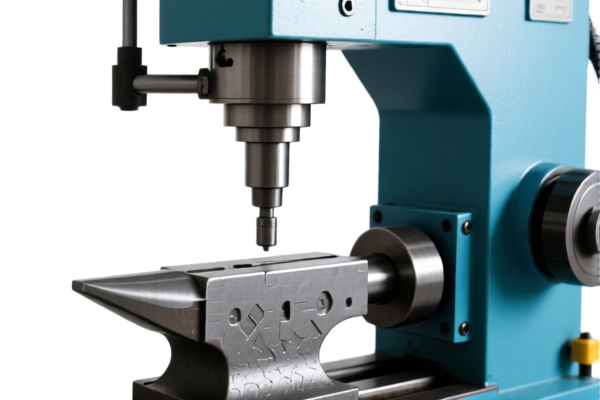
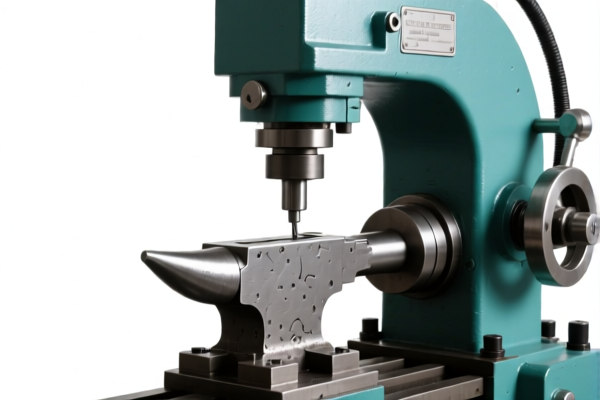
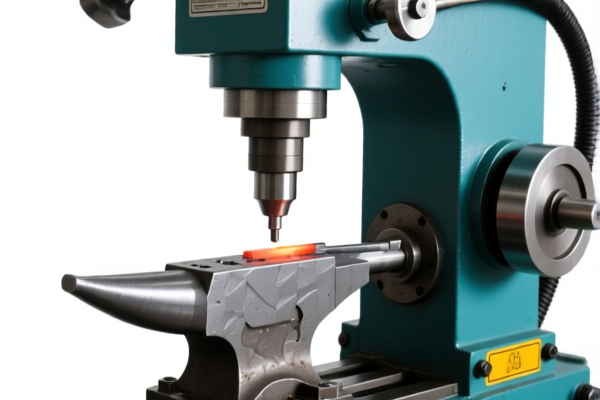
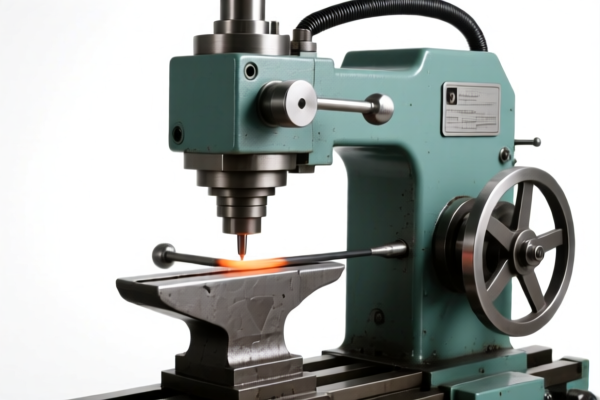
AI分析
⚙️ Industrial Metal Forging & Hammering Machines (Hot Forming Presses)
🌐 HS Code Reference & Customs Clearance Guide | 2026 Latest Tariff Analysis | Professional-Level Clearance Strategy
📌 1. Product Definition & Classification: Do You Really Understand "Hot Forging Machines"?
Metal forging, hammering, or molding machines (specifically Hot Forming Machines) are heavy-duty industrial equipment used to shape heated metal workpieces through impact or pressure. These machines are critical in automotive, aerospace, and construction component manufacturing.
Key Distinction: - Hot Forming Machines (8462.11 / 8462.19): Specifically designed for shaping metal while it is heated. This includes mechanical power presses, hydraulic presses, and hammers used for forging or molding hot metal. - Cold Forging/Stamping: If the machine operates on cold metal, it typically falls under different subheadings (e.g., 8462.91 or 8462.29), but the data provided focuses on Hot Forming.
⚠️ Key Classification Point:
- If the machine is used for forging, hammering, or pressing HOT metal, it must be classified under 8462.11 (Mechanical Power Presses) or 8462.19 (Other Hot Forming Machines).
- The summary confirms that the materials and uses in the input data match Hot Forming Machines exclusively.
📦 2. HS Code Classification Details (2026 Latest Tariff Authority Comparison)
Based on the provided <DATA>, the relevant HS Codes are concentrated in the 8462.1x range, with slight variations in specificity.
| HS Code | Product Description | Application Scenario | Match Accuracy |
|---|---|---|---|
8462.11.00.35 |
Hot Forming Mechanical Power Presses | For use in forging, die forging, and hot hammering; material is metal, use is highly matching. | ✅ High (Specific) |
8462.19.00.30 |
Other Hot Forming Machines for Metal Forging, Hammering, or Pressing | General hot forming equipment; no material or form conflict; serves as a broader category. | ✅ High (General) |
🔍 Note:
- Both codes refer to Hot Forming Machines for metal.
-8462.11.00.35is more specific to Mechanical Power Presses.
-8462.19.00.30covers Other hot forming machines not specified elsewhere.
- The input data shows multiple entries for both, indicating either redundancy or different specific model classifications within the same tariff line.
💰 3. 2026 Latest Tariff Rate Detailed Breakdown (Including Additional Taxes & Policy Surcharges)
✅ Applicable Country: United States (US)
✅ Origin: China (CN) (Inferred from the "122 Clause" and "25% Additional Tariff" context, which typically applies to Chinese goods under Section 301)
✅ Effective Time: Current US Import Tariff Schedule
🎯 1. 8462.11.00.35 – Hot Forming Mechanical Power Presses
| Item | Content |
|---|---|
| Base Tariff Rate | 4.4% |
| Section 301 Additional Tariff | +25.0% |
| Section 122 Tariff | +10.0% |
| Total Tariff Rate | 39.4% |
| Tax Calculation | CIF Value × 39.4% |
| De Minimis Eligibility | ❌ No (Deny De Minimis) |
| Legal Basis Path | Base Tariff: 4.4% + Section 301: 25.0% + Section 122: 10.0% |
📌 Explanation:
- The 4.4% is the standard Most Favored Nation (MFN) duty for machinery.
- The 25% is the additional duty imposed under Section 301 of the Trade Act of 1974, targeting specific Chinese imports.
- The 10% is an additional duty under Section 122 of the Trade Act of 1962 (often applied for national security or balance of payments reasons, though less common than 301, it is explicitly listed in the data).
- Total Effective Rate: 39.4%. This is a high tariff burden and must be factored into cost planning.
🎯 2. 8462.19.00.30 – Other Hot Forming Machines
| Item | Content |
|---|---|
| Base Tariff Rate | 4.4% |
| Section 301 Additional Tariff | +25.0% |
| Section 122 Tariff | +10.0% |
| Total Tariff Rate | 39.4% |
| Tax Calculation | CIF Value × 39.4% |
| De Minimis Eligibility | ❌ No (Deny De Minimis) |
| Legal Basis Path | Base Tariff: 4.4% + Section 301: 25.0% + Section 122: 10.0% |
📌 Note:
- The tariff rate is identical to8462.11.00.35.
- Whether classified as a "Mechanical Power Press" or "Other Hot Forming Machine," the total tax burden remains 39.4%.
- Ensure the product description precisely matches "Hot Forming" to avoid reclassification penalties.
🛠️ 4. Customs Clearance Practical Advice (Combat Pitfall Guide)
✅ 1. Required Documentation Checklist (None Can Be Missing)
| Document | Required | Description |
|---|---|---|
| ✅ Product Specification Sheet | ✔️ | Must specify: Max tonnage, heating method (induction/furnace), type of action (hammer/press), and intended metal type. |
| ✅ Technical Drawing / Circuit Diagram | ✔️ | To confirm it is a Hot Forming Machine and not a cold stamping press or general industrial robot. |
| ✅ Product Photos (Including Nameplate) | ✔️ | Must clearly show the heating chamber, forging head, and control panel. |
| ✅ Commercial Invoice | ✔️ | Must state: "Hot Forging Machine for Metal Molding" – Do NOT use vague terms like "Industrial Press" without context. |
| ✅ Packing List | ✔️ | Detail all accessories (e.g., dies, heaters) to ensure they are declared together. |
| ✅ Certificate of Origin (CO) | ✔️ | If the product is not Chinese, provide CO to potentially avoid 301 tariffs (if applicable). |
✅ 2. Declaration Tips (Key Mantra)
🔥 "Specify Hot Forming, Clarify Use, Avoid Cold Press Confusion!"
| Scenario | Correct Declaration | Incorrect Practice |
|---|---|---|
| Hot Forging Machine | 8462.11.00.35 or 8462.19.00.30 |
Misclassifying as Cold Press (e.g., 8462.91) → Audit Risk |
| Machine + Dies | Declare as a single unit or list dies as accessories | Splitting declaration → Potential Misdeclaration |
| Cold Stamping Machine | 8462.91 or 8462.29 |
Declaring Hot Forging Code for Cold Machine → False Declaration |
✅ 3. Special Situations Handling
| Situation | Handling Advice |
|---|---|
| OEM Custom Forging Machine | Provide customer orders and design blueprints to prove specific use. |
| Multi-purpose Machine (Hot & Cold) | Declare based on primary function. If it can do both, justify the "Hot Forming" aspect for the HS Code selection. |
| Used Machinery | Provide maintenance records and age proof. Used machinery may face additional inspections. |
| Components vs. Whole Machine | Ensure the declaration reflects a complete machine, not just parts, to apply the correct tariff. |
🌍 5. Global Market Clearance Comparison (2026 Latest)
| Country/Region | Recommended HS Code | Tariff (China Origin) | Certification Requirements | Notes |
|---|---|---|---|---|
| 🇺🇸 USA | 8462.11.00.35 / 8462.19.00.30 |
39.4% (4.4% Base + 25% Sec 301 + 10% Sec 122) | NIST/UL (Electrical Safety) | High Tariff. Ensure precise "Hot Forming" description. |
| 🇨🇳 China | 8462.11.00.35 / 8462.19.00.30 |
~5-10% (Standard) | CCC (if applicable) | Lower tariff burden for domestic trade. |
| 🇪🇺 EU | 8462.11.00 / 8462.19.00 |
0-5% | CE + Machinery Directive | No Section 301/122 equivalents. |
| 🇯🇵 Japan | 8462.11.00 / 8462.19.00 |
0-3% | PSE (Electrical) | Low tariffs, high safety standards. |
📌 Conclusion:
- USA is the most challenging market due to the 39.4% total tariff.
- EU and Japan offer significantly lower tariff barriers.
- Consider supply chain diversification (e.g., sourcing from Vietnam or Mexico) if targeting the US market to mitigate Section 301 risks.
📌 6. Common Errors & Pitfall Guide (Lessons Learned)
❌ Error 1: Declaring a Hot Forging Machine as a general "Industrial Press"
👉 Consequence: Misclassification risk, potential audit, and 39.4% vs. lower base rate disputes.
❌ Error 2: Failing to specify "Hot Forming" in the description
👉 Consequence: Customs may classify it under cold forging or other machinery, leading to delays or penalties.
❌ Error 3: Ignoring Section 122 and 301 Tariffs in cost calculation
👉 Consequence: Profit margin erosion due to unexpected 35% additional duties.
❌ Error 4: Using "Stamping Machine" instead of "Forging Machine"
👉 Consequence: Stamping is often cold working; Forging is hot working. Different HS codes.
✅ Correct Practice:
"Hot Forming Mechanical Power Press for Metal Forging, Model XYZ, Max Tonnage: 500T, Includes Induction Heating System, US Origin: China"
🎯 7. Conclusion: Precise Classification Saves Money!
🎯 Remember the Mantra:
🔹 "Hot Forming is Key, 39.4% Tariff is Real, Specify Use, Avoid Penalties!"
🔹 "HS Code Determines Fate, 35% Extra Tax is Heavy, Accurate Declaration is Wealth!"
📌 Tips:
- If your machine is originating from Vietnam, Mexico, or Malaysia, it may be exempt from Section 301 and 122 tariffs.
- Apply for an Advance Ruling (Customs Binding Ruling) before shipping to confirm the HS Code and avoid clearance surprises.
📣 Immediate Action:
📞 Contact a licensed customs broker + Provide product specs + Apply for HS Code Advance Ruling
🚀 Let your forging machine clear customs smoothly, boost efficiency, and maximize profit!
✨ Professional clearance starts with accurate classification!
💼 Every cent of your cost deserves precise calculation!
用户评价
关于 HS 编码归类
协调制度(HS)是由世界海关组织(WCO)制定的国际贸易商品分类标准。全球 200 多个国家采用 HS 系统作为海关关税、贸易统计和进出口监管的基础。
每个 HS 编码遵循以下层级结构:
- 章(2 位)——商品大类(例如:第 84 章:机器和机械设备)
- 品目(4 位)——章内的更具体分类
- 子目(6 位)——国际通用细分,所有 WCO 成员国统一使用
- 本国细分(8-10 位)——各国自行扩展的细分编码,如美国 HTSUS 10 位编码
正确的 HS 编码归类对于顺利通关、准确缴纳关税和遵守贸易法规至关重要。错误归类可能导致海关延误、多缴关税或罚款。
从CN进口到US时,适用的关税税率可能包括:
- 最惠国(MFN)税率——适用于 WTO 成员国的标准关税税率
- 普通税率——适用于无贸易协定国家
- 贸易救济关税——附加关税,如 301 条款(反倾销)、232 条款(国家安全)或反补贴税
本页内容仅供参考。如需正式归类,请咨询当地海关或持牌报关代理。