Magnesia chrome refractory mortar
CN → US| HS编码 | 关税税率 | 原产国 | 目的国 | 文档 |
|---|---|---|---|---|
| 6909195095 | 39.0% | CN | US | 官方文档 |
| 6909120000 | 39.0% | CN | US | 官方文档 |
商品图片
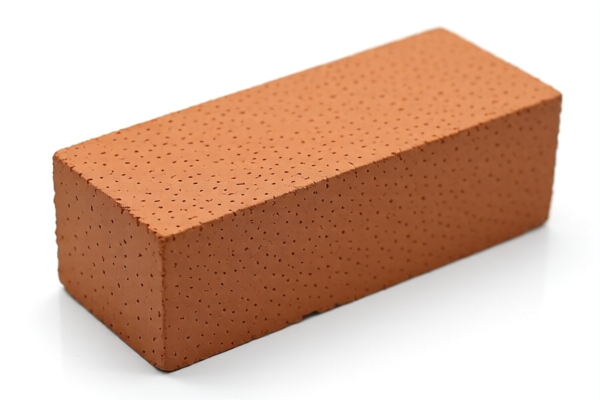
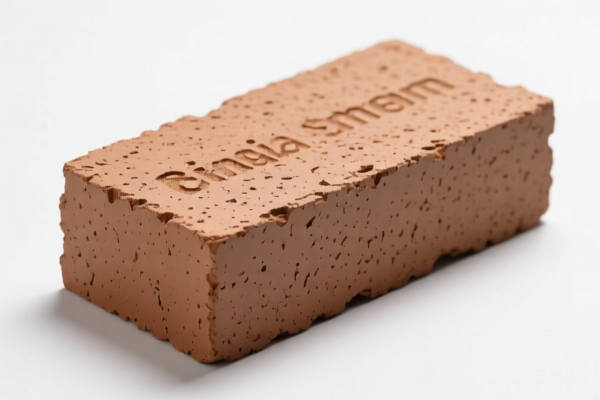
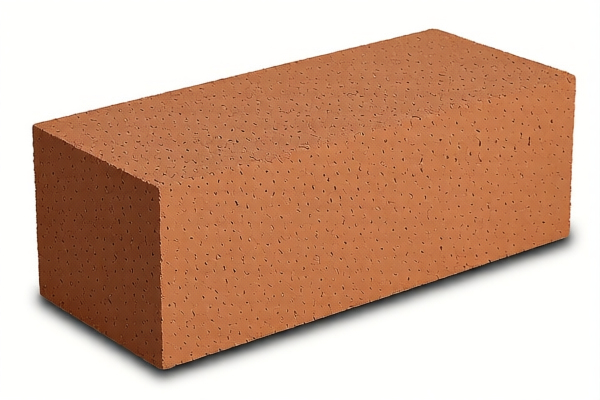
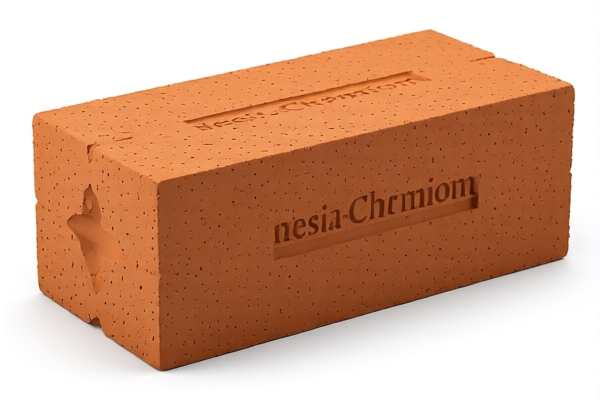
AI分析
🔥 Magnesia Chrome Refractory Mortar (Magnesia-Chrome Refractory Mortar)
🌐 HS Code Reference & Customs Clearance Guide | 2026 Latest Tariff Analysis | Professional Compliance Strategy
📌 I. Product Definition & Classification: What Exactly is "Magnesia Chrome Mortar"?
Magnesia Chrome Refractory Mortar is a specialized binding material used in the construction and maintenance of high-temperature industrial kilns, furnaces, and reactors. It consists primarily of Magnesia (MgO) and Chrome (Cr₂O₃) aggregates mixed with a binding agent (often clay or chemical binders).
In international trade, this product is strictly classified under Ceramic Wares. It is NOT considered a "Chemical Product" (Chapter 28 or 29) nor a "Metal" (Chapter 72-81), despite containing chrome and magnesia oxides. It is classified as a ceramic refractory material used for technical purposes.
⚠️ Critical Distinction:
- If it is a loose powder/bulk mix for lining kilns → Chapter 69 (Ceramics)
- If it is a ready-to-use paste in sealed containers for specific lab use → Chapter 69.09 (Laboratory/Ceramic Wares)
- Key Factor: The physical form (powder vs. paste) and intended use (industrial lining vs. lab ware) determine the exact subheading within 6909.
📦 II. HS Code Classification Details (2026 Latest Tariff Authority)
Based on the provided data, the product falls under Heading 69.09: Ceramic wares for laboratory, chemical or other technical uses.
| HS Code | Product Description | Application Context | Key Characteristics |
|---|---|---|---|
| 6909.19.50.95 | Ceramic wares for laboratory, chemical or other technical uses: Other: Other Other | Bulk refractory mortar, dry mix for kiln lining, industrial furnace repair | Bulk/Powder form; General technical use; Not hardness-specified. |
| 6909.12.00.00 | Ceramic wares for laboratory, chemical or other technical uses: Articles having a hardness equivalent to 9 or more on the Mohs scale | High-hardness refractory castables; Specialized lab crucibles/mortars with extreme wear resistance | High Hardness (Mohs ≥9); Requires specific physical testing to confirm. |
🔍 Important Note:
- 6909.19.50.95 is the standard classification for most magnesium-chrome refractory mortars supplied in bulk bags or drums for industrial furnace lining.
- 6909.12.00.00 applies ONLY if the final cured product or the specific ceramic article meets the Mohs hardness scale of 9 or higher (e.g., very dense chrome-magnesia bricks or specialized lab ware). Most standard mortars do not meet this threshold and should default to 6909.19.
- Do NOT classify under 2523 (Cement) or 2530 (Mineral Flours) – these are incorrect for refractory ceramic mortars.
💰 III. 2026 Latest Tariff Rate Details (Including Surtaxes & Policy Add-ons)
✅ Applicable Country: United States (US)
✅ Origin: China (CN)
✅ Effective Date: 2025 November 10 onwards (including subsequent imports)
🎯 1. 6909.19.50.95 —— Ceramic Wares for Technical Uses (Standard Mortar)
| Item | Content |
|---|---|
| Base Tariff Rate | 4.0% (Ad Valorem) |
| USITC Surtax (Section 301) | +25.0% (Applied to Chinese-origin ceramics in this subheading) |
| Total Tariff Rate | 29.0% |
| Tax Calculation | CIF Value × 29.0% |
| De Minimis Exemption Available? | ❌ No (Deny De Minimis) |
| Legal Basis Path | HTSUS:6909.19.50.95 → Section 301 Footnote → IEEPA:9903.01.25 (if applicable) |
📌 Explanation:
- The 4% base tariff is the standard Most Favored Nation (MFN) rate for ceramic technical ware.
- The 25% surtax is imposed under Section 301 of the Trade Act of 1974 against Chinese imports.
- Total 29% is a significant cost factor. No de minimis (de minimis exemption, e.g., $800) applies to this category from China.
🎯 2. 6909.12.00.00 —— High-Hardness Ceramic Wares (Mohs ≥9)
| Item | Content |
|---|---|
| Base Tariff Rate | 4.0% (Ad Valorem) |
| USITC Surtax (Section 301) | +25.0% |
| Total Tariff Rate | 29.0% |
| Tax Calculation | CIF Value × 29.0% |
| De Minimis Exemption Available? | ❌ No |
| Legal Basis Path | HTSUS:6909.12.00.00 → Section 301 Footnote → IEEPA:9903.01.25 |
📌 Note:
- Even though this is a "higher-spec" product, the total tax burden remains 29% under the current data.
- Ensure you have third-party certification proving Mohs hardness ≥9 if you claim this code, otherwise customs may reclassify to 6909.19.
🛠️ IV. Customs Clearance Practical Advice (Field Pitfall Avoidance Guide)
✅ 1. Document Checklist (Non-Negotiable)
| Document | Must Provide | Description |
|---|---|---|
| ✅ Product Specification Sheet | ✔️ | Must list chemical composition (MgO%, Cr₂O₃%), particle size, and intended use (e.g., "for steel industry kiln lining"). |
| ✅ Certificate of Origin (CO) | ✔️ | Essential for proving Chinese origin to apply (or confirm) the 25% surtax. |
| ✅ Commercial Invoice | ✔️ | Must clearly state: "Magnesia Chrome Refractory Mortar, Ceramic Wares for Technical Use" – Avoid vague terms like "Cement" or "Glue". |
| ✅ Packing List | ✔️ | Specify net/gross weight. Note: If sold in bulk bags, specify unit (e.g., 25kg/bag). |
| ✅ Photos of Product & Packaging | ✔️ | Show label, ingredients, and product form (powder/paste). |
| ✅ Third-Party Lab Report (Optional but Recommended) | ✔️ | If claiming 6909.12.00.00, provide Mohs hardness test results. |
✅ 2. Declaration Tips (Key Mnemonics)
🔥 "Say 'Ceramic', Not 'Cement'; Specify 'Technical Use', Not 'Building Material'!"
| Situation | Correct Declaration | Wrong Practice |
|---|---|---|
| Standard Refractory Mortar | 6909.19.50.95 |
Misdeclare as 2523 (Cement) → 25% base + 25% surtax + penalties |
| High-Hardness Lab Ware | 6909.12.00.00 |
Overdeclare hardness without proof → Reclassification + Seizure |
| Bulk Powder vs. Paste | Clearly state form | Vague "Mix" → Customs Query & Delay |
| Product Name | "Ceramic Refractory Mortar for Industrial Kilns" | "Magnesia Chrome Glue" → Misleading, likely rejected |
✅ 3. Special Handling for Refractory Materials
| Scenario | Handling Advice |
|---|---|
| OEM/Custom Mix | Provide formula sheet or MSDS (Material Safety Data Sheet) to prove it is not a hazardous chemical. |
| Chromium Content | Declare Cr₂O₃ content clearly. While refractory chrome is not typically classified as hazardous waste, transparency avoids CBP (Customs and Border Protection) scrutiny. |
| Packaging Type | If in sealed bags, ensure no liquid content. Liquid mortars may fall under different headings (e.g., 3824). |
| Usage Declaration | Always state: "For use in lining high-temperature industrial furnaces, not for structural building construction." This distinguishes it from construction ceramics (Chapter 69.04/69.07). |
🌍 V. Global Market Comparison (2026 Latest)
| Country/Region | Recommended HS Code | Tariff (China Origin) | Certification Requirements | Notes |
|---|---|---|---|---|
| 🇺🇸 USA | 6909.19.50.95 |
29.0% (4% + 25% surtax) | None specific (FDA not applicable) | High cost due to Section 301. |
| 🇨🇳 China | 6909.19.50.95 |
0% (Domestic) | GB Standards | N/A for export. |
| 🇪🇺 EU | 6909.19.00 |
6.5% (General) | REACH Compliance | No US-style surtax. |
| 🇬🇧 UK | 6909.19.00 |
6.5% | UKCA Mark (if applicable) | Post-Brexit tariff applies. |
| 🇯🇵 Japan | 6909.19.00 |
0% - 6.5% | JIS Standards | Often preferential under JETP. |
📌 Conclusion:
- The US is the most expensive market for this product due to the 25% Section 301 surtax.
- Total landed cost in the US will include 29% tariff plus freight, insurance, and brokerage fees.
- For EU/UK/Japan, the duty is significantly lower (0–6.5%), making non-US markets more attractive for cost-sensitive shipments.
📌 VI. Common Mistakes & Pitfall Guide (Lessons Learned)
❌ Mistake 1: Classifying as "Cement" (2523.90.00.00)
👉 Consequence: Customs may reject because Magnesia Chrome is not Portland cement. It is a ceramic refractory. Risk of reclassification and penalties.
❌ Mistake 2: Declaring as "Building Material" (6904.10.00.00)
👉 Consequence: Refractory mortars for industrial technical use belong in 69.09, not building ceramics (69.04). Misdeclaration leads to audit.
❌ Mistake 3: Omitting "Technical Use" in description
👉 Consequence: Customs may classify as general household ceramic ware, leading to duty disputes.
❌ Mistake 4: Ignoring the Mohs Hardness Specification
👉 Consequence: If you claim 6909.12.00.00 but cannot prove hardness ≥9, CBP will downgrade to 6909.19.50.95 (same rate, but you lose credibility and face delays).
✅ Correct Declaration Example:
"Ceramic Refractory Mortar, Magnesia-Chrome, for Industrial Kiln Lining, Mohs Hardness N/A, Bulk Pack, HS 6909.19.50.95"
🎯 VII. Conclusion: Precision in Classification Saves Costs!
🎯 Remember the Mnemonic:
🔹 "It’s Ceramic, Not Cement! Technical Use, Not Building! 29% Total Tax, Avoid the Pitfall!"
🔹 "HS 6909 is the key, 29% is the cost, declare it right, avoid the fault!"
📌 Pro Tip:
- If your supplier is not Chinese (e.g., Vietnam, India, Turkey), you may avoid the 25% Section 301 surtax, reducing total duty to just 4% (US Base Rate).
- Strategy: Consider sourcing from non-China origins if US market is primary destination.
- Pre-Ruling: Apply for a Binding Ruling from CBP if your product is borderline between "Lab Ware" and "Technical Ware" to ensure duty certainty.
📣 Immediate Action Required:
📞 Contact your Customs Broker: Provide technical data sheets.
📝 Double-check Invoice: Ensure "Ceramic Wares" is stated.
🚀 Plan for 29% Duty: Include this in your landed cost calculation for US imports.
✨ Professional Clearance, Starting with Accurate Classification!
💼 Every Percent of Tariff Counts in Refractory Trade!
用户评价
关于 HS 编码归类
协调制度(HS)是由世界海关组织(WCO)制定的国际贸易商品分类标准。全球 200 多个国家采用 HS 系统作为海关关税、贸易统计和进出口监管的基础。
每个 HS 编码遵循以下层级结构:
- 章(2 位)——商品大类(例如:第 84 章:机器和机械设备)
- 品目(4 位)——章内的更具体分类
- 子目(6 位)——国际通用细分,所有 WCO 成员国统一使用
- 本国细分(8-10 位)——各国自行扩展的细分编码,如美国 HTSUS 10 位编码
正确的 HS 编码归类对于顺利通关、准确缴纳关税和遵守贸易法规至关重要。错误归类可能导致海关延误、多缴关税或罚款。
从CN进口到US时,适用的关税税率可能包括:
- 最惠国(MFN)税率——适用于 WTO 成员国的标准关税税率
- 普通税率——适用于无贸易协定国家
- 贸易救济关税——附加关税,如 301 条款(反倾销)、232 条款(国家安全)或反补贴税
本页内容仅供参考。如需正式归类,请咨询当地海关或持牌报关代理。