Manicure Arm Rest
CN → US| HS编码 | 关税税率 | 原产国 | 目的国 | 文档 |
|---|---|---|---|---|
| 3926902100 | 21.7% | CN | US | 官方文档 |
| 4421999880 | 38.3% | CN | US | 官方文档 |
| 4421919880 | 38.3% | CN | US | 官方文档 |
| 3926903500 | 24.0% | CN | US | 官方文档 |
| 3926902100 | 21.7% | CN | US | 官方文档 |
商品图片
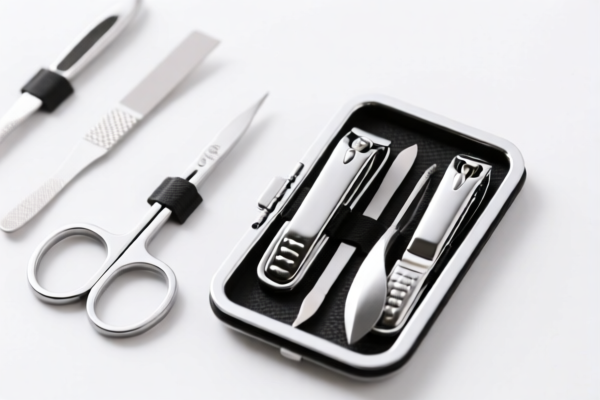
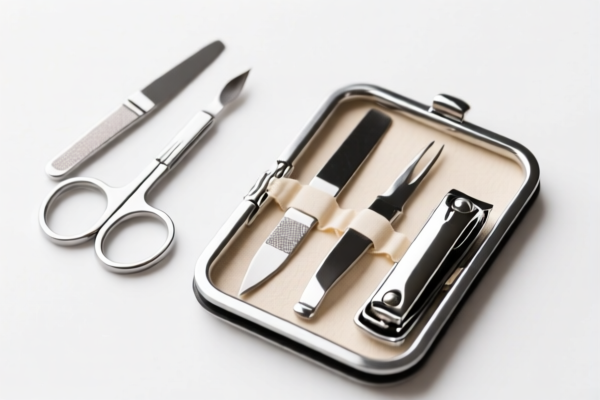
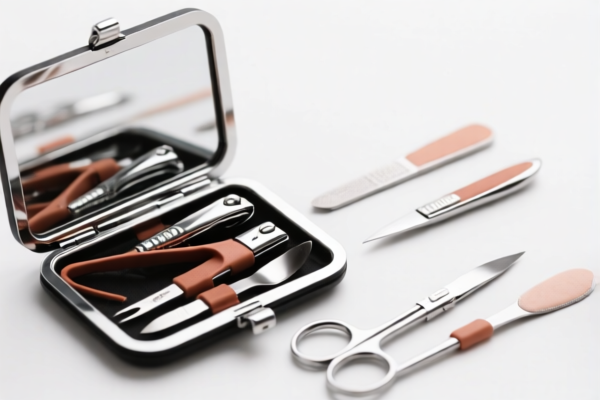

AI分析
🦾 Manicure Arm Rest (Manicure Table Arm Pad)
🌐 HS Code Reference & Customs Clearance Guide | 2026 Latest Tariff Analysis | Professional通关Strategy
📌 I. Product Definition & Classification: Do You Really Know the "Manicure Arm Rest"?
A Manicure Arm Rest is a critical accessory for nail salons, designed to support the client's arm during manicure and pedicure services. In international trade, its classification depends heavily on its material composition and functional nature. It is generally categorized as either a plastic accessory, a wooden furniture part, or a general accessory.
⚠️ Key Distinction Point:
- If made of Plastic: Classified under Chapter 39 (Articles of Plastic);
- If made of Wood: Classified under Chapter 44 (Wood and Articles of Wood);
- Note: The classification logic varies based on the "Matching Principle" (accessories vs. base material).
📦 II. HS Code Classification Details (2026 Latest Tariff Authority Comparison)
Based on the provided data, here are the four possible HS Code classifications for Manicure Arm Rests, along with their tax implications.
| HS Code | Product Description | Classification Logic | Total Tax Rate (China Origin -> US) |
|---|---|---|---|
3926.90.21.00 |
Plastic Accessories (Other articles of plastic) |
Matching Principle: Treated as an accessory/part for other categories. 📝 Summary: "Arm rest belongs to supports/accessories, fits the matching principle for spare parts of other categories." |
21.7% |
3926.90.35.00 |
Plastic Parts (Other articles of plastic) |
Material Inference: Identified as a plastic product. 📝 Summary: "Material inferred as plastic, fits the matching principle for spare parts of other plastic products." |
24.0% |
4421.99.98.80 |
Wooden Furniture Parts (Other wooden articles) |
Fallback Principle: Treated as a support/stand. 📝 Summary: "Belongs to support category, fits the fallback judgment principle for other categories." |
38.3% |
4421.91.98.80 |
Wooden Accessories (Other wooden articles) |
Wooden Product Fallback: Treated as a wooden component. 📝 Summary: "Belongs to support/component category, fits the fallback principle for other wooden products." |
38.3% |
🔍 Key Reminder:
- Plastic vs. Wood: The difference between plastic (3926) and wood (4421) is significant. Plastic options have lower taxes (21.7%–24%) compared to wood (38.3%).
- Accessory vs. Stand: Customs may view the arm rest as a "stand/support" (leading to higher tax rates for wood) or as a "spare part/accessory" (leading to lower tax rates for plastic).
💰 III. 2026 Latest Tariff Rate Breakdown (Including Additional Taxes & Policy Add-ons)
✅ Applicable Country: United States (US)
✅ Origin: China (CN)
✅ Effective Time: Current Rates (Includes Section 301 & Section 122)
🎯 1. 3926.90.21.00 — Plastic Accessories (Best for Plastic Arm Rests)
| Item | Content |
|---|---|
| Base Tariff | 4.2% (ad valorem) |
| Section 301 Additional Tariff | +7.5% |
| Section 122 Tariff | +10% |
| Total Tax Rate | 21.7% |
| Tax Calculation | CIF Value × 21.7% |
| De Minimis Exemption | ❌ Not Applicable (Deny de minimis for China-origin goods under these sections) |
| Legal Basis Path | HTSUS:3926.90.21.00 → Section 301: +7.5% → Section 122: +10% |
📌 Explanation:
- This is the most cost-effective option for plastic arm rests.
- The "21.7%" rate is a combination of the standard duty (4.2%), Section 301 tariffs (7.5%), and the newly applied Section 122 tariffs (10%).
- Recommendation: If your arm rest is plastic, always use this code to save costs compared to wooden classifications.
🎯 2. 3926.90.35.00 — Plastic Parts (Alternative for Plastic)
| Item | Content |
|---|---|
| Base Tariff | 6.5% |
| Section 301 Additional Tariff | +7.5% |
| Section 122 Tariff | +10% |
| Total Tax Rate | 24.0% |
| Tax Calculation | CIF Value × 24.0% |
| De Minimis Exemption | ❌ Not Applicable |
| Legal Basis Path | HTSUS:3926.90.35.00 → Section 301: +7.5% → Section 122: +10% |
📌 Note:
- Slightly higher than3926.90.21.00(24.0% vs. 21.7%).
- Use this if customs determines it is a "part" rather than an "accessory." However,21.7%is preferable.
🎯 3. 4421.99.98.80 & 4421.91.98.80 — Wooden Arm Rests (High Cost)
| Item | Content |
|---|---|
| Base Tariff | 3.3% |
| Section 301 Additional Tariff | +25.0% |
| Section 122 Tariff | +10% |
| Total Tax Rate | 38.3% |
| Tax Calculation | CIF Value × 38.3% |
| De Minimis Exemption | ❌ Not Applicable |
| Legal Basis Path | HTSUS:4421.91/99.98.80 → Section 301: +25.0% → Section 122: +10% |
📌 Warning:
- 38.3% is a very high tariff rate.
- This applies to wooden arm rests.
- The "25% Section 301" is significantly higher than the 7.5% applied to plastics.
- Recommendation: Avoid wooden arm rests for US export if possible, or factor the 38.3% cost into your pricing.
🛠️ IV. Customs Clearance Practical Advice (Battle-Tested Pitfall Guide)
✅ 1. Required Documentation Checklist
| Document | Mandatory | Explanation |
|---|---|---|
| ✅ Product Photos | ✔️ | Clear shots of the arm rest, showing material (plastic/wood), padding, and any branding. |
| ✅ Material Declaration | ✔️ | Explicitly state "100% Plastic" or "100% Wood with Cotton Pad." Do not use vague terms like "Synthetic Material." |
| ✅ Commercial Invoice | ✔️ | Description must match HS Code logic (e.g., "Plastic Manicure Arm Rest Accessory"). |
| ✅ Packing List | ✔️ | Include dimensions and weight. |
| ✅ Structure Diagram | ✔️ | If disputed, show that it is a standalone accessory, not a part of a machine. |
✅ 2. Declaration Tips (Key Mantra)
🔥 “Material First, Accessory Second. Plastic is Cheaper, Wood is Heavy Tax!”
| Scenario | Correct Declaration | Error to Avoid |
|---|---|---|
| Plastic Arm Rest | 3926.90.21.00 |
Misdeclaring as Wood → 38.3% Tax |
| Wooden Arm Rest | 4421.99.98.80 |
Misdeclaring as Plastic → Penalty + Back Taxes |
| Mixed Material | Declare Main Structural Material | If >50% wood by weight/value, lean toward Chapter 44 |
| Accessory vs. Stand | Use "Accessory" for Plastic | Calling it a "Stand" for Plastic might trigger higher scrutiny |
✅ 3. Special Cases
| Scenario | Handling Advice |
|---|---|
| Plastic with Foam Padding | The core material (Plastic) determines the HS Code. Declare as Plastic. |
| Wooden with Upholstery | The core material (Wood) determines the HS Code. Declare as Wood. |
| OEM Custom Orders | Provide client design specs. If custom plastic, stick to 3926.90.21.00. |
| Section 122 Tariff Impact | Since 2025, Section 122 adds 10% to most Chinese goods. Plan cash flow accordingly. |
🌍 V. Global Market Comparison (2026 Latest)
| Country/Region | Recommended HS Code | Tariff (China Origin) | Certification Req. | Notes |
|---|---|---|---|---|
| 🇺🇸 USA | 3926.90.21.00 (Plastic) |
21.7% | None specific | 38.3% for Wood. High tax due to Sec 301 & 122. |
| 🇨🇳 China | 3926.90.90.00 |
6.5% | None | Domestic trade rates differ. |
| 🇪🇺 EU | 3926.90.97 |
0% (if CE compliant) | CE + REACH | No Section 301/122 equivalents. |
| 🇬🇧 UK | 3926.90.90 |
4.5% | UKCA | Post-Brexit rates apply. |
| 🇦🇺 Australia | 3926.90.90 |
5% | G-Mark | No additional punitive tariffs. |
📌 Conclusion:
- USA is the most challenging market for Chinese-manufactured nail accessories due to Section 301 (7.5%–25%) and Section 122 (10%).
- Plastic is significantly cheaper to export to the US than wood.
- EU/UK/Australia do not apply these punitive tariffs, making them easier markets for clearance.
📌 VI. Common Errors & Pitfall Guide (Lessons Learned)
❌ Error 1: Declaring Wooden Arm Rests as Plastic
👉 Consequence: Customs seizure, penalties, and forced repayment of the 16.6% difference (38.3% - 21.7%).
❌ Error 2: Ignoring Section 122 Tariff
👉 Consequence: Underpayment of 10% on all Chinese goods. Customs will audit and demand back taxes.
❌ Error 3: Vague Description "Manicure Tool"
👉 Consequence: Customs may assign a higher default duty rate or reject the declaration.
❌ Error 4: Mixing Plastic and Wood Without Clear Declaration
👉 Consequence: If the item is composite, customs will classify based on the essential character (usually the structural material).
✅ Correct Practice:
“Plastic Manicure Arm Rest, Non-Adjustable, with Soft Padding, Model XYZ, 100% Plastic Shell”
🎯 VII. Conclusion: Smart Classification Saves Money!
🎯 Remember the Mantra:
🔹 “Plastic = 21.7%, Wood = 38.3%”
🔹 “Declare Material Accurately, Avoid Section 301 Surprises!”
🔹 “Section 122 is the New 10% – Factor it In!”
📌 Pro Tip:
If you are exporting plastic arm rests to the US, always choose 3926.90.21.00. It is the most cost-effective and legally sound option for accessories.
For wooden arm rests, consider if the 38.3% tax is sustainable in your pricing strategy.
📣 Immediate Action:
📞 Consult with a licensed customs broker.
📝 Provide clear photos and material specs.
🚀 Optimize your supply chain to favor plastic materials for US-bound goods.
✨ Professional Customs Clearance Starts with Accurate Classification!
💼 Every Percentage Point Saved is Pure Profit!
用户评价
关于 HS 编码归类
协调制度(HS)是由世界海关组织(WCO)制定的国际贸易商品分类标准。全球 200 多个国家采用 HS 系统作为海关关税、贸易统计和进出口监管的基础。
每个 HS 编码遵循以下层级结构:
- 章(2 位)——商品大类(例如:第 84 章:机器和机械设备)
- 品目(4 位)——章内的更具体分类
- 子目(6 位)——国际通用细分,所有 WCO 成员国统一使用
- 本国细分(8-10 位)——各国自行扩展的细分编码,如美国 HTSUS 10 位编码
正确的 HS 编码归类对于顺利通关、准确缴纳关税和遵守贸易法规至关重要。错误归类可能导致海关延误、多缴关税或罚款。
从CN进口到US时,适用的关税税率可能包括:
- 最惠国(MFN)税率——适用于 WTO 成员国的标准关税税率
- 普通税率——适用于无贸易协定国家
- 贸易救济关税——附加关税,如 301 条款(反倾销)、232 条款(国家安全)或反补贴税
本页内容仅供参考。如需正式归类,请咨询当地海关或持牌报关代理。