Meat Pressing Plate
CN → US| HS编码 | 关税税率 | 原产国 | 目的国 | 文档 |
|---|---|---|---|---|
| 4419110000 | 13.2% | CN | US | 官方文档 |
| 4419909100 | 20.7% | CN | US | 官方文档 |
| 7323999080 | 88.4% | CN | US | 官方文档 |
| 7323999030 | 88.4% | CN | US | 官方文档 |
| 4419909100 | 20.7% | CN | US | 官方文档 |
商品图片
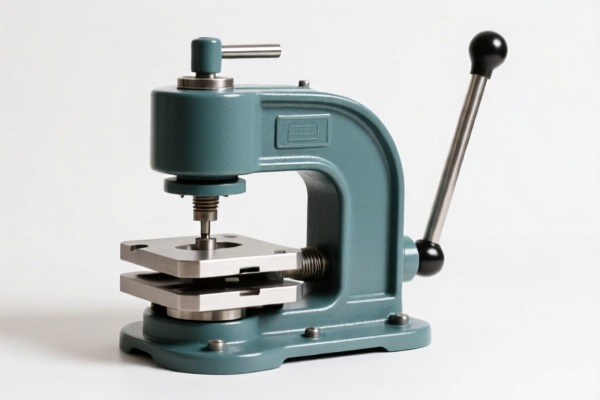
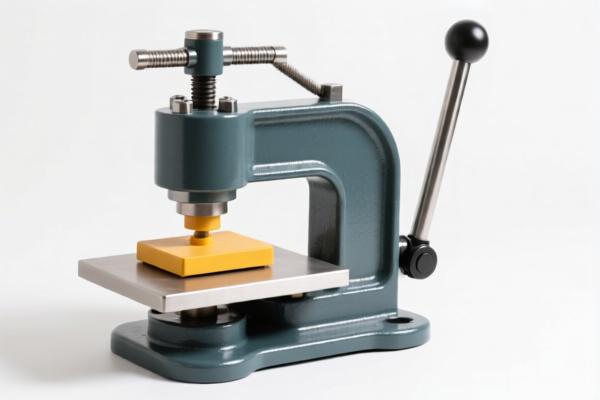
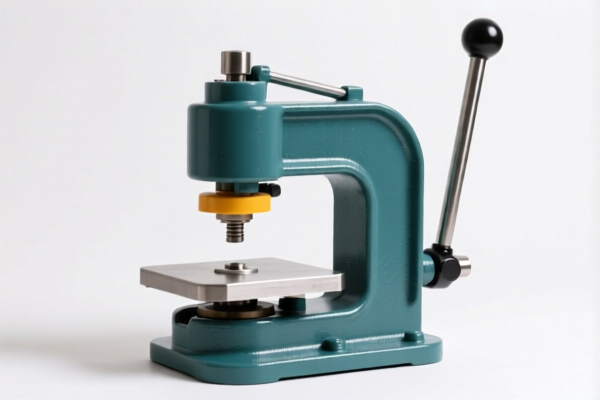
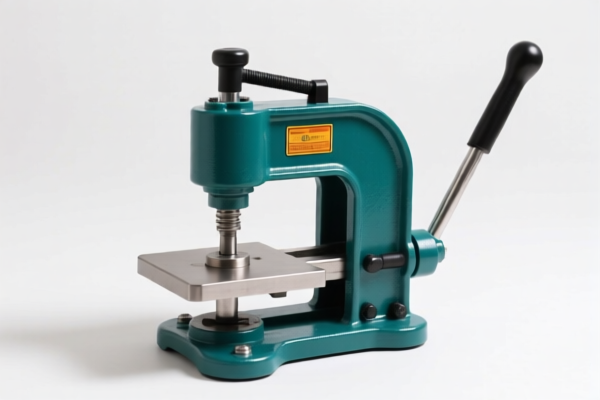
AI分析
🥩 Meat Pressing Plate (Meat Press / Bacon Press)
🌐 HS Code Reference & Clearance Guide | 2026 Latest Tariff Analysis | Professional Customs Strategy
📌 I. Product Definition & Classification: What Exactly Is a "Meat Pressing Plate"?
A Meat Pressing Plate (commonly known as a Bacon Press, Turkey Press, or Meat Press) is a kitchen tool used to flatten meat, expel fat, and ensure even cooking during frying, grilling, or smoking. It is typically a heavy, flat plate, often weighted, with a handle.
In international trade, these products are classified differently based on their material composition: * Wood/Bamboo: Classified under Chapter 44 (Wood and articles of wood). * Iron/Steel: Classified under Chapter 73 (Articles of iron or steel).
⚠️ Critical Distinction:
- The material dictates the HS Code and, consequently, the tariff rate. Misclassification leads to severe penalties or delays.
- Do not confuse "kitchen utensils" with "machinery." These are manual tools, not electric appliances.
📦 II. HS Code Classification Details (Based on Provided Data)
| HS Code | Product Description | Material | Category |
|---|---|---|---|
4419.11.00.00 |
Bamboo or similar board-like meat pressing plates | Bamboo | Kitchen Utensils |
4419.90.91.00 |
Wooden meat pressing plates | Wood | Wooden Kitchen Utensils |
7323.99.90.80 |
Iron or Steel meat pressing plates (Other餐厨 tools) | Steel/Iron | Other Table/Kitchen Iron/Steel Articles |
7323.99.90.30 |
Iron/Steel meat pressing plates (Household Iron/Steel Items) | Steel/Iron | Household Iron/Steel Articles |
🔍 Key Insight:
- Wood/Bamboo: Lower base tariffs but subject to Section 301/122 tariffs.
- Steel/Iron: Higher base tariffs + Significant Section 301 tariffs + 122 Clauses (50%). This makes steel presses extremely costly to import into the US from China.
💰 III. 2026 Latest Tariff Rate Breakdown (Detailed Analysis)
✅ Applicable Region: United States (US)
✅ Origin: China (CN)
✅ Effective Date: Based on current data provided (includes 122 Clauses)
🎯 1. 4419.11.00.00 – Bamboo Meat Pressing Plate
| Item | Detail |
|---|---|
| Base Tariff | 3.2% |
| Additional Tariff (Section 301) | 0.0% |
| 122 Clause Tariff | 10% |
| Total Tariff Rate | 13.2% |
| Tax Calculation | CIF Value × 13.2% |
| De Minimis Exemption | ❌ Not Available (High tariff rates usually deny de minimis for certain categories, though bamboo sometimes has nuances, this data implies full tax) |
| Legal Basis | Base Rate + 122 Clause 10% |
📌 Explanation:
- Bamboo is classified under "Wood" Chapter 44.
- No Section 301 tariff applies (0.0%), but a 10% 122 Clause tariff is added.
- Total: 13.2%. This is the most cost-effective option among the three materials.
🎯 2. 4419.90.91.00 – Wooden Meat Pressing Plate
| Item | Detail |
|---|---|
| Base Tariff | 3.2% |
| Additional Tariff (Section 301) | 7.5% |
| 122 Clause Tariff | 10% |
| Total Tariff Rate | 20.7% |
| Tax Calculation | CIF Value × 20.7% |
| De Minimis Exemption | ❌ Not Available |
| Legal Basis | USITC:4419.90.91.00 + Section 301 + 122 Clause |
📌 Explanation:
- Regular wood (non-bamboo) falls under4419.90.91.
- Subject to 7.5% Section 301 tariff.
- Plus 10% 122 Clause.
- Total: 20.7%. Higher than bamboo due to Section 301 duties.
🎯 3. 7323.99.90.80 & 7323.99.90.30 – Iron/Steel Meat Pressing Plate
| Item | Detail |
|---|---|
| Base Tariff | 3.4% |
| Additional Tariff (Section 301) | 25.0% |
| 122 Clause Tariff | 10% |
| Special Clause (Section 301 for Steel/Aluminum/Copper) | 50% |
| Total Tariff Rate | 88.4% |
| Tax Calculation | CIF Value × 88.4% |
| De Minimis Exemption | ❌ Not Available |
| Legal Basis | USITC:7323.99.90 + Section 301 (25% + 50%) + 122 Clause |
📌 Explanation:
- Critical Warning: Steel products are heavily penalized.
- Base: 3.4%
- Standard Section 301: 25%
- Additional Steel/Aluminum/Copper Section 301 Tariff: 50%
- 122 Clause: 10%
- Total: 88.4%. This is an exorbitantly high tariff rate.
- Both7323.99.90.80and7323.99.90.30carry the same 88.4% rate.
🛠️ IV. Customs Clearance Practical Advice (Battle-Tested Tips)
✅ 1. Documentation Checklist (Must-Have)
| Document | Required | Notes |
|---|---|---|
| Product Specification | ✔️ | Must specify material (Bamboo vs. Wood vs. Steel). |
| Material Declaration | ✔️ | Explicitly state "100% Bamboo" or "Stainless Steel" to avoid ambiguity. |
| Commercial Invoice | ✔️ | Clearly describe as "Bamboo Meat Press" or "Wooden Bacon Press." Avoid vague terms like "Kitchen Tool." |
| Packing List | ✔️ | Include weight and dimensions. |
| Origin Certificate (CO) | ✔️ | If claiming preferential rates (if applicable), though US-China tariffs are high. |
✅ 2. Declaration Strategy (Key Mantra)
🔥 "Material is King: Bamboo Wins, Wood Costs, Steel is Punished!"
| Scenario | Recommended HS Code | Risk Level |
|---|---|---|
| Bamboo Press | 4419.11.00.00 |
✅ Low Risk (13.2% Total) |
| Wooden Press | 4419.90.91.00 |
⚠️ Medium Risk (20.7% Total) |
| Steel Press | 7323.99.90.80 |
❌ High Risk (88.4% Total) |
📌 Warning:
- If you import Steel presses, expect a 88.4% tax burden. Consider if the margin allows for this cost.
- If the product is coated or enamelled, it may still be classified under Chapter 73 if the base material is steel.
- Do not attempt to misdeclare Steel as Wood to save taxes. Customs inspections (especially X-ray) will detect metal density, leading to fines and seizure.
✅ 3. Special Considerations
| Situation | Advice |
|---|---|
| Bamboo vs. Wood | Bamboo is cheaper to tax (13.2%) than regular wood (20.7%). If possible, source Bamboo presses. |
| Steel Alternatives | If the product is cast iron, it is still "Iron/Steel." No exemption. Consider Cast Aluminum (if any) or Stainless Steel (same tax). |
| Set Packaging | If sold as a "Set" (e.g., Press + Tongs), the principal character determines the HS Code. If the press is the main item, the whole set follows the press's tariff. |
| De Minimis (Section 321) | Most packages under $800 may be exempt from duties, but Section 301 and 122 tariffs often still apply or are scrutinized. Check current CBP enforcement. Data provided suggests full tax application, so assume No De Minimis for safety. |
🌍 V. Global Market Comparison (2026 Latest)
| Country/Region | Recommended HS Code | Est. Tariff (China Origin) | Notes |
|---|---|---|---|
| 🇺🇸 USA | 4419.11.00.00 (Bamboo) |
13.2% | Best option for China origin. |
| 🇺🇸 USA | 4419.90.91.00 (Wood) |
20.7% | Moderate cost. |
| 🇺🇸 USA | 7323.99.90.80 (Steel) |
88.4% | Avoid if possible due to high cost. |
| 🇪🇺 EU | 4419.11.00 |
~0-5% | No Section 301. Check local VAT. |
| 🇨🇦 Canada | 4419.11.00 |
~5-10% | No Section 301. |
📌 Conclusion:
- The USA imposes heavy tariffs on Chinese kitchenware based on Section 301 and 122 Clauses.
- Bamboo is the most tariff-friendly material.
- Steel is prohibitively expensive (88.4%).
📌 VI. Common Mistakes & Pitfalls (Lessons Learned)
❌ Mistake 1: Declaring a Steel press as "Kitchen Utensil" without specifying material.
👉 Consequence: Customs flags it for inspection. If found steel, back-taxes + penalties.
❌ Mistake 2: Assuming Wood and Bamboo have the same tax rate.
👉 Consequence: Unexpected 7.5% difference (20.7% vs 13.2%). Always specify "Bamboo."
❌ Mistake 3: Ignoring the 122 Clause (10%).
👉 Consequence: Under-declaring taxes. The 122 Clause applies to all three categories listed.
❌ Mistake 4: Trying to split a Steel Press into "Handle" and "Plate" for de minimis.
👉 Consequence: CBP often views this as a single product. Risk of seizure.
✅ Correct Declaration Example:
"Bamboo Meat Pressing Plate, for Kitchen Use, 100% Natural Bamboo, No Mechanical Parts, Model: BP-001"
→ HS Code:4419.11.00.00
→ Tax: 13.2%
🎯 VII. Conclusion: Professional Clearance, Save Money, Avoid Delays!
🎯 Remember the Mantra:
🔹 "Bamboo is Best (13.2%), Wood is Okay (20.7%), Steel is Pain (88.4%)"
🔹 "Specify Material Clearly, Avoid Steel from China, Save Your Profit!"
📌 Pro Tip:
If you must sell Steel presses, consider:
1. Sourcing from Vietnam/Malaysia (avoid China origin tariffs).
2. Adjusting Pricing to absorb the 88.4% tax.
3. Switching to Bamboo if market allows.
📣 Immediate Action:
📞 Verify Material with Supplier (Bamboo vs. Wood vs. Steel).
📦 Prepare Documentation with Explicit Material Declaration.
🚀 Choose Bamboo for optimal US Market Entry.
✨ Professional Clearance Starts with Accurate Classification!
💼 Every Percent of Tariff Saves Your Bottom Line!
用户评价
关于 HS 编码归类
协调制度(HS)是由世界海关组织(WCO)制定的国际贸易商品分类标准。全球 200 多个国家采用 HS 系统作为海关关税、贸易统计和进出口监管的基础。
每个 HS 编码遵循以下层级结构:
- 章(2 位)——商品大类(例如:第 84 章:机器和机械设备)
- 品目(4 位)——章内的更具体分类
- 子目(6 位)——国际通用细分,所有 WCO 成员国统一使用
- 本国细分(8-10 位)——各国自行扩展的细分编码,如美国 HTSUS 10 位编码
正确的 HS 编码归类对于顺利通关、准确缴纳关税和遵守贸易法规至关重要。错误归类可能导致海关延误、多缴关税或罚款。
从CN进口到US时,适用的关税税率可能包括:
- 最惠国(MFN)税率——适用于 WTO 成员国的标准关税税率
- 普通税率——适用于无贸易协定国家
- 贸易救济关税——附加关税,如 301 条款(反倾销)、232 条款(国家安全)或反补贴税
本页内容仅供参考。如需正式归类,请咨询当地海关或持牌报关代理。