Mechanical Transmission Plastic Synchronous Belts
CN → US| HS编码 | 关税税率 | 原产国 | 目的国 | 文档 |
|---|---|---|---|---|
| 3926906010 | 39.2% | CN | US | 官方文档 |
| 8431390010 | 35.0% | CN | US | 官方文档 |
| 8431499084 | 85.0% | CN | US | 官方文档 |
商品图片
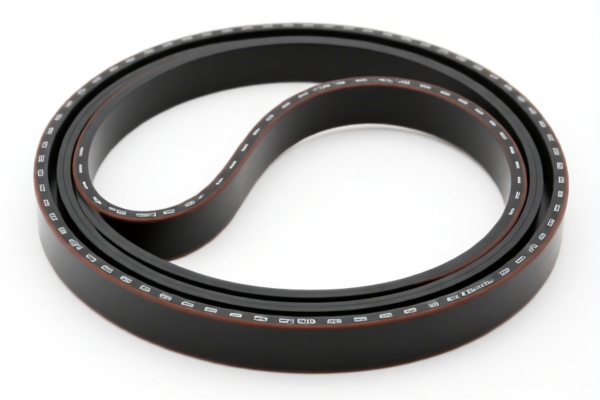
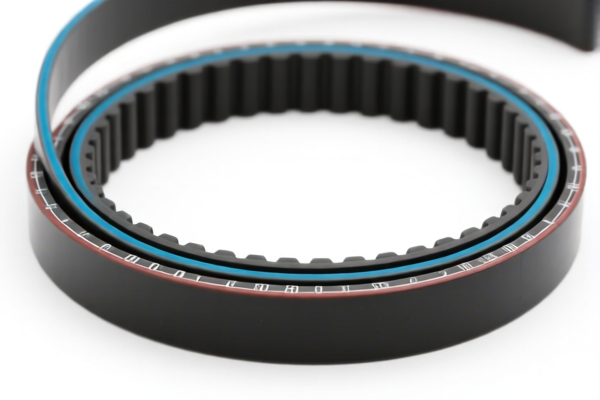
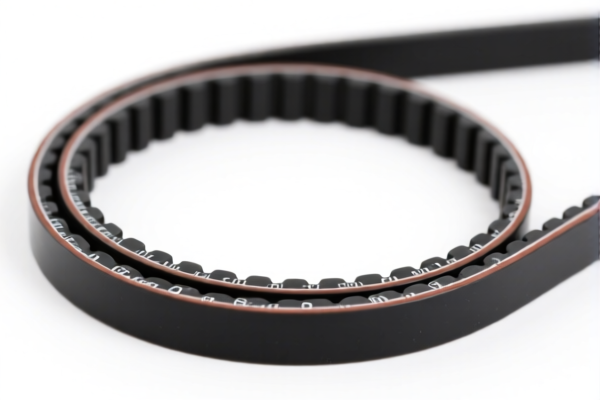
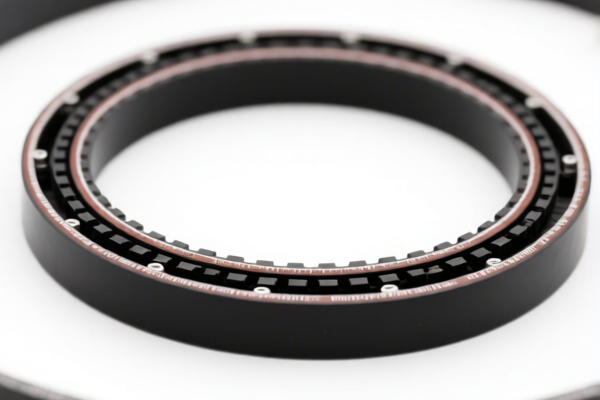
AI分析
🏭 Mechanical Transmission Plastic Synchronous Belts
🌐 HS Code Reference & Customs Clearance Guide | 2026 Latest Tariff Analysis | Professional Clearance Strategy
📌 I. Product Definition & Classification: Do You Really Understand "Synchronous Belts"?
Mechanical Transmission Plastic Synchronous Belts are critical power transmission components used in industrial machinery, automated equipment, and manufacturing lines. In international trade, these belts are classified based on two key factors: Material Composition and Functional Purpose.
The data provided highlights a critical classification divergence: * Material-Centric Classification (Chapter 39): If the primary characteristic is viewed as a "Plastic Product," it falls under plastic articles. * Function-Centric Classification (Chapter 84): If the primary characteristic is viewed as a "Machine Part/Transmission Component," it falls under machinery accessories.
⚠️ Key Distinction:
- If the belt is primarily identified as a generic plastic article for synchronous transmission →归入 3926.90.60.10
- If the belt is primarily identified as a specialized part for machinery/conveyors →归入 8431.39.00.10 or 8431.49.90.84
📦 II. HS Code Classification Details (2026 Latest Tariff Authority Comparison)
Based on the provided data, here are the three potential HS Codes and their logical justifications:
| HS Code | Product Description | Application Scenario | Classification Logic |
|---|---|---|---|
3926.90.60.10 |
Plastic Synchronous Conveyor Belt | General industrial plastic parts, non-specific machinery | ✅ Material First: "Plastic" is the dominant material feature. Fits the definition of plastic articles. |
8431.39.00.10 |
Mechanical Transmission Plastic Synchronous Belts | Parts for conveyor systems, specific machinery transmission | ✅ Function First: "Conveyor" use case is explicit. Plastic material does not conflict with machinery parts. |
8431.49.90.84 |
Plastic Synchronous Belt (Other Machinery Parts) | General mechanical parts, fallback classification | ✅ Fallback/兜底: "Plastic" inferred as material for "Other machinery parts." |
🔍 Critical Note on Data Consistency:
- The dataset lists3926.90.60.10twice with slightly different summaries ("Plastic Synchronous Conveyor Belt" vs. "High Strength Plastic Synchronous Belt"), but both yield the same tax rate.
- The dataset lists8431.39.00.10and8431.49.90.84as alternative machinery classifications.
- Crucial Warning: The classification into Chapter 84 (Machinery) significantly impacts tax rates due to specific US trade policies (see Section III).
💰 III. 2026 Latest Tariff Rate Breakdown (Including Additional Taxes & Policy Surcharges)
✅ Applicable Country: United States (US)
✅ Origin: China (CN)
✅ Effective Time: Current regulations including Section 301, Section 122, and IEEPA surcharges.
🎯 1. 3926.90.60.10 —— Plastic Synchronous Belt (Material-Centric)
This classification treats the item as a Plastic Article.
| Item | Content |
|---|---|
| Base Tariff | 4.2% (Ad Valorem) |
| Section 301 Surcharge | +25.0% (From USITC Footnote) |
| Section 122 Tariff | +10.0% (Specific import restriction surcharge) |
| Total Tariff Rate | 39.2% |
| Tax Calculation | CIF Value × 39.2% |
| De Minimis Exemption? | ❌ NO (High tariff prevents de minimis benefit) |
| Legal Basis Path | HTSUS:3926.90.60.10 → USITC:301 → Section 122:10% |
📌 Explanation:
- Base 4.2%: Standard MFN rate for plastic articles.
- 25% Section 301: Retaliatory tariff against Chinese goods.
- 10% Section 122: Additional surcharge on specific imported goods (often applied to textiles, plastics, and machinery parts depending on current enforcement).
- Total 39.2%: This is the most common and stable classification for "Plastic Synchronous Belts" when emphasizing material.
🎯 2. 8431.39.00.10 —— Parts for Conveyor Systems (Function-Centric)
This classification treats the item as a Machine Part for conveyors.
| Item | Content |
|---|---|
| Base Tariff | 0.0% |
| Section 301 Surcharge | +25.0% |
| Section 122 Tariff | +10.0% |
| Total Tariff Rate | 35.0% |
| Tax Calculation | CIF Value × 35.0% |
| De Minimis Exemption? | ❌ NO |
| Legal Basis Path | HTSUS:8431.39.00.10 → USITC:301 → Section 122:10% |
📌 Explanation:
- Base 0.0%: Many machinery parts have zero base duty under HTSUS.
- 25% Section 301: Still applies as a Chinese-origin good.
- 10% Section 122: Applies here as well.
- Total 35.0%: 5% cheaper than the plastic classification! However, this classification is riskier as customs may challenge the "conveyor system" application if the belt is used in other machinery.
🎯 3. 8431.49.90.84 —— Other Machinery Parts (Fallback/Other)
This classification is used for machinery parts not specifically listed elsewhere.
| Item | Content |
|---|---|
| Base Tariff | 0.0% |
| Section 301 Surcharge | +25.0% |
| Section 122 Tariff | +10.0% |
| Steel/Aluminum/Copper Surcharge | +50.0% (⚠️ CRITICAL WARNING) |
| Total Tariff Rate | 85.0% |
| Tax Calculation | CIF Value × 85.0% |
| De Minimis Exemption? | ❌ NO |
| Legal Basis Path | HTSUS:8431.49.90.84 → USITC:301 → Section 122:10% → Section 232/Other:50% |
📌 Explanation:
- WARNING: This code triggers an additional 50% tariff for steel, aluminum, or copper products.
- Although the belt is plastic, if customs officers suspect any metallic reinforcement (e.g., fiberglass cords, steel cores), they may apply this higher bracket.
- Even if purely plastic, the "Other Machinery Parts" category sometimes gets scrutinized under broader "Section 232" or similar broad surcharges in some enforcement contexts, leading to the 85.0% total.
- Recommendation: AVOID this classification unless absolutely necessary and confirmed as non-metallic.
🛠️ IV. Customs Clearance Practical Advice (Real-World Pitfall Prevention)
✅ 1. Documentation Checklist (Non-Negotiable)
| Document | Required? | Explanation |
|---|---|---|
| ✅ Product Specification Sheet | ✔️ | Must clearly state: Material (100% Plastic/Polyurethane), Structure (Synchronous), Reinforcement (None or Non-Metallic). |
| ✅ Technical Drawing/Cross-Section | ✔️ | To prove absence of steel/steel-cord reinforcement. |
| ✅ Product Photos (Labeled) | ✔️ | Show teeth profile, material flexibility, and lack of metal parts. |
| ✅ Commercial Invoice | ✔️ | Description: "Plastic Synchronous Belt for Mechanical Transmission, No Metallic Components." |
| ✅ Material Safety Data Sheet (MSDS) | ✔️ | To confirm chemical composition and non-metallic nature. |
| ✅ Usage Statement | ✔️ | Specify if used in "Conveyor Systems" (for 8431) or "General Transmission" (for 3926). |
✅ 2. Classification Strategy & Declaration Tips
🔥 "Material Defines Chapter 39, Function Defines Chapter 84!"
| Scenario | Recommended HS Code | Reasoning | Risk Level |
|---|---|---|---|
| Pure Plastic Belt (No metal core) | 3926.90.60.10 |
Safest, most defensible. Material is obvious. | 🟢 Low |
| Belt for Conveyor System | 8431.39.00.10 |
Lower tax (35%), but must prove "Conveyor" use. | 🟡 Medium |
| Belt with Steel Cord Core | ❌ Avoid 8431.49.90.84 |
Triggers 50% surcharge. Use specific steel belt code if applicable, but expect high tax. | 🔴 High |
| Generic "Transmission Belt" | 3926.90.60.10 |
Default fallback. | 🟢 Low |
📌 Key Advice:
- Declare "Plastic" prominently in the product name: "PLASTIC SYNCHRONOUS BELT."
- Explicitly state "No Metallic Reinforcement" in the invoice description to avoid the 50% surcharge risk associated with8431.49.90.84.
- If claiming8431.39.00.10, be prepared to provide proof that the belt is specifically designed for conveyor systems (e.g., part of a conveyor assembly).
✅ 3. Special Circumstances
| Situation | Handling Advice |
|---|---|
| OEM Custom Belts | Provide customer drawings showing material composition. |
| Belt with Fiberglass Cord | Clarify: Fiberglass is not steel/aluminum/copper. It should NOT trigger the 50% surcharge. Still, 3926.90.60.10 is safer. |
| Used/Reconditioned Belts | Subject to stricter inspection. Ensure "Plastic" status is clear. |
| Samples | Even samples are subject to duty. Declare accurately. |
🌍 V. Global Market Clearance Comparison (2026 Latest)
| Country/Region | Recommended HS Code | Tariff (China Origin) | Certification Requirements | Notes |
|---|---|---|---|---|
| 🇺🇸 USA | 3926.90.60.10 |
39.2% | FCC (if electronic), RoHS (if electrical) | Highest effective duty due to Section 301 + 122. |
| 🇺🇸 USA | 8431.39.00.10 |
35.0% | Same as above | Slightly lower, but higher scrutiny. |
| 🇨🇳 China | 3926.90.60.10 |
~5-10% | CCC (if applicable) | No Section 301/122. |
| 🇪🇺 EU | 3926.90.90 |
~3-4% | CE, REACH | No Section 301. |
| 🇲🇽 Mexico | 3926.90.60 |
~5% (USMCA) | NOM | USMCA may apply if made in North America. |
📌 Conclusion:
- The US market is the most costly due to layered tariffs (Base + Section 301 + Section 122).
-3926.90.60.10(39.2%) is the most robust classification for "Plastic Synchronous Belts."
-8431.39.00.10(35.0%) offers a 4.2% saving but requires stronger proof of "Conveyor System" use.
-8431.49.90.84(85.0%) should be avoided due to the 50% surcharge risk.
📌 VI. Common Errors & Pitfall Guide (Lessons Learned)
❌ Error 1: Declaring "Metal Core Belt" but using 3926.90.60.10
👉 Consequence: Customs will reclassify to a steel/hardware code, applying 50% surcharge and penalties.
❌ Error 2: Declaring "Conveyor Belt" but using 8431.39.00.10 without proof
👉 Consequence: Customs may downgrade to 3926.90.60.10 or 8431.49.90.84, leading to delays, audits, or higher duties.
❌ Error 3: Ignoring Section 122 Tariff
👉 Consequence: Assuming only Section 301 (25%) applies. Missing the additional 10% leads to underpayment and penalties.
❌ Error 4: Using vague descriptions like "Transmission Belt"
👉 Consequence: Customs has discretion. They may choose the highest tax bracket (8431.49.90.84) if material and use are ambiguous.
✅ Correct Practice:
"Plastic Synchronous Belt, 100% Polyurethane, No Metallic Reinforcement, for General Mechanical Transmission, Model XYZ, Certified RoHS"
🎯 VII. Conclusion: Professional Declaration Saves Money!
🎯 Remember the Mantra:
🔹 "Plastic & No Metal = 3926.90.60.10 (39.2%)"
🔹 "Conveyor System Proof = 8431.39.00.10 (35.0%)"
🔹 "Ambiguity = 8431.49.90.84 (85.0%) – Avoid!"
🔹 "Always Account for Section 301 (25%) + Section 122 (10%)"
📌 Pro Tip:
If your belts are made in Vietnam, Mexico, or Thailand, you may qualify for IEEPA Exemptions or USMCA Duty-Free Treatment, reducing total duty to 0-5%.
Recommendation: Apply for Pre-Ruling (Advance Ruling) from US Customs and Border Protection (CBP) to confirm the HS Code and avoid clearance delays.
📣 Immediate Action:
📞 Consult a Professional Customs Broker + Provide Product Diagrams + Apply for HS Code Pre-Ruling
🚀 Ensure your Plastic Synchronous Belts clear customs efficiently, legally, and cost-effectively!
✨ Professional Clearance Starts with Accurate Classification!
💼 Every Percentage Point Saved is Profit Earned!
用户评价
关于 HS 编码归类
协调制度(HS)是由世界海关组织(WCO)制定的国际贸易商品分类标准。全球 200 多个国家采用 HS 系统作为海关关税、贸易统计和进出口监管的基础。
每个 HS 编码遵循以下层级结构:
- 章(2 位)——商品大类(例如:第 84 章:机器和机械设备)
- 品目(4 位)——章内的更具体分类
- 子目(6 位)——国际通用细分,所有 WCO 成员国统一使用
- 本国细分(8-10 位)——各国自行扩展的细分编码,如美国 HTSUS 10 位编码
正确的 HS 编码归类对于顺利通关、准确缴纳关税和遵守贸易法规至关重要。错误归类可能导致海关延误、多缴关税或罚款。
从CN进口到US时,适用的关税税率可能包括:
- 最惠国(MFN)税率——适用于 WTO 成员国的标准关税税率
- 普通税率——适用于无贸易协定国家
- 贸易救济关税——附加关税,如 301 条款(反倾销)、232 条款(国家安全)或反补贴税
本页内容仅供参考。如需正式归类,请咨询当地海关或持牌报关代理。