Medical Dressing
CN → US| HS编码 | 关税税率 | 原产国 | 目的国 | 文档 |
|---|---|---|---|---|
| 3005105000 | 10.0% | CN | US | 官方文档 |
| 3926909989 | 22.8% | CN | US | 官方文档 |
| 6307906800 | 17.5% | CN | US | 官方文档 |
| 6307907200 | 22.0% | CN | US | 官方文档 |
| 3926909950 | 22.8% | CN | US | 官方文档 |
商品图片
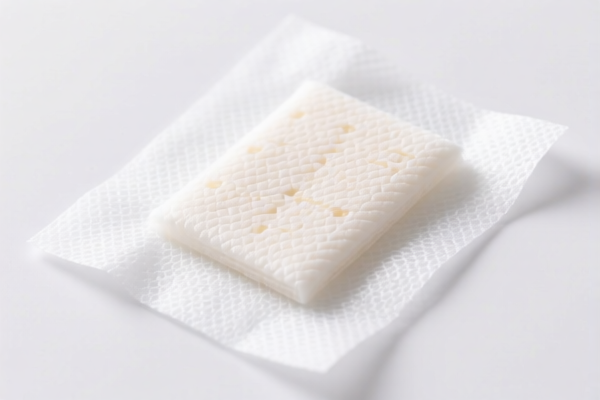
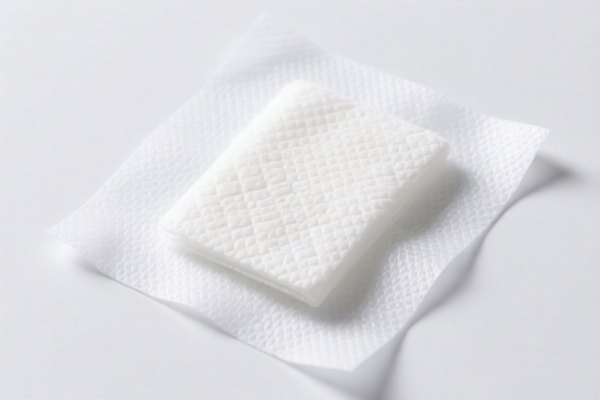
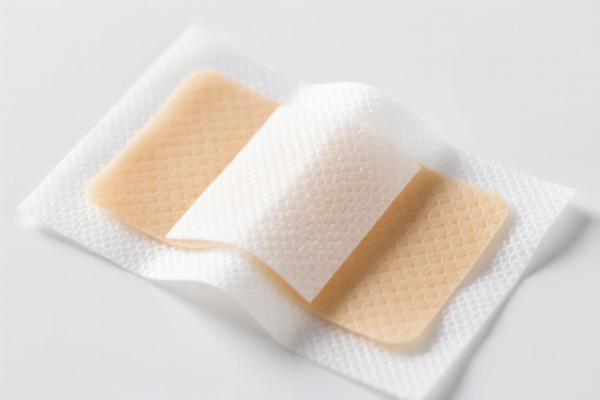
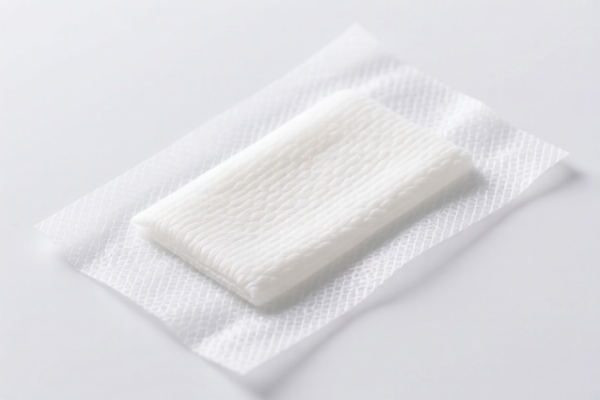
AI分析
🏥 Medical Dressings (Medical Supplies & Wound Care)
🌐 HS Code Reference & Customs Clearance Guide | 2026 Latest Tariff Analysis | Professional Entry Strategies
📌 Part 1: Product Definition & Classification: What Exactly Are "Medical Dressings"?
Medical dressings are not a single product category but a diverse group of medical consumables used for wound care, protection, and healing. In international trade, they are strictly classified based on their material composition and manufacturing process, not just their function.
1. Cotton/Gauze-Based Dressings: Traditional dressings impregnated with medications or oils.
2. Polymer-Based Dressings: Advanced dressings made from hydrocolloids, foams, or alginate plastics.
3. Non-Woven/Fabric-Based Dressings: Modern consumables using non-woven fabrics or textile structures.
⚠️ Critical Classification Logic:
- If the primary material is textile/cotton → Look at Chapter 30 or 63.
- If the primary material is plastic/polymer → Look at Chapter 39.
- If it is non-woven fabric → Look at Chapter 63.
- Do not group them together! Different materials attract different tariffs.
📦 Part 2: HS Code Classification Details (2026 Latest Tariff Authority Comparison)
Based on the provided data, here are the five specific HS Codes for Medical Dressings, categorized by material type:
| HS Code | Product Description | Material Composition | Key Characteristics |
|---|---|---|---|
| 3005.10.50.00 | Medical dressings impregnated with pharmaceuticals | Cotton, Gauze, etc. | Traditional cotton balls/gauze pads soaked in medicated solutions. |
| 3926.90.99.89 | Medical dressings made of polymers | Plastic (PU, Hydrocolloids) | Advanced wound care, waterproof, synthetic materials. |
| 6307.90.68.00 | Medical dressings (medical consumables) | Non-woven Fabric | Modern surgical wipes, bandages using non-woven tech. |
| 6307.90.72.00 | Medical care consumables (Surgical Sheets) | Textile/Non-woven Mix | Similar to surgical drapes/pads; often overlaps with surgical linen categories. |
| 3926.90.99.50 | Medical dressings | Medical-grade Plastic/Non-woven | Hybrid or specific medical-grade synthetic materials. |
🔍 Key Insight:
- 3005.10.50.00 is the only low-tariff option (0% base) among these specific codes.
- 3926 and 6307 codes attract significant additional tariffs due to trade policies.
- The distinction between 3926.90.99.89 and 3926.90.99.50 lies in the specific polymer formulation and medical certification level.
💰 Part 3: 2026 Latest Tariff Rate Breakdown (Including Surtaxes & Policy Add-ons)
✅ Applicable Country: United States (US)
✅ Origin: China (CN)
✅ Effective Time: Post-2025/2026 Trade Policies
🎯 1. 3005.10.50.00 —— Cotton/Gauze-Based Medical Dressings
| Item | Content |
|---|---|
| Base Tariff | 0.0% |
| Trade War Surtax (301) | 0.0% |
| Section 122 Tariff | +10.0% |
| Total Tax Rate | 10.0% |
| Calculation Basis | CIF Value × 10% |
| Legal Path | Standard Medical Consumable Entry |
📌 Explanation:
- This is the most cost-effective classification for cotton-based dressings.
- Despite being a medical product, it only attracts the Section 122 tariff (10%).
- No Section 301 surcharge applies, making it significantly cheaper than polymer alternatives.
🎯 2. 3926.90.99.89 —— Polymer-Based Medical Dressings (Plastic/Hydrocolloid)
| Item | Content |
|---|---|
| Base Tariff | 5.3% |
| Trade War Surtax (301) | +7.5% |
| Section 122 Tariff | +10.0% |
| Total Tax Rate | 22.8% |
| Calculation Basis | CIF Value × 22.8% |
| Legal Path | IEEPA:9903.01.25 → USITC:3926.90.99.89 → FOOTNOTE:122 |
📌 Warning:
- This category suffers from three layers of taxation: Base + 301 Surcharge + Section 122.
- Total tax is 22.8%, more than double the cotton-based option.
- Common for high-end hydrocolloid foams and advanced wound care products.
🎯 3. 6307.90.68.00 —— Non-Woven Medical Consumables
| Item | Content |
|---|---|
| Base Tariff | 0.0% |
| Trade War Surtax (301) | +7.5% |
| Section 122 Tariff | +10.0% |
| Total Tax Rate | 17.5% |
| Calculation Basis | CIF Value × 17.5% |
| Legal Path | Textile Consumable Entry |
📌 Explanation:
- Base tariff is 0%, but the 7.5% surcharge applies due to textile/political trade measures.
- Section 122 (10%) is universally applied to Chinese medical consumables.
- Ideal for standard non-woven bandages and surgical wipes.
🎯 4. 6307.90.72.00 —— Surgical Sheets & Care Consumables
| Item | Content |
|---|---|
| Base Tariff | 4.5% |
| Trade War Surtax (301) | +7.5% |
| Section 122 Tariff | +10.0% |
| Total Tax Rate | 22.0% |
| Calculation Basis | CIF Value × 22.0% |
| Legal Path | Surgical Linen/Consumable Entry |
📌 Note:
- Often grouped with surgical drapes.
- Higher base tariff (4.5%) compared to other non-woven codes.
- Total tax is 22.0%, high but slightly lower than polymer plastics.
🎯 5. 3926.90.99.50 —— Medical-Grade Plastic/Non-Woven Dressings
| Item | Content |
|---|---|
| Base Tariff | 5.3% |
| Trade War Surtax (301) | +7.5% |
| Section 122 Tariff | +10.0% |
| Total Tax Rate | 22.8% |
| Calculation Basis | CIF Value × 22.8% |
| Legal Path | Same as 3926.90.99.89 |
📌 Distinction:
- Functionally similar to3926.90.99.89but may differ in specific medical certification or polymer type.
- Same high tariff burden (22.8%). Must be carefully differentiated from cotton-based products to avoid misclassification penalties.
🛠️ Part 4: Customs Clearance Practical Advice (Avoid Pitfalls)
✅ 1. Preparation Checklist (Must-Have Documents)
| Document | Mandatory? | Purpose |
|---|---|---|
| ✅ Product Specification Sheet | ✔️ | Must detail material composition (e.g., "100% Cotton" vs. "Polyurethane Foam"). |
| ✅ Material Certificate | ✔️ | Proof of medical-grade materials (ISO 13485, FDA 510(k) if applicable). |
| ✅ Product Photos | ✔️ | Clear images showing texture (woven vs. non-woven vs. plastic). |
| ✅ Commercial Invoice | ✔️ | Must specify "Medical Dressing" and correct HS Code. |
| ✅ Packing List | ✔️ | Weight and dimensions for accurate CIF calculation. |
✅ 2. Declaration Tips (Golden Rules)
🔥 "Material Dictates Code, Code Dictates Cost!"
| Scenario | Correct HS Code | Risk of Misclassification |
|---|---|---|
| Cotton ball soaked in iodine | 3005.10.50.00 | Lowest Tax (10%). Do NOT declare as plastic. |
| Hydrocolloid wound patch | 3926.90.99.89 | High Tax (22.8%). Must declare as polymer. |
| Non-woven surgical wrap | 6307.90.68.00 | Medium Tax (17.5%). Ensure it is not labeled as "textile" only. |
| Surgical drape sheet | 6307.90.72.00 | High Tax (22.0%). Check if it qualifies as "consumable" vs. "linen". |
⚠️ Critical Warning:
- Never declare plastic dressings as cotton to save tax. Customs will test material composition. If found, penalties include back taxes + 50% penalty + seizure.
- Never declare cotton as plastic. While tax is higher, it may trigger unnecessary medical device audits.
✅ 3. Special Handling for Section 122 Tariff
| Item | Advice |
|---|---|
| All Categories | Section 122 (10%) is unavoidable for Chinese-origin medical dressings. Factor this into your pricing model. |
| Non-China Origin | If manufactured in Vietnam, Thailand, or Mexico, Section 122 may not apply. Verify origin rules! |
| Bundle Deals | If shipping cotton dressings with polymer dressings, separate invoices are recommended to apply correct rates. |
🌍 Part 5: Market Comparison (2026 Update)
| Market | Recommended HS Code | Approx. Total Tax (China Origin) | Note |
|---|---|---|---|
| 🇺🇸 USA | 3005.10.50.00 (Cotton) |
10% | Best for cotton-based products. |
| 🇺🇸 USA | 3926.90.99.89 (Plastic) |
22.8% | High cost for advanced wound care. |
| 🇪🇺 EU | Varies (Chapter 30/63) | 0-6% | Generally lower tariffs; CE Marking required. |
| 🇨🇳 China | 3005.10.50.00 |
0-5% | N/A for export from China. |
📌 Conclusion:
- USA is the most expensive market for polymer-based dressings due to layered tariffs.
- Cotton-based dressings (3005.10.50.00) are the most tariff-efficient option for the US market.
- Consider supply chain diversification (e.g., manufacturing in non-China countries) if relying heavily on polymer dressings.
📌 Part 6: Common Mistakes & Pitfalls (Lessons Learned)
❌ Mistake 1: Declaring all medical dressings under one HS Code.
👉 Result: Customs audit, delayed clearance, potential fines.
✅ Fix: Separate by material: Cotton (3005), Plastic (3926), Non-woven (6307).
❌ Mistake 2: Ignoring Section 122 Tariff.
👉 Result: Unexpected 10% cost added to landed cost, eroding profit margins.
✅ Fix: Budget for 10% Section 122 on all Chinese-origin dressings.
❌ Mistake 3: Mislabeling "Medical-Grade" plastic as general plastic.
👉 Result: May fall under different 3926 subcodes with higher scrutiny.
✅ Fix: Provide Medical Device Registration Certificates (e.g., FDA 510(k)) to prove medical use.
🎯 Part 7: Conclusion: Smart Classification, Higher Profits!
🎯 Remember the Motto:
🔹 "Cotton is King (10%), Plastic is Pain (22.8%), Non-Woven is Middle (17.5%)."
🔹 "Material Proof is Key; No Paper, No Clearance!"
🔹 "Section 122 is Always On; Plan Your Pricing Accordingly!"
📌 Pro Tip:
If your product can be classified under 3005.10.50.00 (e.g., by using a cotton backing instead of pure polymer), you can save 12.8% in taxes compared to polymer dressings. Consult with a trade compliance expert to optimize material structure without compromising product performance.
📣 Immediate Action:
📞 Contact a Customs Broker for an Advance Ruling if your product material composition is hybrid.
📄 Prepare Material Test Reports to substantiate HS Code claims.
🚀 Optimize Supply Chain: Consider non-China origins if shipping high-volume polymer dressings to the US.
✨ Professional Customs Clearance Starts with Accurate Classification!
💼 Your Tax Bill Should Reflect Reality, Not Guesswork!
用户评价
关于 HS 编码归类
协调制度(HS)是由世界海关组织(WCO)制定的国际贸易商品分类标准。全球 200 多个国家采用 HS 系统作为海关关税、贸易统计和进出口监管的基础。
每个 HS 编码遵循以下层级结构:
- 章(2 位)——商品大类(例如:第 84 章:机器和机械设备)
- 品目(4 位)——章内的更具体分类
- 子目(6 位)——国际通用细分,所有 WCO 成员国统一使用
- 本国细分(8-10 位)——各国自行扩展的细分编码,如美国 HTSUS 10 位编码
正确的 HS 编码归类对于顺利通关、准确缴纳关税和遵守贸易法规至关重要。错误归类可能导致海关延误、多缴关税或罚款。
从CN进口到US时,适用的关税税率可能包括:
- 最惠国(MFN)税率——适用于 WTO 成员国的标准关税税率
- 普通税率——适用于无贸易协定国家
- 贸易救济关税——附加关税,如 301 条款(反倾销)、232 条款(国家安全)或反补贴税
本页内容仅供参考。如需正式归类,请咨询当地海关或持牌报关代理。