Medical Rubber Stoppers
CN → US| HS编码 | 关税税率 | 原产国 | 目的国 | 文档 |
|---|---|---|---|---|
| 4016991500 | 20.2% | CN | US | 官方文档 |
| 4016990500 | 20.9% | CN | US | 官方文档 |
| 3926904510 | 38.5% | CN | US | 官方文档 |
| 4016935010 | 37.5% | CN | US | 官方文档 |
| 3926904510 | 38.5% | CN | US | 官方文档 |
商品图片
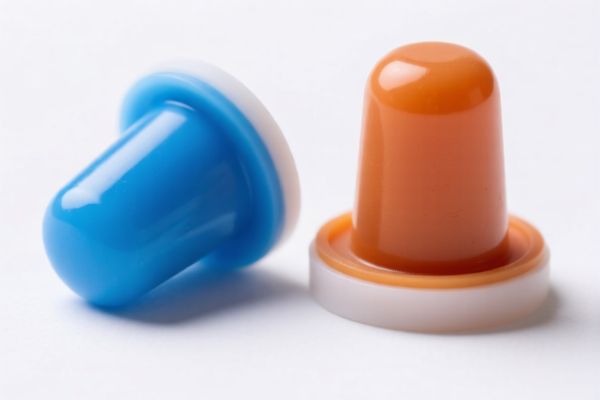
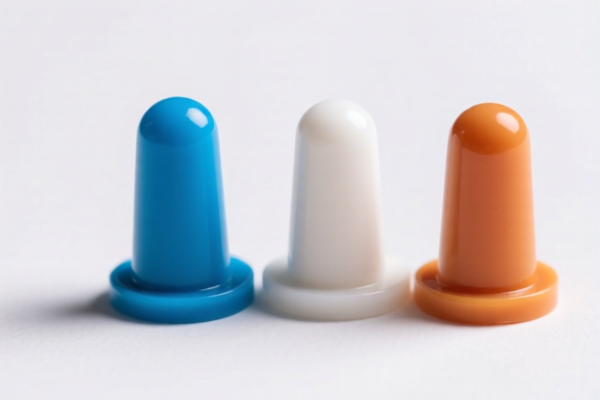
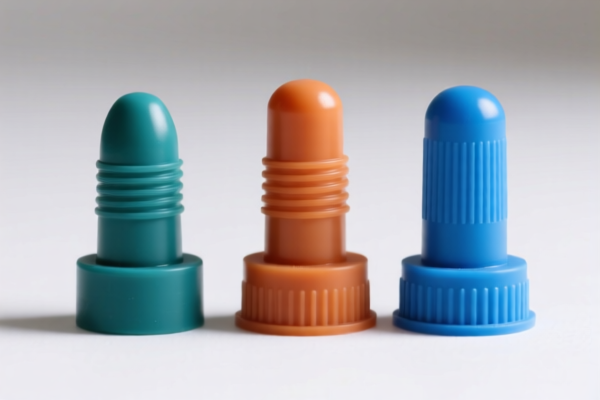

AI分析
🏥 Medical Rubber Stoppers (Pharmaceutical Grade)
🌐 HS Code Reference & Customs Clearance Guide | 2026 Latest Tariff Analysis | Professional Compliance Strategy
📌 I. Product Definition & Classification: Do You Know the True Nature of "Rubber Stoppers"?
Medical rubber stoppers are critical components in the pharmaceutical industry, used to seal vials, ampoules, and containers for vaccines, injectables, and biologics. In international trade, their classification depends heavily on the material composition (Natural vs. Synthetic/Plastic blend) and functional form (General Rubber Article vs. Specific Sealing Component).
⚠️ Key Distinction Point:
- If made primarily of Natural Rubber → Tends toward Chapter 40 (Rubber Articles).
- If made of Synthetic Rubber/Plastic Blends or classified broadly as "Other Articles of Rubber" → May fall under Chapter 40 or Chapter 39 (Plastics) depending on specific subheading interpretations and regional customs practices.
- Critical Note: The provided data highlights a split between "Plug/Stopper" forms (4016.99) and "Sealing Components" (3926.90/4016.93), which triggers vastly different tax liabilities.
📦 II. HS Code Classification Details (2026 Latest Tariff Authority Match)
Based on the provided <DATA>, here are the four distinct classifications mapped to Medical Rubber Stoppers, with their specific tax implications for imports into the US (implied by the 122 Clause and Section 301-style tariffs).
| HS Code | Product Description | Material Composition | Form/Function | Total Tax Rate (CN→US) |
|---|---|---|---|---|
4016.99.15.00 |
Rubber Stopper (Plug) | Rubber (General/Synthetic implied) | Plug/Stopper | 20.2% |
4016.99.05.00 |
Rubber Article (Stopper) | Vulcanized Rubber | Stopper/Plug | 20.9% |
4016.93.50.10 |
Natural Rubber Stopper | Natural Rubber | Sealing Component | 37.5% |
3926.90.45.10 |
Rubber/Plastic Article | Plastic/Rubber Blend | Sealing Component | 38.5% |
🔍 Critical Observation:
- There is a double entry for3926.90.45.10in the source data (both for "Rubber Article" and "Natural Rubber Stopper"), indicating a potential ambiguity in how "Sealing Components" vs. "Plastic/Rubber" are defined by certain customs brokers. However, the tax rate remains consistent at 38.5%. - Natural Rubber stoppers (4016.93) are taxed significantly higher than general synthetic/plastic blends (4016.99) if classified as "Sealing Components" rather than "Plugs."
💰 III. 2026 Latest Tariff Rate Breakdown (Including Add-Ons & Policy Surcharges)
✅ Applicable Country: United States (US)
✅ Country of Origin: China (CN)
✅ Effective Date: Post-2025 (Current trade policy context)
🎯 1. 4016.99.15.00 & 4016.99.05.00 —— General Rubber Stopper/Plug
(Most common for synthetic/vulcanized rubber medical stoppers)
| Item | Details |
|---|---|
| Base Tariff | 2.7% - 3.4% |
| Section 301 / Additional Tariff | +7.5% |
| Section 122 Tariff (122 Clause) | +10% |
| Total Effective Tax Rate | 20.2% (for 4016.99.15.00) 20.9% (for 4016.99.05.00) |
| Calculation Basis | CIF Value × Total Rate |
| De Minimis Exemption | ❌ Not Applicable |
| Legal Basis Path | Base Tariff + Section 301 List 3/4 + Section 122 Authority |
📌 Explanation:
- The 7.5% additional tariff likely reflects a specific Section 301 list item for rubber articles or a negotiated rate lower than the standard 25%.
- The 10% Section 122 tariff is a specific authority often used for strategic goods or counter-measures.
- Total ~20-21% is considered moderate compared to plastic/rubber blends classified as other articles.
🎯 2. 4016.93.50.10 —— Natural Rubber Stopper (Sealing Component)
| Item | Details |
|---|---|
| Base Tariff | 2.5% |
| Section 301 / Additional Tariff | +25% |
| Section 122 Tariff (122 Clause) | +10% |
| Total Effective Tax Rate | 37.5% |
| Calculation Basis | CIF Value × 37.5% |
| De Minimis Exemption | ❌ Not Applicable |
| Legal Basis Path | Base Tariff + High-Value Section 301 Category + Section 122 Authority |
📌 Explanation:
- Natural Rubber falls under a different subheading (4016.93) which is subject to the standard 25% Section 301 rate (highest tier), not the reduced 7.5%.
- This highlights a 17% tax penalty for choosing natural rubber over synthetic if classified as a "sealing component."
🎯 3. 3926.90.45.10 —— Plastic/Rubber Blend or "Other" Sealing Articles
| Item | Details |
|---|---|
| Base Tariff | 3.5% |
| Section 301 / Additional Tariff | +25% |
| Section 122 Tariff (122 Clause) | +10% |
| Total Effective Tax Rate | 38.5% |
| Calculation Basis | CIF Value × 38.5% |
| De Minimis Exemption | ❌ Not Applicable |
| Legal Basis Path | Base Tariff + High-Value Section 301 Category + Section 122 Authority |
📌 Explanation:
- Classifying rubber stoppers as "Other Articles of Plastics" (Chapter 39) or "Sealing Components" under this specific heading triggers the full 25% additional tariff.
- This is the highest tax bracket in the provided dataset. It often happens when customs authorities do not recognize the item as a pure "Rubber Article" (Chapter 40) but rather a composite or plastic-based seal.
🛠️ IV. Customs Clearance Practical Advice (Pitfall Avoidance Guide)
✅ 1. Document Checklist (Mandatory)
| Document | Required | Description |
|---|---|---|
| ✅ Product Specification Sheet | ✔️ | Must specify: Material (Natural vs. Synthetic/Vulcanized), Hardness (Shore A), Chemical Resistance. |
| ✅ Certificate of Origin | ✔️ | Essential for verifying CN origin to apply specific Section 301 rates. |
| ✅ Commercial Invoice | ✔️ | Clearly state: "Medical Rubber Stoppers," Material Composition, and HS Code. |
| ✅ Material Safety Data Sheet (MSDS) | ✔️ | Required for pharmaceutical compliance. |
| ✅ Test Reports | ✔️ | USP Class VI or ISO 10993 biocompatibility test reports (often requested by FDA/CBP for medical goods). |
✅ 2. Classification Strategy (Critical!)
🔥 "Material Matters, Form Dictates Tax!"
| Scenario | Recommended HS Code | Total Tax | Why? |
|---|---|---|---|
| Synthetic/Vulcanized Rubber Stoppers | 4016.99.15.00 or 4016.99.05.00 |
~20.5% | Lower Section 301 rate (7.5%). Best for cost efficiency. |
| Natural Rubber Stoppers | 4016.93.50.10 |
37.5% | Higher Section 301 rate (25%). Only use if material is explicitly natural. |
| Plastic-Rubber Composite or Misclassified | 3926.90.45.10 |
38.5% | AVOID unless technically accurate. High tax penalty. |
📌 Strategic Tip:
If your medical stoppers are made of synthetic rubber (e.g., Butyl, EPDM), ensure your declaration emphasizes "Vulcanized Rubber" or "Rubber Article" to aim for Chapter 40 (4016.99). Do not let customs classify them under Chapter 39 (3926.90) as "Plastic Articles" unless necessary, as it adds an extra ~18% in taxes.
✅ 3. Special Cases Handling
| Situation | Handling Advice |
|---|---|
| OEM Medical Stops | Provide customer’s technical drawings proving the rubber composition. Avoid vague terms like "Polymer." |
| Pre-sterilized vs. Non-sterile | Clarify sterilization status. If sterile, ensure FDA registration numbers are present to avoid additional FDA hold-ups. |
| Mixed Containers | If shipping with plastic vials, declare separately. Do not bundle rubber stoppers under plastic vial HS codes. |
| Natural Rubber Allergies | If labeled "Hypoallergenic," ensure documentation confirms synthetic composition to avoid misclassification as Natural Rubber (4016.93). |
🌍 V. Global Market Comparison (2026 Context)
| Market | Recommended HS Code | Tariff (CN Origin) | Key Requirement |
|---|---|---|---|
| 🇺🇸 USA | 4016.99.15.00 |
20.2% | Section 301 + 122 Clause Apply. |
| 🇨🇳 China | 4016.99.00.00 |
~0-5% | Standard import duty. |
| 🇪🇺 EU | 4016.93.90 |
~0-3% | CE Marking, Medical Device Regulation (MDR). |
| 🇯🇵 Japan | 4016.93.900 |
~5-8% | PMDA Approval for medical use. |
📌 Conclusion:
- The US market is the most tax-sensitive due to the layered tariffs (Base + 301 + 122).
- Optimizing classification under4016.99rather than4016.93or3926.90can save ~18% in taxes.
📌 VI. Common Errors & Pitfalls (Lessons Learned)
❌ Error 1: Declaring "Rubber Stoppers" as "Plastic Seals" (3926.90)
👉 Consequence: Tax jumps from 20.2% to 38.5%. Unjustified cost increase.
❌ Error 2: Using "Natural Rubber" for synthetic stoppers
👉 Consequence: Wrong HS Code (4016.93), leading to 37.5% tax and potential FDA compliance issues if material specs don't match.
❌ Error 3: Failing to specify "Vulcanized"
👉 Consequence: Customs may request further clarification, leading to shipment delays and potential audit.
✅ Correct Practice:
"Medical Grade Butyl Rubber Stoppers, Vulcanized, Synthetic, Sterile, for Pharmaceutical Vials, HS 4016.99.15.00"
🎯 VII. Conclusion: Precision Saves Money
🎯 Remember the Mantra:
🔹 "Synthetic is 20%, Natural is 37%, Plastic Blend is 38%!"
🔹 "Chapter 40, Subheading 99 is your friend. Chapter 39 and 93 are costly!"
📌 Pro Tip:
- Always request a Advance Ruling from US CBP if you are dealing with large volumes.
- Ensure your Supplier’s Declaration explicitly states "Synthetic Rubber" or "Vulcanized Rubber" to support the 4016.99 classification.
📣 Immediate Action:
📞 Contact your customs broker with the Material Safety Data Sheet (MSDS) to confirm the exact rubber composition.
🚀 Optimize your HS Code today to save ~18% in taxes!
✨ Professional Customs Clearance Starts with Accurate Classification!
💼 Every percent of tax saved is pure profit!
用户评价
关于 HS 编码归类
协调制度(HS)是由世界海关组织(WCO)制定的国际贸易商品分类标准。全球 200 多个国家采用 HS 系统作为海关关税、贸易统计和进出口监管的基础。
每个 HS 编码遵循以下层级结构:
- 章(2 位)——商品大类(例如:第 84 章:机器和机械设备)
- 品目(4 位)——章内的更具体分类
- 子目(6 位)——国际通用细分,所有 WCO 成员国统一使用
- 本国细分(8-10 位)——各国自行扩展的细分编码,如美国 HTSUS 10 位编码
正确的 HS 编码归类对于顺利通关、准确缴纳关税和遵守贸易法规至关重要。错误归类可能导致海关延误、多缴关税或罚款。
从CN进口到US时,适用的关税税率可能包括:
- 最惠国(MFN)税率——适用于 WTO 成员国的标准关税税率
- 普通税率——适用于无贸易协定国家
- 贸易救济关税——附加关税,如 301 条款(反倾销)、232 条款(国家安全)或反补贴税
本页内容仅供参考。如需正式归类,请咨询当地海关或持牌报关代理。