Medicinal Paper Products
CN → US| HS编码 | 关税税率 | 原产国 | 目的国 | 文档 |
|---|---|---|---|---|
| 3005101000 | 10.0% | CN | US | 官方文档 |
| 3005901000 | 10.0% | CN | US | 官方文档 |
| 4819502000 | 35.0% | CN | US | 官方文档 |
| 4819504040 | 35.0% | CN | US | 官方文档 |
| 4823901000 | 35.0% | CN | US | 官方文档 |
商品图片
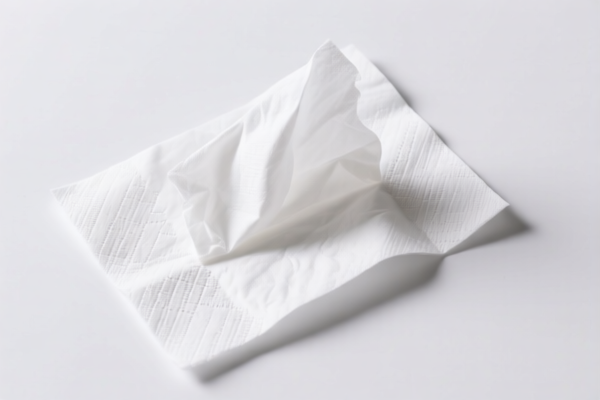
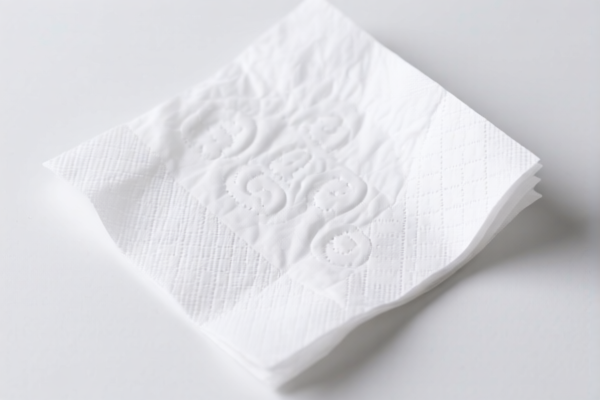
AI分析
🩺 Medicinal Paper Products (Pharmaceutical Paper Goods)
🌐 HS Code Reference & Customs Clearance Guide | 2026 Latest Tariff Analysis | Professional Clearance Strategy
📌 I. Product Definition & Classification: Do You Really Understand "Medicinal Paper"?
Medicinal paper products refer to paper-based materials specifically designed for pharmaceutical, medical, or hygiene purposes. In international trade, they are strictly categorized based on their function, structure, and application. Misclassification often leads to massive tariff discrepancies (from 0% to 35%+) and customs delays.
There are two main categories in this dataset:
-
Category A: Functional Medical Articles (Chapters 30)
Paper products that serve as medical devices or dressings. Key features include adhesive layers, drug coatings, or specific sterile medical applications.- Key Identifier: Does it have an adhesive layer? Is it coated with medicine? Is it used as a dressing/base?
-
Category B: Packaged Paper Containers (Chapters 48)
Paper products used as containers, wrappers, or hygiene packaging for pharmaceuticals or food. These are structural, not functional medical devices.- Key Identifier: Is it a box, pouch, or container? Is it merely holding the product?
⚠️ Critical Distinction:
- If the paper acts as a medical interface (touching the patient/body) → Classify under Chapter 30.
- If the paper acts as a container/packaging (holding the product) → Classify under Chapter 48.
- Wrong Classification Risk: Misclassifying a coated dressing as "paper packaging" can lead to a 25% penalty + back taxes due to under-declaration of duty rates.
📦 II. HS Code Classification Details (2026 Latest Tariff Authority Match)
Based on the provided dataset, here are the exact HS Codes, summaries, and tax implications.
| HS Code | Product Description (Summary) | Category Type | Key Features |
|---|---|---|---|
3005.10.10.00 |
Medicinal paper products serving as dressing bases, featuring adhesive layers or drug coating characteristics. | Medical Device/Dressing | ✅ Adhesive Layer ✅ Drug Coating ✅ Direct Medical Use |
3005.90.10.00 |
Medicinal paper products conforming to the material attributes of pharmaceutical coated articles for medical use. | Medical Device/Dressing | ✅ Pharmaceutical Coating ✅ Medical Material Attribute ✅ Non-adhesive or Specialized |
4819.50.20.00 |
Paper products used for medicine, representing an extension of food and beverage hygiene containers in packaging applications. | Packaging Container | ✅ Hygiene Packaging ✅ Food/Beverage Extension ✅ Structural |
4819.50.40.40 |
Paper products made into containers or packaging, used within the medicinal scope. | Packaging Container | ✅ Container/Packaging ✅ Medicinal Scope (Non-Device) ✅ Structural |
4823.90.10.00 |
Other paper articles made of pulp, used for medicinal purposes. | Specialty Paper | ✅ Pulp-based ✅ Other Paper Forms ✅ Medicinal Purpose |
🔍 Key Insight:
- Chapters 30 (3005.xx) are for items that treat or cover the body (dressings, plasters).
- Chapter 48 (4819.xx,4823.xx) are for items that package or hold the medicine or supplies.
- The tax rate difference is significant: Category A (30) = 10% Total, while Category B (48) = 35% Total.
💰 III. 2026 Latest Tariff Rate Breakdown (Including Additional Duties)
✅ Applicable Country: United States (US)
✅ Origin: China (CN)
✅ Effective Time: 2025/2026 Current Rules
🎯 1. 3005.10.10.00 & 3005.90.10.00 —— Medicinal Dressings & Coated Papers
| Item | Content |
|---|---|
| Base Tariff | 0.0% (ad valorem) |
| Section 301 Additional Duty | 0.0% (Exempt or not applicable for these specific subheadings in this context) |
| Section 122 Duty | +10% |
| Total Tariff Rate | 10.0% |
| Tax Calculation | CIF Value × 10% |
| Legal Basis Path | USITC:3005.10.10.00 → SECTION 122: +10% |
📌 Explanation:
- These are considered essential medical supplies or specific pharmaceutical articles.
- The 10% Section 122 duty is the primary additional cost.
- No Section 301 (25%) tariff applies here, making them significantly cheaper to import than general paper goods.
🎯 2. 4819.50.20.00 & 4819.50.40.40 —— Medicinal Packaging Containers
| Item | Content |
|---|---|
| Base Tariff | 0.0% (ad valorem) |
| Section 301 Additional Duty | +25% |
| Section 122 Duty | +10% |
| Total Tariff Rate | 35.0% |
| Tax Calculation | CIF Value × 35% |
| Legal Basis Path | USITC:4819.50.xx.xx → SECTION 301: +25% → SECTION 122: +10% |
📌 Explanation:
- These are classified as paper containers/packaging, which fall under general trade restrictions.
- They attract both the 25% Section 301 tariff AND the 10% Section 122 duty.
- 35% Total is a high barrier. Misclassifying a simple paper box as a "dressing" to get 10% instead of 35% is a high-risk customs violation.
🎯 3. 4823.90.10.00 —— Other Pulp-Based Medicinal Papers
| Item | Content |
|---|---|
| Base Tariff | 0.0% (ad valorem) |
| Section 301 Additional Duty | +25% |
| Section 122 Duty | +10% |
| Total Tariff Rate | 35.0% |
| Tax Calculation | CIF Value × 35% |
| Legal Basis Path | USITC:4823.90.10.00 → SECTION 301: +25% → SECTION 122: +10% |
📌 Explanation:
- Similar to the packaging category, this "other paper article" attracts the full suite of additional duties.
- Ensure the product is not misidentified as a "medical device" (Chapter 30) if it is merely a paper sheet or pulp product.
🛠️ IV. Customs Clearance Practical Advice (Pitfall Avoidance Guide)
✅ 1. Documentation Checklist (Non-Negotiable)
| Document | Required? | Details |
|---|---|---|
| ✅ Product Specification Sheet | ✔️ | Must clearly state: "Adhesive Layer Present?" "Drug Coated?" "Used as Dressing vs. Packaging?" |
| ✅ Photos (Front/Side/Interior) | ✔️ | Show the texture, coating, and any medical symbols. Distinguish between a box (packaging) and a plaster (dressing). |
| ✅ Composition Analysis | ✔️ | For 4823 items: Confirm it is "Pulp-based" and not "Non-woven fabric" (which might fall under textiles). |
| ✅ Commercial Invoice | ✔️ | Description must match HS Code exactly. E.g., "Medicinal Adhesive Dressing Base" vs. "Paper Container for Pills." |
| ✅ Certificate of Origin (CO) | ✔️ | To determine eligibility for any future exemptions or to verify China origin for Section 301/122 application. |
| ✅ FDA/MD Documentation | ✔️ | If claiming Chapter 30 (Medical), provide evidence of medical use (FDA clearance, CE Mark for Medical Devices). |
✅ 2. Declaration Strategy (The "Golden Rule")
🔥 "Function Determines Code: Dressing = 10%, Package = 35%"
| Scenario | Correct HS Code | Incorrect Scenario | Consequence |
|---|---|---|---|
| Adhesive Plaster/Dressing | 3005.10.10.00 |
Declared as "Paper Box" | Risk of Audit: Customs may reclassify as packaging → Pay 35% instead of 10%. |
| Coated Medical Paper (No Adhesive) | 3005.90.10.00 |
Declared as "General Paper" | Risk of Audit: May be misclassified as textile or non-woven → Different rate. |
| Paper Box for Medicine | 4819.50.40.40 |
Declared as "Medical Dressing" | Customs Violation: False declaration of medical use. Heavy fines + Back Taxes. |
| Paper Pouch for Wipes | 4819.50.20.00 |
Declared as "Non-woven Wipe" | Risk of Audit: Misclassification of material type. |
✅ 3. Special Considerations
| Situation | Handling Advice |
|---|---|
| Hybrid Products (Packaging + Product) | If selling a "Medicine Kit" containing a box and a dressing, declare separately. Do not lump into one HS Code. |
| "Medicinal" Claim | If using Chapter 30, you must prove medical utility. Generic "herbal paper" without medical claims should go to Chapter 48 or 49. |
| Section 122 & 301 Strategy | For Chapter 48 goods, the 35% rate is fixed. No easy exemption. Consider if re-packaging in a non-China country (if applicable) or using Section 301 exclusions if available. |
| Pulp vs. Paper | For 4823.90.10.00, ensure it is not "Molded Pulp Tray" for electronics, which might have different codes. |
🌍 V. Global Market Comparison (2026 Snapshot)
| Market | Recommended HS Code | Est. Duty Rate | Key Certification |
|---|---|---|---|
| 🇺🇸 USA | 3005.10.10.00 (Dressing)4819.50.40.40 (Package) |
10% (Dressing) 35% (Package) |
FDA, Section 122/301 Compliance |
| 🇨🇳 China | 3005.10.10.00 |
0% - 5% (Import Duty) | NMPA (Medical Device License) |
| 🇪🇺 EU | 3005.10.10.00 |
0% - 6% (MFN) | CE Mark (Medical Device Reg.) |
| 🇯🇵 Japan | 3005.10.10.00 |
0% - 3% | PMDA Approval |
📌 Conclusion:
- The US is the most expensive market due to Section 301 and Section 122 tariffs.
- Chapter 30 (10%) is significantly more favorable than Chapter 48 (35%).
- Do not attempt to classify packaging as medical devices to save 25%. Customs audits are strict on this.
📌 VI. Common Mistakes & Pitfalls (Blood Lessons)
❌ Mistake 1: Calling a Paper Box a "Medicinal Paper Product" to get 10% tax.
👉 Result: Customs rejects because it lacks medical function (adhesive/coating). Back taxes + 25% penalty.
❌ Mistake 2: Declaring an Adhesive Dressing as "General Paper" (4819).
👉 Result: Under-declared duty. You pay 35% instead of 10%? No, you pay 35% but were supposed to pay 10%. Customs may impose fraud penalties for misrepresenting medical goods.
❌ Mistake 3: Ignoring Section 122.
👉 Result: Even for Chapter 30 goods, forgetting the 10% Section 122 duty leads to unpaid duties and shipment holds.
❌ Mistake 4: Using "Medicinal" for Herbal Incense Paper without Medical Claims.
👉 Result: Should be classified under Chapter 48 or 49, not Chapter 30. Chapter 30 requires a medical device status.
✅ Correct Approach:
"Sterile Adhesive Surgical Dressing, Paper Base, with Antibacterial Coating, Model XYZ, FDA Registered." →
3005.10.10.00
"White Kraft Paper Box for Pharmaceutical Tablets, 100x100x50mm." →4819.50.40.40
🎯 VII. Conclusion: Precision in Classification Saves 25%
🎯 Key Takeaway:
🔹 "Medicinal = 10%, Packaging = 35%."
🔹 "Adhesive/Coated = Chapter 30. Box/Container = Chapter 48."
🔹 "Never guess medical use. Prove it."
📌 Pro Tip:
If you are importing large volumes of medicinal packaging (35% tariff), consider:
1. Re-packaging in a third country (e.g., Vietnam, Mexico) to change origin rules (check Rules of Origin carefully).
2. Applying for Section 301 Exclusions if applicable for specific paper goods.
3. Using Advance Rulings from CBP to confirm the HS Code before shipment.
📣 Immediate Action:
📞 Review your product photos and specs.
📩 Send to your customs broker: "Is this a Dressing (Ch 30) or a Container (Ch 48)?"
🚀 Get it right, or pay the 25% penalty!
✨ Professional Clearance, Starting with Accurate Classification!
💼 Every cent of duty counts. Don't let 25% vanish!
用户评价
关于 HS 编码归类
协调制度(HS)是由世界海关组织(WCO)制定的国际贸易商品分类标准。全球 200 多个国家采用 HS 系统作为海关关税、贸易统计和进出口监管的基础。
每个 HS 编码遵循以下层级结构:
- 章(2 位)——商品大类(例如:第 84 章:机器和机械设备)
- 品目(4 位)——章内的更具体分类
- 子目(6 位)——国际通用细分,所有 WCO 成员国统一使用
- 本国细分(8-10 位)——各国自行扩展的细分编码,如美国 HTSUS 10 位编码
正确的 HS 编码归类对于顺利通关、准确缴纳关税和遵守贸易法规至关重要。错误归类可能导致海关延误、多缴关税或罚款。
从CN进口到US时,适用的关税税率可能包括:
- 最惠国(MFN)税率——适用于 WTO 成员国的标准关税税率
- 普通税率——适用于无贸易协定国家
- 贸易救济关税——附加关税,如 301 条款(反倾销)、232 条款(国家安全)或反补贴税
本页内容仅供参考。如需正式归类,请咨询当地海关或持牌报关代理。