Meditation Stone
CN → US| HS编码 | 关税税率 | 原产国 | 目的国 | 文档 |
|---|---|---|---|---|
| 6914108000 | 44.0% | CN | US | 官方文档 |
| 6815992000 | 35.0% | CN | US | 官方文档 |
| 6815994170 | 35.0% | CN | US | 官方文档 |
| 7116204000 | 28.0% | CN | US | 官方文档 |
| 6914908000 | 40.6% | CN | US | 官方文档 |
商品图片
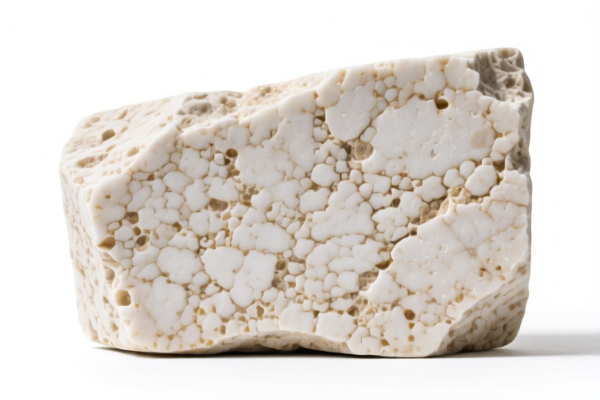
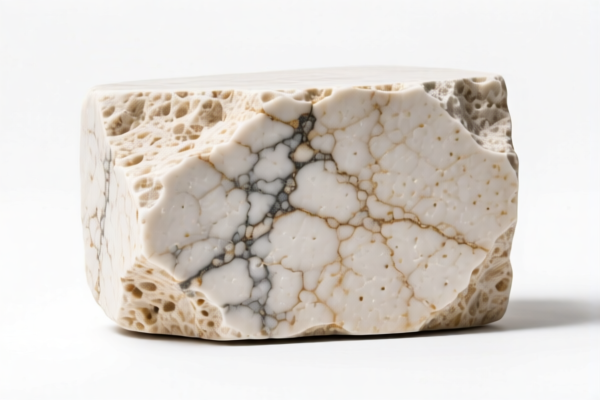
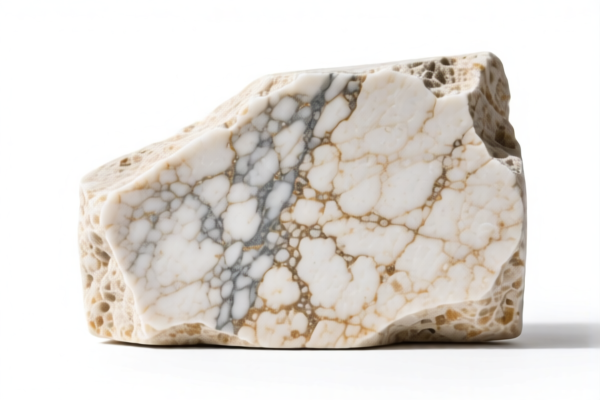
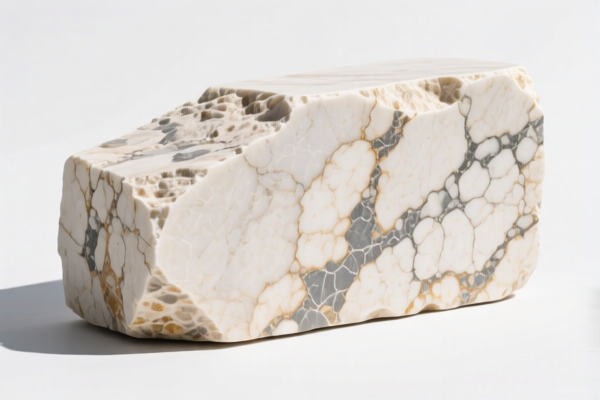
AI分析
🧘♂️ Meditation Stone (Meditation Stones)
🌐 HS Code Reference & Customs Clearance Guide | 2026 Latest Tariff Analysis | Professional Clearance Strategy
📌 I. Product Definition & Classification: What Exactly is a "Meditation Stone"?
"Meditation Stones" generally refer to polished, carved, or rough natural stones used for mindfulness practices, yoga, feng shui, or spiritual healing. In international trade, these products are ambiguous because they straddle the line between mineral products and manufactured crafts. The correct HS Code depends heavily on the material composition (ceramic vs. natural stone vs. semi-precious gem) and the level of processing.
⚠️ Key Distinction Point:
- If the stone is fired clay/ceramic → It falls under Chapter 69 (Ceramics).
- If the stone is natural mineral/rock (e.g., basalt, quartzite, soapstone) → It falls under Chapter 68 (Articles of Stone).
- If the stone is semi-precious/gemstone (e.g., jade, amethyst, agate) → It falls under Chapter 71 (Pearls/Gems).
📦 II. HS Code Classification Details (2026 Latest Tariff Alignment)
Based on the provided data, here are the five most likely HS Codes and the logical deduction for each:
| HS Code | Product Description | Material Inference | Why It Fits |
|---|---|---|---|
6914.10.80.00 |
Other ceramic articles | Ceramic / Fired Ore | Inferred material is ceramic/mineral-based. Falls under the "catch-all" for other ceramic articles with no material conflict. |
6815.99.20.00 |
Other articles of stone or other mineral substances | Natural Stone / Rock | The product name "Stone" aligns with mineral/rock material. Belongs to the "other" catch-all category for stone products. No material conflict. |
6815.99.41.70 |
Other articles of stone or other mineral substances | Mineral-Based | Based on common sense, the material is mineral. Fits the requirement for "stone or other mineral articles." Belongs to the "other" catch-all category. |
7116.20.40.00 |
Articles of pearl, precious or semi-precious stones | Semi-Precious / Natural Ore | Inferred to be made primarily of semi-precious stones or natural ores. Fits the material attribute of "semi-precious (excluding crystal)." Belongs to the "other" category for such articles. |
6914.90.80.00 |
Other ceramic articles | Natural or Synthetic Stone-like Ceramic | Inferred material is natural or synthetic stone, fitting the logical inference for "other ceramic articles." Belongs to the "other" catch-all category for ceramics. |
🔍 Important Note:
- Ceramic vs. Stone: If the item is glazed, fired, or made from clay, use 6914 series. If it is a carved natural rock, use 6815 series.
- Gemstone Value: If the stone is high-value (jade, turquoise, lapis lazuli), use 7116. If it is common rock (basalt, granite), use 6815.
💰 III. 2026 Latest Tariff Rate Breakdown (Including Surcharge Policies)
✅ Applicable Country: United States (US)
✅ Origin: China (CN)
✅ Effective Time: Includes imports after November 10, 2025
🎯 1. 6914.10.80.00 —— Ceramic Articles (Ceramic/Material-based)
| Item | Content |
|---|---|
| Base Tariff | 9.0% (ad valorem) |
| USITC Surcharge | +25% (Section 301 Tariff) |
| 122 Clause Tariff | +10% (Specific Section 122 Tariff) |
| Total Tax Rate | 44.0% |
| Tax Calculation | CIF Value × 44% |
| De Minimis Exemption | ❌ Not Applicable |
| Legal Basis Path | USITC:6914.10.80.00 → Section 301: 25% → Section 122: 10% |
📌 Explanation:
- The 25% USITC surcharge is the standard Section 301 tariff for Chinese ceramics.
- The 10% Section 122 tariff adds an additional layer of cost.
- Total 44% is significantly high. Importers must calculate if the profit margin can absorb this cost.
🎯 2. 6815.99.20.00 —— Stone Articles (Natural Stone)
| Item | Content |
|---|---|
| Base Tariff | 0.0% (ad valorem) |
| USITC Surcharge | +25% (Section 301 Tariff) |
| 122 Clause Tariff | +10% (Specific Section 122 Tariff) |
| Total Tax Rate | 35.0% |
| Tax Calculation | CIF Value × 35% |
| De Minimis Exemption | ❌ Not Applicable |
| Legal Basis Path | USITC:6815.99.20.00 → Section 301: 25% → Section 122: 10% |
📌 Note:
- Although the base tariff is 0%, the 25% + 10% surcharges make the total 35%.
- This is 9 percentage points lower than the ceramic classification.
- Critical: You must provide material proof (e.g., mineral analysis, supplier declaration) that the product is natural stone, not ceramic, to qualify for this lower rate.
🎯 3. 6815.99.41.70 —— Stone/Mineral Articles (Mineral-based)
| Item | Content |
|---|---|
| Base Tariff | 0.0% (ad valorem) |
| USITC Surcharge | +25% (Section 301 Tariff) |
| 122 Clause Tariff | +10% (Specific Section 122 Tariff) |
| Total Tax Rate | 35.0% |
| Tax Calculation | CIF Value × 35% |
| De Minimis Exemption | ❌ Not Applicable |
| Legal Basis Path | USITC:6815.99.41.70 → Section 301: 25% → Section 122: 10% |
📌 Note:
- Same tax structure as6815.99.20.00.
- Applies if the product is classified specifically under "mineral substances" rather than general "stone."
- Ensure the product description emphasizes "Mineral" to align with this code.
🎯 4. 7116.20.40.00 —— Semi-Precious Stone Articles
| Item | Content |
|---|---|
| Base Tariff | 10.5% (ad valorem) |
| USITC Surcharge | +7.5% (Section 301 Tariff - Reduced Rate) |
| 122 Clause Tariff | +10% (Specific Section 122 Tariff) |
| Total Tax Rate | 28.0% |
| Tax Calculation | CIF Value × 28% |
| De Minimis Exemption | ❌ Not Applicable |
| Legal Basis Path | USITC:7116.20.40.00 → Section 301: 7.5% → Section 122: 10% |
📌 Advantage:
- This is the lowest total tax rate (28%) among the options.
- The Section 301 surcharge is only 7.5% (not 25%) for semi-precious stones.
- Prerequisite: The product must be made of semi-precious stones (e.g., jade, agate, turquoise). If it's just common rock, this classification is illegal and risks penalties.
🎯 5. 6914.90.80.00 —— Other Ceramic Articles (Synthetic/Natural Stone-like)
| Item | Content |
|---|---|
| Base Tariff | 5.6% (ad valorem) |
| USITC Surcharge | +25% (Section 301 Tariff) |
| 122 Clause Tariff | +10% (Specific Section 122 Tariff) |
| Total Tax Rate | 40.6% |
| Tax Calculation | CIF Value × 40.6% |
| De Minimis Exemption | ❌ Not Applicable |
| Legal Basis Path | USITC:6914.90.80.00 → Section 301: 25% → Section 122: 10% |
📌 Note:
- Base tariff is lower than6914.10.80.00, but the surcharges remain high.
- Total 40.6% is still higher than the stone classifications (6815series).
🛠️ IV. Customs Clearance Practical Advice (Real-World Pitfall Avoidance)
✅ 1. Preparation Checklist (No Compromises)
| Document | Required | Purpose |
|---|---|---|
| ✅ Product Specification Sheet | ✔️ | Must clearly state: Material (e.g., "Natural Basalt," "Glazed Ceramic"), Dimensions, Weight. |
| ✅ Material Declaration | ✔️ | Signed statement confirming if the item is ceramic, natural stone, or semi-precious gem. |
| ✅ Product Photos | ✔️ | Show texture, polish, and any markings. Helps customs verify if it's "ceramic-like" or "natural rock." |
| ✅ Commercial Invoice | ✔️ | Must match the HS Code description exactly. Avoid vague terms like "Decorative Item." Use "Meditation Stone (Natural)" or "Ceramic Zen Stone." |
| ✅ Packing List | ✔️ | Detail net/gross weight. |
✅ 2. Declaration Strategy (Key Mantra)
🔥 “Material is King! Stone saves 9%, Gems save 16%!”
| Scenario | Correct HS Code | Tax Rate | Why? |
|---|---|---|---|
| Common Rock (Basalt, Granite, Soapstone) | 6815.99.20.00 or 6815.99.41.70 |
35% | Base 0% + 25% + 10%. Best for common stones. |
| Semi-Precious Stone (Jade, Agate, Turquoise) | 7116.20.40.00 |
28% | Base 10.5% + 7.5% + 10%. Lowest rate! |
| Ceramic/Clay (Fired, Glazed) | 6914.10.80.00 |
44% | Base 9% + 25% + 10%. Highest rate. Avoid if possible. |
| Synthetic Stone-Ceramic | 6914.90.80.00 |
40.6% | Base 5.6% + 25% + 10%. Higher than natural stone. |
📌 Critical Warning:
- Do NOT misdeclare a ceramic product as "stone" to save 8.4%. Customs may request lab tests. If failed, penalties + back taxes will exceed the savings.
- Do NOT misdeclare common rock as "semi-precious" to save 7%. This is fraud. Only use7116if the stone has gemological value.
✅ 3. Special Cases
| Scenario | Handling Advice |
|---|---|
| Mixed Materials (e.g., Stone Base + Ceramic Top) | Declare as the primary material or use the code that reflects the principal character. Usually, the larger volume/mass dictates. |
| Set of Stones (Gift Sets) | Declare as a single lot. Ensure the invoice lists each stone's material. If mixed, use the highest tax rate unless you can split the invoice. |
| Rough vs. Polished | Polished stones are still 6815 or 7116. Rough stones are also 6815. Polishing does not change the chapter, but may affect the subheading. |
| Wooden Base with Stone | If the stone is the main feature, declare as stone. If wood is dominant, consider Chapter 44 (Wooden Articles), but this is risky for "meditation stones." |
🌍 V. Global Market Comparison (2026)
| Country/Region | Recommended HS Code | Estimated Duty | Certification | Remarks |
|---|---|---|---|---|
| 🇺🇸 USA | 6815.99.20.00 (Stone) |
35% | None | High surcharges. 7116 is best if semi-precious. |
| 🇨🇳 China | 6815.99.20.00 |
Low | None | Domestic trade has lower tariffs. |
| 🇪🇺 EU | 6815.99.20.00 |
Low/0% | CE (if functional) | Generally lower tariffs than US. |
| 🇬🇧 UK | 6815.99.20.00 |
Low | UKCA | Post-Brexit rules apply. |
📌 Conclusion:
- USA is the most expensive market due to 25% + 10% surcharges.
- Optimization Strategy:
1. If the product is semi-precious, insist on7116.20.40.00(28%).
2. If the product is common stone, insist on6815.99.20.00(35%).
3. Avoid ceramic if possible (44%).
📌 VI. Common Errors & Pitfalls (Lessons Learned)
❌ Error 1: Declaring ceramic stones as natural stone
👉 Consequence: Customs lab test fails → Penalty + Back Taxes + Potential Fraud Charge.
❌ Error 2: Declaring common rock as semi-precious
👉 Consequence: Customs rejects valuation → Delay + Seizure + Refund of Goods.
❌ Error 3: Vague description "Meditation Stone"
👉 Consequence: Customs assigns highest default rate (often ceramic or general articles) → Overpayment.
❌ Error 4: Ignoring 122 Clause Tariff
👉 Consequence: Underpayment of 10% → Audit + Interest.
✅ Correct Practice:
"Natural Basalt Meditation Stone, Polished, 5cm Diameter, No Gemological Treatment"
OR
"Glazed Ceramic Zen Stone, Fired Clay, Non-Edible, Decorative"
🎯 VII. Conclusion: Professional Declaration, Cost Savings!
🎯 Remember the Mantra:
🔹 "Stone 35%, Gem 28%, Ceramic 44%!"
🔹 "Material Truth Saves Money, Misdeclaration Costs Everything!"
📌 Tips:
- If your meditation stones are made of jade, agate, or turquoise, always use 7116.20.40.00 for the lowest tax (28%).
- If they are common rocks (basalt, granite), use 6815.99.20.00 (35%).
- Apply for an Advance Ruling if unsure about material classification. It provides legal certainty.
📣 Immediate Action:
📞 Contact your customs broker + Provide material samples + Clarify "Ceramic vs. Stone vs. Gem"
🚀 Let your meditation stones clear customs smoothly, maximize profit, and reach your customers efficiently!
✨ Professional Customs Clearance Starts with Accurate Classification!
💼 Every dollar saved on tariff is pure profit!
用户评价
关于 HS 编码归类
协调制度(HS)是由世界海关组织(WCO)制定的国际贸易商品分类标准。全球 200 多个国家采用 HS 系统作为海关关税、贸易统计和进出口监管的基础。
每个 HS 编码遵循以下层级结构:
- 章(2 位)——商品大类(例如:第 84 章:机器和机械设备)
- 品目(4 位)——章内的更具体分类
- 子目(6 位)——国际通用细分,所有 WCO 成员国统一使用
- 本国细分(8-10 位)——各国自行扩展的细分编码,如美国 HTSUS 10 位编码
正确的 HS 编码归类对于顺利通关、准确缴纳关税和遵守贸易法规至关重要。错误归类可能导致海关延误、多缴关税或罚款。
从CN进口到US时,适用的关税税率可能包括:
- 最惠国(MFN)税率——适用于 WTO 成员国的标准关税税率
- 普通税率——适用于无贸易协定国家
- 贸易救济关税——附加关税,如 301 条款(反倾销)、232 条款(国家安全)或反补贴税
本页内容仅供参考。如需正式归类,请咨询当地海关或持牌报关代理。