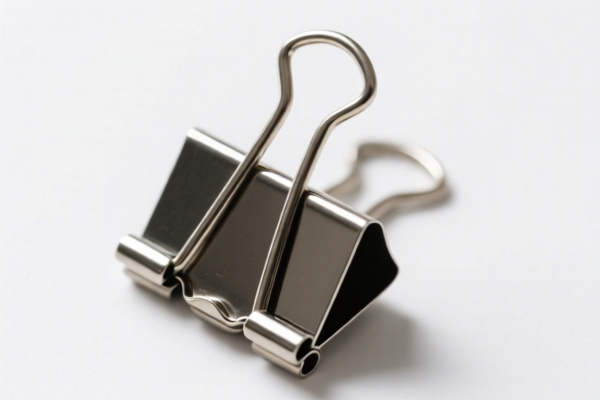
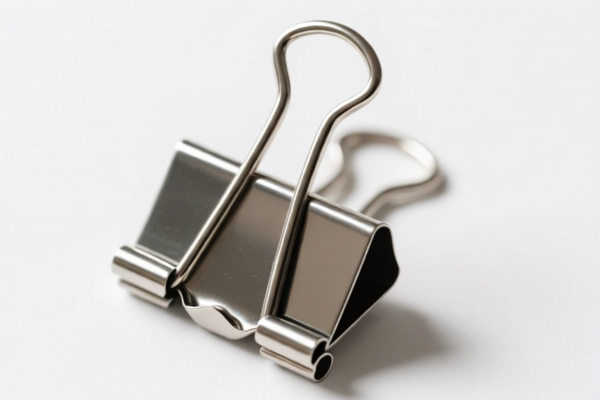
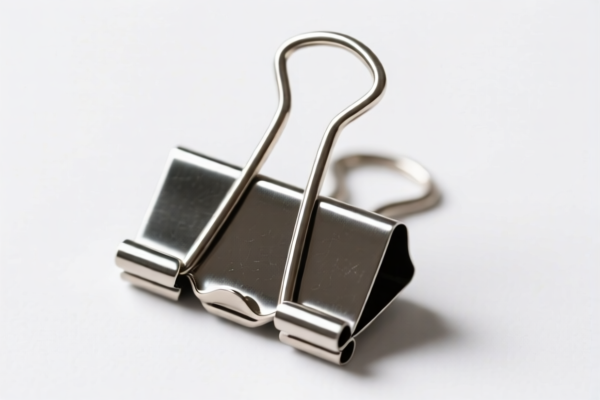
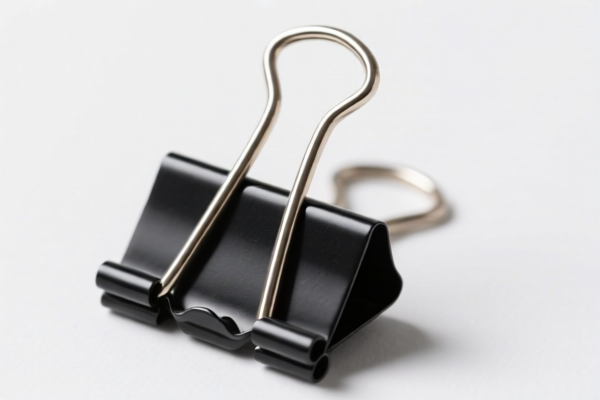
Metal Binder Clip
CN → US| HS编码 | 关税税率 | 原产国 | 目的国 | 文档 |
|---|---|---|---|---|
| 7326190080 | 87.9% | CN | US | 官方文档 |
| 7326200090 | 88.9% | CN | US | 官方文档 |
| 3926100000 | 15.3% | CN | US | 官方文档 |
| 3926908500 | 24.0% | CN | US | 官方文档 |
商品图片
AI分析
🖇️ Metal Binder Clip (Long Tail Clip)
🌐 HS Code Reference & Customs Clearance Guide | 2026 Latest Tariff Analysis | Professional Entry Strategy
📌 I. Product Definition & Classification: Are You Sure What a "Binder Clip" Is?
A Metal Binder Clip (often referred to as a "Long Tail Clip") is a ubiquitous office supply used to bind papers together. In international trade, its classification is not straightforward because it depends heavily on the dominant material (Metal vs. Plastic) and the manufacturing process (Forged/Stamped vs. Other Wire Products).
⚠️ Key Distinction Point:
- If the clip is primarily Steel/Iron wire and fits specific "wire product" definitions → HS 7326
- If the clip is primarily Plastic (or plastic-coated components dominate) → HS 3926
📦 II. HS Code Classification Details (2026 Latest Tariff Authority对照)
| HS Code | Product Description | Applicable Scenario | Material Basis |
|---|---|---|---|
7326.19.00.80 |
Other articles of iron or steel | General steel binder clips, non-forged, non-stamped specific forms | Steel/Iron (Metal inference) |
7326.20.00.90 |
Other articles of wire of iron or steel | Wire-based clips not excluded as belts, hangers, etc. | Iron/Steel Wire |
3926.10.00.00 |
Office or school supplies | Clips made of plastic or containing significant plastic parts | Plastic |
3926.90.85.00 |
Other articles of plastic | Plastic binder clips or composite clips where plastic is key | Plastic |
🔍 Critical Insight:
- Metal clips attract heavy tariffs due to Section 232 (122 Clause) steel/aluminum tariffs + Section 301 tariffs.
- Plastic clips have significantly lower tariff exposure, avoiding the heavy steel-specific surcharges.
- Do not mix declarations: Ensure your commercial invoice matches the dominant material to avoid customs delays.
💰 III. 2026 Latest Tariff Rate Breakdown (Including Surcharges)
✅ Applicable Country: United States (US)
✅ Origin: China (CN)
✅ Effective Date: Current rates apply as of 2026.
🎯 1. 7326.19.00.80 — Other Articles of Iron or Steel
| Item | Content |
|---|---|
| Base Tariff | 2.9% |
| Section 301 Surcharge | +25.0% |
| Section 232 (122 Clause) Steel Tariff | +50.0% (Steel, Aluminum, Copper products) |
| Total Tariff Rate | 87.9% |
| Tax Calculation | CIF Value × 87.9% |
| De Minimis Eligibility | ❌ Not Eligible (High risk of scrutiny) |
| Legal Basis Path | USITC:7326.19.00.80 → Footnote: 232 Steel → Section 301 |
📌 Explanation:
- This classification assumes the clip is made of steel.
- The 50% Section 232 tariff is specifically targeted at steel products.
- Combined with the 25% Section 301 tariff and base rate, the total burden is extremely high (87.9%).
- Cost Impact: For every $1,000 worth of clips, you pay nearly $879 in taxes.
🎯 2. 7326.20.00.90 — Other Articles of Wire of Iron or Steel
| Item | Content |
|---|---|
| Base Tariff | 3.9% |
| Section 301 Surcharge | +25.0% |
| Section 232 (122 Clause) Steel Tariff | +50.0% |
| Total Tariff Rate | 88.9% |
| Tax Calculation | CIF Value × 88.9% |
| De Minimis Eligibility | ❌ Not Eligible |
| Legal Basis Path | USITC:7326.20.00.90 → Footnote: 232 Steel → Section 301 |
📌 Note:
- This code applies if the clip is classified as a wire article rather than a general steel article.
- The tariff structure is almost identical to the previous code, just 1% higher due to the higher base rate.
- Warning: If the clip has plastic handles/coatings, this classification might be challenged if the plastic component is substantial.
🎯 3. 3926.10.00.00 — Office or School Supplies (Plastic)
| Item | Content |
|---|---|
| Base Tariff | 5.3% |
| Section 301 Surcharge | 0.0% (Not applicable to this subheading under current rules) |
| Section 232 Surcharge | 0.0% (Plastic, not Steel/Aluminum) |
| Total Tariff Rate | 15.3% |
| Tax Calculation | CIF Value × 15.3% |
| De Minimis Eligibility | ⚠️ Check Specifics (Generally lower risk, but verify de minimis status) |
| Legal Basis Path | USITC:3926.10.00.00 |
📌 Explanation:
- If the binder clip is made of plastic (or plastic parts are dominant), the tariff drops dramatically from ~88% to 15.3%.
- No Section 232 tariff applies because plastic is not steel or aluminum.
- No Section 301 tariff applies to this specific plastic office supply code in this dataset.
- Cost Impact: For every $1,000 worth of plastic clips, you pay only $153 in taxes.
🎯 4. 3926.90.85.00 — Other Articles of Plastic
| Item | Content |
|---|---|
| Base Tariff | 6.5% |
| Section 301 Surcharge | +7.5% |
| Section 232 Surcharge | 0.0% |
| Total Tariff Rate | 24.0% |
| Tax Calculation | CIF Value × 24.0% |
| De Minimis Eligibility | ⚠️ Check Specifics |
| Legal Basis Path | USITC:3926.90.85.00 |
📌 Note:
- This applies to plastic binder clips that do not fit the "office supplies" specific description but are still plastic articles.
- The rate is 24%, which is still significantly lower than the 88% for steel.
- Advantage: Avoids the punitive steel tariffs entirely.
🛠️ IV. Customs Clearance Practical Advice (Field Pitfall Avoidance Guide)
✅ 1. Preparation Checklist (Essential Documents)
| Document | Mandatory? | Description |
|---|---|---|
| ✅ Product Specification Sheet | ✔️ | Must clearly state Material Composition (e.g., "Steel Wire with Plastic Coating") |
| ✅ Photos (Clear) | ✔️ | Show the clip alone and in use. Highlight material textures. |
| ✅ Commercial Invoice | ✔️ | Describe accurately: "Plastic Binder Clips, Office Supplies" or "Steel Wire Binder Clips" |
| ✅ Bill of Lading | ✔️ | Ensure weight and dimensions match the invoice. |
| ✅ Certificate of Origin (CO) | ✔️ | If claiming any preferential rates (though unlikely for US-China here). |
✅ 2. Declaration Strategy (Key Mantra)
🔥 "Material Matters: Steel is Heavy Tax, Plastic is Light Tax!"
| Scenario | Correct Declaration | Consequence of Error |
|---|---|---|
| All-Steel Clip | HS 7326.19.00.80 or 7326.20.00.90 |
If misdeclared as Plastic → Fraud Risk + Back Taxes |
| Plastic-Coated Steel | Analyze Dominant Material. If Plastic is key, try 3926 |
If forced to 7326, expect 88% Tax |
| All-Plastic Clip | HS 3926.10.00.00 |
If misdeclared as Steel → Unjustified 88% Tax |
| Mixed Material | Consult Customs Broker | Misclassification leads to Audit & Penalties |
✅ 3. Special Situations
| Situation | Handling Advice |
|---|---|
| Steel Clip with Plastic Handle | If the plastic is just a thin coating, customs may still classify as Steel (7326). To get 3926, the plastic must be a significant component. |
| Bulk vs. Retail | Bulk industrial clips vs. small office packs may have different entry strategies, but HS code depends on material. |
| Section 232 Exemptions | Check if your specific steel product is exempt from the 50% steel tariff (rare for simple clips, but worth verifying). |
🌍 V. Global Market Comparison (2026 Update)
| Country/Region | Recommended HS Code | Tariff Rate (China Origin) | Key Certification | Notes |
|---|---|---|---|---|
| 🇺🇸 USA | 7326 (Steel) |
87.9% - 88.9% | None specific | Highest Tariff due to Steel/Aluminum duties. |
| 🇺🇸 USA | 3926 (Plastic) |
15.3% - 24.0% | None specific | Cost-Saving Alternative |
| 🇪🇺 EU | 8305.10.00 (Metal) |
~2.7% + VAT | CE (if applicable) | No Section 232 equivalent. |
| 🇨🇳 China | 8305.10.00 (Metal) |
~5-10% | N/A | Lower global tariffs on metal office supplies. |
📌 Conclusion:
- USA is the most expensive market for metal binder clips due to the 50% Section 232 steel tariff + 25% Section 301 tariff.
- Plastic binder clips are the strategic alternative to reduce costs from ~88% to ~15-24%.
📌 VI. Common Mistakes & Pitfalls (Lessons from Experience)
❌ Mistake 1: Declaring steel clips as "Office Supplies" without specifying material.
👉 Result: Customs assigns 3926 incorrectly, then audits and applies 88% tariff + penalties.
❌ Mistake 2: Ignoring the 50% Steel Tariff.
👉 Result: Profit margin wiped out. A 10% profit margin becomes a 68% loss.
❌ Mistake 3: Using "Binder Clip" as the only description.
👉 Result: Customs may classify based on their own material assessment (likely steel), leading to unpredictable high taxes.
✅ Correct Approach:
"Plastic Binder Clips, Office Use, Non-Metal" → HS
3926.10.00.00
"Steel Wire Binder Clip, Stamped, Office Use" → HS7326.19.00.80
🎯 VII. Conclusion: Precision Saves Money!
🎯 Key Takeaway:
🔹 "Steel Clips = 88% Tax. Plastic Clips = 15% Tax."
🔹 "Check Material First, Declare Second, Save Third!"
📌 Pro Tip:
If your product is steel, consider if plastic alternatives meet customer needs.
If you must import steel, ensure your Incoterms account for the 88% tariff.
Always request a Binding Tariff Information (BTI) or Customs Ruling if the material composition is borderline (e.g., steel core with heavy plastic coating).
📣 Immediate Action:
📞 Consult your customs broker to confirm the dominant material classification.
🚀 Optimize your product line towards plastic if shipping to the US to cut costs by 70%.
✨ Professional Clearance, Starting from Accurate Classification!
💼 Every Dollar Saved in Tariffs is Pure Profit!
用户评价
关于 HS 编码归类
协调制度(HS)是由世界海关组织(WCO)制定的国际贸易商品分类标准。全球 200 多个国家采用 HS 系统作为海关关税、贸易统计和进出口监管的基础。
每个 HS 编码遵循以下层级结构:
- 章(2 位)——商品大类(例如:第 84 章:机器和机械设备)
- 品目(4 位)——章内的更具体分类
- 子目(6 位)——国际通用细分,所有 WCO 成员国统一使用
- 本国细分(8-10 位)——各国自行扩展的细分编码,如美国 HTSUS 10 位编码
正确的 HS 编码归类对于顺利通关、准确缴纳关税和遵守贸易法规至关重要。错误归类可能导致海关延误、多缴关税或罚款。
从CN进口到US时,适用的关税税率可能包括:
- 最惠国(MFN)税率——适用于 WTO 成员国的标准关税税率
- 普通税率——适用于无贸易协定国家
- 贸易救济关税——附加关税,如 301 条款(反倾销)、232 条款(国家安全)或反补贴税
本页内容仅供参考。如需正式归类,请咨询当地海关或持牌报关代理。