Metal Passivation Paste
CN → US| HS编码 | 关税税率 | 原产国 | 目的国 | 文档 |
|---|---|---|---|---|
| 3809925000 | 41.0% | CN | US | 官方文档 |
| 3810902000 | 35.0% | CN | US | 官方文档 |
| 3809935000 | 41.0% | CN | US | 官方文档 |
| 3810905000 | 40.0% | CN | US | 官方文档 |
| 3824999397 | 40.0% | CN | US | 官方文档 |
商品图片
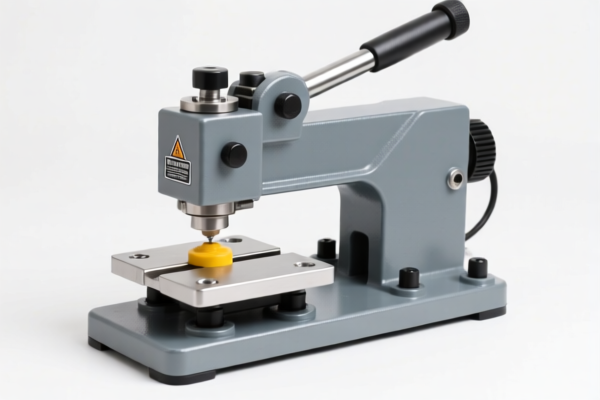
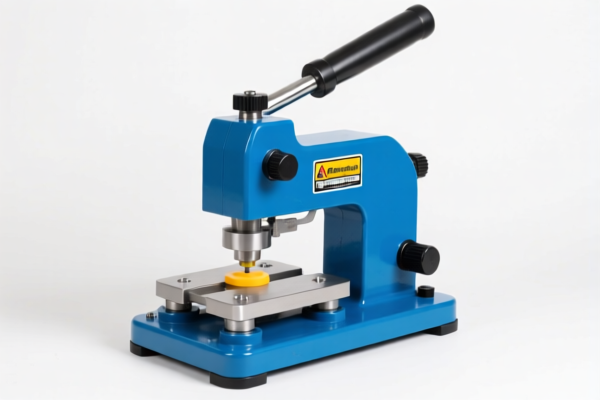
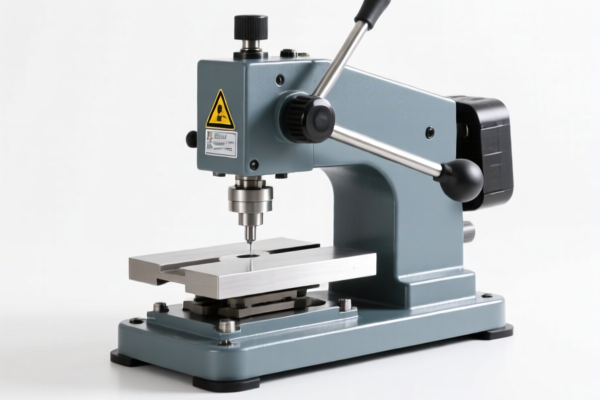
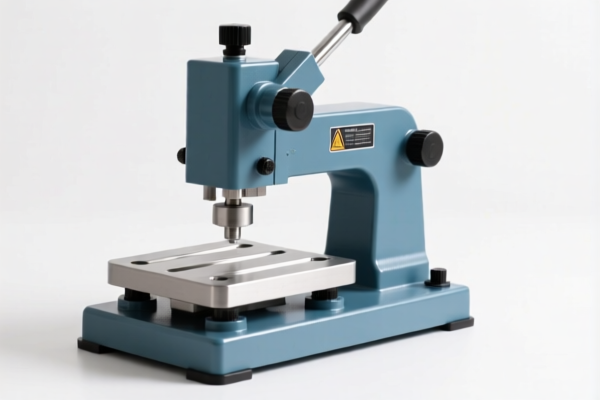
AI分析
🧪 Metal Passivation Paste: The Ultimate Guide to HS Classification & US Customs Clearance (2026)
🌐 HS Code Reference & Customs Clearance Guide | 2026 Latest Tariff Analysis | Professional-Level Strategy
📌 I. Product Definition & Classification: What is "Metal Passivation Paste"?
Metal Passivation Paste is a specialized chemical formulation used in industrial and manufacturing settings to enhance the corrosion resistance of ferrous metals (primarily stainless steel). Unlike liquid passivators, this paste is a viscous,膏状 (paste-like) semi-solid substance.
It works by removing free iron particles from the metal surface and promoting the formation of a stable, protective oxide layer (chromium oxide).
Key Characteristics for Customs Classification: 1. State of Matter: Semi-solid/Paste (Not a simple liquid solution). 2. Primary Function: Surface treatment/Corrosion prevention. 3. Chemical Nature: Often contains inorganic acids (Nitric/Hydrofluoric) or organic chelating agents, plus thickening agents to create the paste texture.
⚠️ Critical Classification Nuance:
- Because it is a paste and not a simple liquid, it often falls under different HS codes depending on its specific chemical composition (organic vs. inorganic) and exact function (cleaning vs. pure passivation).
- US Customs and Border Protection (CBP) scrutinizes these heavily due to the Section 301 (Trade War) and Section 1223/IEEPA tariffs on Chinese chemical products.
📦 II. HS Code Classification Details (2026 Authorized List)
Based on the provided data, here are the 5 valid HS Codes for Metal Passivation Paste, ranked by likelihood and specificity.
| HS Code | Product Description (From Data) | Total Tax Rate | Key Characteristics |
|---|---|---|---|
3809.92.50.00 |
Chemical preparation (paste form) for metal surface treatment. | 41.0% | Generic chemical paste for metal processing. |
3810.90.20.00 |
Metal surface treatment preparation; main ingredients are inorganic salts/minerals. | 35.0% | Lower Tax Option. Specifically for inorganic-based pastes. |
3809.93.50.00 |
Chemical preparation, paste form, fits characteristics of finishing agents/preparations for industrial use. | 41.0% | Industrial finishing agent classification. |
3810.90.50.00 |
Metal surface treatment use, paste state, belongs to metal auxiliary preparations. | 40.0% | General metal auxiliary paste. |
3824.99.93.97 |
Chemical preparation (paste), metal handling chemicals, "other" chemical products/residual category. | 40.0% | Fallback "Catch-all" for complex chemical mixtures. |
🔍 Strategic Note:
-3810.90.20.00(35%) is the most favorable if your product is primarily inorganic (e.g., nitric/hydrofluoric acid based with inorganic thickeners).
-3809.92.50.00(41%) is the safest "generic" classification for any chemical paste used on metals, but carries the highest tax burden.
💰 III. 2026 US Tariff Rate Breakdown (Detailed)
✅ Applicable Country: United States (US)
✅ Origin: China (CN) (Assumed based on typical trade data)
✅ Effective Date: Post-2025 Trade Policy Updates
🎯 1. HS Code 3809.92.50.00 & 3809.93.50.00 (The 41% Bracket)
These codes represent general chemical pastes for metal treatment.
| Component | Rate | Legal Basis / Description |
|---|---|---|
| Basic Tariff | 6.0% | Standard USMF (US Main Text) rate for heading 3809. |
| Section 301 Tariff | 25.0% | Additional duty on Chinese goods under Trade Act of 1974. |
| IEEPA / Section 1223 Tariff | 10.0% | Emergency powers tariff targeting specific Chinese imports. |
| TOTAL EFFECTIVE RATE | 41.0% | High Cost. Must be factored into landed cost immediately. |
| De Minimis Exemption? | ❌ NO | Section 321 (Under $800) does NOT apply to goods subject to Section 301/IEEPA tariffs if they fall under these specific HTSUs. |
📌 Explanation:
- The 6% base is standard for chemical preparations.
- The 25% Section 301 is the major trade war penalty.
- The 10% IEEPA is the additional layer imposed on strategic/chemical goods.
- Total: 41% is levied on the CIF Value (Cost + Insurance + Freight).
🎯 2. HS Code 3810.90.20.00 (The 35% Bracket - Best Case)
This code applies if the paste is primarily inorganic salts (common in acid-based passivation).
| Component | Rate | Legal Basis / Description |
|---|---|---|
| Basic Tariff | 0.0% | Duty-free base rate for certain inorganic metal preparations. |
| Section 301 Tariff | 25.0% | Still applies to Chinese origin. |
| IEEPA / Section 1223 Tariff | 10.0% | Applies to these chemical categories. |
| TOTAL EFFECTIVE RATE | 35.0% | Savings of 6% compared to 3809 codes. |
| De Minimis Exemption? | ❌ NO | Same restriction as above. |
📌 Strategy:
If your formula uses Nitric Acid + Inorganic Thickeners, you have a strong argument for3810.90.20.00. If it uses complex organic polymers as thickeners, CBP may push it to3809(41%).
🎯 3. HS Codes 3810.90.50.00 & 3824.99.93.97 (The 40% Bracket)
These are mid-range classifications.
| Component | Rate | Legal Basis / Description |
|---|---|---|
| Basic Tariff | 5.0% | Standard rate for other chemical preparations. |
| Section 301 Tariff | 25.0% | Standard trade war penalty. |
| IEEPA / Section 1223 Tariff | 10.0% | Standard emergency penalty. |
| TOTAL EFFECTIVE RATE | 40.0% | Mid-tier tax burden. |
🛠️ IV. Customs Clearance Practical Advice (Avoid Pitfalls)
✅ 1. Documentation Checklist (Must-Haves)
| Document | Required? | Critical Details to Include |
|---|---|---|
| Commercial Invoice | ✅ Yes | Must clearly state: "Metal Passivation Paste, Chemical Preparation for Corrosion Prevention." |
| Product Specification Sheet (TDS) | ✅ Yes | Must list Chemical Composition. Crucial for distinguishing between 3810 (Inorganic) and 3809 (General Organic/Inorganic mix). |
| Safety Data Sheet (SDS) | ✅ Yes | CBP uses SDS to verify the "primary purpose" and chemical nature. |
| Certificate of Origin (CO) | ✅ Yes | Required to confirm Chinese origin for Section 301/IEEPA assessment. |
| Packing List | ✅ Yes | Net weight must match declared value basis. |
✅ 2. Declaration Tips (Key Mnemonics)
🔥 "Paste is Not Liquid, Inorganic is Lower Tax, Label Clearly, Avoid Seizure!"
| Scenario | Recommended HS Code | Reasoning |
|---|---|---|
| Acid-Based Paste (Nitric/Hydrofluoric) | 3810.90.20.00 |
Primary component is inorganic acid salt. Lowers tax from 41% to 35%. |
| Organic Polymer-Based Paste | 3809.92.50.00 |
Thickening agents are organic polymers. CBP may classify as general chemical prep. |
| Complex Multi-Use Cleaner/Passivator | 3824.99.93.97 |
If it cleans AND passivates, and doesn't fit strictly in 3810, use the fallback. |
✅ 3. Special Handling: De Minimis (Section 321)
⚠️ WARNING:
Many importers mistakenly believe that packages under $800 (De Minimis) can enter the US duty-free.
THIS IS FALSE FOR THESE HS CODES.
Goods classified under3809,3810, and3824(when originating from China) are explicitly excluded from Section 321 exemptions if they are subject to Section 301 or IEEPA tariffs.
Result: Even a $50 sample kit will incur ~35-41% tax unless properly handled.
✅ 4. Mitigation Strategies
- Pre-Ruling Application:
File a Binding Ruling Request with US CBP 60-90 days before shipment. Submit your TDS and SDS. Ask explicitly: "Does my inorganic-based paste qualify for HTS 3810.90.20.00?" This locks in the 35% rate. - Supply Chain Diversification:
If taxes are prohibitive, consider sourcing from Vietnam, Mexico, or Thailand. Goods from these countries are generally exempt from Section 301 and IEEPA tariffs, reducing the total tax to just the basic rate (0-6%). - Exact Description:
Avoid vague terms like "Chemical Paste." Use: "Metal Surface Treatment Paste, Inorganic Acid Based, for Stainless Steel Passivation."
🌍 V. Global Market Comparison (2026)
| Market | Recommended HS Code | Est. Total Tax (China Origin) | Key Requirement |
|---|---|---|---|
| 🇺🇸 USA | 3810.90.20.00 |
35.0% | SDS + TDS mandatory. No De Minimis. |
| 🇺🇸 USA | 3809.92.50.00 |
41.0% | High risk of CBP dispute if not clearly inorganic. |
| 🇨🇳 China | 3810.90.20.00 |
0% - 5% | Standard import VAT (13%). |
| 🇪🇺 EU | 3810.90.00 |
6.5% | REACH Registration mandatory for chemicals. |
| 🇬🇧 UK | 3810.90.00 |
6.5% | UK REACH Compliance required. |
📌 Conclusion:
The US is the most expensive market due to the layered 35-41% tariff structure. EU and UK rates are significantly lower but come with heavy environmental compliance costs (REACH).
📌 VI. Common Errors & Pitfalls (Lessons Learned)
❌ Error 1: Declaring as "Corrosion Inhibitor" under 3824 when it is a "Surface Treatment" under 3810.
👉 Consequence: CBP may reassess to a higher duty or reject the classification if the function is clearly metal finishing.
❌ Error 2: Claiming De Minimis ($800) exemption for small sample shipments.
👉 Consequence: Seizure and Return. CBP has automated filters for HS codes 38xx from China.
❌ Error 3: Vague Description "Metal Paste."
👉 Consequence: CBP will ask questions (Hold), delaying clearance by weeks.
❌ Error 4: Assuming all passivation is liquid.
👉 Consequence: Using liquid codes (3808.xx) for a paste. CBP will reject based on physical state (paste vs. liquid).
✅ Correct Practice:
"Metal Passivation Paste, Inorganic Acid Based, For Stainless Steel Surface Treatment, Net Weight 1kg, HS 3810.90.20.00"
🎯 VII. Conclusion: Precision Saves Money!
🎯 Remember:
🔹 "Inorganic is King (35%), Organic is Queen (41%)."
🔹 "No De Minimis for Chemicals from China."
🔹 "SDS is Your Best Friend in US Customs."
📌 Pro Tip:
If you are importing large volumes, consider repackaging in a third country (like Malaysia or Singapore) if the substantial transformation rules are met. However, for simple repacking, origin usually remains China, and tariffs still apply. The safest route is HS Code Optimization (Pre-Ruling) or Sourcing from Non-Tariff Countries.
📣 Immediate Action:
📞 Contact your Customs Broker today to submit a Pre-Ruling Request using your Technical Data Sheet.
🚀 Optimize your Landed Cost by selecting the lowest possible HS code (3810.90.20.00) if chemically accurate.
✨ Professional Classification Starts with Accurate Data!
💼 Your Profit Margin Depends on the First 8 Digits of Your HS Code!
用户评价
关于 HS 编码归类
协调制度(HS)是由世界海关组织(WCO)制定的国际贸易商品分类标准。全球 200 多个国家采用 HS 系统作为海关关税、贸易统计和进出口监管的基础。
每个 HS 编码遵循以下层级结构:
- 章(2 位)——商品大类(例如:第 84 章:机器和机械设备)
- 品目(4 位)——章内的更具体分类
- 子目(6 位)——国际通用细分,所有 WCO 成员国统一使用
- 本国细分(8-10 位)——各国自行扩展的细分编码,如美国 HTSUS 10 位编码
正确的 HS 编码归类对于顺利通关、准确缴纳关税和遵守贸易法规至关重要。错误归类可能导致海关延误、多缴关税或罚款。
从CN进口到US时,适用的关税税率可能包括:
- 最惠国(MFN)税率——适用于 WTO 成员国的标准关税税率
- 普通税率——适用于无贸易协定国家
- 贸易救济关税——附加关税,如 301 条款(反倾销)、232 条款(国家安全)或反补贴税
本页内容仅供参考。如需正式归类,请咨询当地海关或持牌报关代理。