Metal Scrap and Offcuts
CN → US| HS编码 | 关税税率 | 原产国 | 目的国 | 文档 |
|---|---|---|---|---|
| 7204410080 | 35.0% | CN | US | 官方文档 |
| 7204490080 | 35.0% | CN | US | 官方文档 |
| 7404006020 | 35.0% | CN | US | 官方文档 |
商品图片
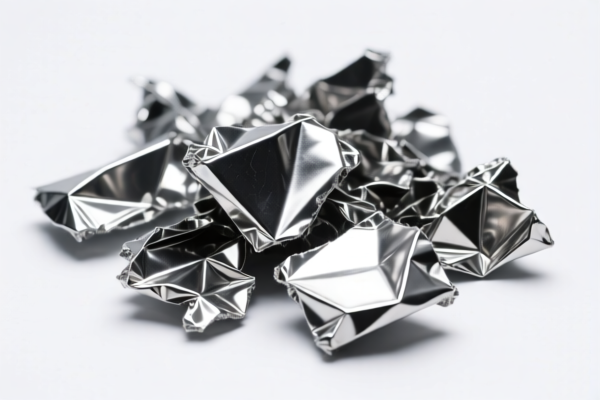
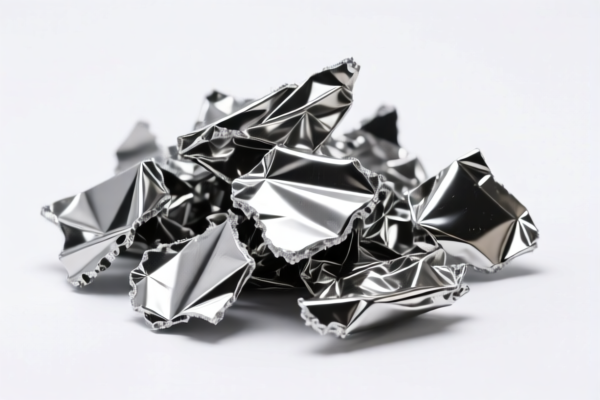
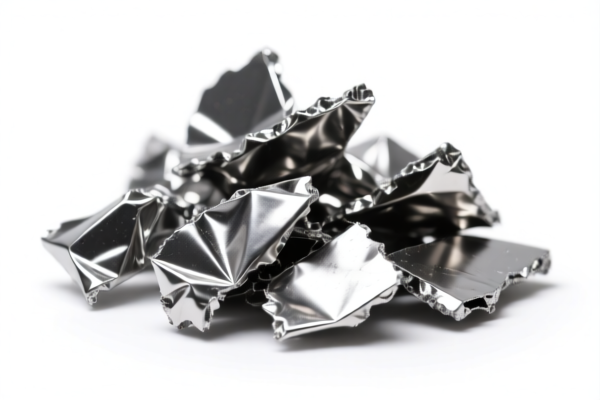

AI分析
🏭 Metal Scrap and Offcuts (Ferrous & Non-Ferrous)
🌐 HS Code Reference & Customs Clearance Guide | 2026 Latest Tariff Analysis | Strategic Compliance for Scrap Metals
📌 I. Product Definition & Classification: What Exactly Is "Metal Scrap"?
Metal scrap and offcuts refer to discarded metal materials, industrial residues, and waste generated from manufacturing, construction, or consumption. In international trade, these are strictly categorized by material composition (Ferrous vs. Non-Ferrous) and physical form (Shreds, Ingots, Offcuts, etc.).
For the purposes of this analysis, we focus on the three specific HS Codes provided in the data, which cover: 1. Ferrous Metal Scrap (Black Metal): Iron, steel, and their alloys. 2. Copper Scrap (Non-Ferrous): Copper waste and residues.
⚠️ Critical Distinction:
- "Ferrous" implies magnetic properties (Iron/Steel).
- "Non-Ferrous" implies non-magnetic, often higher value (Copper, Aluminum, etc.).
- "Offcuts" vs. "Scrap": While similar, customs often scrutinize whether items are "useful products" or "waste." If the offcut is ready for immediate re-use in manufacturing, it might escape scrap tariffs, but usually, scrap and offcuts are grouped under waste/h废料 headings.
📦 II. HS Code Classification Matrix (2026 Latest Tariff Authority)
| HS Code | Product Description | Material Type | Form/State | Category |
|---|---|---|---|---|
7204.41.00.80 |
Ferrous Metal Scrap & Offcuts | Ferrous (Iron/Steel) | Waste, Shreds, Offcuts | Other Categories |
7204.49.00.80 |
Ferrous Metal Scrap & Offcuts | Iron/Non-Alloy Steel | Waste & Shreds | Other Categories |
7404.00.60.20 |
Copper Scrap & Offcuts | Copper (Non-Ferrous) | Copper Waste/Residues | Other Categories |
🔍 Key Insight:
- 7204.41 and 7204.49 both fall under Chapter 72 (Iron and Steel). The distinction often lies in the specific processing method or exact alloy composition, but both are heavily targeted by tariffs.
- 7404.00 falls under Chapter 74 (Copper). Copper scrap is a high-value commodity, making tariff accuracy critical.
💰 III. 2026 Latest Tariff Rate Breakdown (USA Market Focus)
✅ Applicable Market: United States (US)
✅ Country of Origin: China (CN)
✅ Effective Date: Current rates apply (Includes Section 301 & IEEPA surcharges)
🎯 1. 7204.41.00.80 — Ferrous Metal Scrap (Black Metal)
| Item | Detail |
|---|---|
| Base Duty Rate | 0.0% (Standard MFN rate for scrap) |
| Section 301 Surcharge | +25.0% (Trade Policy Footnote 9903.88.01) |
| IEEPA 122 Clause Surcharge | +10.0% (Executive Order on China Trade) |
| Total Effective Tariff | 35.0% |
| Tax Calculation | CIF Value × 35% |
| De Minimis Exemption? | ❌ NO (Deny_de_minimis) |
| Legal Basis Path | USITC:7204.41.00.80 → Footnote:9903.88.01 (+25%) + IEEPA:9903.01.25 (+10%) |
📌 Explanation:
- Although the base tariff for iron/steel scrap is often 0%, the aggressive trade war tariffs apply.
- The 25% is a standard Section 301 tariff on many Chinese steel products.
- The 10% is a specific "122 Clause" tariff targeting Chinese metal imports under IEEPA.
- Combined Cost: You pay 35 cents for every dollar of CIF value.
🎯 2. 7204.49.00.80 — Ferrous Metal Scrap (Iron/Non-Alloy Steel)
| Item | Detail |
|---|---|
| Base Duty Rate | 0.0% |
| Section 301 Surcharge | +25.0% |
| IEEPA 122 Clause Surcharge | +10.0% |
| Total Effective Tariff | 35.0% |
| Tax Calculation | CIF Value × 35% |
| De Minimis Exemption? | ❌ NO |
| Legal Basis Path | USITC:7204.49.00.80 → Footnote:9903.88.01 (+25%) + IEEPA:9903.01.24 (+10%) |
📌 Note:
- Almost identical to7204.41. The key is ensuring the material certification proves it is "Iron or Non-Alloy Steel" and not a higher-grade alloy that might have different duty rates (though currently, both face the same brutal 35%).
🎯 3. 7404.00.60.20 — Copper Scrap & Offcuts
| Item | Detail |
|---|---|
| Base Duty Rate | 0.0% |
| Section 301 Surcharge | +25.0% |
| IEEPA 122 Clause Surcharge | +10.0% |
| Total Effective Tariff | 35.0% |
| Tax Calculation | CIF Value × 35% |
| De Minimis Exemption? | ❌ NO |
| Legal Basis Path | USITC:7404.00.60.20 → Footnote:9903.88.01 (+25%) + IEEPA:9903.01.25 (+10%) |
📌 Warning:
- Copper scrap is often more expensive by weight than steel. A 35% tariff on high-value copper can severely erode margins.
- Environmental Compliance: Copper scrap imports also face strict EPA regulations regarding hazardous waste. Ensure the scrap is "pre-consumer" or "post-consumer" but clean and dry to avoid being classified as hazardous waste.
🛠️ IV. Customs Clearance Practical Advice (Anti-Pitfall Guide)
✅ 1. Essential Documentation Checklist
| Document | Required? | Purpose |
|---|---|---|
| ✅ Commercial Invoice | ✔️ | Must state "Metal Scrap" or "Offcuts," not "Raw Materials" |
| ✅ Packing List | ✔️ | Detail net/gross weight, number of bags/bales |
| ✅ Certificate of Origin (CO) | ✔️ | Critical for proving CN origin and applying tariffs |
| ✅ Material Safety Data Sheet (MSDS) | ✔️ | Required for copper/steel to prove non-hazardous status |
| ✅ Photographs | ✔️ | Show condition (shredded, baled, loose) to verify "Scrap" status |
| ✅ Bill of Lading | ✔️ | Must match HS Code description |
✅ 2. Declaration Strategy (Key Rules of Thumb)
🔥 "Declare Waste, Not Product. Verify Material, Check Tariff."
| Scenario | Correct Declaration | Mistake to Avoid |
|---|---|---|
| Steel Stamping Offcuts | 7204.41.00.80 (Ferrous Scrap) |
Declare as "Steel Parts" → Higher duty + Inspection |
| Copper Pipe Cut-offs | 7404.00.60.20 (Copper Scrap) |
Declare as "Copper Pipes" → Wrong HS Code, Penalty |
| Mixed Metal Waste | Separate by Material! | Mixed declaration → Rejection or Higher Duty |
| Clean vs. Dirty Scrap | Specify "Clean" or "Dirty" | Vague description → EPA Detention |
✅ 3. Special Handling for Metal Scrap
| Issue | Recommendation |
|---|---|
| Contamination | Ensure no wood, plastic, or hazardous waste is mixed in. Zero tolerance for contamination. |
| Moisture Content | Tariffs are based on Net Weight. If scrap is wet, you pay for water. Dry it before export! |
| Value Declaration | Scrap prices fluctuate wildly. Use market-based valuation (e.g., LME prices) to avoid under-valuation claims. |
| Environmental Permits | For Copper (7404), ensure you have EPA approval if importing into certain US states. |
🌍 V. Global Market Comparison (2026)
| Country/Region | Recommended HS Code | Tariff Rate (CN Origin) | Notes |
|---|---|---|---|
| 🇺🇸 USA | 7204.41/49 or 7404.00 |
35.0% | High barriers. No De Minimis. |
| 🇨🇳 China | 7204.21 / 7404.00 |
0% - 5% | China imports scrap! Check export bans. |
| 🇪🇺 EU | 7204.29 / 7404.00 |
0% | Strict Waste Shipment Regulation. Hard to export waste. |
| 🇻🇳 Vietnam | 7204.29 |
5% - 10% | Popular transshipment hub, but customs are strict. |
| 🇮🇳 India | 7204.21 |
7.5% | Requires RCMC certificate. |
📌 Conclusion:
- USA is the most expensive market due to the 35% combined tariff.
- EU and China have tight environmental restrictions on scrap imports.
- Transshipment to Vietnam/Mexico is risky; US customs aggressively audits for circumvention.
📌 VI. Common Errors & Pitfalls (Learn from Others' Mistakes)
❌ Error 1: Declaring "Steel Offcuts" as "Steel Parts"
👉 Consequence: HS Code mismatch → 25-35% penalty + Delay.
✅ Fix: Use 7204.41.00.80 for waste/offcuts.
❌ Error 2: Under-declaring Copper Scrap Weight
👉 Consequence: EPA Fine + Customs Seizure.
✅ Fix: Weigh before packing. Include tare weight calculation.
❌ Error 3: Ignoring the "122 Clause"
👉 Consequence: Paying only 25% instead of 35% → Back taxes + Interest.
✅ Fix: Always calculate 25% + 10% = 35% for China-origin metal scrap.
❌ Error 4: Mixing Ferrous and Non-Ferrous in One Container
👉 Consequence: Customs may split the shipment, charge different duties, and delay clearance.
✅ Fix: Separate shipments for Iron/Steel and Copper.
🎯 VII. Conclusion: Smart Importing, Cost Control
🎯 Remember the Golden Rule:
🔹 "Scrap is 35%, Parts are 0% (maybe), but Classification is King!"
🔹 "Clean, Dry, Separated = Fast Customs, Lower Costs."
📌 Pro Tip:
If you are importing large volumes of copper scrap (7404.00.60.20), consider:
1. Pre-clearance: Submit documents to CBP 72 hours in advance.
2. Bonded Warehouses: Store scrap in bonded zones to defer tax until sale.
3. Supplier Audits: Ensure your supplier in China is not mixing hazardous waste.
📣 Immediate Action:
📞 Contact a licensed Customs Broker.
📄 Request a Pre-Ruling (Pre-decision) from CBP if unsure about the "Scrap vs. Product" status.
🚀 Don't let 35% tariffs eat your profit. Classify Correctly!
✨ Professional Clearance Starts with Accurate Classification!
💼 Every Penny Saved on Tariffs is Pure Profit.
用户评价
关于 HS 编码归类
协调制度(HS)是由世界海关组织(WCO)制定的国际贸易商品分类标准。全球 200 多个国家采用 HS 系统作为海关关税、贸易统计和进出口监管的基础。
每个 HS 编码遵循以下层级结构:
- 章(2 位)——商品大类(例如:第 84 章:机器和机械设备)
- 品目(4 位)——章内的更具体分类
- 子目(6 位)——国际通用细分,所有 WCO 成员国统一使用
- 本国细分(8-10 位)——各国自行扩展的细分编码,如美国 HTSUS 10 位编码
正确的 HS 编码归类对于顺利通关、准确缴纳关税和遵守贸易法规至关重要。错误归类可能导致海关延误、多缴关税或罚款。
从CN进口到US时,适用的关税税率可能包括:
- 最惠国(MFN)税率——适用于 WTO 成员国的标准关税税率
- 普通税率——适用于无贸易协定国家
- 贸易救济关税——附加关税,如 301 条款(反倾销)、232 条款(国家安全)或反补贴税
本页内容仅供参考。如需正式归类,请咨询当地海关或持牌报关代理。