Metal Yarn
CN → US| HS编码 | 关税税率 | 原产国 | 目的国 | 文档 |
|---|---|---|---|---|
| 5606000010 | 43.0% | CN | US | 官方文档 |
| 5606000090 | 43.0% | CN | US | 官方文档 |
| 5605001000 | 42.5% | CN | US | 官方文档 |
| 5605009000 | 48.2% | CN | US | 官方文档 |
| 5809000000 | 49.9% | CN | US | 官方文档 |
商品图片
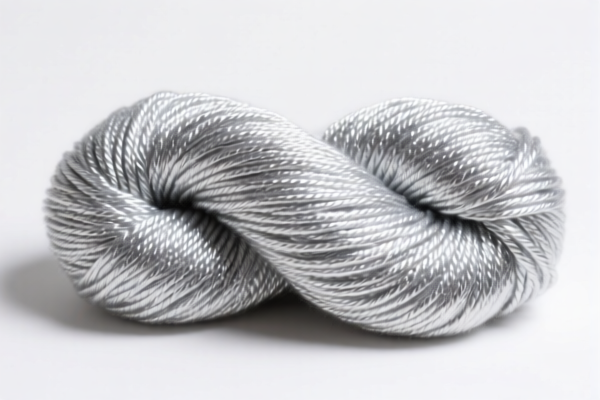
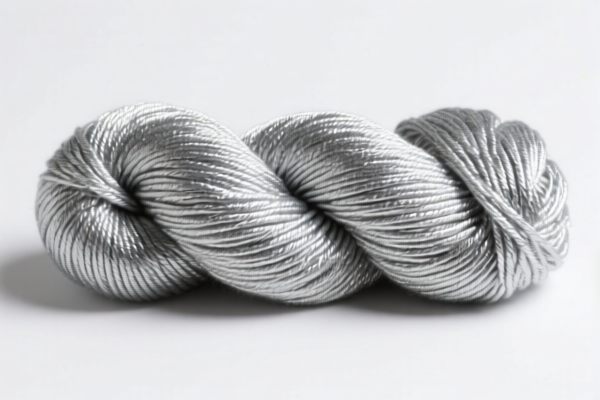
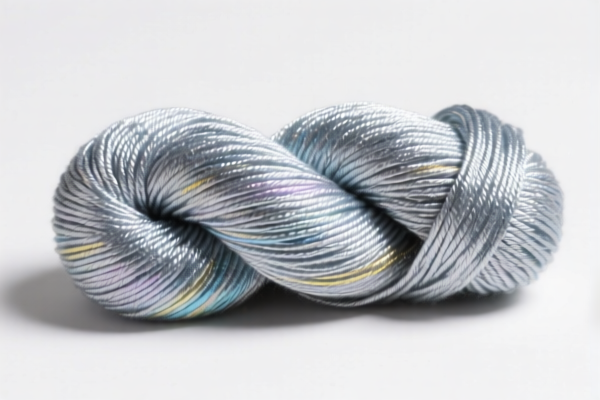
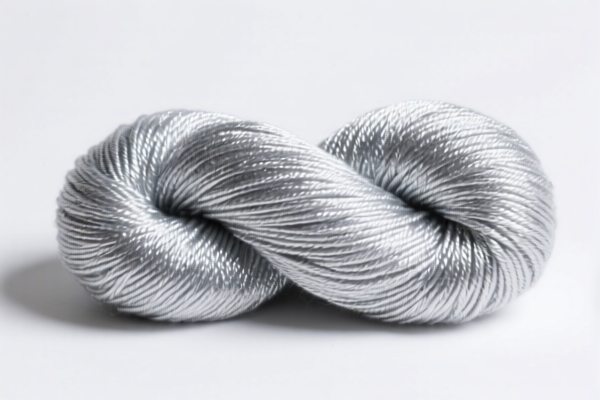
AI分析
🧵 Metal Yarn & Textile Strips with Metal (The "Shimmer" Collection)
🌐 HS Code Reference & Customs Clearance Guide | 2026 Latest Tariff Analysis | Professional-Level Clearance Strategy
📌 Part 1: Product Definition & Classification: What Exactly is "Metal Yarn"?
Metal yarns are not just "metal wire." In international trade, they are defined as textile yarns, strips, or similar forms (typically from Chapter 54 or 5405) that have been combined with metal. This combination can take the form of metal threads, metal strips, or metal powder coating the textile base.
Key Distinctions: 1. Metalized Textile Yarns (Heading 5605): Textile substrates (like polyester or nylon filaments) coated with metal or laminated with metal foil. 2. Gimped Yarns (Heading 5606): Textile yarns that have been gimped (twisted/braided) with metal strips or other materials, specifically excluding those already covered under 5605. 3. Woven Fabrics of Metal Thread (Heading 5809): Finished fabrics made from these yarns, used for apparel or furnishing.
⚠️ Critical Classification Point:
- If the product is a textile strip/yarn combined with metal → Chapter 56
- If the product is a finished woven fabric made from metal threads → Chapter 58
- The twist level and gimping status significantly affect the sub-heading within 5605.
📦 Part 2: HS Code Classification Details (2026 Latest Tariff Authority)
Below are the specific HS Codes derived from your provided data for Metal Yarns and related products.
| HS Code | Product Description | Applicable Scenario | Key Characteristics |
|---|---|---|---|
5605.00.10.00 |
Metalized Yarn: Metal coated or laminated man-made filament/strip, ungimped, untwisted or twist < 5 turns/meter. | Basic metallic thread for embroidery, weaving base, or simple textile applications. | ✅ Ungimped, Low/No Twist |
5605.00.90.00 |
Metalized Yarn: Other metalized yarns (not covered by 5605.00.10). | Gimped metal yarns, high-twist metal threads, or complex composite metallic yarns. | ✅ Gimped or High Twist |
5606.00.00.10 |
Gimped Yarn with Elastomer: Gimped yarns (incl. chenille/loop wale) containing elastomeric filaments (201). | Metallic yarns blended with spandex/elastane for stretch fabrics (e.g., metallic leggings, stretch bands). | ✅ Contains Elastomer |
5606.00.00.90 |
Gimped Yarn: Other gimped yarns (incl. chenille/loop wale), not containing elastomers. | Standard gimped metallic yarns, chenille, or loop wale yarns without stretch properties. | ❌ No Elastomer |
5809.00.00.00 |
Woven Fabrics of Metal Thread: Fabrics of metal thread or metalized yarn (5605), used for apparel, furnishing, or similar purposes. | Finished metallic fabrics for fashion, upholstery, or decorative curtains. | ✅ Finished Fabric |
🔍 Key Reminder:
- 5605 vs. 5606: The primary difference is the method of combination. 5605 is for yarns combined with metal (coated/laminated). 5606 is for yarns that are gimped (braided/twisted) with other materials (including metal strips, but specifically excluding those already in 5605). - 5809: Only applies to the final woven fabric, not the yarn itself. Do not misclassify yarn as fabric.
💰 Part 3: 2026 Tariff Rate Breakdown (Detailed Tax Clauses)
✅ Applicable Country: United States (US)
✅ Origin: Generally Applicable
✅ Current Status: Based on provided data (2026 Reference)
🎯 1. 5605.00.10.00 & 5605.00.90.00 — Metalized Yarns
| Item | Detail |
|---|---|
| Base Tariff | 0.0% |
| Additional Tariff (Section 301 / IEEPA) | 0.0% |
| Total Tax Rate | 0.0% |
| Tax Calculation | CIF Value × 0% = $0 |
| De Minimis Eligibility | ✅ Yes (Generally eligible for $800 de minimis entry if value < $800) |
| Legal Basis | HTSUS 5605.00.10.00 / 5605.00.90.00 |
📌 Explanation:
- According to the provided data, both sub-headings of metalized yarns (5605.00.10.00and5605.00.90.00) currently have a 0.0% total tax rate.
- This means there are no additional Section 301 tariffs or IEEPA surcharges applied to these specific metalized textile yarns in the provided dataset.
- This is a highly favorable classification for importers compared to many other textile or tech categories.
🎯 2. 5606.00.00.10 & 5606.00.00.90 — Gimped Yarns & Chenille
| Item | Detail |
|---|---|
| Base Tariff | 0.0% |
| Additional Tariff | 0.0% |
| Total Tax Rate | 0.0% |
| Tax Calculation | CIF Value × 0% = $0 |
| De Minimis Eligibility | ✅ Yes |
| Legal Basis | HTSUS 5606.00.00.10 / 5606.00.00.90 |
📌 Explanation:
- Elastomeric (201) and Other gimped yarns also carry 0.0% total tax.
- Note:5606.00.00.10specifically requires the yarn to contain elastomeric filaments (like spandex/Lycra) combined with gimping. If it’s just metallic gimping without elastomer, it falls under.90. Both are 0%.
🎯 3. 5809.00.00.00 — Woven Fabrics of Metal Thread
| Item | Detail |
|---|---|
| Base Tariff | 0.0% |
| Additional Tariff | 0.0% |
| Total Tax Rate | 0.0% |
| Tax Calculation | CIF Value × 0% = $0 |
| De Minimis Eligibility | ✅ Yes |
| Legal Basis | HTSUS 5809.00.00.00 |
📌 Explanation:
- Woven fabrics made from these metal threads also enjoy 0.0% total tax.
- Ensure the fabric is not classified under a different heading (e.g., if it has rubber backing, it might move to Chapter 40).
🛠️ Part 4: Customs Clearance Practical Advice (Avoid Pitfalls)
✅ 1. Required Documentation Checklist
| Document | Mandatory? | Notes |
|---|---|---|
| ✅ Commercial Invoice | ✔️ | Must clearly state "Metalized Yarn" or "Woven Fabric of Metal Thread." Avoid vague terms like "Sparkle Thread." |
| ✅ Product Specification | ✔️ | Detail: Base fiber (polyester/nylon), metal type (aluminum/steel), coating method (lamination vs. powder), twist level, and width. |
| ✅ Composition Statement | ✔️ | Clearly state % of textile vs. % of metal. Crucial for proving it falls under Ch. 56/58, not Ch. 71 (Precious Metals) or Ch. 73 (Iron/Steel). |
| ✅ Photos of Product | ✔️ | Show cross-section (if possible) to prove metal is a coating/lamination, not a solid wire. |
| ✅ Binding Ruling (Optional but Recommended) | ✔️ | For large shipments, obtain a US CBP Binding Ruling to lock in the 0% rate. |
✅ 2. Declaration Tips (Key Mantras)
🔥 "Be Specific, Be Accurate: 'Metalized' is Key, 'Woven' is Final."
| Scenario | Correct Declaration | Common Mistake |
|---|---|---|
| Metallic Thread for Sewing | 5605.00.10.00 or .90 |
Misclassifying as "Jewelry" (7113) → High Duty! |
| Metallic Yarn with Spandex | 5606.00.00.10 |
Calling it "Elastic Band" (3926) → Wrong Chapter! |
| Metallic Fabric for Curtains | 5809.00.00.00 |
Classifying as "Textile Curtain" (6303) → Different Rate! |
| Metal Wire (No Textile Base) | Not in this list | Use Chapter 73 or 74 (Metals) → High Duty! |
⚠️ Critical Warning:
- Do NOT classify metal wires or solid metal strips as "Metal Yarn" under 5605. If there is no textile substrate, it is likely under Chapter 73 (Iron/Steel) or 74 (Copper), which may have different duties. - The 0% rate applies because these are textile products with metal elements, not pure metal products.
✅ 3. Special Cases
| Situation | Recommendation |
|---|---|
| OEM Custom Metallic Yarn | Provide design specs to prove it’s not a standard commodity but a custom textile yarn. |
| Mixed Batches (Metal + Non-Metal) | Declare separately if possible. Mixing metalized yarns with natural fibers (e.g., cotton-metal blend) may require careful classification under 5605 vs. 5404/5504. |
| Samples vs. Bulk | Samples under $800 may enter de minimis. Bulk shipments still get 0% but require full entry. |
🌍 Part 5: Global Market Comparison (2026 Reference)
| Region | Recommended HS Code | Tariff Rate | Key Requirement |
|---|---|---|---|
| 🇺🇸 USA | 5605.00.10.00 / .90 |
0.0% | Precise description of "Metalized" |
| 🇪🇺 EU | 5605 / 5606 | ~0-2% | CE marking if applicable for end-use |
| 🇨🇳 China | 5605 / 5606 | ~0-2% | Import license may be required for certain metal types |
| 🇬🇧 UK | 5605 / 5606 | ~0-2% | Post-Brexit rules of origin apply |
📌 Conclusion:
- The USA currently offers a 0.0% duty rate for these specific metalized and gimped yarns, making it a cost-effective destination for textile innovation.
- However, accurate classification is vital. Misclassifying as "Jewelry" or "Metal Wire" could trigger much higher duties and inspections.
📌 Part 6: Common Errors & Pitfalls (Lessons Learned)
❌ Error 1: Calling "Metalized Yarn" a "Jewelry Item"
👉 Consequence: Misclassification under Chapter 71 → Higher Duty + Possible Penalty!
❌ Error 2: Ignoring the "Textile Base"
👉 Consequence: If it’s solid metal, it belongs in Ch. 73/74. Forcing it into 5605 will lead to CBP Rejection.
❌ Error 3: Confusing "Gimped" with "Woven"
👉 Consequence: Declaring yarn as fabric (5809) or vice versa → Customs Hold for Inspection.
❌ Error 4: Omitting "Elastomer" Content
👉 Consequence: If the yarn contains spandex, use .10. If not, use .90. Wrong code → Audit Risk.
✅ Correct Approach:
"Metalized Polyester Yarn, Coated with Aluminum, Untwisted, for Weaving – HS 5605.00.10.00"
"Gimped Metallic Chenille Yarn with Spandex – HS 5606.00.00.10"
🎯 Part 7: Conclusion: Smart Classification Saves Money!
🎯 Remember the Mantra:
🔹 "Textile Base + Metal = 0% Duty (Ch. 56/58)"
🔹 "Solid Metal Wire = Different Chapter (Ch. 73/74)"
🔹 "Yarn vs. Fabric Matters: Don't Mix Them Up!"
📌 Pro Tip:
- For large-volume imports, apply for a US CBP Binding Ruling to secure the 0% rate legally.
- Keep technical data sheets handy to prove the textile nature of the product.
📣 Take Action:
📞 Consult a licensed customs broker.
📄 Prepare precise product descriptions.
🚀 Enjoy 0% Duty on Your Metal Yarn Imports!
✨ Precision in Classification, Profit in Trade!
💼 Your 0% Duty Advantage Starts Here!
用户评价
关于 HS 编码归类
协调制度(HS)是由世界海关组织(WCO)制定的国际贸易商品分类标准。全球 200 多个国家采用 HS 系统作为海关关税、贸易统计和进出口监管的基础。
每个 HS 编码遵循以下层级结构:
- 章(2 位)——商品大类(例如:第 84 章:机器和机械设备)
- 品目(4 位)——章内的更具体分类
- 子目(6 位)——国际通用细分,所有 WCO 成员国统一使用
- 本国细分(8-10 位)——各国自行扩展的细分编码,如美国 HTSUS 10 位编码
正确的 HS 编码归类对于顺利通关、准确缴纳关税和遵守贸易法规至关重要。错误归类可能导致海关延误、多缴关税或罚款。
从CN进口到US时,适用的关税税率可能包括:
- 最惠国(MFN)税率——适用于 WTO 成员国的标准关税税率
- 普通税率——适用于无贸易协定国家
- 贸易救济关税——附加关税,如 301 条款(反倾销)、232 条款(国家安全)或反补贴税
本页内容仅供参考。如需正式归类,请咨询当地海关或持牌报关代理。