Mink Pelts for Clothing
CN → US| HS编码 | 关税税率 | 原产国 | 目的国 | 文档 |
|---|---|---|---|---|
| 4301100010 | 17.5% | CN | US | 官方文档 |
| 4302110020 | 37.1% | CN | US | 官方文档 |
| 4301100020 | 17.5% | CN | US | 官方文档 |
| 4303100030 | 39.0% | CN | US | 官方文档 |
| 4302110010 | 37.1% | CN | US | 官方文档 |
商品图片
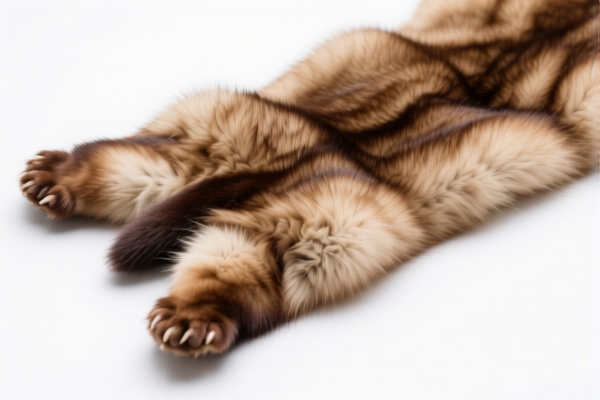
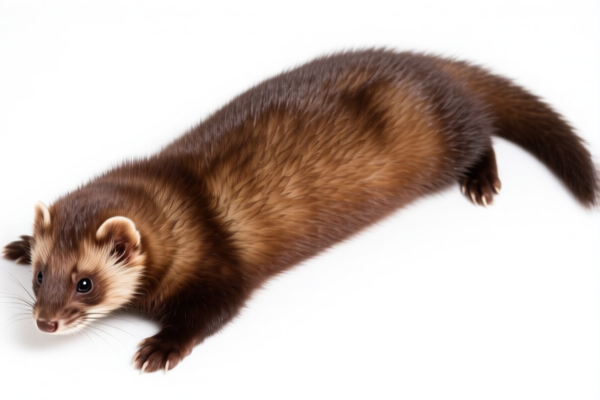
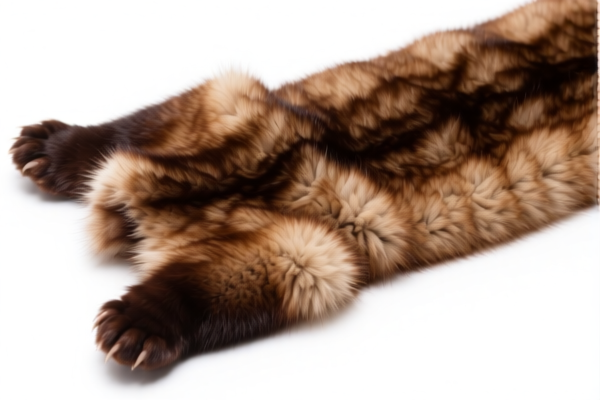
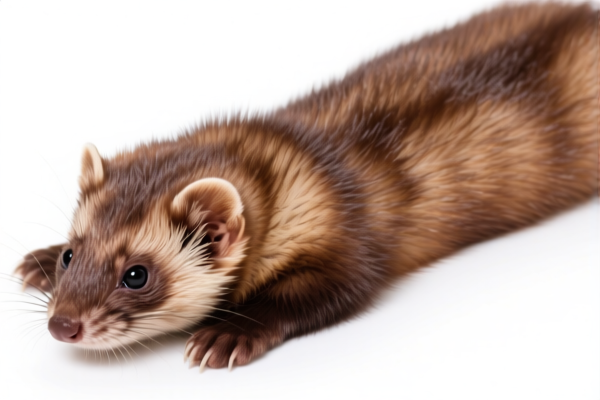
AI分析
🐾 Mink Pelts for Clothing (Apparel Grade)
🌐 HS Code Reference & Customs Clearance Guide | 2026 Latest Tariff Analysis | Professional Clearance Strategy 📌 I. Product Definition & Classification: Do You Really Understand "Mink Pelts"?
Mink pelts for clothing are not a single commodity. In international trade, they are strictly differentiated by physical form (raw skin vs. processed) and application stage (raw material vs. finished garment component). Misclassification here leads to massive tariff discrepancies.
In the provided data, the classification hinges on two critical factors: 1. Material: Mink (Mustela vison). 2. Physical State: * Raw Skins (未加工/半加工): "Original fur" or "Raw skins" (HS 4301). * Processed/Assembled Skins (已加工): "Stripped," "Dressed," or "Ready-to-assemble" skins (HS 4302). * Finished Parts: "Fur skins, prepared" (HS 4303).
⚠️ Key Distinction Point: * If the pelt is in its original physical state (raw, with hair on, but cleaned/tanned simply) → It falls under 4301 (Lower Tax: 17.5%). * If the pelt is processed/dressed/strapped but not yet sewn into a final garment, or is a "prepared fur skin" → It falls under 4302 or 4303 (Higher Tax: 37.1% - 39.0%).
📦 II. HS Code Classification Details (2026 Latest Tariff Authority Comparison)
Based on the provided dataset, here are the specific classifications for Mink Pelts:
| HS Code | Product Description | Physical State / Application | Tax Rate |
|---|---|---|---|
4301.10.00.10 |
Mink Skins, Raw | Raw skins used for clothing. Matches "Mink" material, "Raw Skin" form. Classified as Original Skins. | 17.5% |
4302.11.00.20 |
Mink Skins, Dressed/Assembled | Mink skins for clothing. Material: Mink. Form: Skins/Unassembled. Classified as Other Mink Skins (Processed). | 37.1% |
4301.10.00.20 |
Mink Raw Fur | Mink skins for clothing. Material: Mink. Form: Raw Fur (Original皮毛). Although used for clothing, physical form is raw fur. | 17.5% |
4303.10.00.30 |
Mink Fur Products | Mink fur skins. Material: Mink. Form: Fur Products/Prepared. Matches the core material limitation for "Mink Fur." | 39.0% |
4302.11.00.10 |
Mink Skins, Stripped/Dressed | Mink fur skins. Material: Mink. Form: Fur/Straight Skins. Classified as Processed Fur Skins. | 37.1% |
🔍 Key Reminder: * Raw Skins (4301) are cheaper to import due to lower tariffs (17.5%) but require significant further processing in the destination country. * Processed/Prepared Skins (4302/4303) are ready for assembly or sale as components, but attract significantly higher tariffs (37.1% - 39.0%).
💰 III. 2026 Latest Tariff Rate Details (Including Additional Taxes & Policy Surcharges)
✅ Applicable Country: United States (US) ✅ Origin: China (CN) (Inferred from 122 Clause and USITC references) ✅ Effective Time: Current applicable rates (2025-2026 period)
🎯 1. 4301.10.00.10 & 4301.10.00.20 —— Raw Mink Skins (Raw Fur)
| Item | Content |
|---|---|
| Base Tariff | 0.0% (ad valorem) |
| Section 301 Surcharge | +7.5% |
| Section 122 Surcharge | +10.0% |
| Total Rate | 17.5% |
| Tax Calculation | CIF Value × 17.5% |
| De Minimis Eligibility | ❌ No (Deny De Minimis) |
| Legal Basis | Base Tariff 0% + Section 301 (7.5%) + Section 122 (10%) |
📌 Explanation: * The Base Tariff for raw mink skins is 0%. * The 7.5% Section 301 surcharge applies to many animal products from China. * The 10% Section 122 surcharge is an additional levy on certain goods. * Total 17.5% is the lowest tier for mink pelts. This is the optimal classification if the skins are strictly "raw."
🎯 2. 4302.11.00.10 & 4302.11.00.20 —— Processed Mink Skins (Dressed/Assembled)
| Item | Content |
|---|---|
| Base Tariff | 2.1% (ad valorem) |
| Section 301 Surcharge | +25.0% |
| Section 122 Surcharge | +10.0% |
| Total Rate | 37.1% |
| Tax Calculation | CIF Value × 37.1% |
| De Minimis Eligibility | ❌ No (Deny De Minimis) |
| Legal Basis | Base Tariff 2.1% + Section 301 (25%) + Section 122 (10%) |
📌 Explanation: * The Base Tariff increases to 2.1% for processed/dressed skins. * The Section 301 Surcharge jumps to 25% (standard high tier for many processed goods). * The Section 122 Surcharge remains at 10%. * Total 37.1% is a significant cost increase compared to raw skins.
🎯 3. 4303.10.00.30 —— Prepared Mink Fur Products
| Item | Content |
|---|---|
| Base Tariff | 4.0% (ad valorem) |
| Section 301 Surcharge | +25.0% |
| Section 122 Surcharge | +10.0% |
| Total Rate | 39.0% |
| Tax Calculation | CIF Value × 39.0% |
| De Minimis Eligibility | ❌ No (Deny De Minimis) |
| Legal Basis | Base Tariff 4.0% + Section 301 (25%) + Section 122 (10%) |
📌 Explanation: * This is the highest tariff tier in the provided data. * Base Tariff: 4.0%. * Section 301: 25%. * Section 122: 10%. * Total 39.0%. This applies to "Mink Fur Skins, Prepared" which may include skins that have been fully tanned, dyed, and possibly stitched into large panels (but not final garments).
🛠️ IV. Customs Clearance Practical Advice (Avoiding Pitfalls)
✅ 1. Preparation Checklist (Must-Have Documents)
| Document | Required? | Notes |
|---|---|---|
| ✅ Product Specification Sheet | ✔️ | Must specify: "Raw Skin" vs. "Dressed Skin." Detail tanning method (chrome vs. vegetable). |
| ✅ Physical Description | ✔️ | Clarify state: "With hair on," "Stripped," "Plucked," or "Sewn." |
| ✅ Commercial Invoice | ✔️ | Must match HS Code description exactly (e.g., "Raw Mink Skins" vs. "Dressed Mink Skins"). |
| ✅ Packing List | ✔️ | Number of skins, weight, dimensions. |
| ✅ Origin Certificate | ✔️ | Proof of origin (China) to apply correct 301/122 rates. |
| ✅ USDA/APHIS Permit | ✔️ | Critical. Animal products require phytosanitary/zootsanitary certificates. |
| ✅ Fur Marking Label | ✔️ | Must meet US Fur Products Labeling Act requirements. |
✅ 2. Classification Strategy (Critical Tips)
🔥 "Raw is Low, Processed is High! Describe the Form, Not Just the Use!"
| Scenario | Correct HS Code | Incorrect Classification | Risk |
|---|---|---|---|
| Raw Skins (Cleaned, hair on, not sewn) | 4301.10.00.10 or .20 |
4302.11.00.10 |
Overpaid Tax: 17.5% vs 37.1%. No penalty if corrected early. |
| Dressed Skins (Tanned, ready for cutting) | 4302.11.00.10 or .20 |
4301.10.00.10 |
Underpaid Tax: High risk of audit, back taxes + penalties. |
| Sewn Panels/Fur Products | 4303.10.00.30 |
4302.11.00.10 |
Rate Mismatch: 39.0% vs 37.1%. Small difference but still risky. |
| Finished Garments (Coats, etc.) | NOT in Data | Any of the above | Wrong Chapter: Finished garments fall under HS 4303/61/62, not pelts. Check separate classification. |
📌 Key Advice: * Do NOT declare "Mink for Clothing" broadly. The term "for clothing" is ambiguous. * Declare Physical State: "Raw Mink Skins, Hair-On" or "Dressed Mink Skins, Stripped." * Customs Officers look at PHYSICAL FORM. If you send raw skins but declare them as dressed, you will be caught. If you send dressed skins and declare them as raw, you will be penalized.
✅ 3. Special Cases & Handling
| Case | Handling Advice |
|---|---|
| Mixed Shipments (Raw + Dressed) | Split Shipment. Do not mix HS Codes in one line item. Declare separately. |
| OEM Custom Tanning | Provide "Processing Instructions." If the supplier tans the skins in China, they are "Processed" (Higher Tax). If you tan them domestically, they may qualify as "Raw" (Lower Tax) if shipped in raw state. |
| CITES Compliance | Mink is generally not CITES-listed, but verify species. Some mink varieties may have restrictions. Check Appendix II. |
| De Minimis (Section 321) | ❌ NOT ELIGIBLE. Animal products are exempt from $800 de minimis entry. Full formal entry required. |
🌍 V. Global Market Comparison (2026 Latest)
| Country/Region | Recommended HS Code (Pelts) | Base Tariff | Section 301/122 | Total Rate (US) | Notes |
|---|---|---|---|---|---|
| 🇺🇸 USA | 4301 (Raw) / 4302 (Processed) |
0% / 2.1% | +7.5%/25% + 10% | 17.5% / 37.1% / 39.0% | Highest tariffs due to 301/122. |
| 🇨🇳 China | 4301 / 4302 | Varies | None | Low | Import raw skins for processing. |
| 🇪🇺 EU | 4301 / 4302 | 3.2% / 4% | None | ~4-5% | No US-style punitive tariffs. |
| 🇯🇵 Japan | 4301 / 4302 | 3.5% / 4.5% | None | ~5% | Stable, low tariffs. |
📌 Conclusion: * USA is the most expensive market for mink pelts due to Section 301 and 122. * Strategy: If possible, import Raw Skins (HS 4301) to the US, and perform tanning/dressing domestically to save ~20% in tariffs. This is a common supply chain optimization strategy.
📌 VI. Common Mistakes & Pitfalls (Lessons Learned)
❌ Mistake 1: Declaring "Mink Pelts" without specifying "Raw" or "Dressed." 👉 Consequence: Customs will default to the higher rate or request additional info, causing delays.
❌ Mistake 2: Importing "Finished Mink Coats" under HS 4301/4302. 👉 Consequence: Severe Misclassification. Finished garments have different HS Codes (e.g., 4303.30). Penalties and re-inspection.
❌ Mistake 3: Ignoring Section 122 (10%) in cost calculation. 👉 Consequence: Underestimating landed cost by 10%. Profit margin erosion.
❌ Mistake 4: Assuming De Minimis ($800) applies. 👉 Consequence: Customs will reject the package or demand formal entry + fees. Animal products are excluded.
✅ Correct Approach:
"Raw Mink Skins, Hair-On, Untanned, for Domestic Tanning" OR "Dressed Mink Skins, Chrome-Tanned, Stripped, for Apparel Assembly"
🎯 VII. Conclusion: Professional Declaration, Cost Saving!
🎯 Remember the Mantra:
🔹 "Raw is 17.5%, Processed is 37.1%! Physical Form Dictates Tax!" 🔹 "Don't Guess the HS Code! Specify 'Raw' vs 'Dressed'!" 🔹 "Section 301 + 122 = High Tariff! Plan Supply Chain Early!"
📌 Pro Tip: If your mink pelts are originating from non-China countries (e.g., Denmark, Sweden), the Section 301/122 surcharges DO NOT APPLY. Tariffs will be much lower (Base Rate only). Recommendation: Source pelts from non-China countries if possible to avoid the 25%+10% surcharges, bringing the total rate down to ~3-4%.
📣 Immediate Action:
📞 Consult a Licensed Customs Broker 📸 Provide High-Resolution Photos of Skins (Raw vs. Dressed) 📄 Request an Advance Ruling from US Customs (CBP) for complex shipments.
✨ Professional Customs Clearance Starts with Accurate Classification! 💼 Every Dollar of Tax Saved is Pure Profit!
用户评价
关于 HS 编码归类
协调制度(HS)是由世界海关组织(WCO)制定的国际贸易商品分类标准。全球 200 多个国家采用 HS 系统作为海关关税、贸易统计和进出口监管的基础。
每个 HS 编码遵循以下层级结构:
- 章(2 位)——商品大类(例如:第 84 章:机器和机械设备)
- 品目(4 位)——章内的更具体分类
- 子目(6 位)——国际通用细分,所有 WCO 成员国统一使用
- 本国细分(8-10 位)——各国自行扩展的细分编码,如美国 HTSUS 10 位编码
正确的 HS 编码归类对于顺利通关、准确缴纳关税和遵守贸易法规至关重要。错误归类可能导致海关延误、多缴关税或罚款。
从CN进口到US时,适用的关税税率可能包括:
- 最惠国(MFN)税率——适用于 WTO 成员国的标准关税税率
- 普通税率——适用于无贸易协定国家
- 贸易救济关税——附加关税,如 301 条款(反倾销)、232 条款(国家安全)或反补贴税
本页内容仅供参考。如需正式归类,请咨询当地海关或持牌报关代理。