Mixed Alkyl Naphthalene Paper Chemicals
CN → US| HS编码 | 关税税率 | 原产国 | 目的国 | 文档 |
|---|---|---|---|---|
| 2902902000 | 35.0% | CN | US | 官方文档 |
| 2902903050 | 35.0% | CN | US | 官方文档 |
| 3809921000 | 41.5% | CN | US | 官方文档 |
| 3824992100 | 35.0% | CN | US | 官方文档 |
| 3809925000 | 41.0% | CN | US | 官方文档 |
商品图片
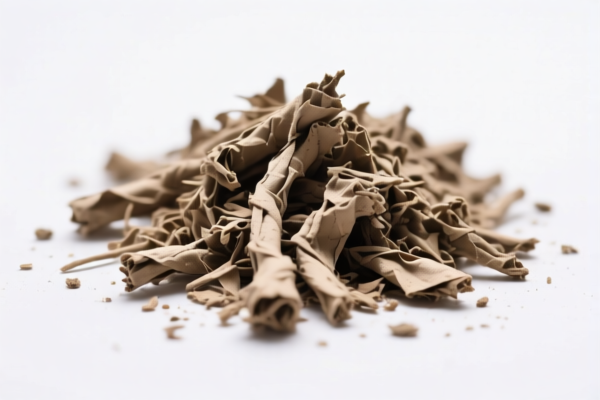
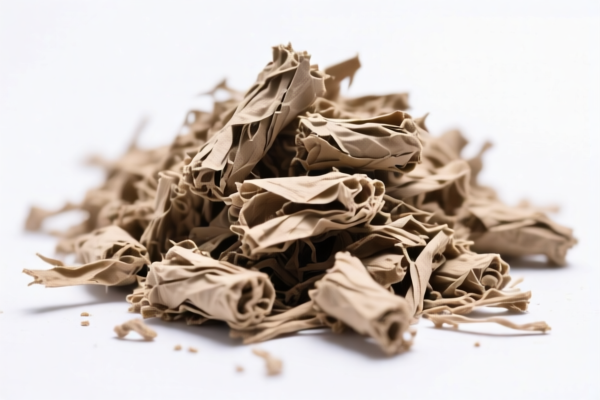
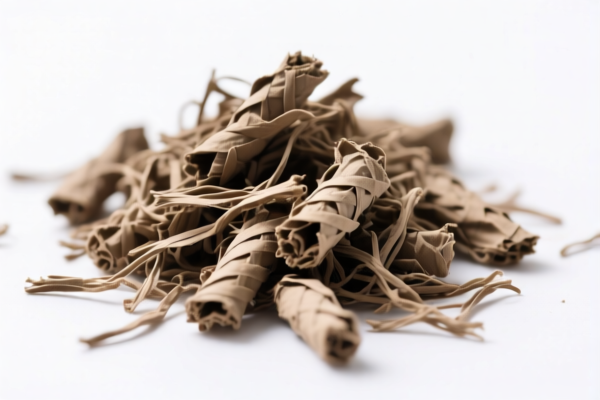
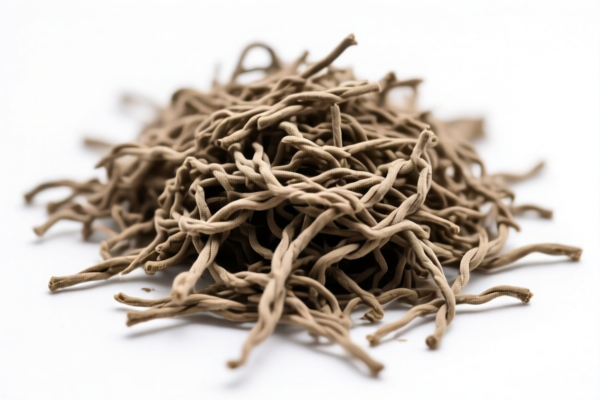
AI分析
🧪 Mixed Alkyl Naphthalene Paper Chemicals (Mixed Alkyl Naphthalene for Paper Industry)
🌐 HS Code Reference & Clearance Guide | 2026 Latest Tariff Analysis | Professional Customs Strategy
📌 I. Product Definition & Classification: What Exactly is "Mixed Alkyl Naphthalene"?
Mixed Alkyl Naphthalene (MAN) is a complex mixture of alkylated naphthalene derivatives. In international trade, it serves primarily as an industrial intermediate or specialty chemical. Its classification depends heavily on purity, molecular structure, and specific industrial application.
In the context of "Paper Chemicals," this product is classified not merely as a raw chemical material, but as a specialized preparation used in the paper manufacturing process (e.g., as a wet-strength agent, dispersant, or sizing auxiliary).
⚠️ Key Classification Distinction:
- If declared simply as a raw organic chemical intermediate without specifying its final use as a paper aid → It falls under Chapter 29 (Organic Chemicals).
- If declared specifically as a preparation for the paper industry (often containing aromatic substances >5% or formulated as an industrial制剂) → It falls under Chapter 38 (Miscellaneous Chemical Products).
- Crucial Note: The provided data indicates multiple potential HS codes based on slight variations in chemical definition and regulatory interpretation. We must analyze each valid code from the dataset.
📦 II. HS Code Classification Details (2026 Latest Tariff Data from Provided Source)
Based on the <DATA> provided, there are 5 distinct HS Code options for Mixed Alkyl Naphthalene Paper Chemicals. Below is the detailed breakdown for each.
| HS Code | Product Description | Logic for Classification | Application Scenario |
|---|---|---|---|
2902.90.20.00 |
Alkyl Naphthalene (Raw Chemical) | Classified under Naphthalene Derivatives. It fits the material characteristics of Methyl Naphthalene (alkylated aromatic hydrocarbon). | Raw chemical material; basic organic intermediate before formulation. |
2902.90.30.50 |
Alkyl Naphthalene (Cyclic Hydrocarbon) | Classified under Cyclic Hydrocarbons. No material conflict with organic chemical category. | Generic organic cyclic hydrocarbon; broad chemical raw material. |
3809.92.10.00 |
Paper Industry Preparation (Aromatic >5%) | Classified under Preparations for the Paper Industry. Contains 5% or more aromatic substances. | Formulated chemical aid for paper processing; specific industrial制剂. |
3824.99.21.00 |
Paper Chemicals (General Chemical Preparation) | Classified under Miscellaneous Chemical Products (Head 38). Falls into the "Catch-all" category for chemical industrial preparations. | General paper chemical additive; non-specific aromatic compound preparation. |
3809.92.50.00 |
Paper Industry Other Products/Preparations | Classified under Other Products and Preparations for the Paper Industry. Explicitly states "Paper Use" in product name. | Specific paper-making auxiliary agent; organic chemical formulation. |
🔍 Key Takeaway:
- Chapter 29 (2902.xxxx): Treats it as a pure chemical substance (Raw Material).
- Chapter 38 (3809.92or3824.99): Treats it as a formulated chemical product for a specific industry (Paper).
- Tax Implication: Chapter 38 codes generally have higher base tariffs due to their processed nature.
💰 III. 2026 Latest Tariff Rate Breakdown (Including Surtaxes & Policy Add-ons)
✅ Applicable Country: United States (US)
✅ Origin: China (CN) (Implied by "122 Section" and typical US-China trade context in such datasets)
✅ Effective Time: Current rates apply as per dataset (Base + 25% + 10%).
🎯 1. 2902.90.20.00 & 2902.90.30.50 —— Raw Alkyl Naphthalene (Organic Chemicals)
| Item | Content |
|---|---|
| Base Tariff | 0.0% |
| USITC Additional Tariff (Section 301) | +25.0% |
| IEEPA Additional Tariff (Section 122) | +10.0% |
| Total Effective Tariff | 35.0% |
| Tax Calculation | CIF Value × 35% |
| De Minimis Exemption | ❌ Not Applicable (High tariff threshold) |
| Legal Basis Path | USITC:2902.90.20.00 → Footnote 301 + IEEPA:122 |
📌 Explanation:
- These codes are classified as basic organic chemicals.
- While the base tariff is 0%, the 35% total burden (25% + 10%) is significant.
- Risk: Misclassifying a formulated paper chemical as a raw chemical (2902) to get 0% base tariff is high risk if the product is clearly a "preparation" with additives or specific industrial purpose.
🎯 2. 3809.92.10.00 & 3809.92.50.00 —— Paper Industry Preparations (Aromatic/Specific Use)
| Item | Content |
|---|---|
| Base Tariff | 6.0% - 6.5% |
| USITC Additional Tariff (Section 301) | +25.0% |
| IEEPA Additional Tariff (Section 122) | +10.0% |
| Total Effective Tariff | 41.0% - 41.5% |
| Tax Calculation | CIF Value × ~41.25% |
| De Minimis Exemption | ❌ Not Applicable |
| Legal Basis Path | USITC:3809.92.xx → Footnote 301 + IEEPA:122 |
📌 Explanation:
- These codes recognize the industrial application (Paper).
- The base tariff is higher (6-6.5%) because it is a processed preparation.
- Total tax is ~41.5%, which is 6.5% higher than the raw chemical codes.
- Compliance Note: You must prove the "Paper Industry" use and "Aromatic >5%" content to justify this classification.
🎯 3. 3824.99.21.00 —— General Chemical Preparations (Catch-all)
| Item | Content |
|---|---|
| Base Tariff | 0.0% |
| USITC Additional Tariff (Section 301) | +25.0% |
| IEEPA Additional Tariff (Section 122) | +10.0% |
| Total Effective Tariff | 35.0% |
| Tax Calculation | CIF Value × 35% |
| De Minimis Exemption | ❌ Not Applicable |
| Legal Basis Path | USITC:3824.99.21.00 → Footnote 301 + IEEPA:122 |
📌 Explanation:
- This is a "Catch-all" category for chemical preparations not specified elsewhere.
- Advantage: Despite being in Chapter 38, the base tariff is 0%, making the total 35%, same as raw chemicals.
- Risk: Customs may challenge this if a more specific code (3809.92) exists. It is considered a "fallback" classification.
🛠️ IV. Customs Clearance Practical Advice (Actionable Tips)
✅ 1. Documentation Checklist (Essential for Avoiding Delays)
| Document | Required? | Purpose |
|---|---|---|
| ✅ Technical Data Sheet (TDS) | ✔️ | Must specify: Alkyl Naphthalene content, Aromatic %, Molecular weight distribution, and Specific Paper Industry Application (e.g., sizing, dispersing). |
| ✅ Certificate of Origin (CO) | ✔️ | To determine country of origin for surtaxes. |
| ✅ Commercial Invoice | ✔️ | Must clearly state: "Mixed Alkyl Naphthalene - Paper Chemical Additive". Avoid vague terms like "Chemical Stuff." |
| ✅ Safety Data Sheet (SDS) | ✔️ | Required for hazardous material classification (if applicable). |
| ✅ Formulation Statement | ✔️ | If claiming 3809.92 or 3824, provide proof of formulation (e.g., "Contains >5% aromatic substances"). |
| ✅ Pre-Customs Ruling (Optional but Recommended) | ✔️ | Secure an official HS Code determination to avoid post-entry audits. |
✅ 2. Classification Strategy & Risk Mitigation
| Scenario | Recommended HS Code | Reasoning | Risk Level |
|---|---|---|---|
| High Purity Raw Material (No additives, simple mixture) | 2902.90.20.00 or 2902.90.30.50 |
Fits "Organic Chemical" definition. Lower base tariff (0%). | 🟡 Medium (If proven to be a preparation, risk of reclassification to 35.0% vs 41.5% is low, but penalty risk exists). |
| Formulated Paper Aid (Contains additives, specific paper use) | 3809.92.10.00 or 3809.92.50.00 |
Most accurate for "Paper Chemicals." Higher base tariff but legally defensible. | 🟢 Low (Compliant with "Specific Use" classification). |
| General Chemical Mixture (Unclear specific paper function) | 3824.99.21.00 |
Catch-all. Lower total tax (35%) than specific paper codes. | 🟠 High (Customs may argue for 3809 if paper use is evident). |
🔥 Golden Rule:
"If it says 'Paper Chemical', declare it as 'Paper Chemical' (Chapter 38). If you declare it as 'Raw Chemical' (Chapter 29) but it's a formulated preparation, you risk penalties for misclassification."
✅ 3. Special Considerations for "122 Section" Surtax
- The 10% IEEPA surtax applies to all these codes.
- This is in addition to the 25% Section 301 tariff.
- Total Tax Burden: Minimum 35%, Maximum 41.5%.
- Cash Flow Impact: Ensure your pricing model includes at least 42% buffer for customs duties to avoid margin erosion.
🌍 V. Global Market Comparison (Contextual)
| Market | Typical HS Code for Alkyl Naphthalene | Est. Duty Rate (China Origin) | Notes |
|---|---|---|---|
| 🇺🇸 USA | 2902.90.20.00 or 3809.92.10.00 |
35% - 41.5% | High due to Section 301 + 122. |
| 🇨🇳 China (Import) | 2902.90.20.00 |
~2-6% | Low duty for raw materials. |
| 🇪🇺 EU | 2902.90.30 or 3824.99 |
~6.5% | No 25% surtax, but VAT applies. |
| 🇬🇧 UK | 2902.90.30 |
~6.5% | Post-Brexit tariffs similar to EU. |
📌 Conclusion:
- USA is the most expensive market due to layered surtaxes.
- EU/UK offer more competitive rates for chemical imports, making them better destinations for re-export or value-added processing.
📌 VI. Common Errors & Pitfalls (Lessons Learned)
❌ Error 1: Declaring "Paper Chemicals" as "Industrial Solvent" without justification.
👉 Consequence: Misclassification penalty + potential seizure if solvent regulations differ.
❌ Error 2: Using 2902 codes for formulated products to save 6.5% base tariff.
👉 Consequence: Customs audit reveals "preparation" nature → Back taxes + interest + penalty.
❌ Error 3: Ignoring the 10% IEEPA (122 Section) surtax.
👉 Consequence: Unexpected cost increase of 10% on CIF value → Margin loss.
❌ Error 4: Vague Product Description: "Chemical Mixture".
👉 Consequence: Customs holds cargo for further examination → Delay in clearance.
✅ Correct Approach:
"Mixed Alkyl Naphthalene (Technical Grade), Aromatic Content >5%, Intended for Use in Paper Manufacturing as a Wet-Strength Agent. HS Code: 3809.92.10.00."
🎯 VII. Conclusion: Precision in Classification Saves Money
🎯 Key Takeaways:
🔹 Raw Chemical (
2902) = 35% Total Tax. Lower base, but must prove purity.
🔹 Paper Preparation (3809) = 41.5% Total Tax. Higher base, but accurate for "Paper Chemicals."
🔹 Catch-all (3824) = 35% Total Tax. Risky fallback if specific use is evident.
🔹 Always include the 10% IEEPA surtax in your cost calculations!
📌 Pro Tip:
If your product is a pure alkyl naphthalene blend with no added paper-specific agents, argue for 2902.90.20.00.
If it is a formulated aid (e.g., mixed with surfactants, resins, or water), use 3809.92.10.00.
📣 Immediate Action:
📞 Consult a Customs Broker: Provide TDS and SDS.
📝 Request Advance Ruling: If the product is complex, get a binding opinion from CBP.
📊 Cost Optimization: Evaluate if sourcing from non-China origins can bypass the 35-41.5% burden.
✨ Customs Compliance is Not Optional – It’s Profitable!
💼 Get the HS Code Right, Keep Your Margins High, and Clear Goods Faster!
用户评价
关于 HS 编码归类
协调制度(HS)是由世界海关组织(WCO)制定的国际贸易商品分类标准。全球 200 多个国家采用 HS 系统作为海关关税、贸易统计和进出口监管的基础。
每个 HS 编码遵循以下层级结构:
- 章(2 位)——商品大类(例如:第 84 章:机器和机械设备)
- 品目(4 位)——章内的更具体分类
- 子目(6 位)——国际通用细分,所有 WCO 成员国统一使用
- 本国细分(8-10 位)——各国自行扩展的细分编码,如美国 HTSUS 10 位编码
正确的 HS 编码归类对于顺利通关、准确缴纳关税和遵守贸易法规至关重要。错误归类可能导致海关延误、多缴关税或罚款。
从CN进口到US时,适用的关税税率可能包括:
- 最惠国(MFN)税率——适用于 WTO 成员国的标准关税税率
- 普通税率——适用于无贸易协定国家
- 贸易救济关税——附加关税,如 301 条款(反倾销)、232 条款(国家安全)或反补贴税
本页内容仅供参考。如需正式归类,请咨询当地海关或持牌报关代理。