Mobile Phone Accessories
CN → US| HS编码 | 关税税率 | 原产国 | 目的国 | 文档 |
|---|---|---|---|---|
| 3923290000 | 38.0% | CN | US | 官方文档 |
| 4202322000 | 55.0% | CN | US | 官方文档 |
| 6307909875 | 17.0% | CN | US | 官方文档 |
| 3923210095 | 38.0% | CN | US | 官方文档 |
| 6307909891 | 24.5% | CN | US | 官方文档 |
商品图片
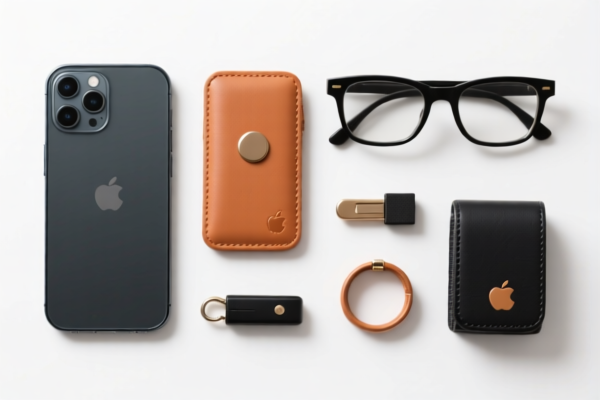
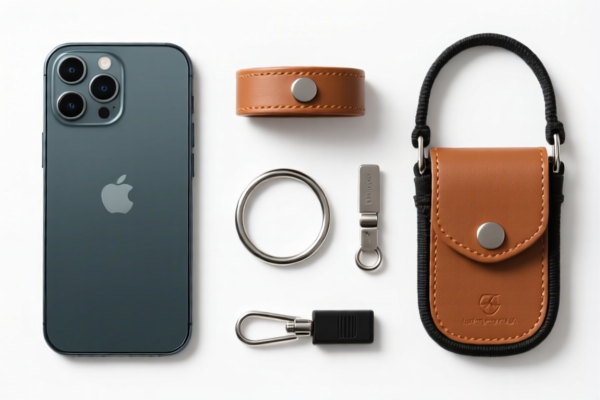
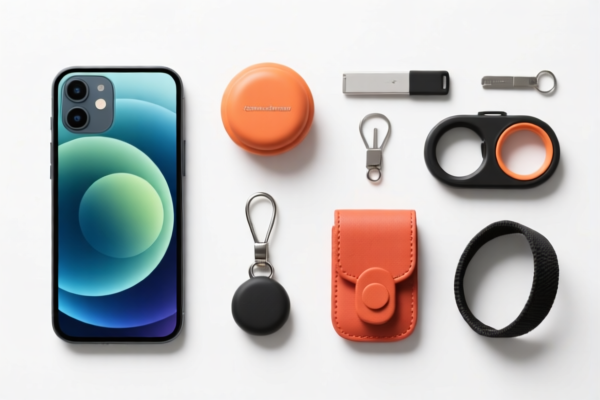
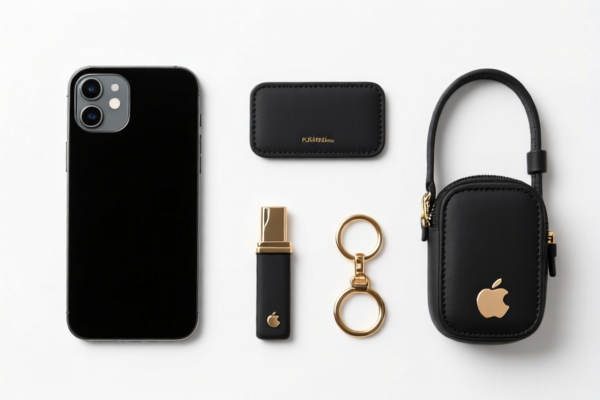
AI分析
📱 Mobile Phone Accessories (Storage Pouches/Pouches)
🌐 HS Code Reference & Customs Clearance Guide | 2026 Latest Tariff Analysis | Strategic Compliance Strategy
📌 I. Product Definition & Classification: What exactly are "Phone Accessory Pouches"?
Mobile phone accessory pouches are small containers designed for storing and organizing chargers, cables, earphones, and adapters. In international trade, their classification hinges critically on material composition and structural design. Misclassification is the #1 cause of duty shocks due to the disparity between "Plastic Articles" (Chapter 39) and "Textile/Other Articles" (Chapter 63).
Key Distinction Points: - Plastic/Resin Construction: If the pouch is primarily made of vinyl, PVC, or other plastics, it often falls under Chapter 39 (Articles of Plastic). These are frequently subject to high punitive tariffs (Section 301 + 122). - Textile/Fabric Construction: If made of woven or non-woven fabric, it may fall under Chapter 63 (Other Made-up Articles). These typically have lower base duties but vary based on specific finishings. - Leather/Plastic Composite: If the outer surface is plastic sheets or textile, it may fall under Chapter 42 (Articles of Apparel Accessories). This is often the highest tariff bracket due to specific HS interpretations.
⚠️ Critical Warning:
- Do not assume all "pouches" are the same.
- A $5 plastic pouch can incur 38% tax.
- A $5 textile pouch can incur 17% tax.
- A $5 composite pouch can incur 55% tax.
Material declaration must be precise!
📦 II. HS Code Classification Matrix (2026 Latest Tariff Authority)
| HS Code | Product Description | Material/Structure | Key Duty Drivers |
|---|---|---|---|
3923.29.00.00 |
Plastic Sacks, Bags & Pouches (Other) | Primarily plastic/synthetic fibers | High Add-on Tariffs (301 + 122) |
4202.32.20.00 |
Articles of Apparel Accessories (Plastic/Textile Surface) | Outer surface: Plastic sheets or textile | HIGHEST Total Tax (55%) |
6307.90.98.75 |
Other Made-up Textile Articles (Consumer Goods) | Textile or Plastic composite (Finished consumer good) | Lowest Base Duty (7%) |
3923.21.00.95 |
Plastic Bags & Pouches (Sacs & Pouches) | Ethylene polymer/Plastic | High Add-on Tariffs (301 + 122) |
6307.90.98.91 |
Other Made-up Textile Articles (Miscellaneous) | Fabric or Plastic (General purpose) | Moderate Add-on Tariffs (7.5% Add-on) |
🔍 Key Insight:
- Chapter 39 (3923.xx): Generally triggers 25% Section 301 + 10% Section 122 tariffs on Chinese goods.
- Chapter 42 (4202.xx): Often interpreted strictly as "apparel accessories," attracting 20% Base + 25% Section 301 + 10% Section 122.
- Chapter 63 (6307.xx): Generally 0% Section 301 (or reduced), plus 10% Section 122.
💰 III. 2026 Latest Tariff Rate Breakdown (Detailed Duty Analysis)
✅ Applicable Country: United States (US)
✅ Origin: China (CN)
✅ Effective Date: 2025-11-10 (Post-Section 122 Implementation)
🎯 1. 3923.29.00.00 & 3923.21.00.95 —— Plastic Pouches & Bags
| Item | Content |
|---|---|
| Base Tariff (MFN) | 3.0% (ad valorem) |
| Section 301 (Add-on) | +25.0% (US Trade Law 301) |
| Section 122 (New Add-on) | +10.0% (Targeting specific Chinese imports, effective Nov 2025) |
| Total Effective Rate | 38.0% |
| Calculation | CIF Value × 38% |
| De Minimis Exemption | ❌ Denied (Section 301 goods are ineligible for $800 de minimis) |
| Legal Path | USITC:3923.29.00.00 → FOOTNOTE:9903.88.01 (301) → IEEPA:9903.01.25 (122) |
📌 Explanation:
- Even though the base duty is low (3%), the 35% additive burden (25% + 10%) makes this category extremely expensive.
- Section 122 is a new punitive measure targeting specific plastic/consumer goods from China.
🎯 2. 4202.32.20.00 —— Apparel Accessories (Plastic/Textile Surface)
| Item | Content |
|---|---|
| Base Tariff (MFN) | 20.0% (ad valorem) |
| Section 301 (Add-on) | +25.0% |
| Section 122 (New Add-on) | +10.0% |
| Total Effective Rate | 55.0% |
| Calculation | CIF Value × 55% |
| De Minimis Exemption | ❌ Denied |
| Legal Path | USITC:4202.32.20.00 → FOOTNOTE:9903.88.01 (301) → IEEPA:9903.01.25 (122) |
📌 Warning:
- This is the worst-case scenario.
- Many suppliers mislabel plastic pouches as "apparel accessories" to confuse customs, but US CBP strictly enforces the material definition.
- 55% duty will obliterate profit margins.
🎯 3. 6307.90.98.75 —— Other Made-up Textile Articles (Consumer Goods)
| Item | Content |
|---|---|
| Base Tariff (MFN) | 7.0% (ad valorem) |
| Section 301 (Add-on) | +0.0% (Exempt/Reduced) |
| Section 122 (New Add-on) | +10.0% |
| Total Effective Rate | 17.0% |
| Calculation | CIF Value × 17% |
| De Minimis Exemption | ❌ Denied (Due to Section 122) |
| Legal Path | USITC:6307.90.98.75 → IEEPA:9903.01.25 (122 only) |
📌 Opportunity:
- Lowest tax burden among all options.
- Zero Section 301 liability is a massive advantage.
- Requires clear documentation that the product is a "made-up textile article" (e.g., woven fabric, non-woven).
🎯 4. 6307.90.98.91 —— Other Made-up Textile Articles (Miscellaneous)
| Item | Content |
|---|---|
| Base Tariff (MFN) | 7.0% (ad valorem) |
| Section 301 (Add-on) | +7.5% (Reduced/Specific Footnote) |
| Section 122 (New Add-on) | +10.0% |
| Total Effective Rate | 24.5% |
| Calculation | CIF Value × 24.5% |
| De Minimis Exemption | ❌ Denied |
| Legal Path | USITC:6307.90.98.91 → FOOTNOTE:Specific 301 Reduction → IEEPA:9903.01.25 |
📌 Note:
- Slightly higher than98.75due to a 7.5% Section 301 add-on.
- Still significantly cheaper than plastic (3923) or apparel (4202).
🛠️ IV. Customs Clearance Practical Advice (Pitfall Avoidance)
✅ 1. Material Declaration is King
| Material | Recommended HS Code | Total Tax | Risk Level |
|---|---|---|---|
| 100% Plastic/Vinyl | 3923.29.00.00 or 3923.21.00.95 |
38% | 🟡 High Cost |
| 100% Textile/Fabric | 6307.90.98.75 |
17% | 🟢 Best Option |
| Plastic + Fabric Composite | 4202.32.20.00 |
55% | 🔴 AVOID |
| Fabric + Plastic Lining | 6307.90.98.91 |
24.5% | 🟡 Moderate |
💡 Strategy:
- Switch materials if possible. A textile pouch (6307.90.98.75) saves 21% in duty compared to plastic.
- Avoid "Plastic Surface" claims for Chapter 42 if the product is merely a storage pouch.
✅ 2. Documentation Checklist
| Document | Requirement | Reason |
|---|---|---|
| Product Specifications | Must state Material % (e.g., "100% Woven Polyester") | Prevents CBP from assuming plastic → triggers 3923/4202 |
| Product Photos | Clear view of texture (woven vs. smooth plastic) | Visual proof of textile classification |
| Bill of Materials (BOM) | List all components (zipper, lining, fabric) | Supports "Made-up Article" claim |
| Commercial Invoice | Description: "Textile Phone Accessory Pouch, Not Apparel Accessory" | Clarifies use case to avoid Chapter 42 |
| Origin Certificate | COO (China) | Required for Section 122 assessment |
✅ 3. Clearance Tips & Keywords
| Scenario | Correct Declaration | Incorrect Declaration |
|---|---|---|
| Plastic Pouch | "Plastic PVC Bag for Electronics" | "Phone Case" (Ambiguous) |
| Textile Pouch | "Woven Fabric Storage Pouch for Cables" | "Apparel Accessory" |
| Composite Pouch | "Fabric-lined Plastic Pouch" | "Leather/Plastic Case" (Triggers 4202) |
🔥 Golden Rule:
"Textile is Best, Plastic is Costly, Composite is Risky."
If you can make it from non-woven fabric or woven textile, choose6307.90.98.75.
🌍 V. Global Market Comparison (2026)
| Market | Recommended HS Code | Total Duty (China Origin) | Notes |
|---|---|---|---|
| 🇺🇸 USA | 6307.90.98.75 |
17% (Best) | Section 301 Exempt for Textiles; Section 122 Applies |
| 🇺🇸 USA | 3923.29.00.00 |
38% | High Section 301 + 122 |
| 🇺🇸 USA | 4202.32.20.00 |
55% | Highest Duty |
| 🇪🇺 EU | 4202.32.00.00 |
~0-6% | No Section 301/122. Lower base duty. |
| 🇨🇳 China | 6307.90.99.00 |
7-10% | Import duty only, no punitive tariffs |
📌 Conclusion:
- The US market is the most punitive due to Section 301 & 122.
- Material choice is the only lever to reduce cost.
- Textile-based pouches are the most compliant and cost-effective for US import.
📌 VI. Common Mistakes & Blood Lessons
❌ Mistake 1: Declaring a plastic pouch as a "textile pouch" to get 17% tax.
👉 Consequence: CBP inspection reveals PVC material → Back duties (38%) + Penalties.
❌ Mistake 2: Declaring a fabric pouch as an "apparel accessory" (4202).
👉 Consequence: Unnecessary 55% duty loss.
❌ Mistake 3: Ignoring Section 122.
👉 Consequence: Even "duty-free" items may face 10% add-on if not properly classified or if origin is not tracked.
✅ Correct Action:
"Textile Storage Pouch, 100% Polyester, for Electronic Accessories, Not Apparel."
🎯 VII. Conclusion: Professional Classification, Profit Protection!
🎯 Remember the Mantra:
🔹 "Plastic pays 38%, Textile pays 17%, Apparel pays 55%!"
🔹 "Material is Money, Declaration is Law!"
🔹 "Avoid Chapter 42, Embrace Chapter 63!"
📌 Pro Tip:
- If your product contains any plastic component, ensure the textile is the predominant feature to qualify for 6307.
- Apply for Pre-Ruling (CBP Ruling Letter) for complex composite materials to lock in the 17% rate before shipment.
📣 Take Action Now:
📞 Consult a licensed customs broker.
📝 Provide material samples and photos.
🚀 Optimize your HS Code, Save 20%+ in Duties!
✨ Smart Customs, Smarter Profits!
💼 Your Supply Chain Strategy Starts with Correct Classification!
用户评价
关于 HS 编码归类
协调制度(HS)是由世界海关组织(WCO)制定的国际贸易商品分类标准。全球 200 多个国家采用 HS 系统作为海关关税、贸易统计和进出口监管的基础。
每个 HS 编码遵循以下层级结构:
- 章(2 位)——商品大类(例如:第 84 章:机器和机械设备)
- 品目(4 位)——章内的更具体分类
- 子目(6 位)——国际通用细分,所有 WCO 成员国统一使用
- 本国细分(8-10 位)——各国自行扩展的细分编码,如美国 HTSUS 10 位编码
正确的 HS 编码归类对于顺利通关、准确缴纳关税和遵守贸易法规至关重要。错误归类可能导致海关延误、多缴关税或罚款。
从CN进口到US时,适用的关税税率可能包括:
- 最惠国(MFN)税率——适用于 WTO 成员国的标准关税税率
- 普通税率——适用于无贸易协定国家
- 贸易救济关税——附加关税,如 301 条款(反倾销)、232 条款(国家安全)或反补贴税
本页内容仅供参考。如需正式归类,请咨询当地海关或持牌报关代理。