Model Fir Wood
CN → US| HS编码 | 关税税率 | 原产国 | 目的国 | 文档 |
|---|---|---|---|---|
| 4404100090 | 35.0% | CN | US | 官方文档 |
| 4404100080 | 35.0% | CN | US | 官方文档 |
| 4407120059 | 35.0% | CN | US | 官方文档 |
| 4407120058 | 35.0% | CN | US | 官方文档 |
| 4403240142 | 35.0% | CN | US | 官方文档 |
| 4403230142 | 35.0% | CN | US | 官方文档 |
商品图片
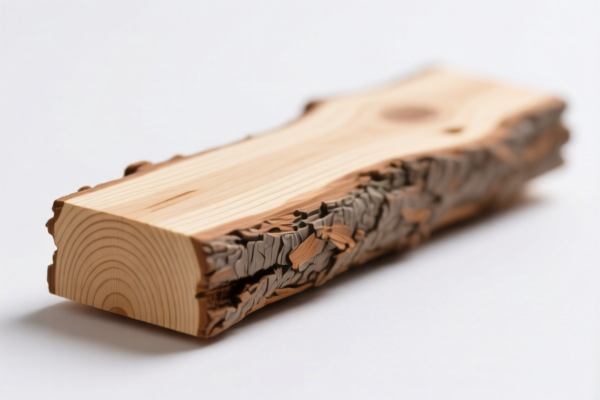
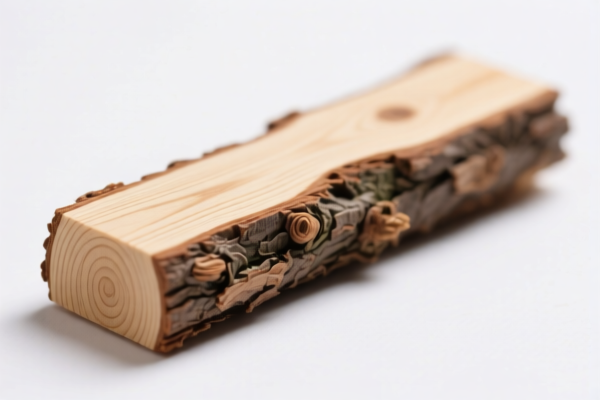
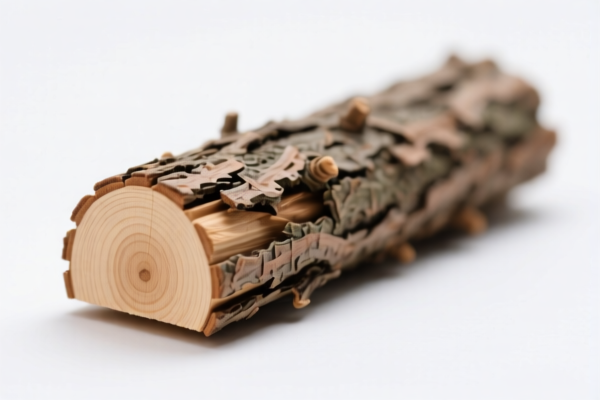
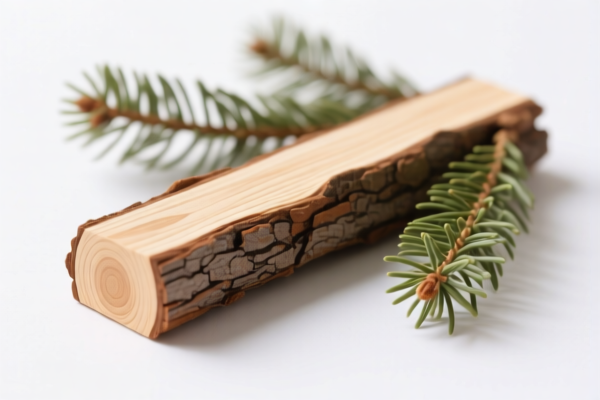
AI分析
🌲 Model Fir Wood (Coniferous Timber & Wood Products)
🌐 HS Code Reference & Customs Clearance Guide | 2024/2025 Tariff Analysis | Professional Strategy for Coniferous Wood
📌 I. Product Definition & Classification: What is "Model Fir Wood"?
"Model Fir Wood" in this context refers to various processed and unprocessed wood products derived from Fir (Abies spp.) and Spruce (Picea spp.), which are classified under Coniferous timber. These products range from raw logs to processed lumber and specialized wooden poles.
In international trade, these items are strictly categorized based on their processing level and physical dimensions:
- Raw/Rough Wood: Logs, poles, or stakes that are not sawn lengthwise.
- Sawn Wood: Planks, boards, or timber cut to specific thicknesses (>6mm), which may be planed or sanded.
⚠️ Key Distinction Point: - If the wood is rough, pointed stakes, poles, or logs → It falls under Chapter 44 (4403 or 4404). - If the wood is sawn/chipped lengthwise with a thickness > 6mm → It falls under Chapter 44 (4407). - Material: Must be Coniferous (specifically Fir/Abies or Spruce/Picea).
📦 II. HS Code Classification Details (Authority Reference)
Based on the provided data, here is the precise breakdown of HS Codes for Fir Wood products:
| HS Code | Product Description | Processing State | Key Characteristics |
|---|---|---|---|
4404.10.00.90 |
Hoopwood; Split poles; Poles, piles, stakes (Wooden sticks roughly trimmed) | Not Sawn Lengthwise | Roughly trimmed, not turned/bent. Suitable for walking sticks, umbrellas, etc. |
4404.10.00.80 |
Hoopwood; Split poles; Poles, piles, posts | Not Sawn Lengthwise | Specifically Poles, piles, and posts. Pointed but not sawn lengthwise. |
4403.24.01.42 |
Wood in the rough (Logs & Timber) | Raw/Rough | Smallest cross-sectional dimension < 15 cm. Other Fir/Balsam logs. |
4403.23.01.42 |
Wood in the rough (Logs & Timber) | Raw/Rough | Smallest cross-sectional dimension ≥ 15 cm. Other Fir/Balsam logs. |
4407.12.00.59 |
Wood sawn lengthwise, thickness > 6mm | Sawn/Processed | Not treated, Not rough. Fir (Abies spp.), other finished sawn wood. |
4407.12.00.58 |
Wood sawn lengthwise, thickness > 6mm | Sawn/Processed | Not treated, Rough. Fir (Abies spp.), rough sawn lumber. |
🔍 Critical Note: - All listed HS Codes belong to Coniferous Wood of Fir (Abies spp.) or Spruce (Picea spp.). - The distinction between
4403(Rough logs) and4407(Sawn wood) depends on whether the wood has been sawn or chipped lengthwise. - The distinction between4403and4404depends on whether it is a log/timber or a pole/stake/hooopwood.
💰 III. 2024/2025 Tariff Rate Breakdown
✅ Applicable Context: Based on the provided data, all items attract a 25% Total Tax. ✅ Origin Implication: This structure typically reflects US Import Duties on Chinese Coniferous Wood Products under Section 301 tariffs, combined with the standard Most Favored Nation (MFN) rate.
🎯 1. General Tariff Structure for All Listed Codes
| HS Code Category | Product Type | Base Tariff | Additional Surcharge | Total Tax Rate |
|---|---|---|---|---|
4404.10.00.90 |
Rough Wood Sticks/Poles | 0.0% | +25.0% | 25.0% |
4404.10.00.80 |
Poles, Piles, Posts | 0.0% | +25.0% | 25.0% |
4403.24.01.42 |
Fir Logs (<15cm dimension) | 0.0% | +25.0% | 25.0% |
4403.23.01.42 |
Fir Logs (≥15cm dimension) | 0.0% | +25.0% | 25.0% |
4407.12.00.59 |
Sawn Fir Wood (Not Rough) | 0.0% | +25.0% | 25.0% |
4407.12.00.58 |
Sawn Fir Wood (Rough) | 0.0% | +25.0% | 25.0% |
📌 Tax Explanation: - Base Tariff (0.0%): Under normal MFN treatment, many coniferous wood products have a low or zero base duty. - Surcharge (+25.0%): This is likely the Section 301 Additional Duty imposed on Chinese-origin goods. It is applied on top of the base rate. - Total Effective Rate: 25% ad valorem. - Calculation: Duty = CIF Value × 25%.
🛠️ IV. Customs Clearance Practical Advice (Pitfall Avoidance Guide)
✅ 1. Preparation Checklist (Must-Have Documents)
| Document | Required? | Notes |
|---|---|---|
| ✅ Commercial Invoice | ✔️ | Must clearly state "Coniferous Wood" and specify species (e.g., Abies balsamea). |
| ✅ Packing List | ✔️ | Detail dimensions, weight, and number of pieces. |
| ✅ Phytosanitary Certificate | ✔️ | CRITICAL for wood products. Proves freedom from pests (IPPC stamp required). |
| ✅ Fumigation Certificate | ✔️ | Often required alongside or instead of phytosanitary cert, depending on origin. |
| ✅ Bill of Lading/Air Waybill | ✔️ | Standard shipping document. |
| ✅ HS Code Confirmation | ✔️ | Ensure correct 10-digit code to avoid misclassification fines. |
✅ 2. Declaration Tips (Key Mnemonics)
🔥 "Species Matters, Rough vs. Sawn, Phytosanitary is Key!"
| Scenario | Correct Declaration | Risk if Incorrect |
|---|---|---|
| Logs/Raw Wood | 4403.xxxx.xx.xx |
Misclassified as processed wood → Higher scrutiny/detention. |
| Sawn Planks (>6mm) | 4407.12.xxxx.xx |
If declared as logs (4403), may face duty adjustment or rejection. |
| Poles/Stakes | 4404.10.xx.xx |
If declared as sawn lumber, HS code mismatch → Delay. |
| Species: Fir vs. Pine | Specify Abies spp. | Misidentifying species may lead to incorrect HS code and penalties. |
✅ 3. Special Considerations
| Issue | Advice |
|---|---|
| Fumigation | Wood must be treated to prevent introduction of invasive species. Ensure IPPC mark is visible on packaging. |
| Moisture Content | For 4407 (Sawn wood), ensure moisture content is within standards to prevent mold claims. |
| Duty Mitigation | With a 25% surcharge, consider if the product qualifies for any USMCA benefits (if from Canada/Mexico) or GSP (if applicable, though fir wood often excluded). |
| Anti-Dumping | Check for any specific anti-dumping duties on Chinese wood products, which may stack with the 25% tariff. |
🌍 V. Global Market Comparison (2024/2025)
| Region | Recommended HS Code | Estimated Total Duty (China Origin) | Key Requirements |
|---|---|---|---|
| 🇺🇸 USA | 4403 / 4404 / 4407 |
25% (0% Base + 25% Surcharge) | Phytosanitary Cert, IPPC Mark |
| 🇨🇳 China | 4403 / 4404 / 4407 |
0% - 5% | Export License (if restricted) |
| 🇪🇺 EU | 4403 / 4407 |
0% (Mostly) | FLEGT License or EUTR Due Diligence |
| 🇬🇧 UK | 4403 / 4407 |
0% | UKCA Mark for certain applications |
📌 Conclusion: - The 25% total duty is primarily a US-specific burden on Chinese-origin coniferous wood. - EU and UK markets are more competitive with 0% duties but have stricter environmental compliance (FLEGT/EUTR). - Always verify the Country of Origin. If the wood is processed in Vietnam or Malaysia, the 25% surcharge may be avoided, but rules of origin must be strictly met.
📌 VI. Common Errors & Pitfalls (Lessons Learned)
❌ Error 1: Declaring "Fir Wood" generally without specifying the HS Code based on processing. 👉 Consequence: Customs may reclassify, leading to 25% duty + penalties.
❌ Error 2: Missing Phytosanitary Certificate. 👉 Consequence: Shipment held or destroyed at border due to pest risk.
❌ Error 3: Confusing "Rough" (4407.12.00.58) with "Not Rough" (4407.12.00.59).
👉 Consequence: While the duty rate is the same, misdeclaration can lead to administrative fines or audits.
❌ Error 4: Ignoring the "Smallest Cross-Sectional Dimension" for Logs (4403).
👉 Consequence: Misclassification between 4403.23 and 4403.24 can lead to duty discrepancies.
✅ Correct Approach:
"Coniferous Wood, Fir (Abies spp.), Sawn, Thickness > 6mm, Not Treated, Rough Finish. Phytosanitary Certificate Attached. IPPC Marked Pallets."
🎯 VII. Conclusion: Precision in Classification Saves Costs!
🎯 Remember:
🔹 "Species is King, Processing is Queen, Phytosanitary is the Crown!" 🔹 "25% Duty is standard for US-Fir Wood from China, but avoid misclassification to prevent 100%+ penalties!"
📌 Pro Tip:
If you are importing Fir Wood into the USA, ensure your supplier provides: 1. Phytosanitary Certificate. 2. IPPC Fumigation Mark. 3. Accurate HS Code (either
4403,4404, or4407based on exact form).
📣 Immediate Action:
📞 Consult a Customs Broker to verify the 10-digit HS Code. 📄 Request Phytosanitary Cert from the supplier before shipment. 💼 Calculate Landed Cost with the 25% duty included in your pricing model.
✨ Professional Clearance, Starts with Accurate Classification! 💼 Your Profit Margin Depends on Every Percent!
用户评价
关于 HS 编码归类
协调制度(HS)是由世界海关组织(WCO)制定的国际贸易商品分类标准。全球 200 多个国家采用 HS 系统作为海关关税、贸易统计和进出口监管的基础。
每个 HS 编码遵循以下层级结构:
- 章(2 位)——商品大类(例如:第 84 章:机器和机械设备)
- 品目(4 位)——章内的更具体分类
- 子目(6 位)——国际通用细分,所有 WCO 成员国统一使用
- 本国细分(8-10 位)——各国自行扩展的细分编码,如美国 HTSUS 10 位编码
正确的 HS 编码归类对于顺利通关、准确缴纳关税和遵守贸易法规至关重要。错误归类可能导致海关延误、多缴关税或罚款。
从CN进口到US时,适用的关税税率可能包括:
- 最惠国(MFN)税率——适用于 WTO 成员国的标准关税税率
- 普通税率——适用于无贸易协定国家
- 贸易救济关税——附加关税,如 301 条款(反倾销)、232 条款(国家安全)或反补贴税
本页内容仅供参考。如需正式归类,请咨询当地海关或持牌报关代理。