Modern Plastic Handbag
CN → US| HS编码 | 关税税率 | 原产国 | 目的国 | 文档 |
|---|---|---|---|---|
| 4202221500 | 51.0% | CN | US | 官方文档 |
| 3923210085 | 38.0% | CN | US | 官方文档 |
| 3923210080 | 38.0% | CN | US | 官方文档 |
| 4202221500 | 51.0% | CN | US | 官方文档 |
| 3923210085 | 38.0% | CN | US | 官方文档 |
商品图片
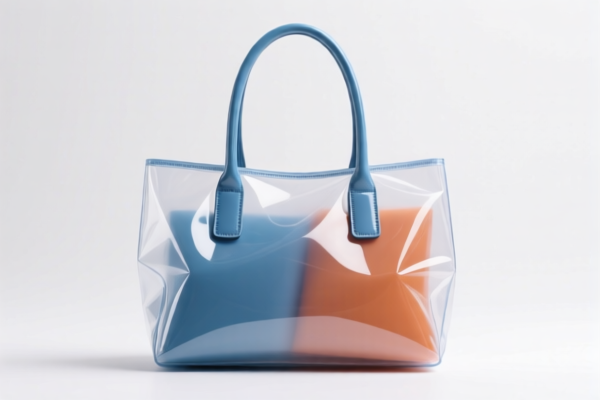
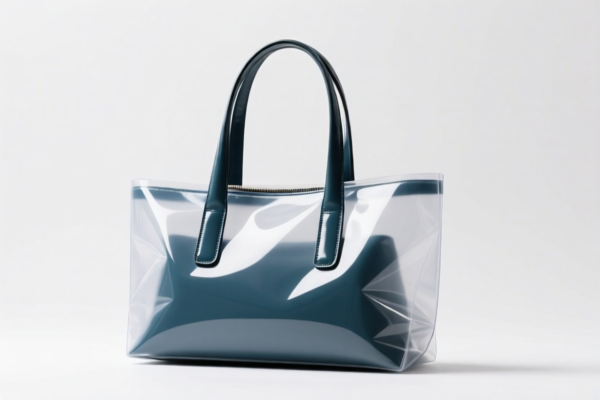
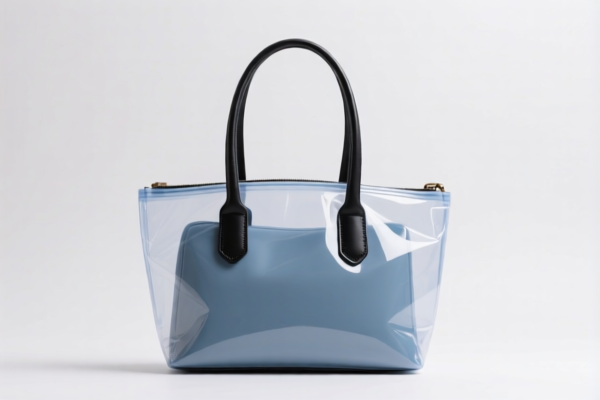
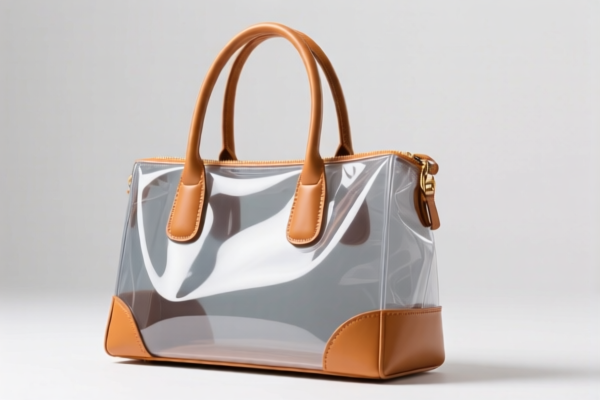
AI分析
👜 Modern Plastic Handbag (塑料手提包/袋)
🌐 HS Code Reference & Customs Clearance Guide | 2026 Latest Tariff Analysis | Strategic Compliance Strategy
📌 I. Product Definition & Classification: Decoding the "Plastic Bag vs. Handbag" Dilemma
The term "Modern Plastic Handbag" is a common misnomer in global trade that creates significant classification ambiguity. In international customs terminology, the distinction between a "Handbag" (Heading 4202) and a "Plastic Bag" (Heading 3923) is not based on aesthetics or marketing names, but on material composition, durability, and structural integrity.
International trade regulations strictly categorize these items into two distinct groups:
1. "Luggage/Handbag" Category (Heading 4202): Items considered "handbags" typically have a more rigid structure, durable outer surfaces (even if plastic-coated), and are designed for repeated use over time. They are treated as fashion accessories or luggage components.
2. "Retail Shopping Bag" Category (Heading 3923): Items that are essentially thin, flexible polymer sheets formed into bags with handles. These are classified as "articles for the conveyance of goods," specifically retail packaging, rather than durable handbags.
⚠️ Critical Classification Point:
- If the product is described as a "Luggage Bag" or has an outer surface of plastic sheets intended for durable use → Likely 4202.22.15.00.
- If the product is described as a "Shopping Bag," "Retail Bag," or made of polyethylene polymers (thin film) → Likely 3923.21.00.85 or 3923.21.00.80.
📦 II. HS Code Classification Matrix (Based on Provided Data)
According to the provided , the "Modern Plastic Handbag" falls into three specific HS Codes depending on the precise material and structural description.
| HS Code | Product Summary (from Data) | Classification Logic |
|---|---|---|
| 4202.22.15.00 | Lightweight plastic handbag, outer surface made of plastic sheets. | Classified as a Handbag/Luggage item due to its designation as a "handbag" with a defined outer surface material. |
| 3923.21.00.85 | Plastic retail shopping bag, with handles. | Classified as a Retail Bag/Packaging item under Chapter 39 (Plastics). |
| 3923.21.00.80 | Polyvinyl chloride (PVC) or polymer plastic bags, including handbag forms. | Also classified as a Retail Bag/Packaging item, focusing on the polymer material composition. |
🔍 Key Distinction:
- 4202.22.15.00 is often viewed as a "fashion accessory" or durable good.
- 3923.21.00.85/80 are viewed as "consumer packaging" or disposable/reusable thin-film bags.
- The name "Handbag" in the user input does not automatically guarantee 4202 classification; customs officers will look at the physical properties and summary description.
💰 III. 2026 Tariff Rate Breakdown (Detailed Tax Analysis)
✅ Applicable Region: United States (US)
✅ Origin: China (CN)
✅ Effective Date: Current regulations apply (including Section 301 and Section 301-related measures).
🎯 1. 4202.22.15.00 —— Lightweight Plastic Handbag (Fashion/Luggage Category)
This code attracts a higher base tariff due to the "luggage/handbag" classification, combined with aggressive trade measures.
| Item | Detail |
|---|---|
| Base Tariff | 16.0% |
| Trade War Surcharge (Section 301) | +25.0% |
| Section 122 Surcharge | +10.0% |
| Total Tax Rate | 51.0% |
| Calculation Base | CIF Value × 51% |
| De Minimis Exemption | ❌ Not Eligible (High tariff rates generally exclude small package relief under current enforcement). |
| Legal Basis | Standard HTS 4202.22.15.00 + USITC Footnotes + Section 122/301 Add-ons. |
📌 Explanation:
- The 16% base rate is specific to this subheading of handbags.
- The 25% Section 301 tariff applies to a wide range of Chinese goods.
- The 10% Section 122 tariff is a recent addition targeting specific categories of goods, significantly increasing the landed cost.
- Total Cost Impact: For every $1,000 of goods, you pay $510 in taxes. This is a high-cost classification.
🎯 2. 3923.21.00.85 —— Plastic Retail Shopping Bag (Packaging Category)
This code has a lower base tariff but is still heavily impacted by trade wars.
| Item | Detail |
|---|---|
| Base Tariff | 3.0% |
| Trade War Surcharge (Section 301) | +25.0% |
| Section 122 Surcharge | +10.0% |
| Total Tax Rate | 38.0% |
| Calculation Base | CIF Value × 38% |
| De Minimis Exemption | ❌ Not Eligible. |
| Legal Basis | Standard HTS 3923.21.00.85 + USITC Footnotes + Section 122/301 Add-ons. |
📌 Explanation:
- The 3% base rate reflects the lower duty on general plastic articles.
- The 25% Section 301 and 10% Section 122 add-ons apply similarly.
- Total Cost Impact: For every $1,000 of goods, you pay $380 in taxes. This is $1,300 cheaper per $10k than the 4202 classification.
🎯 3. 3923.21.00.80 —— Polyvinyl Chloride Plastic Bag (Alternative Packaging Category)
This code is identical in tax structure to 3923.21.00.85, differing only in the specific polymer description (often PVC or mixed polymers).
| Item | Detail |
|---|---|
| Base Tariff | 3.0% |
| Trade War Surcharge (Section 301) | +25.0% |
| Section 122 Surcharge | +10.0% |
| Total Tax Rate | 38.0% |
| Calculation Base | CIF Value × 38% |
| De Minimis Exemption | ❌ Not Eligible. |
| Legal Basis | Standard HTS 3923.21.00.80 + USITC Footnotes + Section 122/301 Add-ons. |
📌 Explanation:
- Same tax burden as 3923.21.00.85.
- The choice between .85 and .80 depends on whether the bag is explicitly marketed as a "retail shopping bag" (.85) or described more generically as a "polymer bag" (.80).
🛠️ IV. Customs Clearance Practical Advice (Avoiding Pitfalls)
✅ 1. Preparation Checklist (Mandatory)
| Document | Required? | Purpose |
|---|---|---|
| ✅ Product Description | ✔️ | Must clarify if it is a "Shopping Bag" or "Handbag." Ambiguity leads to misclassification audits. |
| ✅ Material Composition Sheet | ✔️ | Specify if it is PVC, Polyethylene, or other polymers. Crucial for 3923 vs 4202. |
| ✅ Photographs | ✔️ | Show the bag with handles, flexibility, and thickness. Thin/flexible bags lean toward 3923. |
| ✅ Commercial Invoice | ✔️ | Clearly state "Plastic Shopping Bag" or "Plastic Handbag" consistent with the HS code. |
| ✅ Country of Origin Certificate | ✔️ | Essential for calculating Section 301 and Section 122 duties. |
✅ 2. Strategic Classification Advice
🔥 Key Strategy: "If it's thin and flexible, declare as 3923 to save 13% in tariffs!"
| Scenario | Recommended HS Code | Why? |
|---|---|---|
| Thin, crinkly, reusable shopping bag | 3923.21.00.85 |
Lower base tariff (3% vs 16%). Treated as packaging. |
| Structured, stiff, fashion handbag | 4202.22.15.00 |
Must be declared as a handbag. Higher duty but justified by structure. |
| Vague "Plastic Bag" with handles | 3923.21.00.85 or .80 |
Customs often defaults to 3923 for polymer bags unless proven to be a durable handbag (4202). |
⚠️ Risk Warning:
- Do NOT label a thin plastic shopping bag as a "Handbag" to avoid the 3923 code. If it looks like a shopping bag, it will be classified as 3923, and you may face penalties for misdeclaration if you claimed 4202.
- Conversely, do NOT label a structured handbag as a "Plastic Bag." If it is durable, it belongs in 4202. Misclassifying as 3923 may lead to lower duties paid, resulting in customs audits and back-taxes.
✅ 3. Special Considerations for Section 122 & 301
- Section 301 (25%): Applies to both 4202 and 3923 categories. There is no exemption for plastic handbags/shopping bags from China under this section.
- Section 122 (10%): This is a new/additional burden. It applies to the total value of the goods. Ensure your customs broker accounts for this 10% on top of the 16%/3% base and 25% 301 duty.
- Total Effective Rate:
- 4202: 16% + 25% + 10% = 51%
- 3923: 3% + 25% + 10% = 38%
🌍 V. Global Market Comparison (Quick Reference)
| Region | Preferred HS Code | Estimated Duty (China Origin) | Note |
|---|---|---|---|
| 🇺🇸 USA | 3923.21.00.85 / 4202.22.15.00 |
38% / 51% | High impact from Section 301 & 122. |
| 🇨🇳 China (Import) | 4202.22 / 3923.21 |
~5-10% | Lower base duties, no Section 301/122. |
| 🇪🇺 EU | 4202.22 / 3923.21 |
~2-12% | Depends on exact material and country of origin. No Section 301/122. |
| 🇬🇧 UK | 4202.22 / 3923.21 |
~12-18% | Post-Brexit tariffs apply. |
📌 Conclusion for US Importers:
- Cost Saving: If your product allows, classify as 3923.21.00.85 (Shopping Bag) to save 13 percentage points in total duty (38% vs 51%).
- Accuracy: Ensure the physical product matches the description. A "handbag" that is actually a thin plastic bag should be declared as 3923 to comply with customs definitions of "bags for the conveyance of goods."
📌 VI. Common Errors & Pitfalls
❌ Error 1: Using the generic term "Handbag" on the invoice for a thin plastic shopping bag.
👉 Consequence: Customs may classify it as 4202 (51%) if they deem it a handbag, or reject it if you declared 3923. Best to describe accurately as "Plastic Retail Bag."
❌ Error 2: Ignoring Section 122 (10%).
👉 Consequence: Underpayment of duties, leading to penalties and interest. The 10% is additional to the 25% and base rate.
❌ Error 3: Assuming "Plastic" automatically means 3923.
👉 Consequence: If the bag is durable and structured (like a cosmetic pouch or luxury handbag), it belongs in 4202. Misclassification can lead to audits.
✅ Correct Declaration Example:
"Plastic Retail Shopping Bag, Handle Type, Material: Polyethylene, Origin: China" → 3923.21.00.85
"Lightweight Plastic Handbag, Outer Surface: Plastic Sheet, Durable Structure, Origin: China" → 4202.22.15.00
🎯 VII. Final Verdict: Optimize Your Cost
🎯 Key Takeaway:
🔹 For Shopping Bags: Aim for 3923.21.00.85 (38% Total Duty).
🔹 For Fashion Handbags: Expect 4202.22.15.00 (51% Total Duty).
🔹 Always Include: 25% (Section 301) + 10% (Section 122) in your cost calculations.📌 Action Item:
Review your product's material thickness and intended use. If it's a shopping bag, declare it as such (3923) to avoid the higher 4202 duty, provided it meets the legal definition of a retail bag. Consult a customs broker to confirm if your specific "Modern Plastic Handbag" qualifies for the 3923 classification.
✨ Precision in classification saves millions.
Accuracy in declaration prevents audits.
Plan for 51% (Handbag) or 38% (Shopping Bag) — not less!
用户评价
关于 HS 编码归类
协调制度(HS)是由世界海关组织(WCO)制定的国际贸易商品分类标准。全球 200 多个国家采用 HS 系统作为海关关税、贸易统计和进出口监管的基础。
每个 HS 编码遵循以下层级结构:
- 章(2 位)——商品大类(例如:第 84 章:机器和机械设备)
- 品目(4 位)——章内的更具体分类
- 子目(6 位)——国际通用细分,所有 WCO 成员国统一使用
- 本国细分(8-10 位)——各国自行扩展的细分编码,如美国 HTSUS 10 位编码
正确的 HS 编码归类对于顺利通关、准确缴纳关税和遵守贸易法规至关重要。错误归类可能导致海关延误、多缴关税或罚款。
从CN进口到US时,适用的关税税率可能包括:
- 最惠国(MFN)税率——适用于 WTO 成员国的标准关税税率
- 普通税率——适用于无贸易协定国家
- 贸易救济关税——附加关税,如 301 条款(反倾销)、232 条款(国家安全)或反补贴税
本页内容仅供参考。如需正式归类,请咨询当地海关或持牌报关代理。