Modified Acrylic Short Fiber Mixture
CN → US| HS编码 | 关税税率 | 原产国 | 目的国 | 文档 |
|---|---|---|---|---|
| 5509620000 | 47.0% | CN | US | 官方文档 |
| 5509610000 | 48.2% | CN | US | 官方文档 |
| 5503300000 | 39.3% | CN | US | 官方文档 |
| 5503909000 | 39.3% | CN | US | 官方文档 |
| 5516920090 | 47.0% | CN | US | 官方文档 |
商品图片
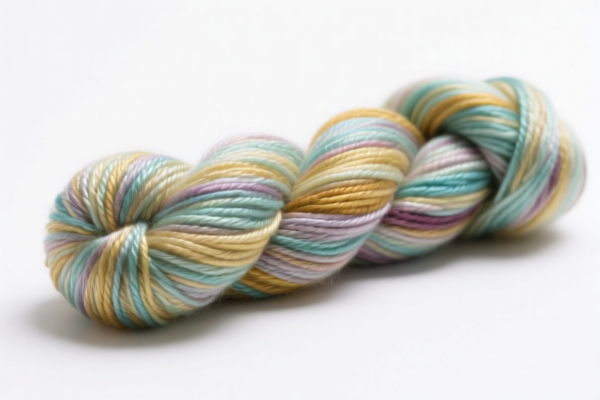
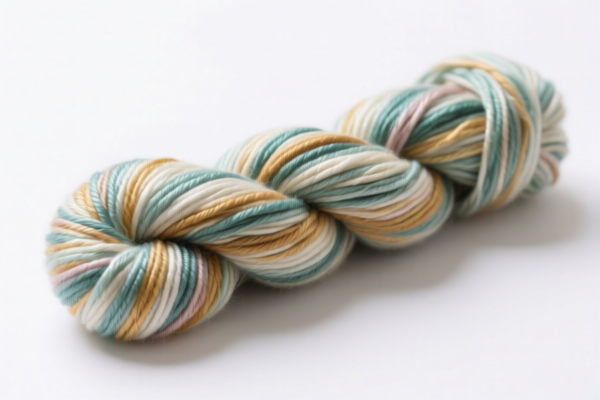
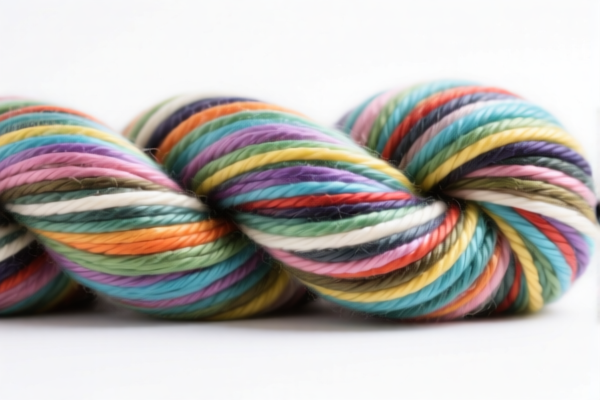
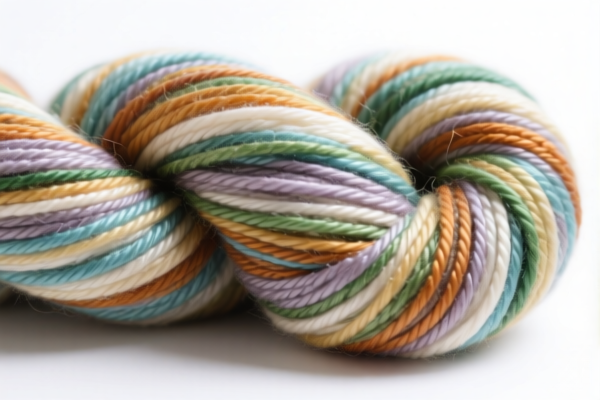
AI分析
🧵 Modified Acrylic Short Fiber Mixture (Chemical Fiber Textiles)
🌐 HS Code Reference & Clearance Guide | 2026 Latest Tariff Analysis | Strategic Entry Strategy for US Imports
📌 I. Product Definition & Classification: Do You Really Know "Modified Acrylic Short Fiber"?
Modified Acrylic Short Fiber Mixture refers to synthetic fibers made from acrylic polymers that have undergone physical or chemical modifications to enhance specific properties (such as dyeability, softness, or static resistance). In international trade, classification depends heavily on: 1. Composition: Is it mixed with wool? Fine animal hair? Or other synthetic fibers? 2. Form: Are these fibers mixed in the raw state? 3. Specific Sub-heading: The 10-digit HS Code determines the "Base Tariff," which significantly impacts the final landed cost.
⚠️ Key Distinction Point:
- If mixed with Wool/Fine Animal Hair → Falls under 5509 (High Base Tariff, High Total Tax).
- If mixed with Other Synthetic Short Fibers → Falls under 5503 or 5516 (Lower Base Tariff, Lower Total Tax).
📦 II. HS Code Classification Details (2026 Latest Tariff Authority Comparison)
Based on the provided data, here are the 5 possible classifications for "Modified Acrylic Short Fiber Mixture":
| HS Code | Product Description (Summary) | Key Characteristics | Total Tax Rate |
|---|---|---|---|
5509.62.00.00 |
Modified acrylic short fiber mixture, material and form meet classification requirements | Mixed with Wool/Fine Animal Hair. Specific acrylic wool blend. | 47.0% |
5509.61.00.00 |
Modified acrylic short fiber mixture, conforms to mixing characteristics with wool or fine animal hair | Mixed with Wool/Fine Animal Hair. General acrylic-wool blend. | 48.2% |
5503.30.00.00 |
Modified acrylic short fiber mixture, modified acrylic matches synthetic short fiber morphology | Mixed with Other Synthetic Fibers (e.g., polyester). | 39.3% |
5503.90.90.00 |
Modified acrylic short fiber mixture, synthetic short fiber material meets fallback category | Mixed with Other Synthetic Fibers (Generic/Synthetic blend). | 39.3% |
5516.92.00.90 |
Modified acrylic short fiber mixture, man-made short fiber woven fabric form meets other categories | Woven Fabric Form (Derived from short fibers). | 47.0% |
🔍 Crucial Observation:
- Codes5509.x1and5509.x2involve Wool/Fine Animal Hair. They carry a Higher Base Tariff (12.0%-13.2%), leading to a Total Tax of ~47-48%.
- Codes5503.xxinvolve Synthetic-to-Synthetic blending. They carry a Lower Base Tariff (4.3%), leading to a Total Tax of 39.3%.
- Code5516.xxis for Woven Fabric made from these fibers, not the raw fibers themselves. Ensure you are importing fibers, not finished fabric!
💰 III. 2026 Latest Tariff Rate Breakdown (Including Surtaxes & Policy Add-ons)
✅ Applicable Country: United States (US)
✅ Origin: China (CN)
✅ Effective Date: 2025/2026 Import Period
🎯 1. 5509.62.00.00 & 5509.61.00.00 —— Acrylic Short Fiber Mixed with Wool/Fine Animal Hair
| Item | Content |
|---|---|
| Base Tariff | 12.0% (5509.62) / 13.2% (5509.61) |
| Section 301 Surcharge | +25.0% (USITC Footnote) |
| Section 122 Tariff | +10.0% (Specific China-related levy) |
| Total Tax Rate | 47.0% (5509.62) / 48.2% (5509.61) |
| Tax Calculation | CIF Value × Total Rate |
| De Minimis Eligibility | ❌ No (Deny De Minimis for China-origin textiles under current restrictions) |
| Legal Basis Path | Base Tariff → USITC:301 → IEEPA:122 |
📌 Explanation:
- Base Tariff (12-13.2%): High because wool blends are sensitive domestic industries in the US.
- Section 301 (+25%): Applies to most Chinese textile fibers.
- Section 122 (+10%): Additional levy targeting specific trade practices.
- Result: High Cost. Importers must verify if the product truly contains "Fine Animal Hair." If it's just acrylic, do not use this code (see below).
🎯 2. 5503.30.00.00 & 5503.90.90.00 —— Modified Acrylic Mixed with Other Synthetic Fibers
| Item | Content |
|---|---|
| Base Tariff | 4.3% (Both codes) |
| Section 301 Surcharge | +25.0% |
| Section 122 Tariff | +10.0% |
| Total Tax Rate | 39.3% |
| Tax Calculation | CIF Value × 39.3% |
| De Minimis Eligibility | ❌ No |
| Legal Basis Path | Base Tariff → USITC:301 → IEEPA:122 |
📌 Why This is Cheaper:
- The Base Tariff is only 4.3% (vs. 12-13%).
- Even with the same 35% in surtaxes (25% + 10%), the total is 39.3%, which is ~8-9% lower than the wool-blend codes.
- Action: If your "Modified Acrylic" is mixed with polyester, nylon, or other synthetics (not wool), USE THIS CODE.
🎯 3. 5516.92.00.90 —— Man-Made Short Fiber Woven Fabric (Acrylic)
| Item | Content |
|---|---|
| Base Tariff | 12.0% |
| Section 301 Surcharge | +25.0% |
| Section 122 Tariff | +10.0% |
| Total Tax Rate | 47.0% |
| Tax Calculation | CIF Value × 47.0% |
| De Minimis Eligibility | ❌ No |
📌 Warning:
- This code is for Woven Fabric (finished or semi-finished cloth), not loose short fibers.
- If you import raw fibers, do NOT use5516. Using5516for fibers is a classification error.
- Tax is high (47.0%) due to the 12% base tariff.
🛠️ IV. Clearance Operational Advice (Practical Pitfall Guide)
✅ 1. Preparation Checklist (Must-Have Documents)
| Document | Required? | Notes |
|---|---|---|
| ✅ Product Specification Sheet | ✔️ | Must specify: Fiber Composition % (e.g., 80% Acrylic, 20% Wool vs. 50% Acrylic, 50% Polyester). |
| ✅ Microscopic Analysis Report | ✔️ | Critical for 5509 vs 5503. Proves whether "Fine Animal Hair" is present. |
| ✅ Commercial Invoice | ✔️ | Clearly state: "Modified Acrylic Short Fiber, Not Mixed with Wool" OR "Mixed with Wool". |
| ✅ Packing List | ✔️ | Weight and dimensions. |
| ✅ Labeling | ✔️ | Labels on bales must match HS Code description. |
✅ 2. Declaration Tips (Key Mnemonics)
🔥 "Check the Mix: Wool? High Tax. Synth? Low Tax. Fabric? Check 5516."
| Scenario | Correct HS Code | Error Risk |
|---|---|---|
| Acrylic + Wool | 5509.61/62 |
❌ Declaring as 5503 → Penalty for Undervaluation |
| Acrylic + Polyester | 5503.30/90 |
❌ Declaring as 5509 → Overpayment of Tax |
| Finished Woven Fabric | 5516.92 |
❌ Declaring as 5503 (Fibers) → Wrong Classification |
| Oversized Bales | N/A | ❌ Missing "Bale Size/Weight" Info → Customs Delay |
✅ 3. Special Cases & Strategies
| Situation | Handling Advice |
|---|---|
| Is it "Modified"? | Ensure the label says "Modified." If it's standard acrylic, 5503 might still apply, but "Modified" often implies specific chemical properties. |
| Mixed Composition | If mixed with >50% synthetic, 5503 is preferred. If mixed with >50% wool, 5509 is required. |
| Small Sample Shipments | ❌ De Minimis (Section 321) is BLOCKED for China-origin textile fibers. Do not attempt to ship < $800 value to avoid seizure. |
| Supply Chain Diversification | If origin is not China (e.g., Vietnam, India), Section 122 and 301 may not apply, reducing tax to Base Tariff Only (4.3%-13.2%). |
🌍 V. Global Market Clearance Comparison (2026)
| Country/Region | Recommended HS Code | Est. Tax (China Origin) | Key Requirements |
|---|---|---|---|
| 🇺🇸 USA | 5503.30.00.00 (Synth Mix) |
39.3% | IEEPA 122 + Section 301 apply |
| 🇺🇸 USA | 5509.61.00.00 (Wool Mix) |
48.2% | Higher base tariff for wool protection |
| 🇨🇳 China | 5503.30.00.00 |
~4.3% + VAT | Import duty only, no US surtaxes |
| 🇪🇺 EU | 5503.30.00.00 |
~4.3% + VAT | No Section 301/122 equivalents |
| 🇮🇳 India | 5503.30.00.00 |
~10-15% | Check BIS standards |
📌 Conclusion:
- The USA imposes the highest total tax due to the combination of Base Tariff + Section 301 (+25%) + Section 122 (+10%).
- Classification Accuracy is Critical: Mistaking a synthetic blend for a wool blend can cost you ~9% in extra taxes. Mistaking wool for synthetic can result in penalties.
📌 VI. Common Mistakes & Pitfalls (Blood-Learning Lessons)
❌ Mistake 1: Assuming all "Acrylic" goes to 5503.
👉 Consequence: If it contains wool, customs will reclassify to 5509 and issue a Bill for Deficiency + Penalty.
❌ Mistake 2: Using 5516 for loose fibers.
👉 Consequence: 5516 is for fabrics. Using it for fibers is a "Wrong Classification" error, leading to Hold/Seizure.
❌ Mistake 3: Ignoring "Section 122" (+10%).
👉 Consequence: Budgeting only for 35% tax (25+10) when base is 4.3%? No, Base is 4.3%. But if base is 12%, Total is 47%. Forgetting to add the 10% leads to underpayment.
❌ Mistake 4: Trying to use De Minimis ($800 rule).
👉 Consequence: Seizure. China-origin textile fibers are explicitly excluded from Section 321 De Minimis relief.
✅ Correct Practice:
"Modified Acrylic Short Fibers, 100% Synthetic (Polyester/Acrylic Blend), Not Mixed with Wool, For Textile Manufacturing Only."
🎯 VII. Conclusion: Professional Declaration, Cost Savings, Risk Control
🎯 Remember the Mnemonic:
🔹 "Wool Blend? High Base (12-13%). Synth Blend? Low Base (4.3%). Fabric? 5516. China Origin? Add 35% Surtax."
🔹 "Tax = Base + 25% (301) + 10% (122). Total for Synth is 39.3%. Total for Wool is 47-48%."
📌 Pro Tip:
If your supply chain can shift to non-China origins (e.g., Turkey, Vietnam, India), you can save 35% in surtaxes.
For US imports, always request a Microscopic Analysis Report from your supplier to prove the absence/presence of wool, ensuring you pick the cheaper 5503 code when applicable.
📣 Immediate Action:
📞 Contact a licensed Customs Broker + Provide Fiber Composition Breakdown + Verify Section 122 Applicability for your specific factory.
🚀 Let your Modified Acrylic Fibers Clear Smoothly, Save Costs, and Avoid Delays!
✨ Professional Clearance Starts with Accurate Classification!
💼 Every Percent of Tariff Counts in the Textile Business!
用户评价
关于 HS 编码归类
协调制度(HS)是由世界海关组织(WCO)制定的国际贸易商品分类标准。全球 200 多个国家采用 HS 系统作为海关关税、贸易统计和进出口监管的基础。
每个 HS 编码遵循以下层级结构:
- 章(2 位)——商品大类(例如:第 84 章:机器和机械设备)
- 品目(4 位)——章内的更具体分类
- 子目(6 位)——国际通用细分,所有 WCO 成员国统一使用
- 本国细分(8-10 位)——各国自行扩展的细分编码,如美国 HTSUS 10 位编码
正确的 HS 编码归类对于顺利通关、准确缴纳关税和遵守贸易法规至关重要。错误归类可能导致海关延误、多缴关税或罚款。
从CN进口到US时,适用的关税税率可能包括:
- 最惠国(MFN)税率——适用于 WTO 成员国的标准关税税率
- 普通税率——适用于无贸易协定国家
- 贸易救济关税——附加关税,如 301 条款(反倾销)、232 条款(国家安全)或反补贴税
本页内容仅供参考。如需正式归类,请咨询当地海关或持牌报关代理。