Modified Acrylic Workwear Fabric
CN → US商品图片
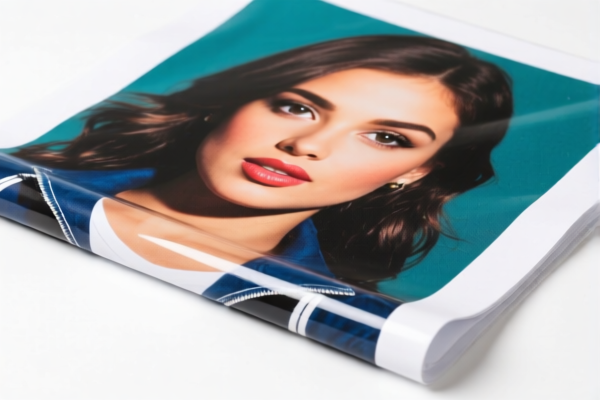
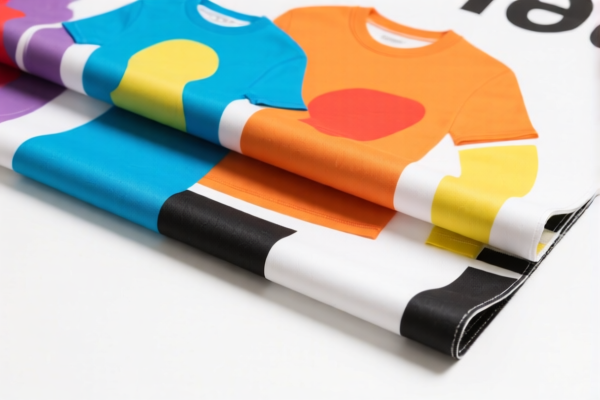
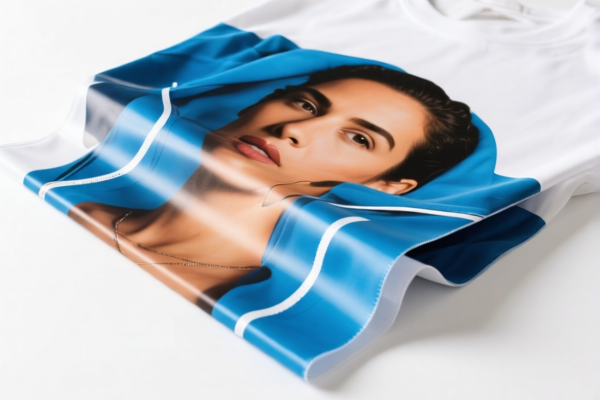
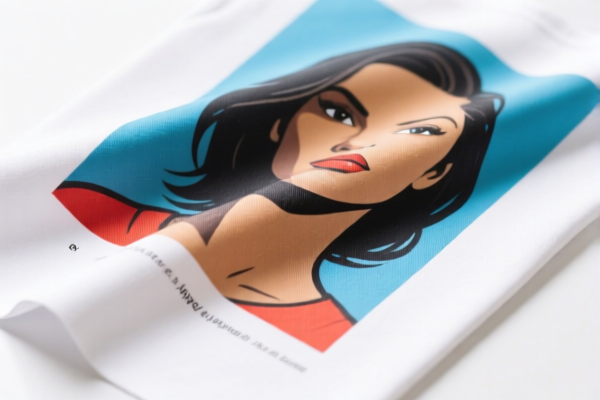
AI分析
👕 Modified Acrylic Workwear Fabric (Textile Treatments)
🌐 HS Code Reference & Customs Clearance Guide | 2026 Latest Tariff Analysis | Professional Logistics Strategy
📌 Part 1: Product Definition & Classification: Do You Truly Understand "Workwear Fabric"?
"Modified Acrylic Workwear Fabric" is not merely raw yarn; it is a specialized textile engineered for industrial and protective use. In international trade, the classification hinges entirely on the degree of processing and the presence of plastic coatings/impregnations. It generally falls into two distinct categories based on GRI 3 (General Rules for Interpretation):
Impregnated/Coated Fabric (Chapter 59): The base fabric is impregnated, coated, covered, or laminated with plastics (e.g., waterproofing, flame-retardant layers, or PVC/PU backing). This is the most common classification for functional industrial workwear.
Made-Up Articles (Chapter 63): If the fabric is already cut, sewn, or prepared into specific garment shapes (like a finished jacket or patch), it may be classified as a "made-up article." However, for bulk fabric rolls, Chapter 59 is the primary focus.
⚠️ Critical Distinction:
- If the acrylic fiber is simply dyed or finished without plastic coating → It may fall under Chapter 54/60 (but see HS 5903 for coated variants).
- If impregnated/coated with plastics → HS 5903 (Primary Classification).
- If it is a finished article (e.g., cut patches, finished uniforms) → HS 6307.
- Note: Raw acrylic fiber itself is usually HS 5402/5502, but "Workwear Fabric" implies a textile structure, not fiber.
📦 Part 2: HS Code Classification Details (2026 Latest Tariff Authority)
| HS Code | Product Description | Application Scenario | Key Feature |
|---|---|---|---|
5903 |
Textile fabrics, impregnated, coated, covered or laminated with plastics, of man-made fibres | Industrial workwear, safety gear, heavy-duty uniforms, coated acrylic textiles | ✅ Yes (Plastic treatment) |
6307 |
Other made up articles, including dress patterns, of textiles | Finished workwear items, cut fabric pieces, protective gear components | ✅ Yes (Made-up/Finished) |
🔍 Key Reminder:
- HS 5903 is for fabric rolls that have been chemically or physically treated with plastics (e.g., PVC, PU, PE coatings) for durability, waterproofing, or fire resistance.
- HS 6307 is for finished goods or specific "made-up" items. If you are shipping bulk rolls of fabric, HS 5903 is almost certainly the correct code. Misclassifying a coated fabric roll as a "made-up article" (6307) can lead to duty evasion accusations.
💰 Part 3: 2026 Latest Tariff Rate Details (Import to USA)
✅ Applicable Country: United States (US)
✅ Country of Origin: China (CN)
✅ Effective Date: From November 10, 2025 (including subsequent imports)
🎯 1. 5903.90.90 (or similar subheading under 5903) —— Textile Fabrics Impregnated/Coated with Plastics
| Item | Content |
|---|---|
| Base Duty Rate | 7.5% (ad valorem) |
| USITC Supplementary Duty (Section 301) | +25% (from USITC Footnote 9903.88.01) |
| IEEPA Supplementary Duty | +10% (Targeting China/HK products, effective Nov 10, 2025) |
| Total Duty Rate | 42.5% |
| Calculation Basis | CIF Value × 42.5% |
| De Minimis Eligibility | ❌ Denied (deny_de_minimis) |
| Legal Authority Path | IEEPA:9903.01.25 → IEEPA:9903.01.24 → USITC:5903.90.90 → FOOTNOTE:9903.88.01 |
📌 Explanation:
- The 7.5% base rate is the standard MFN duty for coated man-made fiber fabrics.
- The 25% Section 301 duty applies to most Chinese textiles and plastic-coated goods.
- The 10% IEEPA duty is an additional surcharge on Chinese-origin goods.
- Total 42.5% is a high tariff barrier. Cost planning must include this burden.
🎯 2. 6307.90.98 (or similar) —— Other Made-Up Textile Articles
| Item | Content |
|---|---|
| Base Duty Rate | 7% (ad valorem) |
| USITC Supplementary Duty (Section 301) | +25% |
| IEEPA Supplementary Duty | +10% |
| Total Duty Rate | 42% |
| Calculation Basis | CIF Value × 42% |
| De Minimis Eligibility | ❌ Denied (deny_de_minimis) |
| Legal Authority Path | IEEPA:9903.01.25 → IEEPA:9903.01.24 → USITC:6307.90.98 → FOOTNOTE:9903.88.01 |
📌 Note:
- If your "workwear fabric" is already cut into shapes (e.g., knee pads, elbow patches) or finished into garments, it falls here.
- The rate is slightly lower (42% vs 42.5%) due to the lower base rate, but the Section 301 and IEEPA surcharges remain identical.
- Crucial: Do not use HS 6307 to "save" taxes on bulk fabric rolls. CBP (Customs and Border Protection) strictly enforces the "fabric vs. article" distinction.
🛠️ Part 4: Customs Clearance Practical Advice (Battle-Proven Guide)
✅ 1. Required Documentation Checklist (Mandatory)
| Document | Must Provide? | Purpose |
|---|---|---|
| ✅ Product Specification Sheet | ✔️ | Details: Fabric weight (GSM), plastic coating type (PVC/PU/PE), thickness, acrylic fiber content |
| ✅ Coating/Lamination Certificate | ✔️ | Proves the presence of plastic impregnation (essential for HS 5903 classification) |
| ✅ Product Photos (Clear Label) | ✔️ | Shows the fabric roll, label with material composition (e.g., "100% Modified Acrylic, PVC Coated") |
| ✅ Commercial Invoice | ✔️ | Must explicitly state: "Man-made fiber fabric, impregnated with plastic, for industrial workwear" |
| ✅ Packing List | ✔️ | Net/Gross weight, dimensions, number of rolls |
| ✅ Bill of Lading | ✔️ | Standard shipping document |
✅ 2. Declaration Strategy (Key Mantras)
🔥 "Coating Defined, Plastic Specified, No Ambiguity!"
| Scenario | Correct Declaration | Wrong Practice |
|---|---|---|
| Bulk rolls of coated acrylic fabric | HS 5903 + "Fabric impregnated with plastic" | Calling it "Textile Material" → Ambiguity |
| Finished workwear jackets | HS 6102/6202 (or 6307 if made-up) | Calling it "Fabric" → Misclassification |
| Acrylic yarn/fiber (no coating) | HS 5402/5502 | Calling it "Workwear Fabric" → Wrong Chapter |
| Mixed fabric (Acrylic + Cotton) | Check % of Acrylic & Coating | Ignoring material composition |
✅ 3. Special Handling Tips
| Situation | Advice |
|---|---|
| OEM Custom Coating | Provide the customer’s spec sheet proving the coating is integral to the fabric |
| Multiple Layers | If laminated with multiple plastics, declare all materials. CBP may require chemical tests |
| Flame-Retardant Claim | If marketed as "FR," provide test reports (e.g., NFPA 2112) to justify the "industrial/workwear" purpose |
| High-Value Goods | Consider applying for a Section 301 Exclusion if applicable (though rare for textiles post-2025) |
🌍 Part 5: Global Market Comparison (2026 Latest)
| Country/Region | Recommended HS Code | Estimated Duty (China Origin) | Certifications Required | Notes |
|---|---|---|---|---|
| 🇺🇸 USA | 5903.90.90 |
42.5% | FDA (if food contact), CPSIA (if children’s) | High tariffs; de minimis denied |
| 🇨🇳 China | 5903.90.90 |
7-10% | CCC (if applicable) | Lower duties for import into China |
| 🇪🇺 EU | 5903 |
6.5% | REACH, CE (if PPE) | No Section 301 equivalent, but VAT applies |
| 🇬🇧 UK | 5903 |
6.5% | UKCA, REACH | Post-Brexit rules apply |
| 🇦🇺 Australia | 5903 |
5% | RCM (if electrical components included) | Generally lower duties |
📌 Conclusion:
- USA remains the highest cost market due to叠加 (stacked) tariffs (Base + 301 + IEEPA).
- EU/UK/AU offer more competitive duty rates but require strict chemical compliance (REACH/UKCA).
- De Minimis Exemption: Remember, no de minimis (Section 321) relief for these goods into the US.
📌 Part 6: Common Mistakes & Pitfalls (Lessons Learned)
❌ Mistake 1: Classifying coated fabric as "General Textile" (Chapter 52/54/60)
👉 Consequence: CBP will reclassify to HS 5903 and assess back duties + penalties. Risk: High.
❌ Mistake 2: Omitting "Impregnated/Coated with Plastic" in the description
👉 Consequence: Customs may reject the shipment for incomplete declaration. Risk: Delay/Return.
❌ Mistake 3: Assuming all "Acrylic Fabric" is HS 5402
👉 Consequence: If it’s coated, it’s HS 5903. If it’s made-up, it’s HS 6307. Risk: Audit.
❌ Mistake 4: Ignoring IEEPA 10% surcharge in cost calculations
👉 Consequence: Profit margins wiped out. Risk: Financial Loss.
✅ Correct Approach:
"Modified Acrylic Fabric, 100% Man-Made Fibers, Impregnated with PVC for Industrial Workwear Use, Roll Form, GSM 400"
🎯 Part 7: Conclusion: Precision Classification for Profitable Trade
🎯 Key Takeaways:
🔹 "Coated = HS 5903. Finished = HS 6307."
🔹 "USA Duty = 42.5%. Plan your pricing accordingly."
🔹 "De Minimis is OFF. No small shipments bypass duties."
📌 Pro Tip:
- If your workwear fabric has specialized fire-retardant or chemical-resistant properties, consider if it qualifies for specialized PPE classifications which might have different duty treatments (though still subject to 301).
- Always request a Binding Ruling from CBP if your product is borderline between "fabric" and "made-up article."
📣 Immediate Action:
📞 Consult a Licensed Customs Broker + Submit Product Photos + Verify Coating Composition
🚀 Ensure Accurate HS Code = Smooth Clearance + Protected Margins
✨ Professional Clearance Starts with Precise Classification!
💼 Every Percent of Duty Matters in 2026!
用户评价
关于 HS 编码归类
协调制度(HS)是由世界海关组织(WCO)制定的国际贸易商品分类标准。全球 200 多个国家采用 HS 系统作为海关关税、贸易统计和进出口监管的基础。
每个 HS 编码遵循以下层级结构:
- 章(2 位)——商品大类(例如:第 84 章:机器和机械设备)
- 品目(4 位)——章内的更具体分类
- 子目(6 位)——国际通用细分,所有 WCO 成员国统一使用
- 本国细分(8-10 位)——各国自行扩展的细分编码,如美国 HTSUS 10 位编码
正确的 HS 编码归类对于顺利通关、准确缴纳关税和遵守贸易法规至关重要。错误归类可能导致海关延误、多缴关税或罚款。
从CN进口到US时,适用的关税税率可能包括:
- 最惠国(MFN)税率——适用于 WTO 成员国的标准关税税率
- 普通税率——适用于无贸易协定国家
- 贸易救济关税——附加关税,如 301 条款(反倾销)、232 条款(国家安全)或反补贴税
本页内容仅供参考。如需正式归类,请咨询当地海关或持牌报关代理。