Modified Aromatic Herbicide Smoke Agent
CN → US| HS编码 | 关税税率 | 原产国 | 目的国 | 文档 |
|---|---|---|---|---|
| 3808591000 | 16.5% | CN | US | 官方文档 |
| 2935901300 | 10.0% | CN | US | 官方文档 |
| 3808931500 | 41.5% | CN | US | 官方文档 |
| 2935909500 | 16.5% | CN | US | 官方文档 |
| 3809921000 | 41.5% | CN | US | 官方文档 |
商品图片
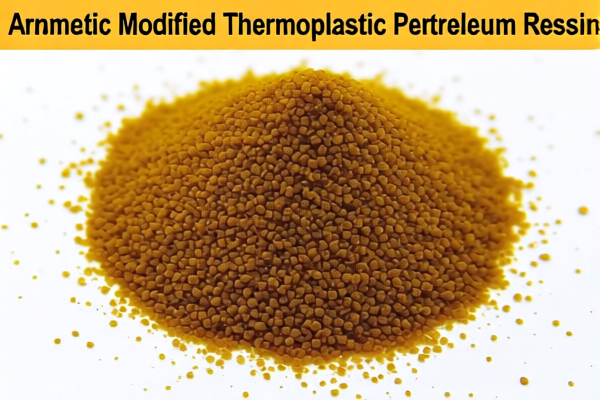
AI分析
🧪 Modified Aromatic Herbicide Smoke Agent
🌐 HS Code Reference & Customs Clearance Guide | 2026 Latest Tariff Analysis | Professional Classification Strategy
📌 Part I: Product Definition & Classification: Do You Truly Understand "Modified Aromatic Herbicide Smoke Agent"?
Modified Aromatic Herbicide Smoke Agent is a specialized agricultural or industrial chemical formulation. In international trade, its classification hinges on two critical factors:
1. Chemical Structure: The presence of "Modified Aromatic" compounds.
2. Function/State: It is a "Herbicide" (pesticide/agricultural chemical) prepared in a "Smoke Agent" format (likely a smoke pellet, fog, or aerosol formulation).
⚠️ Key Distinction Point:
- If classified under Chapter 29 (Organic Chemicals): The focus is on the specific chemical substance (e.g., Sulfonamides) and its pure or intermediate form, regardless of being a smoke agent.
- If classified under Chapter 38 (Miscellaneous Chemical Products): The focus is on the formulation (pesticides, herbicides, anti-knock compounds, etc.) prepared for use, often mixed with carriers.
- "Smoke Agent" vs. "Herbicide": While the delivery method is smoke, the active function is herbicidal. Customs authorities often prioritize the function (herbicide) over the physical form (smoke) unless the smoke generation itself is the primary purpose (e.g., military smoke screens), which is not the case here.
📦 Part II: HS Code Classification Details (2026 Latest Tariff Authority Comparison)
The provided data offers five potential HS Codes. Below is the detailed breakdown based on the matching logic and tax implications.
| HS Code | Product Description / Matching Logic | Tax Rate (Total) | Tax Detail Breakdown |
|---|---|---|---|
3808.59.10.00 |
Herbicides (Aromatic/Modified): Direct match. "Herbicide" matches function; "Modified Aromatic" matches material/chemical structure. | 16.5% | Base: 6.5%, Section 301/Additional: 0.0%, Section 122: 10% |
2935.90.13.00 |
Sulfonamides: Matches chemical attribute. "Herbicide" falls under Sulfonamide functional category; "Modified" is a form adjustment. No material/function conflict. | 10.0% | Base: 0.0%, Section 301/Additional: 0.0%, Section 122: 10% |
3808.93.15.00 |
Herbicides (Aromatic/Modified Mixture): Direct match. "Modified Aromatic Herbicide" aligns perfectly with "Contains Aromatic or Modified Aromatic Herbicides". | 41.5% | Base: 6.5%, Section 301/Additional: 25.0%, Section 122: 10% |
2935.90.95.00 |
Sulfonamides (Other): Matches chemical essence. Organic chemical within Sulfonamides. Uses "Other/n.e.s." (Not Elsewhere Specified) catch-all due to lack of specific structure. | 16.5% | Base: 6.5%, Section 301/Additional: 0.0%, Section 122: 10% |
3809.92.10.00 |
Agents with Aromatic Components: Matches "Aromatic" component. Mixture form falls under chemical preparations. | 41.5% | Base: 6.5%, Section 301/Additional: 25.0%, Section 122: 10% |
🔍 Key Insight:
- The biggest risk is misclassification between Chapter 29 (Pure Chemicals) and Chapter 38 (Prepared Formulations).
- Chapter 38 codes generally attract higher tariffs due to "Additional Duties" (likely Section 301 tariffs of 25% applied to Chinese origin goods).
- Chapter 29 codes may offer lower base duties but require proof of chemical purity/specific structure (Sulfonamides).
💰 Part III: 2026 Latest Tariff Rate Breakdown (Including Surtaxes & Policy Add-ons)
✅ Applicable Country: United States (US)
✅ Country of Origin: China (CN) (Inferred from Section 122 and 301 tariff structures)
✅ Effective Time: Current regulations (as of 2026)
🎯 1. 3808.59.10.00 —— Herbicides (Modified Aromatic)
| Item | Content |
|---|---|
| Base Duty Rate | 6.5% (ad valorem) |
| Section 301 Additional Duty | 0.0% (Not applicable for this specific subheading) |
| Section 122 Duty | +10% (Targeted agricultural/chemical import) |
| Total Duty Rate | 16.5% |
| Tax Calculation | CIF Value × 16.5% |
| De Minimis Exemption | ❌ Not Eligible (High-value chemical shipments usually exceed de minimis thresholds) |
| Legal Basis Path | HTSUS:3808.59.10 → Section 122: 10% |
📌 Explanation:
- This classification assumes the product is a prepared formulation (Chapter 38) but qualifies for a lower additional duty rate than other aromatic herbicides.
- Total 16.5% is moderate. It avoids the steep 25% Section 301 tariff often seen in Chapter 38.
🎯 2. 2935.90.13.00 —— Sulfonamides (Herbicidal Chemical)
| Item | Content |
|---|---|
| Base Duty Rate | 0.0% (Free entry for certain organic chemicals) |
| Section 301 Additional Duty | 0.0% (Exempt from Section 301) |
| Section 122 Duty | +10% |
| Total Duty Rate | 10.0% |
| Tax Calculation | CIF Value × 10.0% |
| De Minimis Exemption | ❌ Not Eligible |
| Legal Basis Path | HTSUS:2935.90.13 → Section 122: 10% |
📌 Explanation:
- This is the most cost-effective option if the active ingredient can be legally defined as a Sulfonamide.
- Requires proof that the "Modified Aromatic Herbicide" is chemically a Sulfonamide.
- Total 10% is the lowest burden.
🎯 3. 3808.93.15.00 —— Herbicides (Aromatic/Modified Mixture)
| Item | Content |
|---|---|
| Base Duty Rate | 6.5% |
| Section 301 Additional Duty | +25.0% (Standard Section 301 rate for many chemical preparations from China) |
| Section 122 Duty | +10% |
| Total Duty Rate | 41.5% |
| Tax Calculation | CIF Value × 41.5% |
| De Minimis Exemption | ❌ Not Eligible |
| Legal Basis Path | HTSUS:3808.93.15 → Section 301: 25% → Section 122: 10% |
📌 Warning:
- This is a high-risk, high-cost classification.
- The 25% Section 301 tariff significantly increases landed cost.
- Only apply if the product cannot be classified under Chapter 29 or the lower-tariff 3808.59.10.00.
🎯 4. 2935.90.95.00 —— Sulfonamides (Other)
| Item | Content |
|---|---|
| Base Duty Rate | 6.5% |
| Section 301 Additional Duty | 0.0% |
| Section 122 Duty | +10% |
| Total Duty Rate | 16.5% |
| Tax Calculation | CIF Value × 16.5% |
| De Minimis Exemption | ❌ Not Eligible |
| Legal Basis Path | HTSUS:2935.90.95 → Section 122: 10% |
📌 Explanation:
- Use this if the specific sulfonamide structure is not listed in2935.90.13.00.
- Same total rate as3808.59.10.00but under Chapter 29.
🎯 5. 3809.92.10.00 —— Agents with Aromatic Components
| Item | Content |
|---|---|
| Base Duty Rate | 6.5% |
| Section 301 Additional Duty | +25.0% |
| Section 122 Duty | +10% |
| Total Duty Rate | 41.5% |
| Tax Calculation | CIF Value × 41.5% |
| De Minimis Exemption | ❌ Not Eligible |
| Legal Basis Path | HTSUS:3809.92.10 → Section 301: 25% → Section 122: 10% |
📌 Explanation:
- Similar high tariff to3808.93.15.00.
- Likely applies if the product is viewed more as a general chemical agent with aromatic properties rather than a specific herbicide formulation.
🛠️ Part IV: Customs Clearance Practical Advice (Battle-Tested Guide)
✅ 1. Documentation Checklist (Non-Negotiable)
| Document | Required | Notes |
|---|---|---|
| ✅ Certificate of Analysis (CoA) | ✔️ | Must specify chemical structure (e.g., Sulfonamide content) and purity. Critical for Chapter 29 classification. |
| ✅ Product Specification Sheet | ✔️ | Detail the "Modified Aromatic" nature. Is it a blend? What is the active ingredient? |
| ✅ MSDS (Material Safety Data Sheet) | ✔️ | Required for all chemical imports. Shows hazmat status. |
| ✅ EPA Registration Certificate | ✔️ | Crucial for Herbicides. The EPA must have registered the product. Failure to provide = seizure. |
| ✅ Commercial Invoice | ✔️ | Clearly state: "Modified Aromatic Herbicide, Smoke Agent Formulation". Do not just write "Chemical". |
| ✅ Statement of Composition | ✔️ | Breakdown of active ingredients vs. inert carriers. |
✅ 2. Classification Strategy (Key Tips)
🔥 "Chemical Structure vs. Formulation: Choose Wisely!"
| Scenario | Recommended HS Code | Risk Level |
|---|---|---|
| Active Ingredient is Proven Sulfonamide | 2935.90.13.00 |
🟢 Low Risk, Low Tax (10%) |
| Herbicide Formulation, Aromatic, No 301 Duty | 3808.59.10.00 |
🟡 Medium Risk, Medium Tax (16.5%) |
| Generic Herbicide Mixture | 3808.93.15.00 |
🔴 High Risk, High Tax (41.5%) |
| Unknown/Unregistered Chemical | Do Not Import | ❌ Seizure Risk |
📌 Critical Tip:
- If you can prove the active herbicide is a Sulfonamide, classify under Chapter 29. This avoids the 25% Section 301 tariff applied to many Chapter 38 preparations.
- "Smoke Agent" is a physical form. Ensure the invoice emphasizes the herbicidal function, not just the smoke generation, to avoid misclassification under general chemical articles.
✅ 3. Special Circumstances
| Situation | Handling Advice |
|---|---|
| Unregistered with EPA | DO NOT SHIP. CBP will hold the shipment for FDA/EPA review. Result: Return or Destroy. |
| "Modified" Chemical | Provide a chemical diagram showing how the modification changes the structure (if applicable) or keeps it within the Sulfonamide class. |
| Small Sample Shipments | Even small shipments require EPA registration documentation. De minimis exemptions do not apply to regulated chemicals. |
| Mixed Containers | If mixed with non-regulated goods, ensure herbicide is clearly separated and documented. Mixed shipments may trigger full container inspection. |
🌍 Part V: Global Market Comparison (2026)
| Country/Region | Recommended HS Code | Approx. Duty | Key Requirement |
|---|---|---|---|
| 🇺🇸 USA | 2935.90.13.00 or 3808.59.10.00 |
10% - 16.5% | EPA Registration, FDA/USDA compliance |
| 🇨🇳 China | 3808.99.90 or 2935.90.00 |
Varies (5-13%) | Min. Admin License for Pesticides |
| 🇪🇺 EU | 3808.93 or 2935.00 |
6.5% + VAT | REACH Registration, CLP Labeling |
| 🇯🇵 Japan | 3808.99 or 2935.00 |
5-10% | Fertilizer & Pesticide Control Law |
📌 Conclusion:
- The USA is the most complex due to Section 301/122 tariffs and strict EPA enforcement.
- EPA Registration is the #1 bottleneck for herbicide imports into the US.
- Classifying under Chapter 29 (Sulfonamides) offers significant tariff savings over Chapter 38 formulations.
📌 Part VI: Common Mistakes & Pitfalls (Lessons Learned)
❌ Mistake 1: Classifying as "General Chemical" under 3824
👉 Consequence: Customs will reclassify to 3808 or 2935 based on function, leading to back taxes + penalties.
❌ Mistake 2: Omitting EPA Registration Number on Invoice
👉 Consequence: Shipment held indefinitely at CBP port. Storage fees accrue daily.
❌ Mistake 3: Claiming "Smoke Agent" as a non-pesticide item
👉 Consequence: Misdeclaration of function. If it kills plants, it’s a pesticide. Fraud risk.
❌ Mistake 4: Using Chapter 38 codes when Chapter 29 applies
👉 Consequence: Paying 41.5% tax instead of 10% tax. Unnecessary cost increase of 31.5%.
✅ Correct Approach:
"Modified Aromatic Herbicide (Sulfonamide Class), Smoke Pellet Formulation, EPA Reg. No. [XXXX-XXXX], For Agricultural Use Only"
🎯 Part VII: Conclusion: Professional Classification Saves Money!
🎯 Remember the Golden Rule:
🔹 "Structure Determines Chapter: Sulfonamides = Ch.29 (Low Tax). Formulation = Ch.38 (High Tax)."
🔹 "EPA Number is Mandatory: No Reg No., No Entry."
🔹 "Section 122 is Inevitable for Chemicals: Budget +10%."
📌 Pro Tip:
If your herbicide's active ingredient is a Sulfonamide, insist on HS Code
2935.90.13.00. This reduces your duty from 41.5% to 10%.
Prepare a Chemical Structure Analysis Report from your R&D team to support this classification.
📣 Immediate Action Required:
📞 Contact CBP for Advance Ruling if unsure about Chapter 29 vs. 38.
✅ Verify EPA Registration before shipping.
🚀 Optimize your supply chain cost by 30%+ through correct HS classification.
✨ Precision in Classification, Profit in Clearance!
💼 Every Dollar Saved in Duty is Pure Profit!
用户评价
关于 HS 编码归类
协调制度(HS)是由世界海关组织(WCO)制定的国际贸易商品分类标准。全球 200 多个国家采用 HS 系统作为海关关税、贸易统计和进出口监管的基础。
每个 HS 编码遵循以下层级结构:
- 章(2 位)——商品大类(例如:第 84 章:机器和机械设备)
- 品目(4 位)——章内的更具体分类
- 子目(6 位)——国际通用细分,所有 WCO 成员国统一使用
- 本国细分(8-10 位)——各国自行扩展的细分编码,如美国 HTSUS 10 位编码
正确的 HS 编码归类对于顺利通关、准确缴纳关税和遵守贸易法规至关重要。错误归类可能导致海关延误、多缴关税或罚款。
从CN进口到US时,适用的关税税率可能包括:
- 最惠国(MFN)税率——适用于 WTO 成员国的标准关税税率
- 普通税率——适用于无贸易协定国家
- 贸易救济关税——附加关税,如 301 条款(反倾销)、232 条款(国家安全)或反补贴税
本页内容仅供参考。如需正式归类,请咨询当地海关或持牌报关代理。