Modified Polystyrene Polymer
CN → US| HS编码 | 关税税率 | 原产国 | 目的国 | 文档 |
|---|---|---|---|---|
| 3903905000 | 41.5% | CN | US | 官方文档 |
| 3903901000 | 41.5% | CN | US | 官方文档 |
| 3902300000 | 41.5% | CN | US | 官方文档 |
| 3902900050 | 41.5% | CN | US | 官方文档 |
| 3901905501 | 41.5% | CN | US | 官方文档 |
商品图片
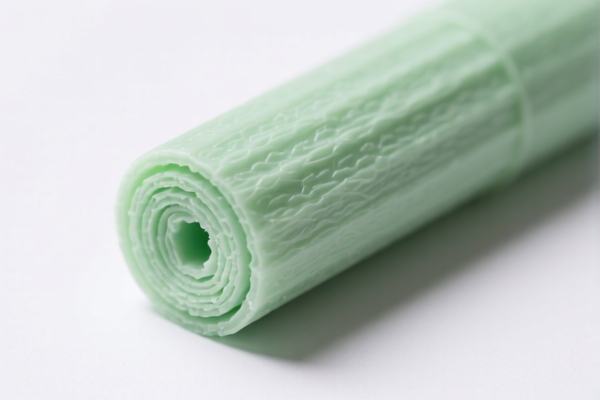
AI分析
🧪 Modified Polystyrene & Polyolefin Resins (Industrial Polymers)
🌐 HS Code Reference & Customs Clearance Guide | 2026 Latest Tariff Analysis | Professional Clearance Strategy
📌 I. Product Definition: What Are "Modified Polymers"?
Modified Polymers are plastics that have been chemically or physically altered to enhance specific properties (such as impact resistance, heat stability, or flexibility) beyond their virgin state. In international trade, they are primarily classified under Chapter 39 (Plastics and Articles Thereof), specifically focusing on primary forms (pellets, powder, granules) rather than finished goods.
Based on the provided data, the product falls into two main chemical categories: 1. Modified Polystyrene (MPS): Derived from styrene monomers. Often modified with rubber (HIPS) or other additives. 2. Modified Polyolefins: Derived from ethylene or propylene. Includes PP (Polypropylene) and PE (Polyethylene) blends.
⚠️ Key Classification Distinction:
- "Primary Form" vs. "Other Forms": Customs strictly distinguishes between raw materials (pellets/granules) and pre-molded shapes. All HS Codes below refer to Primary Forms (resins, granules, powders). - "Modified" Status: Even if additives are mixed, if the base polymer remains identifiable, it is classified under the base polymer's code, not as a general plastic waste or mixed plastic.
📦 II. HS Code Classification Matrix (Based on Provided Data)
The following 5 HS Codes cover the spectrum of Modified Polystyrene and Modified Polyolefin resins. All items listed below incur a Total Effective Tax Rate of 41.5% when imported from China to the US.
| HS Code | Product Description | Material Type | Physical Form | Classification Logic |
|---|---|---|---|---|
| 3903.90.50.00 | Modified Polystyrene Resin | Polystyrene | Resin | Classified under "Other" styrene polymers. Used for non-rigid or specific modified PS grades. |
| 3903.90.10.00 | Modified Polystyrene Resin | Polystyrene | Primary Shape | Classified under "Primary Forms" of other styrene polymers. Standard granule/pellet form. |
| 3902.30.00.00 | Modified Polyolefin Resin | Polyolefin | Resin | Covers Polypropylene (PP) and other olefin polymers in primary form. |
| 3902.90.00.50 | Modified Polyolefin Resin | Propylene/Olefins | Primary Shape | Specific sub-category for other olefin polymers (e.g., specialized PP blends) in primary shape. |
| 3901.90.55.01 | Modified Polyolefin Resin | Ethylene Polymer | Primary Shape | Specifically for Ethylene Copolymers (e.g., EVA, EVA-AC) in primary shape. |
🔍 Critical Note:
- 3903 = Styrene Polymers (Polystyrene, ABS, SAN, etc.)
- 3902 = Olefin Polymers (Polypropylene, Polyethylene, etc.)
- 3901 = Polyethylene (Specifically Ethylene-based, often grouped with 3901 for specific sub-headings)
- "Modified" does not create a new HS Code; it remains under the base polymer code unless it becomes a distinct chemical substance.
💰 III. 2026 Tariff Rate Breakdown (Detailed Tax Analysis)
✅ Applicable Country: United States (US)
✅ Origin: China (CN)
✅ Effective Date: Current Trade War / Section 301 Tariffs Still Active
✅ Total Effective Tax Rate: 41.5%
🎯 Universal Tax Structure for All 5 HS Codes
All listed HS codes share the exact same tax structure due to Section 301 and IEEPA measures against Chinese plastics.
| Tax Component | Rate | Description & Legal Basis |
|---|---|---|
| Base Duty (MFN) | 6.5% | Most Favored Nation rate for plastics under Chapter 39. Standard WTO tariff. |
| Section 301 Tariff | 25.0% | Trade War Tariff. Imposed under US Trade Act of 1974, Section 301. Applies to almost all Chinese plastics. |
| IEEPA Tariff (122) | 10.0% | Additional Tariff. Often referred to as "122 Clause" or specific IEEPA add-on for strategic sectors. |
| Total Effective Rate | 41.5% | Sum of all above. This is the landed cost multiplier before freight and insurance. |
📌 Explanation of the 41.5% Burden:
- 6.5% Base: Paid to US CBP for standard import.
- 25.0% Section 301: This is the heavy hitter. It is non-negotiable for Chinese-origin goods unless a specific exclusion is granted (rare and temporary).
- 10.0% IEEPA: An additional surcharge applied to specific categories of Chinese imports.
- Calculation:(CIF Value + Base Duty) * 25% + Base Duty + IEEPA≈ 41.5% of CIF Value.
- No De Minimis Exemption: These tariffs apply to all shipments, regardless of value. Section 321 (de minimis) does NOT apply to Section 301 goods.
🛠️ IV. Customs Clearance Practical Advice (Avoiding Delays & Seizures)
✅ 1. Essential Documentation Checklist
| Document | Requirement | Why It’s Critical |
|---|---|---|
| ✅ Material Safety Data Sheet (MSDS) | Mandatory | Proves the chemical composition. Must state "Polystyrene" or "Polypropylene" explicitly. |
| ✅ Certificate of Origin (CO) | Mandatory | Must state Country of Origin: China. Mislabeling as "Made in USA" or "Vietnam" leads to fraud allegations and penalties. |
| ✅ Commercial Invoice | Detailed | Must list: 1. HS Code 2. Description: "Modified Polystyrene Resin, Primary Form" 3. Net/Gross Weight 4. Country of Origin: PRC |
| ✅ Bill of Lading (B/L) | Consistent | Shipper/Consignee names must match invoice. Marks must align with packing list. |
| ✅ Packaging List | Itemized | Clearly describe contents as "Plastic Resin Granules/Pellets." Do NOT use vague terms like "Plastic Parts" if it's raw material. |
✅ 2. Classification Strategy & Pitfalls
| Scenario | Correct Action | ❌ Common Mistake | Consequence |
|---|---|---|---|
| Product is Mixed Resin | Declare as Polyolefin or Polystyrene depending on the principal material. | Labeling as "Mixed Plastic" or generic "Plastic Pellets." | Customs may reclassify, leading to higher duty or rejection. |
| Product is Pellets vs. Powder | Both fall under "Primary Form". | Claiming powder is "waste" or "scrap." | Scrap has different (often higher) duties and stricter EPA rules. |
| Importing from China | Must pay 41.5%. No exemptions for small shipments. | Trying to use "De Minimis" (Section 321) for packages <$800. | SHIPPED SEIZED. Section 301 does not apply de minimis. |
| Transshipment via Vietnam/Mexico | Do NOT falsify origin. | Changing label to "Made in Vietnam" without substantial transformation. | FDPR (Foreign Direct Product Rule) violation. Heavy fines + blacklisting. |
✅ 3. Pro-Tips for Cost Optimization
- Pre-Arrival Review (PARS): Submit a binding ruling request to US CBP if you have a complex blend. This confirms your HS Code before shipment, preventing hold-ups at the port.
- Supply Chain Audit: Ensure your supplier provides accurate MSDS that matches the declared HS Code. If the MSDS says "ABS Polymer" but you declare "Polystyrene," it will be flagged.
- Container Consolidation: Since tariffs are percentage-based, consolidating shipments doesn’t lower the % rate, but it reduces freight costs per unit, partially offsetting the high duty.
- Avoid "Modified" Ambiguity: In the invoice description, use precise chemical names. Instead of "Modified Plastic," write "Modified Polystyrene Resin, Primary Form, Grade XYZ."
🌍 V. Global Market Comparison (2026 Outlook)
| Region | HS Code Range | Duty Rate (China Origin) | Key Requirement |
|---|---|---|---|
| 🇺🇸 United States | 3903.90 / 3902.30 / 3901.90 | 41.5% (High Barrier) | Strict Section 301 enforcement. No de minimis. |
| 🇨🇳 China (Import) | 3903 / 3902 | ~5-6.5% (MFN) | Standard customs clearance. No punitive tariffs. |
| 🇪🇺 European Union | 3903 / 3902 | 0-6.5% | REACH Registration mandatory for polymers. EPR (Extended Producer Responsibility) for packaging. |
| 🇮🇳 India | 3903 / 3902 | 7.5-10% | BIS Certification may be required for specific plastic standards. |
| 🇬🇧 United Kingdom | 3903 / 3902 | 0-6.5% | Post-Brexit rules apply. UK EPR charges for packaging. |
📌 Conclusion for US Importers:
The 41.5% tariff is a significant cost driver. It is non-avoidable for direct shipments from China.
Strategy: Consider sourcing from Vietnam, Thailand, or Malaysia (if substantial transformation occurs) to potentially reduce or eliminate Section 301 duties, but ensure compliance with US Customs Anti-Evasion Laws.
📌 VI. Common Errors & Avoidance Guide (Lessons Learned)
❌ Error 1: Mislabeling "Modified Polystyrene" as "Plastic Waste"
👉 Result: Higher duties, EPA violation, and shipment rejection.
✅ Fix: Always declare as "Resin" or "Primary Form."
❌ Error 2: Ignoring the 10% IEEPA Add-on
👉 Result: Underpayment of duties, leading to penalties and interest upon audit.
✅ Fix: Ensure your freight forwarder calculates taxes based on Base + 25% + 10%.
❌ Error 3: Using "General Plastic" as Description
👉 Result: Customs officer has to guess the HS Code, leading to manual examination and delays.
✅ Fix: Be specific: "Modified Polystyrene Resin, White Pellets, Primary Form."
❌ Error 4: Assuming De Minimis Applies
👉 Result: Package seized at border if value <$800 but from China.
✅ Fix: Pay full duties regardless of package size.
🎯 VII. Final Recommendation: Smart Clearance Strategy
🎯 Remember These Key Points:
🔹 "41.5% is the floor, not the ceiling." – Any error leads to higher costs.
🔹 "Primary Form is Key." – Ensure your product is in pellets/granules/powder. Finished parts have different HS codes and potentially different duties.
🔹 "Origin is King." – If you change origin, you must change the Manufacturing Process, not just the paperwork.
📌 Action Plan for Importers: 1. Verify Material: Confirm if your product is Polystyrene (3903) or Polyolefin (3902/3901). 2. Confirm Form: Ensure it is Primary Form (Resin/Pellets). 3. Calculate Landed Cost: Add 41.5% to CIF value. 4. Engage Specialist: Use a broker experienced in Section 301 goods to avoid classification traps. 5. Document Rigorously: MSDS, Invoice, B/L, and CO must be 100% consistent.
✨ Professional clearance starts with accurate classification!
💼 In the world of high-tariff plastics, precision saves thousands.
用户评价
关于 HS 编码归类
协调制度(HS)是由世界海关组织(WCO)制定的国际贸易商品分类标准。全球 200 多个国家采用 HS 系统作为海关关税、贸易统计和进出口监管的基础。
每个 HS 编码遵循以下层级结构:
- 章(2 位)——商品大类(例如:第 84 章:机器和机械设备)
- 品目(4 位)——章内的更具体分类
- 子目(6 位)——国际通用细分,所有 WCO 成员国统一使用
- 本国细分(8-10 位)——各国自行扩展的细分编码,如美国 HTSUS 10 位编码
正确的 HS 编码归类对于顺利通关、准确缴纳关税和遵守贸易法规至关重要。错误归类可能导致海关延误、多缴关税或罚款。
从CN进口到US时,适用的关税税率可能包括:
- 最惠国(MFN)税率——适用于 WTO 成员国的标准关税税率
- 普通税率——适用于无贸易协定国家
- 贸易救济关税——附加关税,如 301 条款(反倾销)、232 条款(国家安全)或反补贴税
本页内容仅供参考。如需正式归类,请咨询当地海关或持牌报关代理。