Molded Lignite Briquettes
CN → US| HS编码 | 关税税率 | 原产国 | 目的国 | 文档 |
|---|---|---|---|---|
| 2702200000 | 35.0% | CN | US | 官方文档 |
| 2702100000 | 35.0% | CN | US | 官方文档 |
| 2701190010 | 35.0% | CN | US | 官方文档 |
| 2701190050 | 35.0% | CN | US | 官方文档 |
商品图片
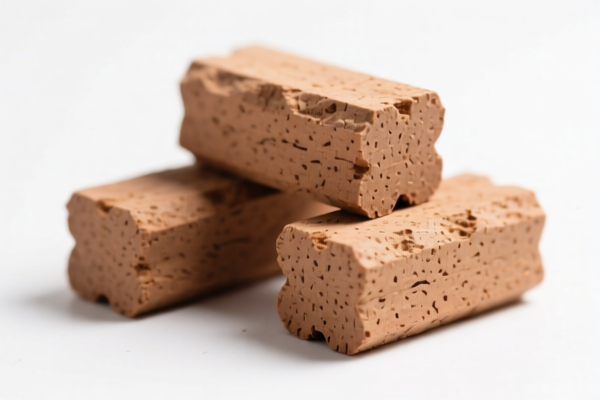
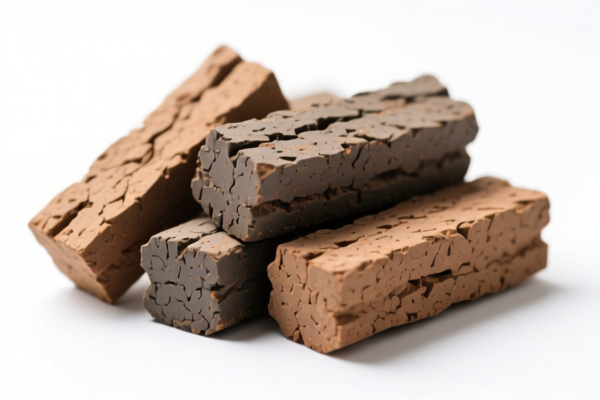
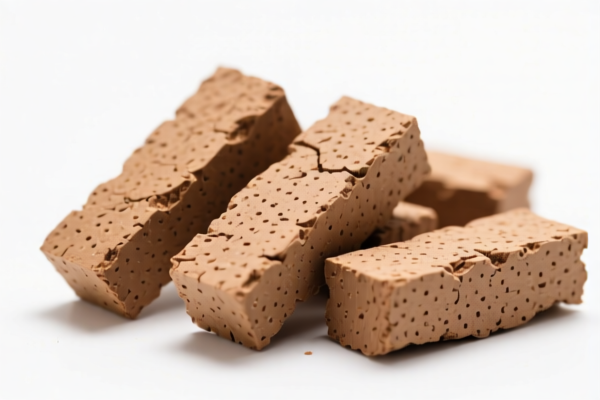
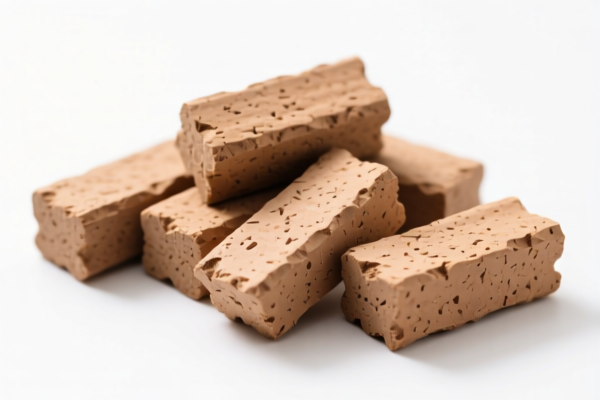
AI分析
🔥 Lignite Briquettes (Molded Coal) – 2026 US Import Clearance & Tax Strategy Guide
🌐 HS Code Reference & Customs Clearance Guide | 2026 Latest Tariff Analysis | Professional Clearance Strategy
📌 I. Product Definition & Classification: What Exactly Are "Molded Lignite Briquettes"?
Lignite Briquettes are solid fuel products derived from lignite (a low-rank brown coal). In international trade, their classification depends strictly on their physical state and processing method:
- Molded/Briquetted (Agglomerated): Lignite powder or fines are compressed under high pressure into a specific shape (cylindrical, hexagonal, etc.). This process changes its physical structure from loose powder to a dense, solid block. → Classified under Heading 2702.
- Natural/Non-agglomerated: Lignite in its natural lump form, merely mined and crushed/sieved without binding agents or high-pressure molding that creates a distinct "briquette" structure. → Classified under Heading 2702 or 2701 depending on rank details.
⚠️ Key Distinction Point:
- If the product is compressed into a specific shape (briquettes), it is considered agglomerated lignite →归入 2702.20.00.00.
- If the product is natural lumps (crushed brown coal without agglomeration), it is natural lignite →归入 2702.10.00.00.
- Note on Subheadings 2701: While lignite is technically a type of coal, the US Harmonized Tariff Schedule (HTSUS) specifically segregates lignite (subheading 2702) from other coals like bituminous or sub-bituminous (heading 2701). However, some brokers may misclassify lignite under 2701.19 if they ignore the specific lignite heading. 2702 is the more precise heading for lignite.
📦 II. HS Code Classification Details (2026 HTSUS)
| HS Code | Product Description | Application Scenario | Agglomerated? |
|---|---|---|---|
2702.20.00.00 |
Lignite, agglomerated (Molded Briquettes) | Compressed brown coal blocks/briquettes for industrial fuel | ✅ Yes |
2702.10.00.00 |
Lignite, non-agglomerated (Natural Lumps) | Natural brown coal lumps, crushed but not bound/molded | ❌ No |
2701.19.00.10 |
Bituminous coal, non-caking (Misclassification Risk) | If misidentified as sub-bituminous or bituminous rather than lignite | ❌ No (Incorrect for Lignite) |
2701.19.00.50 |
Other coal, non-caking (Misclassification Risk) | If misidentified as general coal rather than lignite | ❌ No (Incorrect for Lignite) |
🔍 Critical Reminder:
- "Molded" = Agglomerated. If the product is shaped via compression, it must go to 2702.20.00.00.
- Do not classify molded lignite under 2701.19.10 or 2701.19.50. Those codes are for other coals (like bituminous or anthracite), not lignite. Lignite has its own specific heading (2702).
- If the "briquettes" are just loose lumps, use 2702.10.00.00.
💰 III. 2026 Latest Tariff Rate Details (Including Additional Taxes & Policy Surcharges)
✅ Applicable Country: United States (US)
✅ Origin: China (CN)
✅ Effective Date: From November 10, 2025 onwards (for subsequent imports)
🎯 1. 2702.20.00.00 —— Lignite, Agglomerated (Molded Briquettes)
| Item | Details |
|---|---|
| Base Duty Rate | 0.0% (Ad Valorem) |
| Section 301 Additional Duty | +25.0% (USITC Footnote 9903.27.02) |
| Section 122 Duty (IEEPA) | +10.0% (Targeting China/Hong Kong Products, effective Nov 10, 2025) |
| Total Duty Rate | 35.0% |
| Tax Calculation | CIF Value × 35% |
| De Minimis Exemption? | ❌ No (deny_de_minimis applies to Section 301 and 122 goods) |
| Legal Basis Path | IEEPA:9903.01.10 → USITC:2702.20.00.00 → FOOTNOTE:9903.27.02 |
📌 Explanation:
- "0% Base Duty": Lignite is a raw mineral fuel with a low base tariff.
- "25% Section 301": This is the standard additional tariff on Chinese coal products under US Trade Law Section 301.
- "10% Section 122": This is a new/adjusted surcharge under the International Emergency Economic Powers Act (IEEPA) targeting specific Chinese energy/raw materials.
- Total 35%: This is a high cost item. You must factor this into your pricing model.
🎯 2. 2702.10.00.00 —— Lignite, Non-Agglomerated (Natural Lumps)
| Item | Details |
|---|---|
| Base Duty Rate | 0.0% (Ad Valorem) |
| Section 301 Additional Duty | +25.0% (USITC Footnote 9903.27.01) |
| Section 122 Duty (IEEPA) | +10.0% (Targeting China/Hong Kong Products) |
| Total Duty Rate | 35.0% |
| Tax Calculation | CIF Value × 35% |
| De Minimis Exemption? | ❌ No (deny_de_minimis applies) |
| Legal Basis Path | IEEPA:9903.01.10 → USITC:2702.10.00.00 → FOOTNOTE:9903.27.01 |
📌 Note:
- Even though it's "natural," it is still subject to the same 301 and 122 surcharges.
- The total rate is identical to agglomerated lignite.
🎯 3. 2701.19.00.10 & 2701.19.00.50 —— Misclassification Warning
⚠️ Important: If you incorrectly classify molded lignite under these "Other Coal" codes: - Base Rate: 0.0%
- Section 301: +25.0%
- Section 122: +10.0%
- Total: 35.0%
- Risk: While the rate is the same, misclassification can lead to customs audits, delays, or penalties if the product is proven to be lignite (which belongs in 2702) rather than bituminous/sub-bituminous coal (2701). Customs may reject the entry if the chemical analysis shows high moisture/low rank characteristic of lignite.
🛠️ IV. Customs Clearance Practical Advice (Real-World Pitfall Guide)
✅ 1. Required Documentation Checklist
| Document | Required | Description |
|---|---|---|
| ✅ Product Specification Sheet | ✔️ | Must state: Moisture content, ash content, caloric value, and agglomeration process. |
| ✅ Photos of Product | ✔️ | Clear images showing the briquette shape (cylindrical, hexagonal, etc.) to prove agglomeration. |
| ✅ Bill of Lading/Invoice | ✔️ | Description should read: "Molded Lignite Briquettes" or "Agglomerated Lignite". Avoid vague terms like "Coal" or "Fuel." |
| ✅ Certificate of Origin | ✔️ | Essential for determining country of origin for Section 301/122 applicability. |
| ✅ Packing List | ✔️ | Detail net/gross weight. Ensure weights match the invoice. |
| ✅ Lab Test Report (ASTM D3172/D3174) | ✔️ | To prove it is Lignite (not bituminous) and to confirm moisture/ash levels if required by specific importer criteria. |
✅ 2. Declaration Tips (Key Mantras)
🔥 "Shape Defines Code, Lignite Goes to 2702, 35% is the Price, Be Specific!"
| Scenario | Correct Declaration | Incorrect Action |
|---|---|---|
| Molded/Pressed Lignite | 2702.20.00.00 Description: "Lignite Briquettes, Agglomerated" |
Calling it "Bituminous Coal" or "Industrial Fuel" |
| Natural Lumps | 2702.10.00.00 Description: "Natural Lignite Lumps" |
Calling it "Briquettes" or "Pellets" |
| Mixed Shipment | Clearly separate lines in invoice | Mixing natural lumps and briquettes in one line item |
✅ 3. Special Handling & Risk Mitigation
| Situation | Recommendation |
|---|---|
| Customs Audit on "Lignite" vs "Other Coal" | Provide an ASTM coal analysis report proving high moisture (>30%) and low calorific value, characteristic of lignite. This justifies HS Code 2702. |
| Section 122 Applicability | Confirm with your customs broker if the specific product falls under the latest IEEPA directives. Since Nov 2025, many raw materials from China are subject to the 10% IEEPA surcharge. |
| De Minimis (Section 321) Exemption? | ❌ Do NOT attempt. Coal products are generally excluded from de minimis exemptions if they fall under Section 301 or 122. Small shipments (under $800) may still be taxed at 35%. |
| Environmental/Quality Standards | Ensure the lignite meets EPA or state-specific emission standards if used for combustion. High sulfur content may trigger additional environmental fees. |
🌍 V. Global Market Comparison (2026)
| Country/Region | Recommended HS Code | Total Duty Rate (CN Origin) | Certification/Notes |
|---|---|---|---|
| 🇺🇸 USA | 2702.20.00.00 |
35% (0% Base + 25% 301 + 10% 122) | Strict on agglomeration proof. |
| 🇨🇳 China | 2702.20.00.00 |
Varies (Export Tax Rebate Applies) | Export rebates may offset costs. |
| 🇪🇺 EU | 2702.20.00 |
0% (Base) | No Section 301/122. Watch for Carbon Border Tax (CBAM) implications. |
| 🇮🇳 India | 2702.20.00 |
~5-10% | Lower duties than US, but high logistical costs. |
| 🇦🇺 Australia | 2702.20.00 |
0% | No major surcharges on Chinese coal. |
📌 Conclusion:
- The USA is the most expensive market due to the 35% combined tariff.
- Lignite (2702) is the correct heading, not Bituminous (2701).
- Always provide physical evidence (photos/specs) of "molding" to justify 2702.20.00.00.
📌 VI. Common Errors & Pitfalls (Lessons Learned)
❌ Error 1: Classifying molded lignite under 2701.19.00.50 (Other Coal)
👉 Consequence: Customs may reject the entry because lignite has a specific heading (2702). Even if the rate is similar, misclassification leads to delays and potential penalties for inaccurate reporting.
❌ Error 2: Claiming "De Minimis" Exemption for shipments under $800
👉 Consequence: Coal products subject to Section 301/122 are excluded from de minimis. You will still owe 35% duty.
❌ Error 3: Vague Description ("Coal Lumps")
👉 Consequence: Customs cannot determine if it’s agglomerated or natural. They may inspect, hold the shipment, or assign a higher duty code based on uncertainty.
✅ Correct Practice:
"Molded Lignite Briquettes, Agglomerated, ASTM D3172 Moisture: 35%, Calorific Value: 8,500 BTU/lb, Made in China"
🎯 VII. Conclusion: Professional Clearance, Cost Control!
🎯 Remember the Mantra:
🔹 "Molded = Agglomerated = 2702.20"
🔹 "35% Total Duty (0+25+10)"
🔹 "No De Minimis, No Exemption!"
🔹 "Specs Prove Lignite, Photos Prove Molded!"
📌 Pro Tip:
If you are importing large volumes, consider applying for an HTSUS Exclusion under Section 301 if your product qualifies (though coal is rarely excluded). Always consult with a licensed customs broker to verify the latest Section 122 applicability, as policies can change frequently.
📣 Immediate Action:
📞 Engage a professional customs broker
📄 Prepare ASTM Lab Reports & Product Photos
🚀 Accurate Classification = Smooth Customs + Predictable Costs!
✨ Professional Clearance Starts with Precise Classification!
💼 Every 1% of Duty Saved is Pure Profit Gained!
用户评价
关于 HS 编码归类
协调制度(HS)是由世界海关组织(WCO)制定的国际贸易商品分类标准。全球 200 多个国家采用 HS 系统作为海关关税、贸易统计和进出口监管的基础。
每个 HS 编码遵循以下层级结构:
- 章(2 位)——商品大类(例如:第 84 章:机器和机械设备)
- 品目(4 位)——章内的更具体分类
- 子目(6 位)——国际通用细分,所有 WCO 成员国统一使用
- 本国细分(8-10 位)——各国自行扩展的细分编码,如美国 HTSUS 10 位编码
正确的 HS 编码归类对于顺利通关、准确缴纳关税和遵守贸易法规至关重要。错误归类可能导致海关延误、多缴关税或罚款。
从CN进口到US时,适用的关税税率可能包括:
- 最惠国(MFN)税率——适用于 WTO 成员国的标准关税税率
- 普通税率——适用于无贸易协定国家
- 贸易救济关税——附加关税,如 301 条款(反倾销)、232 条款(国家安全)或反补贴税
本页内容仅供参考。如需正式归类,请咨询当地海关或持牌报关代理。