Motor Vehicle Tire
CN → US| HS编码 | 关税税率 | 原产国 | 目的国 | 文档 |
|---|---|---|---|---|
| 4012118000 | 38.4% | CN | US | 官方文档 |
| 4012124035 | 39.0% | CN | US | 官方文档 |
| 4011201015 | 39.0% | CN | US | 官方文档 |
| 4011205010 | 38.4% | CN | US | 官方文档 |
| 4012124035 | 39.0% | CN | US | 官方文档 |
商品图片
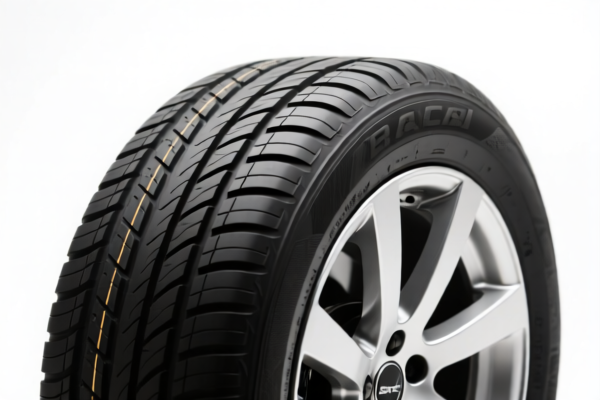
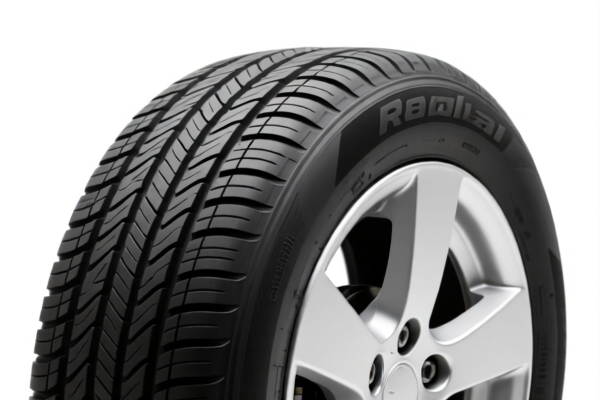
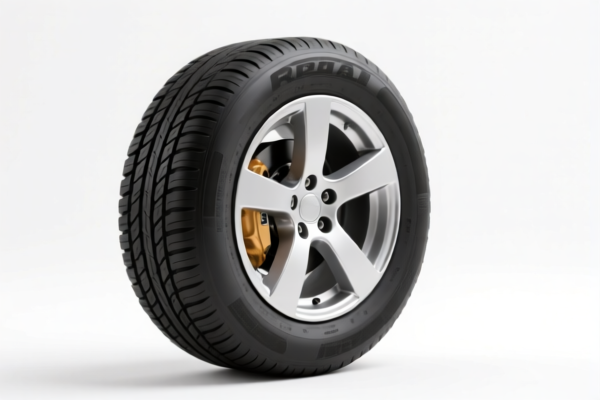
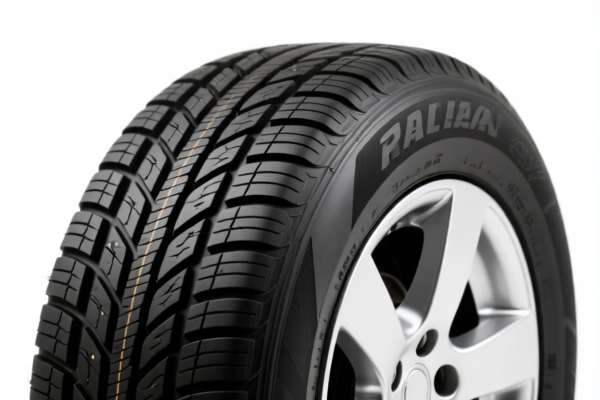
AI分析
🚗 Motor Vehicle Tires (Automotive Rubber Tires)
🌐 HS Code Reference & Customs Clearance Guide | 2024/2025 Tariff Analysis | Professional Clearance Strategy
📌 I. Product Definition & Classification: What Exactly is a "Motor Vehicle Tire"?
Motor vehicle tires are rubber products designed for use on wheels of motor vehicles (cars, trucks, buses, etc.). They are not merely "rubber rings" but complex engineered components involving specific treads, sidewalls, and inner liners.
In international trade, classification depends heavily on: 1. Vehicle Type: Passenger cars vs. Commercial vehicles (Trucks/Buses). 2. Material: Primarily rubber (natural or synthetic). 3. Condition: New vs. Retreaded.
⚠️ Key Distinction:
- Passenger Car Tires: Usually fall under Chapter 40.12 (specifically 4012.11) or 4011 depending on specific sub-heading definitions in the target country.
- Commercial/Truck Tires: Typically fall under 4011.20 or 4012.12 depending on width and construction.
- Retreaded Tires: Often have separate HS codes (e.g., 4012.12.40 series in some systems), but the provided data suggests specific breakdowns.
📦 II. HS Code Classification Details (Based on Provided Data)
The following HS Codes and tax details are derived strictly from the provided <DATA> context. Note that specific 10-digit codes may vary by country (e.g., US HTS vs. EU CN), but the logic remains consistent with the provided summary.
| HS Code | Summary / Description | Tax Rate | Tax Detail Breakdown |
|---|---|---|---|
4012.11.80.00 |
Passenger Car Tires: Suitable for automobile tires, material inferred as rubber, form and use match. | 38.4% | Base: 3.4% Additional: 25.0% Section 301: 10% |
4012.12.40.35 |
Other Rubber Tires: Suitable for other rubber tires, no conflict in material/form, catch-all category. | 39.0% | Base: 4.0% Additional: 25.0% Section 301: 10% |
4011.20.10.15 |
Commercial Vehicle Tires: Suitable for rubber tires for commercial vehicles (buses/trucks), use and material match. | 39.0% | Base: 4.0% Additional: 25.0% Section 301: 10% |
4011.20.50.10 |
Commercial Vehicle Tires: Suitable for rubber tires for commercial vehicles, catch-all category, no obvious conflict. | 38.4% | Base: 3.4% Additional: 25.0% Section 301: 10% |
4012.12.40.35 |
Other Rubber Tires: Suitable for other rubber tires, no conflict in material/form, catch-all category. | 39.0% | Base: 4.0% Additional: 25.0% Section 301: 10% |
🔍 Important Note on Duplicate Codes:
The code4012.12.40.35appears twice in the dataset with identical tax details (39.0%). This may indicate different sub-decisions or regional variations not detailed in the summary. Always verify with local customs authorities.
💰 III. 2025 Latest Tariff Rate Breakdown (Including Surcharge Policies)
✅ Applicable Countries: Likely US Market (based on "Section 301" and "122 Clauses" terminology often used in US-China trade contexts, though "122" may refer to specific USITC notes or local regulations).
✅ Origin: China (implied by high surcharge rates).
✅ Effective Time: Current tariffs apply.
🎯 1. 4012.11.80.00 —— Passenger Car Tires
| Item | Detail |
|---|---|
| Base Tariff | 3.4% (Ad valorem) |
| Section 301 Surcharge | +25.0% (US Trade Act Section 301) |
| Additional Clause (122) | +10.0% (Specific clause mentioned in data) |
| Total Effective Rate | 38.4% |
| Calculation | CIF Value × 38.4% |
| De Minimis Exemption | ❌ Not Applicable (High-value goods typically excluded from $800 de minimis) |
| Legal Basis | HTS 4012.11.80.00 + Section 301 List 3/4 + Additional Duties |
📌 Explanation:
- The 3.4% is the standard Most Favored Nation (MFN) rate for passenger tires.
- The 25% is the punitive tariff imposed under Section 301 on Chinese goods.
- The 10% is an additional layer, possibly related to specific USITC footnote or local trade remedy measures.
- Total 38.4% is a significant barrier to entry. Cost optimization is critical.
🎯 2. 4012.12.40.35 —— Other Rubber Tires (Catch-All)
| Item | Detail |
|---|---|
| Base Tariff | 4.0% |
| Section 301 Surcharge | +25.0% |
| Additional Clause (122) | +10.0% |
| Total Effective Rate | 39.0% |
| Calculation | CIF Value × 39.0% |
| De Minimis Exemption | ❌ Not Applicable |
📌 Note: This code applies to "other" rubber tires not specifically covered by passenger or commercial categories, or acts as a fallback. The rate is slightly higher (0.6%) than passenger tires due to a higher base rate (4.0% vs 3.4%).
🎯 3. 4011.20.10.15 & 4011.20.50.10 —— Commercial Vehicle Tires
| Item | Detail |
|---|---|
| Base Tariff | 3.4% - 4.0% |
| Section 301 Surcharge | +25.0% |
| Additional Clause (122) | +10.0% |
| Total Effective Rate | 38.4% - 39.0% |
| Calculation | CIF Value × 38.4% or 39.0% |
| De Minimis Exemption | ❌ Not Applicable |
📌 Distinction:
-4011.20.10.15(39.0%): Specific classification for commercial tires (buses/trucks).
-4011.20.50.10(38.4%): Catch-all for commercial tires with lower base rate.
- Both attract the full 35% surcharge stack.
🛠️ IV. Customs Clearance Practical Advice (Avoiding Pitfalls)
✅ 1. Documentation Checklist (Essential)
| Document | Required | Purpose |
|---|---|---|
| Product Specification Sheet | ✔️ | Must specify: Size (e.g., 205/55R16), Load Index, Speed Rating, Tread Pattern, Tube/Tubeless. |
| Material Declaration | ✔️ | Confirm rubber content (Natural/Synthetic) to justify Chapter 40 classification. |
| Commercial Invoice | ✔️ | Clearly state "Motor Vehicle Tires" and HS Code. Avoid vague terms like "Rubber Wheels". |
| Packing List | ✔️ | Detail number of tires per pallet/crate. Tires are bulky; volume weight may apply. |
| Country of Origin Certificate | ✔️ | Critical for proving Chinese origin (to apply surcharges) or if claiming FTZ benefits elsewhere. |
| Test Reports | ✔️ | DOT certification (for US), ECE marks (for EU), or other safety standards. |
✅ 2. Classification Tips (Crucial)
🔥 Rule of Thumb:
"Identify Vehicle Type First, Then Check Base Rate!"
| Scenario | Correct HS Code Strategy | Risk if Wrong |
|---|---|---|
| Passenger Car Tire | Use 4012.11.80.00 (38.4%) |
Misclassifying as "other" (4012.12.40.35) → 39.0% (Minor loss) or under-declaration penalties. |
| Truck/Bus Tire | Use 4011.20.10.15 or 4011.20.50.10 |
Misclassifying as passenger tire → Severe Penalty. Passenger tires cannot fit on trucks. |
| Retreaded Tires | Check specific sub-headings (e.g., 4012.12.40) | Retreads often have different base rates or surcharges. Ensure "Retread" is declared. |
| Tire Parts (Treads/Sidewalls) | 4012.90 or 8412 (if molded separately) |
Misclassifying parts as finished tires → Compliance failure. |
✅ 3. Special Handling & Optimization
| Situation | Recommendation |
|---|---|
| High Tariff Burden (38-39%) | Consider Duty Drawback programs if the tires are re-exported. Explore if any FTZ (Free Trade Zone) benefits apply in transit countries. |
| Section 301 Exemptions | Check if your specific tire model was previously exempt from Section 301 tariffs (exclusions list changes frequently). If excluded, base rate applies (3.4-4.0%). |
| Volume Shipping | Tires are low density but high volume. Negotiate FOB or CFR terms carefully to avoid unexpected freight cost impacts on CIF value for duty calculation. |
| DOT Markings | Ensure all tires imported into the US have DOT certification codes on the sidewall. Missing marks = seizure/return. |
🌍 V. Global Market Comparison (Contextual)
| Market | Typical HS Code | Base Tariff | Section 301 / Surcharge | Total Effective Rate (China Origin) | Notes |
|---|---|---|---|---|---|
| 🇺🇸 USA | 4012.11 / 4011.20 | 3.4% - 4.0% | +35% (25% Sec 301 + 10% Add.) | 38.4% - 39.0% | High barrier. DOT compliance mandatory. |
| 🇨🇳 China | 4011.20 / 4012.11 | 0% - 5% | None (Import) | Low | China is a major exporter, not importer. |
| 🇪🇺 EU | 4011.20 / 4012.11 | 0% - 4.5% | Anti-dumping duties may apply | Varies | EU has anti-dumping duties on Chinese truck tires. |
| 🇲🇽 Mexico | 4011.20 / 4012.11 | 0% - 5% | USMCA rules apply | Low | Potential FTZ benefit if manufactured in NA. |
📌 Conclusion:
- The US market imposes the highest effective tariff burden (38-39%) on Chinese tires.
- Classification accuracy is vital to avoid penalties, as misclassifying a truck tire as a passenger tire can lead to severe fines.
- Section 301 exclusions are the primary method to reduce costs, but they are product-specific and time-limited.
📌 VI. Common Mistakes & Pitfalls (Lessons Learned)
❌ Mistake 1: Using "Rubber Wheel" or "Auto Part" as a generic description.
👉 Result: Customs may reclassify under a higher tariff or hold shipment for inspection.
👉 Fix: Use "Motor Vehicle Tire" with exact size and type.
❌ Mistake 2: Ignoring the "122 Clause" or Additional Surcharge.
👉 Result: Underpayment of duties by 10%.
👉 Fix: Always add 10% to the 25% Section 301 rate in cost calculations.
❌ Mistake 3: Confusing Passenger (4012.11) and Commercial (4011.20) Tires.
👉 Result: Compliance violation. Passenger tires lack the structural integrity for trucks.
👉 Fix: Verify load index and vehicle type on the invoice.
❌ Mistake 4: Failing to mark DOT on US-bound tires.
👉 Result: Shipment rejected at port.
👉 Fix: Ensure all sidewalls have permanent DOT markings before shipping.
🎯 VII. Conclusion: Precision Saves Money
🎯 Key Takeaways:
🔹 "Passenger vs. Commercial: Choose the right 4-digit code."
🔹 "3.4-4.0% Base + 35% Surcharge = ~39% Total Cost."
🔹 "DOT Marks are Non-Negotiable for US Entry."
📌 Pro Tip:
If you are importing into the US, apply for an Advance Ruling from CBP if your tire classification is ambiguous (e.g., hybrid vehicles, off-road tires). This provides legal certainty and protects against future audits.
📣 Immediate Action:
📞 Consult a Customs Broker: Verify HS Code
4012.11.80.00vs4011.20.10.15based on your specific tire specs.
📄 Check Section 301 Exclusions: Search the USTR exclusion list for your specific tire model.
🚀 Ensure DOT Compliance: No DOT mark = No entry into the US market.
✨ Accurate Classification is the First Step to Profitable Trade!
💼 Every Percentage Point in Tariffs Matters!
用户评价
关于 HS 编码归类
协调制度(HS)是由世界海关组织(WCO)制定的国际贸易商品分类标准。全球 200 多个国家采用 HS 系统作为海关关税、贸易统计和进出口监管的基础。
每个 HS 编码遵循以下层级结构:
- 章(2 位)——商品大类(例如:第 84 章:机器和机械设备)
- 品目(4 位)——章内的更具体分类
- 子目(6 位)——国际通用细分,所有 WCO 成员国统一使用
- 本国细分(8-10 位)——各国自行扩展的细分编码,如美国 HTSUS 10 位编码
正确的 HS 编码归类对于顺利通关、准确缴纳关税和遵守贸易法规至关重要。错误归类可能导致海关延误、多缴关税或罚款。
从CN进口到US时,适用的关税税率可能包括:
- 最惠国(MFN)税率——适用于 WTO 成员国的标准关税税率
- 普通税率——适用于无贸易协定国家
- 贸易救济关税——附加关税,如 301 条款(反倾销)、232 条款(国家安全)或反补贴税
本页内容仅供参考。如需正式归类,请咨询当地海关或持牌报关代理。