Multicolor Woven Handbag
CN → US| HS编码 | 关税税率 | 原产国 | 目的国 | 文档 |
|---|---|---|---|---|
| 4602192920 | 40.3% | CN | US | 官方文档 |
| 4602112100 | 41.2% | CN | US | 官方文档 |
| 4202224020 | 42.4% | CN | US | 官方文档 |
| 4202228980 | 52.6% | CN | US | 官方文档 |
商品图片
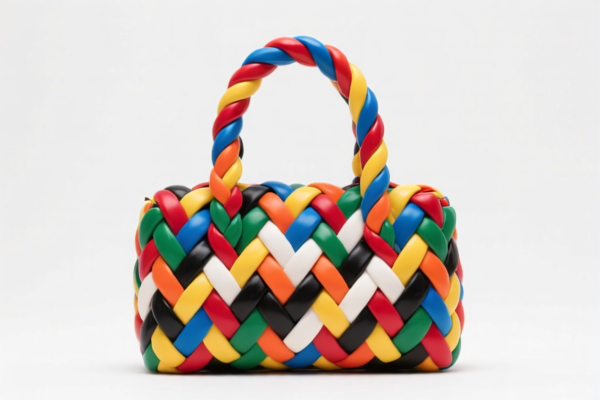
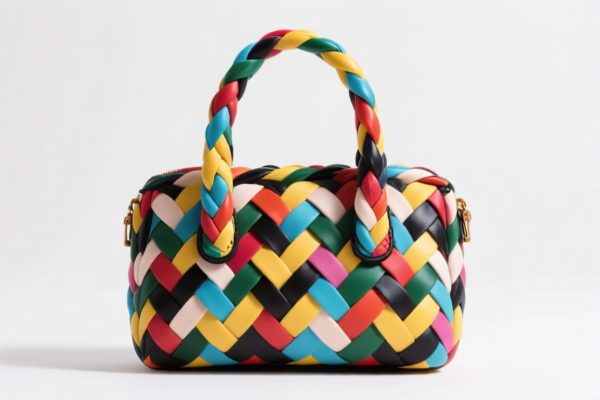
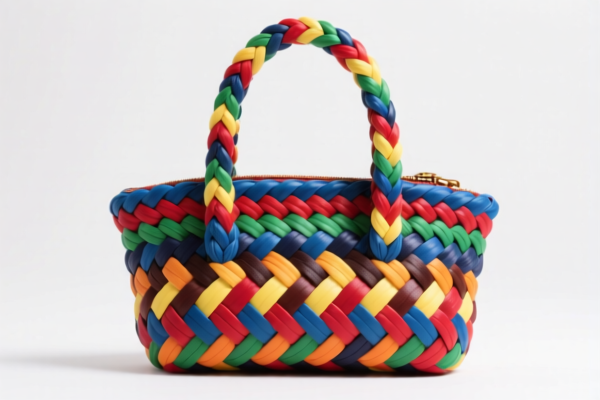
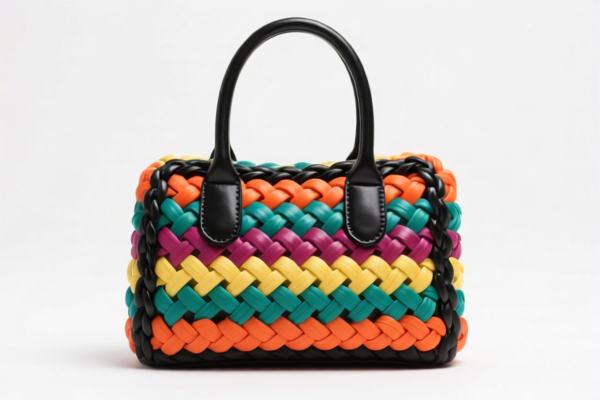
AI分析
👜 Multicolor Woven Handbag: The Ultimate HS Code & Tariff Strategy Guide for 2026
🌐 HS Code Reference & Customs Clearance Guide | 2026 Latest Tariff Analysis | Professional Entry Strategy
📌 Part 1: Product Definition & Classification – Do You Really Understand "Woven Handbags"?
A Multicolor Woven Handbag is a versatile accessory crafted from interlaced materials, ranging from natural plant fibers to synthetic textiles. In international trade, the classification depends entirely on the primary material and manufacturing technique. Misclassification leads to massive tariff shocks.
The key distinction lies in: 1. Natural Plant Materials (Bamboo, Rattan, Palm, etc.): Typically classified under Chapter 46. 2. Textile/Plastic/Other Woven Materials: Typically classified under Chapter 42.
⚠️ Critical Distinction Point:
- If made of Bamboo/Rattan/Reed → It’s a "Woven Material of Chapter 46" → HS 4602.xx
- If made of Fabric/Woven Plastic/Leather Substitute → It’s a "Bag of Textiles/Plastics" → HS 4202.xx
📦 Part 2: HS Code Classification Details (2026 Latest Tariff Authority Comparison)
Based on the provided data, here is the precise breakdown for "Multicolor Woven Handbags" depending on material composition:
| HS Code | Product Description | Material Composition | Applicable Scenario |
|---|---|---|---|
4602.19.29.20 |
Woven Handbag, Plant Material | Plant-based woven products (e.g., Straw, Palm, Generic Vegetables) | Generic plant-fiber woven bags not specifically bamboo/rattan |
4602.11.21.00 |
Woven Handbag, Bamboo/Rattan | Bamboo, Rattan, or similar plant materials | Premium eco-friendly bags made from structured bamboo or rattan |
4202.22.40.20 |
Woven Handbag, Woven Material | Woven materials (General Textiles/Plastics) | Standard woven fabric handbags, straw-like synthetics |
4202.22.89.80 |
Woven Handbag, Other Textiles | Other textile materials (Non-woven, blended, or specific non-classified textiles) | Complex material blends or specific textile weaves not covered above |
🔍 Key Reminder:
- Chapter 46 vs. Chapter 42: This is the most common error.
- Bamboo/Rattan = 4602 (Lower Base Duty).
- Textiles/Plastics = 4202 (Higher Base Duty).
- Multicolor does not change the HS code; it only affects the aesthetic description in the invoice.
💰 Part 3: 2026 Latest Tariff Rate Breakdown (Including Additional Duties & Policy Surcharges)
✅ Applicable Country: USA (US)
✅ Country of Origin: China (CN)
✅ Effective Date: Current 2026 Trade Policies (Section 301 + IEEPA)
🎯 1. 4602.19.29.20 – Woven Handbag, Plant Material
| Item | Detail |
|---|---|
| Base Duty Rate | 5.3% (ad valorem) |
| Section 301 Additional Duty | +25.0% |
| IEEPA Section 122 Duty | +10.0% |
| Total Tax Rate | 40.3% |
| Tax Calculation | CIF Value × 40.3% |
| De Minimis Exemption | ❌ Not Eligible (High duty threshold) |
| Legal Basis Path | HTSUS:4602.19.29.20 → Section 301 Footnote 9903.88 → IEEPA:9903.01.25 |
📌 Explanation:
- Although the base duty is low (5.3%), the 35% combined surcharge (25% + 10%) makes this a high-cost item. - Section 301 (25%) applies to almost all goods from China under this chapter. - IEEPA (10%) is the additional national security/emergency tariff.
🎯 2. 4602.11.21.00 – Woven Handbag, Bamboo/Rattan
| Item | Detail |
|---|---|
| Base Duty Rate | 6.2% (ad valorem) |
| Section 301 Additional Duty | +25.0% |
| IEEPA Section 122 Duty | +10.0% |
| Total Tax Rate | 41.2% |
| Tax Calculation | CIF Value × 41.2% |
| De Minimis Exemption | ❌ Not Eligible |
| Legal Basis Path | HTSUS:4602.11.21.00 → Section 301 Footnote 9903.88 → IEEPA:9903.01.25 |
📌 Note:
- Bamboo and Rattan are considered "high-value" plant materials, hence a slightly higher base duty (6.2% vs 5.3%). - The surcharges remain identical. Total cost impact is 41.2%.
🎯 3. 4202.22.40.20 – Woven Handbag, Woven Material
| Item | Detail |
|---|---|
| Base Duty Rate | 7.4% (ad valorem) |
| Section 301 Additional Duty | +25.0% |
| IEEPA Section 122 Duty | +10.0% |
| Total Tax Rate | 42.4% |
| Tax Calculation | CIF Value × 42.4% |
| De Minimis Exemption | ❌ Not Eligible |
| Legal Basis Path | HTSUS:4202.22.40.20 → Section 301 Footnote 9903.88 → IEEPA:9903.01.25 |
📌 Explanation:
- Textile/woven synthetic bags fall under Chapter 42. - Base duty is higher (7.4%) because textiles are often subject to stricter import controls. - Total rate: 42.4%.
🎯 4. 4202.22.89.80 – Woven Handbag, Other Textile Materials
| Item | Detail |
|---|---|
| Base Duty Rate | 17.6% (ad valorem) |
| Section 301 Additional Duty | +25.0% |
| IEEPA Section 122 Duty | +10.0% |
| Total Tax Rate | 52.6% |
| Tax Calculation | CIF Value × 52.6% |
| De Minimis Exemption | ❌ Not Eligible |
| Legal Basis Path | HTSUS:4202.22.89.80 → Section 301 Footnote 9903.88 → IEEPA:9903.01.25 |
📌 Critical Warning:
- This is the highest risk category. - Base duty is nearly 3x higher (17.6%) than plant-based bags. - Total tax: 52.6%. This can wipe out profit margins for low-cost handbags. - Use this code only if the material cannot be classified as specific woven textiles (40.2) or plant materials (46.02).
🛠️ Part 4: Customs Clearance Practical Advice (Pitfall Avoidance Guide)
✅ 1. Essential Documentation Checklist
| Document | Mandatory? | Purpose |
|---|---|---|
| ✅ Product Composition Report | ✔️ | Crucial. Must specify % of Bamboo vs. Plastic vs. Cotton. Misstatement leads to penalties. |
| ✅ High-Resolution Photos | ✔️ | Show weave texture, handle attachment, lining material. |
| ✅ Commercial Invoice | ✔️ | Must clearly state: "Handbag, Woven, [Material Name], Multicolor". Do not just write "Handbag". |
| ✅ Packing List | ✔️ | Show gross/net weight. Woven bags are lightweight but bulky; volume weight may apply. |
| ✅ Origin Certificate | ✔️ | To prove China origin. If from Vietnam/Mexico, different rules may apply. |
| ✅ Supply Chain Proof | ✔️ | For Section 301/122 duty disputes, proof of manufacturing location is key. |
✅ 2. Declaration Strategy (Key Mnemonics)
🔥 "Material Determines Code, Code Determines Cost!"
| Scenario | Correct HS Code | Tax Rate | Common Mistake |
|---|---|---|---|
| Made of Bamboo Sticks | 4602.11.21.00 |
41.2% | Misdeclaring as "Plastic" → 4202... (Higher Base Duty) |
| Made of Straw/Wheat Straw | 4602.19.29.20 |
40.3% | Misdeclaring as "Textile" → 4202... (Higher Base Duty) |
| Made of Woven Polypropylene | 4202.22.40.20 |
42.4% | Misdeclaring as "Plant Material" → Audit Failure |
| Made of Mixed Fabric/Leather Trim | 4202.22.89.80 |
52.6% | Using vague "Handbag" description → Delay & Penalty |
📌 Declaration Tip:
- Do NOT use generic terms like "Fashion Accessory".
- DO use specific terms: "Woven Handbag, 100% Bamboo, Handle Attached".
- If the bag has a leather lining or metal hardware, it usually does not change the classification from Chapter 46 or 42, but must be declared accurately.
✅ 3. Special Cases & Risk Management
| Situation | Handling Advice |
|---|---|
| Hybrid Materials (e.g., Bamboo frame + Fabric body) | Generally classified by the primary material. If fabric >50%, use 4202. If bamboo frame is structural, argue for 4602. Provide technical specs. |
| Set Packs (Handbag + Wallet) | Declare separately. The handbag gets the high tariff; the wallet (if small) might have different rates. Don't bundle them into one line item. |
| Custom Colors | "Multicolor" is descriptive. It does not affect HS Code. Ensure photos match the description. |
| Small Samples | Even samples are subject to duty if value exceeds de minimis limits (though often waived for low value, documentation is still required). |
🌍 Part 5: Global Market Comparison (2026 Outlook)
| Region | Recommended HS Code | Estimated Total Tax (China Origin) | Key Certification |
|---|---|---|---|
| 🇺🇸 USA | 4602.11.21.00 / 4202.22... |
40.3% – 52.6% | None usually, but anti-dumping checks |
| 🇪🇺 EU | 4602.11 / 4202.29 |
~5% - 12% (Standard MFN) | CE (if synthetic), REACH |
| 🇨🇳 China | 4602.11 / 4202.29 |
~5% - 10% | CCC (if electronic components, rare for bags) |
| 🇬🇧 UK | 4602.11 / 4202.29 |
~5% - 10% | UKCA (minimal for textiles) |
| 🇨🇦 Canada | 4602.11 / 4202.29 |
~0% - 12% | N/A |
📌 Conclusion:
- USA is the most expensive market due to Section 301 and IEEPA tariffs. - EU/UK/Canada have significantly lower tariffs (often 0-12%) for similar goods. - Strategy: If targeting the US, consider supply chain diversification (e.g., manufacturing in Vietnam or Indonesia) to potentially avoid US Section 301/122 tariffs.
📌 Part 6: Common Errors & Pitfalls (Lessons Learned)
❌ Error 1: Calling Bamboo Bags "Plastic Bags" to avoid Section 301
👉 Consequence: Customs audit → Fine + Back Duties + Potential Fraud Charges.
❌ Error 2: Using 4202.22.89.80 for a simple Straw Bag
👉 Consequence: Overpaying 10%+ in base duties unnecessarily. Always check if it qualifies for Chapter 46.
❌ Error 3: Ignoring the "Woven" Nature
👉 Consequence: If classified as "Leather Bag" (4203) or "Textile Bag" (6307) incorrectly, HS Code mismatch occurs. Woven implies Chapter 46 or 42.
❌ Error 4: Not Declaring Material Composition
👉 Consequence: CBP (US Customs) will assign the highest possible duty based on ambiguity.
✅ Correct Practice:
"Woven Handbag, Made of Stripped Bamboo, Multicolor, With Leather Handle, Model XYZ"
🎯 Part 7: Conclusion – Professional Declaration, Cost Optimization!
🎯 Remember the Golden Rules:
🔹 "Bamboo/Rattan = 4602 (40-41%) | Woven Textile = 4202 (42-53%) | Plastic = 4202 (42-53%)"
🔹 "Base Duty + 25% (Sec 301) + 10% (IEEPA) = Total Cost"
🔹 "Accurate Material Description is Your Best Shield!"
📌 Pro Tip:
If your Multicolor Woven Handbag is manufactured in Vietnam, Indonesia, or Mexico, you may be eligible for Section 301/122 Exemptions, reducing the tax burden significantly (possibly to Base Duty Only).
Recommendation: Apply for a Tariff Classification Ruling before shipping large volumes to the US.
📣 Immediate Action Required:
📞 Consult a Licensed Customs Broker
📸 Provide Detailed Material Specs
📄 Request a Pre-Ruling for HS Code4602.11.21.00vs4202.22.40.20🚀 Maximize Profit by Minimizing Duty Waste!
✨ Expert Clearance Starts with Precision!
💼 Every Percentage Point of Tariff Counts!
用户评价
关于 HS 编码归类
协调制度(HS)是由世界海关组织(WCO)制定的国际贸易商品分类标准。全球 200 多个国家采用 HS 系统作为海关关税、贸易统计和进出口监管的基础。
每个 HS 编码遵循以下层级结构:
- 章(2 位)——商品大类(例如:第 84 章:机器和机械设备)
- 品目(4 位)——章内的更具体分类
- 子目(6 位)——国际通用细分,所有 WCO 成员国统一使用
- 本国细分(8-10 位)——各国自行扩展的细分编码,如美国 HTSUS 10 位编码
正确的 HS 编码归类对于顺利通关、准确缴纳关税和遵守贸易法规至关重要。错误归类可能导致海关延误、多缴关税或罚款。
从CN进口到US时,适用的关税税率可能包括:
- 最惠国(MFN)税率——适用于 WTO 成员国的标准关税税率
- 普通税率——适用于无贸易协定国家
- 贸易救济关税——附加关税,如 301 条款(反倾销)、232 条款(国家安全)或反补贴税
本页内容仅供参考。如需正式归类,请咨询当地海关或持牌报关代理。