Musical Instrument Keys
CN → US| HS编码 | 关税税率 | 原产国 | 目的国 | 文档 |
|---|---|---|---|---|
| 9209994040 | 17.5% | CN | US | 官方文档 |
| 3926909989 | 22.8% | CN | US | 官方文档 |
| 9209994080 | 17.5% | CN | US | 官方文档 |
| 3926902500 | 24.0% | CN | US | 官方文档 |
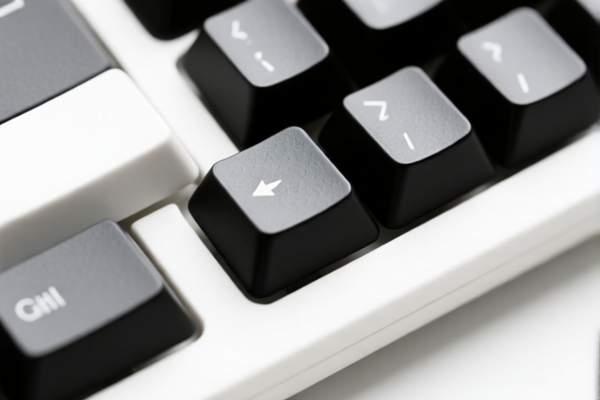
商品图片



AI分析
🎹 Musical Instrument Keys (Parts/Accessories for Musical Instruments)
🌐 HS Code Reference & Customs Clearance Guide | 2026 Latest Tariff Analysis | Professional Clearance Strategy
📌 I. Product Definition & Classification: What Exactly Are "Musical Instrument Keys"?
Musical instrument keys are essential components of keyboards, pianos, and organ systems. In international trade, they are classified not as complete instruments, but as parts or accessories. The classification depends heavily on the material and the specific type of instrument they serve (e.g., woodwind vs. key-based instruments).
Key Distinction:
- If the keys are specific to woodwind instruments (e.g., clarinet, saxophone key mechanisms), they fall under Chapter 92 (Musical Instruments) with specific notes for woodwind parts.
- If the keys are generic or made of plastic/synthetic materials without specific musical instrument designations, they may be classified under Chapter 39 (Plastics).
⚠️ Critical Identification Point:
- Are they part of a woodwind instrument mechanism? → HS 9209
- Are they generic plastic keys (e.g., for calculators, or non-specific musical keys)? → HS 3926
- Are they general musical instrument parts (unspecified material)? → HS 9209
📦 II. HS Code Classification Details (2026 Latest Tariff Authority Mapping)
Based on the provided data, here are the four potential HS codes with their tax implications:
| HS Code | Product Description | Material/Logic | Total Tax Rate | Tax Breakdown (China Origin to US) |
|---|---|---|---|---|
9209.99.40.40 |
Keys for Woodwind Instruments | Matches category for woodwind instrument parts | 17.5% | Base: 0.0% Add-on (Sec 301): 7.5% 122 Clause: 10% |
9209.99.40.80 |
Other Musical Instrument Parts | Unspecified material (infers wood/plastic); no conflict | 17.5% | Base: 0.0% Add-on (Sec 301): 7.5% 122 Clause: 10% |
3926.90.99.89 |
Other Plastic Articles | Inferred material is plastic/synthetic; fits "other plastic articles" | 22.8% | Base: 5.3% Add-on (Sec 301): 7.5% 122 Clause: 10% |
3926.90.25.00 |
Other Plastic Articles (Composite) | Inferred material is plastic/composite; fits "other plastic articles" | 24.0% | Base: 6.5% Add-on (Sec 301): 7.5% 122 Clause: 10% |
🔍 Key Insight:
- HS 9209 codes are generally cheaper (17.5%) because they have a 0% base tariff.
- HS 3926 codes are more expensive (22.8% - 24.0%) because they carry a 5.3%-6.5% base tariff.
- The decision between Chapter 92 and Chapter 39 hinges on whether the item is recognized as a musical instrument part (Ch 92) or a generic plastic good (Ch 39).
💰 III. 2026 Latest Tariff Rate Details (Including Add-ons & Policy Surcharges)
✅ Applicable Country: United States (US)
✅ Origin: China (CN)
✅ Effective Date: From November 10, 2025 (including subsequent imports)
🎯 1. 9209.99.40.40 & 9209.99.40.80 —— Musical Instrument Parts/Accessories
| Item | Content |
|---|---|
| Base Tariff | 0% (ad valorem) |
| USITC Add-on Tax (Sec 301) | +7.5% |
| 122 Clause Tax | +10% |
| Total Effective Rate | 17.5% |
| Tax Calculation | CIF Value × 17.5% |
| De Minimis Eligibility | ❌ Not Eligible (Deny de minimis) |
| Legal Path | USITC:9209.99.40.40 → FOOTNOTE:301 + 122 Clause |
📌 Explanation:
- These codes benefit from a 0% base duty, making them highly competitive.
- The total 17.5% is composed of the Section 301 surcharge (7.5%) and the specific 122 clause (10%).
- Crucial: Even though the base is 0%, the add-ons make it a high-cost item. Do not confuse with "free" duty.
🎯 2. 3926.90.99.89 —— Other Plastic Articles
| Item | Content |
|---|---|
| Base Tariff | 5.3% |
| USITC Add-on Tax (Sec 301) | +7.5% |
| 122 Clause Tax | +10% |
| Total Effective Rate | 22.8% |
| Tax Calculation | CIF Value × 22.8% |
| De Minimis Eligibility | ❌ Not Eligible (Deny de minimis) |
| Legal Path | USITC:3926.90.99.89 → FOOTNOTE:301 + 122 Clause |
📌 Note:
- This code applies if the keys are classified as plastic goods rather than musical parts.
- The 5.3% base tariff pushes the total higher than the musical instrument codes.
🎯 3. 3926.90.25.00 —— Other Plastic Articles (Composite/Specific)
| Item | Content |
|---|---|
| Base Tariff | 6.5% |
| USITC Add-on Tax (Sec 301) | +7.5% |
| 122 Clause Tax | +10% |
| Total Effective Rate | 24.0% |
| Tax Calculation | CIF Value × 24.0% |
| De Minimis Eligibility | ❌ Not Eligible (Deny de minimis) |
| Legal Path | USITC:3926.90.25.00 → FOOTNOTE:301 + 122 Clause |
📌 Note:
- This is the highest tax bracket among the provided options.
- Use only if the product is strictly defined as a composite plastic item with no musical instrument association.
🛠️ IV. Customs Clearance Practical Advice (Expert Pitfall Avoidance)
✅ 1. Documentation Checklist (Mandatory)
| Document | Required | Description |
|---|---|---|
| ✅ Product Specification Sheet | ✔️ | Must specify material (Wood? Plastic? Metal?) and intended instrument. |
| ✅ Photographs (Labeled) | ✔️ | Show keys, size, shape, and any branding/logos. |
| ✅ Commercial Invoice | ✔️ | Clearly state: "Musical Instrument Keys" or "Plastic Keys for Instrument". |
| ✅ Packing List | ✔️ | Detail quantity and weight. |
| ✅ Origin Certificate | ✔️ | Confirm China origin (triggers surcharges). |
✅ 2. Declaration Strategy (Key Mantras)
🔥 “Material Defines Chapter, Function Defines Heading”
| Scenario | Correct HS Code | Why? |
|---|---|---|
| Keys for Clarinet/Saxophone | 9209.99.40.40 |
Specific to woodwind instruments; Chapter 92 applies. |
| Generic Piano Keys (Wood/Plastic) | 9209.99.40.80 |
General musical instrument parts; 0% base duty. |
| Plastic Keys (No musical context) | 3926.90.99.89 |
Classified as plastic articles; higher base duty. |
| Composite Plastic Keys | 3926.90.25.00 |
Specific plastic composite; highest base duty. |
⚠️ Warning:
- Do not declare "Plastic Keys" if they are clearly for a musical instrument. The CBP (Customs and Border Protection) may reclassify them to HS 9209, leading to penalties for misdeclaration.
- However, if you declare them as HS 9209 but they are actually generic plastic parts, you might be accused of over-valuing duty benefits. Be precise.
✅ 3. Special Considerations
| Situation | Recommendation |
|---|---|
| Mixed Materials | If keys have wooden shafts and plastic caps, Chapter 92 is often preferred due to the 0% base duty. Provide detailed material breakdown. |
| OEM Custom Keys | Provide design drawings to prove they are specific to a musical instrument, supporting HS 9209 classification. |
| De Minimis Loophole? | ❌ No. All these HS codes are not eligible for the $800 de minimis exemption (Section 321). All shipments are subject to full duty and security assessments. |
🌍 V. Global Customs Comparison (2026 Snapshot)
| Market | Recommended HS Code | Total Duty (China Origin) | Notes |
|---|---|---|---|
| 🇺🇸 USA | 9209.99.40.40 / .80 |
17.5% | Best option due to 0% base. Avoid 3926 codes (22.8%+). |
| 🇺🇸 USA | 3926.90.99.89 / .25 |
22.8% - 24.0% | Higher cost; only if not recognized as instrument parts. |
| 🇨🇳 China | 9209.99.40 |
~0% - 5% | Lower duties; no 122 clause. |
| 🇪🇺 EU | 9209.99 |
0% | No Section 301 or 122 clause equivalents. |
📌 Conclusion:
- For US imports, classify as HS 9209 if possible to save 5.3%-6.5% in base duties.
- Ensure your product description explicitly mentions "Musical Instrument" to justify Chapter 92.
📌 VI. Common Errors & Pitfalls (Lessons Learned)
❌ Error 1: Declaring musical keys as "Plastic Toys" or "Plastic Parts"
👉 Result: CBP may reclassify to HS 3926, but if you under-declared, you face penalties. If you over-declared, you pay extra tax.
👉 Fix: Use precise terminology: "Keys for Musical Instruments."
❌ Error 2: Ignoring the 122 Clause
👉 Result: Budgeting only for 7.5% (Sec 301) and forgetting the 10% (122 Clause).
👉 Fix: Always calculate Total Rate = Base + 7.5% + 10%.
❌ Error 3: Assuming De Minimis Applies
👉 Result: Shipment held at border for duty assessment.
👉 Fix: All HS 9209 and 3926 entries from China are subject to full duty.
🎯 VII. Conclusion: Smart Classification, Lower Costs!
🎯 Remember the Mantra:
🔹 "Chapter 92 is King (0% Base)"
🔹 "Chapter 39 Pays More (5%+ Base)"
🔹 "No De Minimis for China Music Parts"
🔹 "Total Tax = Base + 7.5% + 10%"
📌 Pro Tip:
If you have mixed batches (some woodwind keys, some generic plastic), separate shipments or accurate line-item descriptions are critical. Misclassification can lead to ** audits and fines.
Always request an Advance Ruling** from CBP if the product’s status as a "musical instrument part" is ambiguous.
📣 Action Required:
📞 Consult a licensed customs broker.
📄 Provide detailed product specs and photos.
📊 Calculate landed cost using 17.5% (best case) or 24% (worst case).
✨ Accurate Classification Saves Money!
💼 Don't Let Hidden Duties Eat Your Margins!
用户评价
关于 HS 编码归类
协调制度(HS)是由世界海关组织(WCO)制定的国际贸易商品分类标准。全球 200 多个国家采用 HS 系统作为海关关税、贸易统计和进出口监管的基础。
每个 HS 编码遵循以下层级结构:
- 章(2 位)——商品大类(例如:第 84 章:机器和机械设备)
- 品目(4 位)——章内的更具体分类
- 子目(6 位)——国际通用细分,所有 WCO 成员国统一使用
- 本国细分(8-10 位)——各国自行扩展的细分编码,如美国 HTSUS 10 位编码
正确的 HS 编码归类对于顺利通关、准确缴纳关税和遵守贸易法规至关重要。错误归类可能导致海关延误、多缴关税或罚款。
从CN进口到US时,适用的关税税率可能包括:
- 最惠国(MFN)税率——适用于 WTO 成员国的标准关税税率
- 普通税率——适用于无贸易协定国家
- 贸易救济关税——附加关税,如 301 条款(反倾销)、232 条款(国家安全)或反补贴税
本页内容仅供参考。如需正式归类,请咨询当地海关或持牌报关代理。