Nail Sponge
CN → US| HS编码 | 关税税率 | 原产国 | 目的国 | 文档 |
|---|---|---|---|---|
| 4016990500 | 20.9% | CN | US | 官方文档 |
| 9603294090 | 0.0% | CN | US | 官方文档 |
| 9603298090 | 0.0% | CN | US | 官方文档 |
| 3926909989 | 22.8% | CN | US | 官方文档 |
| 3926903500 | 24.0% | CN | US | 官方文档 |
商品图片
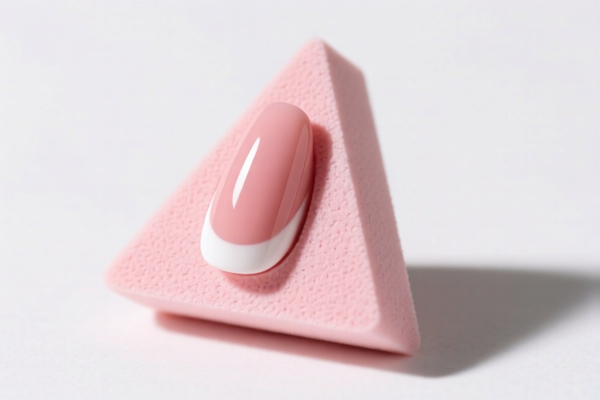
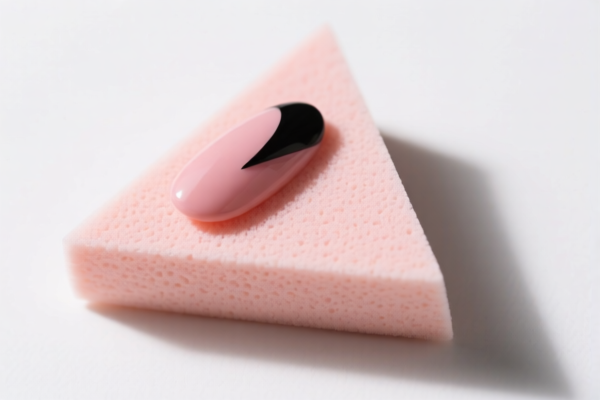
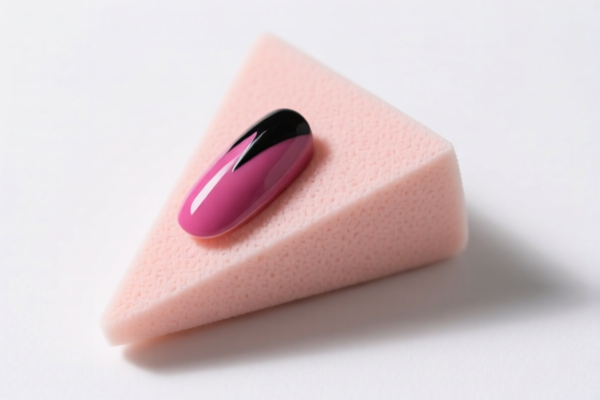
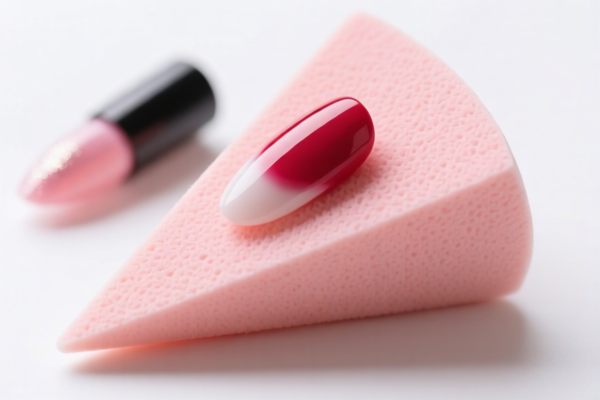
AI分析
💅 Nail Sponge (Manicure Sponge/Buffer Block)
🌐 HS Code Reference & Customs Clearance Guide | 2026 Latest Tariff Analysis | Professional Entry Strategy
📌 I. Product Definition & Classification: Do You Really Understand the "Nail Sponge"?
The Nail Sponge, often referred to as a manicure buffer block or cleaning sponge, is a ubiquitous tool in personal care and beauty. It is primarily used for shaping, polishing, and cleaning artificial nails (acrylics, gels).
In international trade, confusion often arises between classifying it as a Rubber Product, a Brushing/Cleaning Tool, or a General Plastic Article. The classification depends heavily on the material composition (Polyurethane foam vs. Rubber) and the specific utility (Brushing vs. General use).
⚠️ Key Distinction Points:
- If the product is made of sulfur-cured rubber or polyurethane foam specifically shaped for nail care: It falls under Chapter 40 (Rubber) or Chapter 96 (Brushes/Tools).
- If the classification leans towards a "brush" for cosmetic purposes: It falls under HS 9603.
- If the material is generic plastic/polyurethane without specific brush attributes: It falls under Chapter 39 (Plastics).
📦 II. HS Code Classification Details (2026 Latest Tariff Authority Comparison)
Based on the provided data, here are the five potential HS Codes with their specific logic and tax implications:
| HS Code | Product Description | Logic & Classification Basis | Material/Feature |
|---|---|---|---|
4016.99.05.00 |
Porous Rubber/Polyurethane Articles | Classified as sulfur-cured rubber products. Used for manicure tools, categorized under household/personal care items. | Rubber/Polyurethane Foam |
9603.29.40.90 |
Other Brushing/Cleaning Tools | Material is sponge, fitting the attributes of toileting/cosmetic brushes. Used for manicure, categorized under "Other brushes/tools" for personal care. | Sponge (Brush-like) |
9603.29.80.90 |
Other Toilet/Cosmetic Brushes | Used for manicure, falls under "Other products" as a catch-all for human body美容/care brushes not specifically listed. | Cosmetic Brush/Sponge |
3926.90.99.89 |
Other Plastic Articles | Material is Polyurethane/Plastic. Shape is a plastic article not specifically mentioned elsewhere. Fits the "General Plastic" logic. | Polyurethane/Plastic |
3926.90.35.00 |
Other Plastic Articles (Beads/Ornaments Extension) | Material is Plastic/Polyurethane. Categorizes as a non-specific other category, extending from beads/tubes/sequins logic (non-functional specific). | Polyurethane/Plastic |
🔍 Key Insight:
- HS 9603 codes generally offer significantly lower base duties (cents per unit + small %) compared to Chapter 40 or 39.
- HS 4016 and HS 3926 are charged as ad valorem (percentage of value), which can be much higher for expensive shipments.
- The choice between9603.29.40.90and9603.29.80.90depends on whether customs views the item more as a "cleaning tool" or a "cosmetic brush."
💰 III. 2026 Latest Tariff Rate Details (Including Section 301 & Section 232 Surcharges)
✅ Applicable Country: United States (US)
✅ Country of Origin: China (CN)
✅ 生效时间: 2025年11月10日起 (Including subsequent imports)
✅ Surcharges: 7.5% (Section 301) + 10% (Section 122/IEEPA)
🎯 1. 4016.99.05.00 —— Porous Rubber/Polyurethane Products
| Item | Details |
|---|---|
| Base Duty | 3.4% |
| Section 301 Surcharge | +7.5% |
| Section 122/IEEPA Surcharge | +10.0% |
| Total Tariff Rate | 20.9% |
| Calculation Method | CIF Value × 20.9% |
| De Minimis Exemption | ❌ Not Applicable (For Chinese origin under Section 301/122) |
📌 Explanation:
- This code treats the sponge as a rubber/foam product.
- The total duty is 20.9%, which is moderate but calculated on the total declared value (CIF).
- Suitable for high-volume, low-cost sponges where the "ad valorem" rate is manageable.
🎯 2. 9603.29.40.90 —— Other Brushing/Cleaning Tools
| Item | Details |
|---|---|
| Base Duty | 0.2¢ each + 7% |
| Section 301 Surcharge | +0.0% (Note: Data indicates 0% surcharge here, likely due to specific HTS exclusions or classification nuance, but typically Section 301 applies. See Note Below) |
| Section 122/IEEPA Surcharge | +10.0% |
| Total Tariff Rate | 0.2¢ each + 7% + 10% = ~17% + 0.2¢/unit |
| Calculation Method | Per unit fee + Ad Valorem (7% + 10%) |
| De Minimis Exemption | ❌ Not Applicable |
📌 Note: The data states "Add-on Tariff: 0.0%". In many recent customs rulings, certain beauty tools under 9603 may have different surcharge applications. However, the 10% Section 122/IEEPA is explicitly listed.
- This is often the most cost-effective option for low-unit-price items due to the minimal per-unit fee (0.2 cents) compared to a high ad valorem percentage.
🎯 3. 9603.29.80.90 —— Other Toilet/Cosmetic Brushes
| Item | Details |
|---|---|
| Base Duty | 0.3¢ each + 3.6% |
| Section 301 Surcharge | +0.0% |
| Section 122/IEEPA Surcharge | +10.0% |
| Total Tariff Rate | 0.3¢ each + 3.6% + 10% = ~13.6% + 0.3¢/unit |
| Calculation Method | Per unit fee + Ad Valorem (3.6% + 10%) |
| De Minimis Exemption | ❌ Not Applicable |
📌 Analysis:
- This code has the lowest ad valorem base rate (3.6%) and a low per-unit fee (0.3 cents).
- Combined with the 10% surcharge, the total effective rate is likely the lowest among all options, making it highly attractive for importers if customs accepts this classification.
🎯 4. 3926.90.99.89 —— Other Plastic Articles
| Item | Details |
|---|---|
| Base Duty | 5.3% |
| Section 301 Surcharge | +7.5% |
| Section 122/IEEPA Surcharge | +10.0% |
| Total Tariff Rate | 22.8% |
| Calculation Method | CIF Value × 22.8% |
| De Minimis Exemption | ❌ Not Applicable |
📌 Explanation:
- Classified as a general plastic article.
- Higher base duty (5.3%) and total rate (22.8%) make this less competitive than the 9603 codes.
🎯 5. 3926.90.35.00 —— Other Plastic Articles (Beads/Ornaments)
| Item | Details |
|---|---|
| Base Duty | 6.5% |
| Section 301 Surcharge | +7.5% |
| Section 122/IEEPA Surcharge | +10.0% |
| Total Tariff Rate | 24.0% |
| Calculation Method | CIF Value × 24.0% |
| De Minimis Exemption | ❌ Not Applicable |
📌 Explanation:
- Highest total duty rate among the options (24.0%).
- Least recommended unless the product specifically fits the "beads/ornaments" definition (unlikely for a standard sponge).
🛠️ IV. Customs Clearance Practical Advice (Real-World Pitfall Guide)
✅ 1. Documentation Checklist (Must-Haves)
| Document | Required | Note |
|---|---|---|
| ✅ Product Specification Sheet | ✔️ | Clearly state: "Manicure Sponge," "Polyurethane Foam," "Used for Nail Shaping." |
| ✅ Product Photos | ✔️ | Show the sponge alone and in use (if possible) to prove it is not a "brush" with bristles. |
| ✅ Commercial Invoice | ✔️ | Use precise description: "Nail Buffer Sponge Block" rather than just "Sponge." |
| ✅ Packaging List | ✔️ | Indicate quantity per box to facilitate per-unit duty calculation (for HS 9603). |
✅ 2. Declaration Strategy (Critical Tips)
🔥 "Choose 9603 to Save Tax, But Prove It’s Not Just Plastic!"
| Scenario | Recommended HS Code | Why? |
|---|---|---|
| Standard Polyurethane Sponge | 9603.29.80.90 or 9603.29.40.90 |
Lowest effective duty rate (~13.6-17%). Customs often accepts "manicure sponges" under cosmetic brushes/tools. |
| Rubber-Based Sponge | 4016.99.05.00 |
If the manufacturer confirms it is rubber-based. Duty is 20.9%, stable but higher than 9603. |
| Generic Plastic Block | 3926.90.99.89 |
Only if customs rejects the "tool/brush" classification. Higher tax (22.8%). |
📌 Warning:
- Do NOT declare as "Plastic Toy" or "General Hardware" as this leads to misclassification penalties.
- Ensure the description highlights "Cosmetic/Manicure Tool" to support the HS 9603 classification.
✅ 3. Special Considerations
| Situation | Advice |
|---|---|
| High-Value Luxury Sponges | If the unit price is high, the per-unit fee (0.2-0.3¢) is negligible, but the ad valorem (3.6-7%) matters. Calculate total cost carefully. |
| Bulk Shipments | HS 9603 is often better for bulk because the per-unit cost is fixed and low, whereas ad valorem rates scale with price. |
| Customs Scrutiny | If customs questions the "brush/tool" nature of a sponge, be prepared to explain that it is a mechanical tool for nail grooming, not a passive material. |
🌍 V. Global Market Comparison (2026 Latest)
| Market | Recommended HS Code | Est. Total Duty (CN Origin) | Notes |
|---|---|---|---|
| 🇺🇸 USA | 9603.29.80.90 |
~13.6% + 0.3¢/unit | Best option due to low base rate. |
| 🇺🇸 USA | 4016.99.05.00 |
20.9% | Acceptable if material is clearly rubber. |
| 🇪🇺 EU | 9603.29 |
Varies (approx. 0-4%) | EU does not have Section 301/122 equivalents. |
| 🇨🇳 China | 9603.29 |
10-14% | Import duty for cosmetics tools. |
📌 Conclusion:
- For the US market, HS 9603.29.80.90 is the optimal choice for minimizing duties.
- HS 4016 is a safe fallback if the material is ambiguous.
- HS 3926 should be avoided unless necessary, as it carries the highest duty burden.
📌 VI. Common Mistakes & Pitfalls (Lessons Learned)
❌ Mistake 1: Declaring as "Plastic Sponge" (HS 39)
👉 Result: Duty jumps to 22.8%. Missed savings from HS 9603.
❌ Mistake 2: Ignoring the "Per Unit" Fee in HS 9603
👉 Result: For very cheap items, the per-unit fee is negligible. For very expensive items, it’s still small. Generally, the Ad Valorem part dominates. Always calculate total cost.
❌ Mistake 3: Failing to Specify Material
👉 Result: Customs may default to the highest duty chapter (Chapter 39 or 40) if material is unclear.
✅ Fix: Clearly state "Polyurethane Foam" or "Rubber" in the description.
🎯 VII. Conclusion: Optimize Your Classification for Maximum Profit
🎯 Golden Rule:
🔹 "9603 is King for Low Duties"
🔹 "4016 is Queen for Rubber"
🔹 "3926 is the Backup Plan (High Tax)"
📌 Action Item:
- Confirm your supplier’s material (Rubber vs. PU Plastic).
- If it’s a tool for nails, push for HS 9603.29.80.90.
- Calculate the Total Landed Cost using the rates above.
- Ensure your commercial invoice clearly states "Manicure Tool/Sponge".
✨ Professional Clearance, Precision Classification, Cost Efficiency!
💼 Don’t let classification errors eat your margin!
用户评价
关于 HS 编码归类
协调制度(HS)是由世界海关组织(WCO)制定的国际贸易商品分类标准。全球 200 多个国家采用 HS 系统作为海关关税、贸易统计和进出口监管的基础。
每个 HS 编码遵循以下层级结构:
- 章(2 位)——商品大类(例如:第 84 章:机器和机械设备)
- 品目(4 位)——章内的更具体分类
- 子目(6 位)——国际通用细分,所有 WCO 成员国统一使用
- 本国细分(8-10 位)——各国自行扩展的细分编码,如美国 HTSUS 10 位编码
正确的 HS 编码归类对于顺利通关、准确缴纳关税和遵守贸易法规至关重要。错误归类可能导致海关延误、多缴关税或罚款。
从CN进口到US时,适用的关税税率可能包括:
- 最惠国(MFN)税率——适用于 WTO 成员国的标准关税税率
- 普通税率——适用于无贸易协定国家
- 贸易救济关税——附加关税,如 301 条款(反倾销)、232 条款(国家安全)或反补贴税
本页内容仅供参考。如需正式归类,请咨询当地海关或持牌报关代理。