Natural Ambergris
CN → US| HS编码 | 关税税率 | 原产国 | 目的国 | 文档 |
|---|---|---|---|---|
| 3301300000 | 17.5% | CN | US | 官方文档 |
| 3301905000 | 17.5% | CN | US | 官方文档 |
| 1302199140 | 17.5% | CN | US | 官方文档 |
| 1302390090 | 20.7% | CN | US | 官方文档 |
商品图片
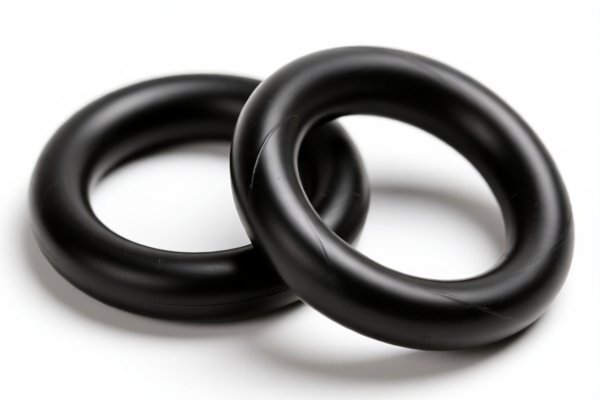
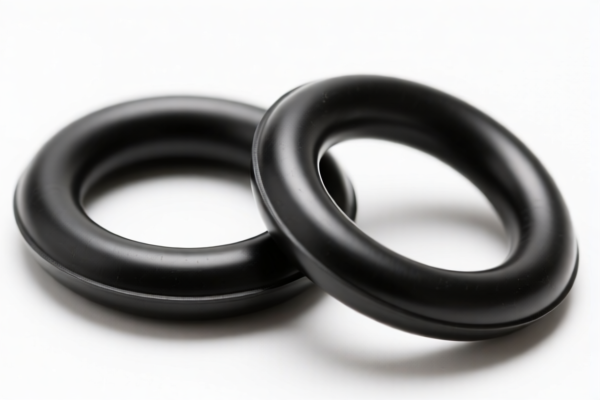
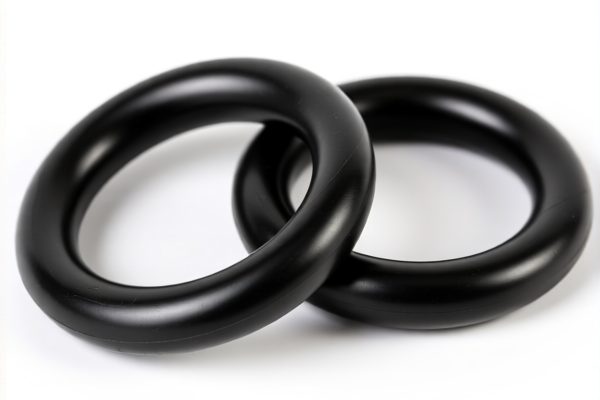
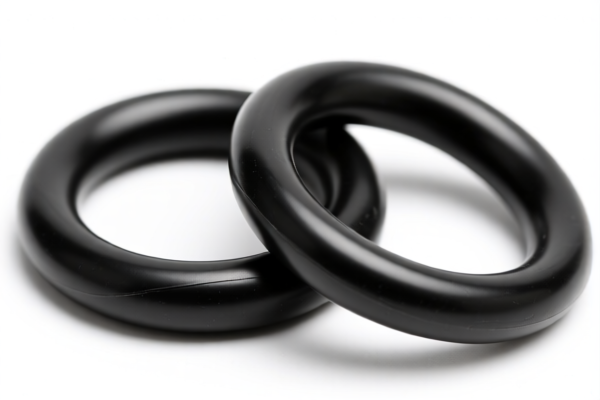
AI分析
🐋 Natural Ambergris (The "Floating Gold" of Perfumery)
🌐 HS Code Reference & Customs Clearance Guide | 2026 Latest Tariff Analysis | Professional Clearance Strategy
📌 1. Product Definition & Classification: Do You Really Understand "Ambergris"?
Natural Ambergris is a rare, waxy, combustible substance found in the intestinal tracts of sperm whales. Historically and chemically, it is classified as a natural secretion/resinoid rather than a simple animal tissue. In international trade, its classification depends heavily on whether it is treated as a raw natural resin, an essential oil extract, or a specific plant/animal-derived thickener.
⚠️ Key Distinction Point:
- If classified as a Natural Resinoid/Extract → HS Codes 3301.30, 3301.90, or 1302.19.
- If classified as a Natural Mucus/Thickener → HS Code 1302.39.
📦 2. HS Code Classification Details (2026 Latest Tariff Authority Comparison)
| HS Code | Product Description | Application Scenario | Tax Detail Breakdown |
|---|---|---|---|
3301.30.00.00 |
Natural Resinoids Ambergris is considered a natural resin category. |
Raw ambergris used as a base for natural perfumes/resins. | Base: 0.0%, Section 301: 7.5%, Section 122: 10% → Total: 17.5% |
3301.90.50.00 |
Other Essential Oils/Resinoids Natural secretion classified as essential oil extract or concentration. |
Purified ambergris oil or concentrated extracts used in luxury fragrance formulations. | Base: 0.0%, Section 301: 7.5%, Section 122: 10% → Total: 17.5% |
1302.19.91.40 |
Vegetable Juices & Extracts (Other) Natural secreted organic substance fitting other organic extract categories. |
Ambergris treated as a generic natural organic extract (less common but valid for specific purities). | Base: 0.0%, Section 301: 7.5%, Section 122: 10% → Total: 17.5% |
1302.39.00.90 |
Natural Mucilages & Thickeners (Other) Natural animal/plant-source viscous substance. |
Ambergris classified as a natural viscous thickener/gelling agent. | Base: 3.2%, Section 301: 7.5%, Section 122: 10% → Total: 20.7% |
🔍 Key Reminder:
- The 17.5% rate applies to the majority of classifications where Ambergris is seen as a resinoid or essential oil extract (3301or1302.19).
- The 20.7% rate applies only if it is specifically classified as a natural mucilage/thickener (1302.39), which includes a higher base tariff.
- Do not assume lower duties; even though the base rate is often 0%, the additive tariffs (Section 301 & 122) are mandatory for Chinese-origin goods entering the US.
💰 3. Detailed Tariff Rate Explanation (Including Additives & Policy Surcharges)
✅ Applicable Country: United States (US)
✅ Origin: China (CN) [Assumed based on tax structure in DATA]
✅ Effective Time: Current (Post-2024 Trade Policy)
🎯 1. HS Codes 3301.30.00.00, 3301.90.50.00, 1302.19.91.40 —— Natural Resinoids & Essential Oil Extracts
| Item | Content |
|---|---|
| Base Tariff Rate | 0.0% (ad valorem) |
| USITC Supplementary Tariff (Section 301) | +7.5% |
| Section 122 Tariff | +10.0% |
| Total Tariff Rate | 17.5% |
| Tax Calculation | CIF Value × 17.5% |
| De Minimis Eligibility | ❌ Not Applicable (High-value commodity, subject to full duty assessment) |
| Legal Basis Path | Section 301: 9903.88.01 → Section 122 → HS Code Category |
📌 Explanation:
- "Base 0%": Under normal MFN (Most Favored Nation) terms, these specific subheadings for resins/oils often have low or zero base rates.
- "Section 301 (7.5%)": This is the standard additional tariff for Chinese goods under the U.S.-China trade war framework.
- "Section 122 (10%)": This specific surcharge applies to certain chemical and pharmaceutical-related imports.
- Result: The 17.5% total is significant. While not as extreme as 25% or 100%, it impacts high-value luxury goods like Ambergris, where margins are tight.
🎯 2. HS Code 1302.39.00.90 —— Natural Mucilages & Thickeners
| Item | Content |
|---|---|
| Base Tariff Rate | 3.2% (ad valorem) |
| USITC Supplementary Tariff (Section 301) | +7.5% |
| Section 122 Tariff | +10.0% |
| Total Tariff Rate | 20.7% |
| Tax Calculation | CIF Value × 20.7% |
| De Minimis Eligibility | ❌ Not Applicable |
| Legal Basis Path | Section 301: 9903.88.01 → Section 122 → HS Code Category |
📌 Note:
- If your customs broker classifies Ambergris as a "natural viscous substance" rather than an essential oil/resin, the base duty jumps from 0% to 3.2%.
- This results in a 20.7% total duty, which is 3.2% higher than the resinoid classification.
- Recommendation: Aim for the 17.5% classification (3301or1302.19) by emphasizing its use as a perfume fixative/resinoid rather than a thickener.
🛠️ 4. Customs Clearance Practical Advice (Real-World Pitfall Avoidance)
✅ 1. Required Documentation Checklist (No Exceptions)
| Document | Must Provide | Explanation |
|---|---|---|
| ✅ Product Specification Sheet | ✔️ | Must detail origin, physical state (waxy solid/oil), and chemical composition. |
| ✅ Certificate of Origin (CO) | ✔️ | Critical for proving origin. If not from China, check for FTA benefits (though Ambergris is often global). |
| ✅ Commercial Invoice | ✔️ | Must clearly state "Natural Ambergris, Sperm Whale Origin" and value. |
| ✅ Usage Declaration | ✔️ | Specify: "Used as a natural fixative in perfumery" or "Raw Resinoid". Avoid vague terms like "organic material." |
| ✅ CITES Documentation | ✔️ | CRITICAL: Ambergris is from Sperm Whales. Verify if CITES permits are required for import/export depending on jurisdiction and species protection status. |
✅ 2. Declaration Strategy (Key Mnemonic)
🔥 "Define as Resin, Not Thickener; Fixative Use is Key!"
| Scenario | Correct Declaration | Incorrect Practice |
|---|---|---|
| Raw Ambergris Chunks | 3301.30.00.00 (Natural Resinoid) |
Declare as "Animal Wax" → May trigger different inspection. |
| Ambergris Oil/Extract | 3301.90.50.00 (Essential Oil) |
Declare as "Perfume Ingredient" → Too vague, may lead to higher base rate. |
| Used in High-End Perfume | 1302.19.91.40 (Organic Extract) |
Declare as "Food Additive" → Incorrect classification, high penalty risk. |
| Thickener Application | 1302.39.00.90 (Mucilage) |
Only use if actual functional use is thickening; otherwise higher tax (20.7%). |
✅ 3. Special Situation Handling
| Situation | Handling Advice |
|---|---|
| CITES Compliance | ⚠️ Check Regulations: Sperm whales are protected. Ensure CITES Appendix I/II compliance. Some jurisdictions ban trade; others allow "found" ambergris with proof. |
| Misclassification Risk | If declared as "General Chemical," it may be rejected. Always link to HS Chapter 33 (Essential Oils) or 13 (Extracts). |
| High Value | Ambergris is extremely expensive ($50k–$100k/kg). Insurance and secure logistics are mandatory. The 17.5–20.7% duty is substantial in absolute terms. |
🌍 5. Global Main Market Clearance Comparison (2026 Latest)
| Country/Region | Recommended HS Code | Tariff (China Origin) | Certification Requirement | Remarks |
|---|---|---|---|---|
| 🇺🇸 USA | 3301.30.00.00 / 3301.90.50.00 |
17.5% | None (if pure natural) | Highest demand; strict CITES check. |
| 🇨🇳 China | 1302.19.91.00 |
~5–7% | None | Major consumer market for natural ingredients. |
| 🇪🇺 EU | 3301.30.00 |
0–6% | REACH Compliance | Stricter on animal-derived products; may require ethical sourcing proof. |
| 🇦🇪 UAE | 3301.30.00 |
5% | Halal Certification (if relevant) | Major hub for luxury perfumery. |
📌 Conclusion:
- The USA imposes a consistent 17.5% duty for resinoid/essential oil classifications.
- EU may have lower base duties but stricter REACH and animal product regulations.
- CITES is the universal bottleneck; ensure legal sourcing documentation is flawless.
📌 6. Common Errors & Pitfall Guide (Blood & Tears Lessons)
❌ Error 1: Declaring Ambergris as "General Chemical" or "Other Organic"
👉 Consequence: HS Code misclassification → Penalty + Delay. Customs may reclassify to a higher duty rate.
❌ Error 2: Ignoring CITES Regulations
👉 Consequence: Confiscation of goods + Heavy Fines. Sperm whale products are highly regulated.
❌ Error 3: Claiming "Plant Origin" when it is Animal Secretion
👉 Consequence: Fraud risk. Ambergris is a natural animal secretion. Misrepresentation leads to severe legal issues.
❌ Error 4: Using "Perfume" as the Product Name Only
👉 Consequence: Customs may classify it as a finished cosmetic (higher duty) or raw material (lower duty). Be Specific: Use "Natural Ambergris Resinoid".
✅ Correct Practice:
"Natural Ambergris (Sperm Whale Secretion), Raw Form, Used as Perfume Fixative, HS Code 3301.30.00.00, CITES Compliant"
🎯 7. Conclusion: Professional Declaration, Save Time, Cut Costs!
🎯 Remember the Mnemonic:
🔹 "Resin/Oil = 17.5%, Thickener = 20.7%"
🔹 "CITES is King, Without It, Goods Are Lost"
🔹 "Be Specific: 'Ambergris Resinoid', Not 'Organic Paste'"
📌 Tip:
- Apply for an Advance Ruling if the volume is high.
- Verify CITES Status in the destination country before shipment.
- Document the "Natural" Origin clearly to justify the 0% base rate (if applicable).
📣 Immediate Action:
📞 Contact a customs broker specializing in cosmetics/raw materials.
📄 Prepare CITES certificates and product specs.
🚀 Ensure your Ambergris reaches the market legally, efficiently, and profitably!
✨ Professional Clearance Starts with Accurate Classification!
💼 Every Dollar of Duty Counts in the Luxury Perfume Industry!
用户评价
关于 HS 编码归类
协调制度(HS)是由世界海关组织(WCO)制定的国际贸易商品分类标准。全球 200 多个国家采用 HS 系统作为海关关税、贸易统计和进出口监管的基础。
每个 HS 编码遵循以下层级结构:
- 章(2 位)——商品大类(例如:第 84 章:机器和机械设备)
- 品目(4 位)——章内的更具体分类
- 子目(6 位)——国际通用细分,所有 WCO 成员国统一使用
- 本国细分(8-10 位)——各国自行扩展的细分编码,如美国 HTSUS 10 位编码
正确的 HS 编码归类对于顺利通关、准确缴纳关税和遵守贸易法规至关重要。错误归类可能导致海关延误、多缴关税或罚款。
从CN进口到US时,适用的关税税率可能包括:
- 最惠国(MFN)税率——适用于 WTO 成员国的标准关税税率
- 普通税率——适用于无贸易协定国家
- 贸易救济关税——附加关税,如 301 条款(反倾销)、232 条款(国家安全)或反补贴税
本页内容仅供参考。如需正式归类,请咨询当地海关或持牌报关代理。