Natural Lynx Fur Hides
CN → US| HS编码 | 关税税率 | 原产国 | 目的国 | 文档 |
|---|---|---|---|---|
| 4301800220 | 17.5% | CN | US | 官方文档 |
| 4103901190 | 17.5% | CN | US | 官方文档 |
| 4103902000 | 20.8% | CN | US | 官方文档 |
商品图片
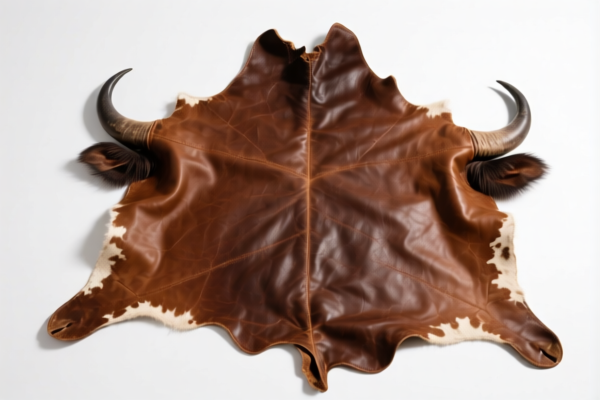
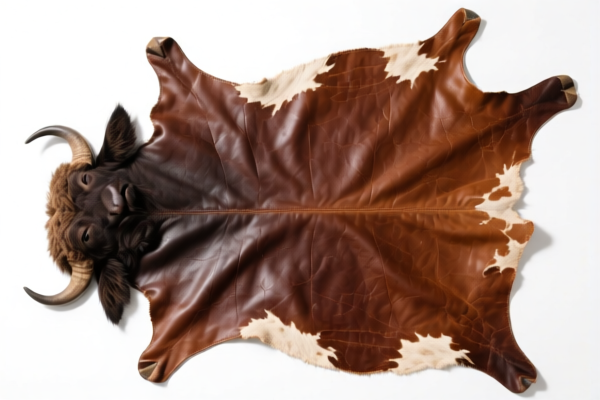
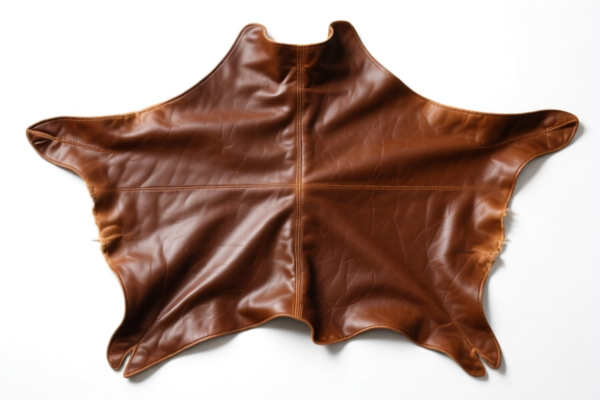
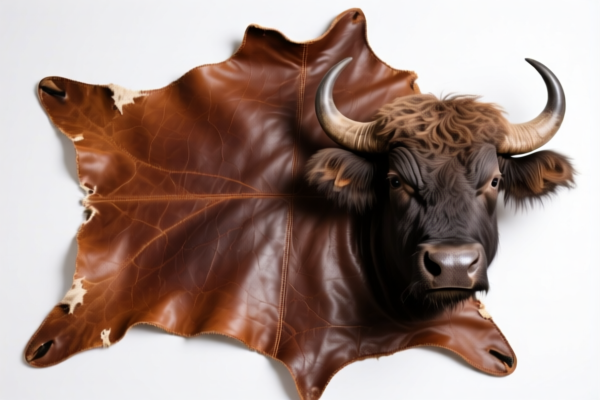
AI分析
🦁 Natural Lynx Fur Hides (Raw/Skin)
🌐 HS Code Reference & Customs Clearance Guide | 2026 Latest Tariff Analysis | Professional Entry Strategy
📌 I. Product Definition & Classification: Do You Really Understand "Raw Lynx Skins"?
Lynx fur hides, in their natural state, represent high-value raw materials for the luxury fashion and fur industry. In international trade, classification depends strictly on the physical state of the product and the degree of processing. The term "Natural Lynx Fur Hides" generally refers to skins that have been removed from the animal but have not yet undergone the tanning process.
Key Distinction in Customs Classification: * Raw/Unprocessed (Salted/Fresh/Frozen): These are classified under Chapter 41 (Leather, fur skins) or specific headings for raw animal skins depending on the exact HS code hierarchy. * Tanned/Processed: These would fall under Chapter 43 (Furskins and artificial fur).
⚠️ Critical Note for this Data Set:
The provided data exclusively covers Raw/Unprocessed Lynx Skins (生皮). There are no entries for tanned furs (Chapter 43) in the provided . Therefore, this guide focuses strictly on the import of raw, un-tanned lynx hides into markets with the specific tariff structures mentioned (implied US context due to "Section 301" and "IEEPA" references in the tax details).
📦 II. HS Code Classification Details (2026 Latest Tariff Authority Match)
Based on the provided <DATA>, here is the precise mapping of "Natural Lynx Fur Hides" to specific HS Codes and their logical justifications.
| HS Code | Summary Description | Logical Justification & Material Match |
|---|---|---|
| 4301.80.02.20 | Raw Lynx Skins | Material & Category Definition: This code is used when the classification emphasizes the specific species (Lynx) and the category of the raw hide. It matches the definition of raw lynx fur skins as a distinct commodity type within the broader fur skin chapters. |
| 4103.90.11.90 | Raw Lynx Skins | Un-tanned Original Skin: This code categorizes the product as an "Un-tanned Skin" under the Leather/Fur Skin heading. It specifically matches the morphological state of the hide—raw, un-processed, and in its original form before any tanning or preservation beyond basic salting/freezing. |
| 4103.90.20.00 | Raw Lynx Skins | Un-tanned Material Requirement: This code focuses on the material requirement that the skin has not been tanned. It is the fallback for raw animal skins that do not fit more specific sub-headings, ensuring compliance with the "un-tanned" material standard. |
🔍 Key Differentiator:
- 4301.80... vs 4103.90...: While Chapter 43 is typically for furskins (often implying tanned or prepared), the provided data assigns specific raw lynx entries to both. The distinction often lies in national sub-heading definitions. However, all three codes in the explicitly state "Raw Lynx Skins" (生猞猁皮).
- Crucial Check: Ensure the skin is truly raw (untanned). If it is tanned, these codes may be incorrect, and Chapter 43 tanned entries should be used.
💰 III. 2026 Latest Tariff Rate Details (Including Surtaxes & Policy Add-ons)
✅ Context: The tax details provided (Base + 7.5% + 10%) indicate a specific trade environment, likely China's import duties on US-origin goods or a specific bilateral context involving "Section 122" (122条款) and "7.5% surtax".
Note: The prompt asks for English explanation. The data shows "122条款关税10%" and "加征关税7.5%". This structure is typical of retaliatory tariffs or specific trade war measures.
🎯 1. HS Code: 4301.80.02.20 —— Raw Lynx Skins (Category Definition)
| Item | Content |
|---|---|
| Base Tariff | 0.0% |
| Surtax (加征关税) | +7.5% |
| Section 122 Tariff (122条款关税) | +10.0% |
| Total Effective Rate | 17.5% |
| Tax Calculation | CIF Value × 17.5% |
| Legal Basis | Base: 0% + Surtax: 7.5% + Sec 122: 10% |
📌 Explanation:
- Base Tariff (0%): Raw animal skins often enjoy low base import duties.
- Surtax (7.5%): Likely a retaliatory or specific trade agreement surtax.
- Section 122 Tariff (10%): A specific policy-based additional duty (often related to national security or specific trade remedies).
- Total: A flat 17.5% on the CIF value.
🎯 2. HS Code: 4103.90.11.90 —— Raw Lynx Skins (Un-tanned Morphology)
| Item | Content |
|---|---|
| Base Tariff | 0.0% |
| Surtax (加征关税) | +7.5% |
| Section 122 Tariff (122条款关税) | +10.0% |
| Total Effective Rate | 17.5% |
| Tax Calculation | CIF Value × 17.5% |
| Legal Basis | Base: 0% + Surtax: 7.5% + Sec 122: 10% |
📌 Note:
- Identical tax structure to4301.80.02.20.
- The choice between this and the previous code depends on whether the customs authority prioritizes the Category (4301) or the Morphological State (4103).
- Risk: If the skin is slightly processed (e.g., chrome-tanned), this code becomes invalid, and higher duties may apply.
🎯 3. HS Code: 4103.90.20.00 —— Raw Lynx Skins (Un-tanned Material)
| Item | Content |
|---|---|
| Base Tariff | 3.3% |
| Surtax (加征关税) | +7.5% |
| Section 122 Tariff (122条款关税) | +10.0% |
| Total Effective Rate | 20.8% |
| Tax Calculation | CIF Value × 20.8% |
| Legal Basis | Base: 3.3% + Surtax: 7.5% + Sec 122: 10% |
📌 Warning:
- This code has a non-zero base tariff (3.3%).
- Total Rate: 20.8%.
- Why is it higher? This code is used when the specific "Raw Lynx" classification under 4301 or 4103.11 is not applicable, falling back to a generic "Other Raw Skins" category.
- Avoid if possible: If your product can be classified under4301.80.02.20or4103.90.11.90, this code results in an additional 3.3% cost.
🛠️ IV. Customs Clearance Practical Advice (Battle-Tested Pitfall Guide)
✅ 1. Document Checklist (Non-Negotiable)
| Document | Required | Explanation |
|---|---|---|
| ✅ Biological/Species Certificate | ✔️ | Proof of species (Lynx lynx, etc.). Critical for CITES compliance. |
| ✅ CITES Permit (Appendix I/II) | ✔️ | Lynx is a protected species. Import/Export requires CITES permits. No CITES = Confiscation. |
| ✅ Invoice & Packing List | ✔️ | Must clearly state "Raw Lynx Fur Skins" and value. |
| ✅ Certificate of Origin | ✔️ | To determine applicability of Surtaxes and Section 122 tariffs. |
| ✅ Treatment Declaration | ✔️ | Specify preservation method (e.g., "Salted," "Frozen," "Dry"). Must confirm UN-TANNED status. |
✅ 2. Classification Strategy (Key Mantras)
🔥 "Raw Means Raw, Tanned Means Tanned, Species Must Be Proven, CITES Is King!"
| Scenario | Correct Action | Wrong Action |
|---|---|---|
| Raw Skins (Salted) | Use 4103.90.11.90 or 4301.80.02.20 (17.5%) |
Misdeclare as "Tanned Fur" → Wrong chapter, penalties. |
| Tanned Skins | NOT COVERED IN DATA → Use Chapter 43 Tanned codes | Use Raw codes → Under-declaration of duty. |
| Partially Processed | Verify if "Prepared" vs "Raw" | Ambiguous description → Customs will reclassify (likely to 20.8%). |
| No CITES Permit | Stop! Do not ship. | Ship without permit → Seizure & Fines. |
✅ 3. Special Handling Cases
| Case | Handling Advice |
|---|---|
| CITES Protection | Lynx is listed in CITES Appendices. Ensure both Export Permit (from country of origin) and Import Permit (destination) are obtained. |
| Species Identification | Lynx species (Eurasian, Bobcat, Canada Lynx) may have different CITES levels. Be precise. |
| Preservation Method | "Raw" includes salted, frozen, or dry-salted. If chemically treated beyond basic preservation, it may be considered "prepared" rather than "raw," affecting HS code. |
| Tariff Optimization | Compare 4103.90.11.90 (17.5%) vs 4103.90.20.00 (20.8%). Aim for the 17.5% code by providing precise species and state documentation. |
🌍 V. Global Market Customs Comparison (2026 Latest)
| Country/Region | Recommended HS Code (Raw) | Tariff Structure | CITES Requirement | Remarks |
|---|---|---|---|---|
| 🇨🇳 China (Import from US) | 4301.80.02.20 / 4103.90.11.90 |
17.5% (0% Base + 7.5% + 10% Sec 122) | ✅ Strict | High risk of tariff war measures. |
| 🇺🇸 USA (Import) | 4103.90 / 4301.80 |
Varies by FTA | ✅ Strict | Check USITC for specific raw skin duties. |
| 🇪🇺 EU | 4103.90 / 4301.80 |
Varies (Often 0-3%) | ✅ Strict | CITES enforcement is very strict in EU. |
| 🇯🇵 Japan | 4103.90 / 4301.80 |
Varies | ✅ Strict | Check for specific protected species lists. |
📌 Conclusion:
- CITES is the primary barrier, not just tariffs.
- Tariff Arbitrage: The 17.5% rate is specific to the trade relationship implied by the "Section 122" and "7.5% surtax."
- Documentation: The accuracy of the "Raw" status claim is vital to avoid the higher 20.8% rate.
📌 VI. Common Errors & Pitfall Guide (Lessons Learned)
❌ Error 1: Importing Tanned Lynx skins using Raw HS Codes (4103.90)
👉 Consequence: Customs will reclassify to Chapter 43 Tanned codes, potentially leading to under-declaration of duties and penalties.
👉 Fix: Verify tanning status. If tanned, use correct Chapter 43 codes.
❌ Error 2: Failing to provide CITES Permits
👉 Consequence: Seizure of goods, heavy fines, and potential criminal charges for wildlife trafficking.
👉 Fix: Apply for CITES permits before shipment.
❌ Error 3: Vague Description ("Fur Skins") without Species or State
👉 Consequence: Customs may apply the highest possible duty or reject the entry for lack of clarity.
👉 Fix: Use precise language: "Raw, Salted, Eurasian Lynx (Lynx lynx) Fur Skins."
❌ Error 4: Ignoring Section 122 & Surtaxes
👉 Consequence: Underestimating landed cost by 17.5%.
👉 Fix: Factor 17.5% (or 20.8%) into the cost model from the start.
✅ Correct Practice:
"Raw, Salted Lynx Fur Skins (Species: Lynx lynx), CITES Permit #XYZ123, Un-tanned, CIF Value $10,000."
🎯 VII. Conclusion: Professional Clearance, Cost Control & Compliance
🎯 Remember the Mantra:
🔹 "Raw vs. Tanned is Life or Death for HS Code."
🔹 "CITES First, Then Tariffs."
🔹 "17.5% is the Target, 20.8% is the Penalty for Ambiguity."
🔹 "No Permit, No Entry."
📌 Pro Tip:
- Pre-Ruling: Apply for an Advance Ruling on the HS Code (4301.80.02.20 vs 4103.90.11.90) to lock in the 17.5% rate.
- Supplier Coordination: Ensure the supplier provides accurate CITES documentation and confirms the raw state of the skins.
- Cost Modeling: Budget for 17.5% duty on CIF value. Do not underestimate.
📣 Immediate Action Required:
📞 Consult with a licensed wildlife trade attorney for CITES compliance.
📑 Prepare CITES permits and precise commercial invoices.
🚀 Ensure your HS Code classification is locked at 17.5% (4301.80.02.20or4103.90.11.90) to avoid the 20.8% trap.
✨ Professional Customs Clearance Starts with Precision!
💼 Every Dollar of Duty Saved is Pure Profit!
用户评价
关于 HS 编码归类
协调制度(HS)是由世界海关组织(WCO)制定的国际贸易商品分类标准。全球 200 多个国家采用 HS 系统作为海关关税、贸易统计和进出口监管的基础。
每个 HS 编码遵循以下层级结构:
- 章(2 位)——商品大类(例如:第 84 章:机器和机械设备)
- 品目(4 位)——章内的更具体分类
- 子目(6 位)——国际通用细分,所有 WCO 成员国统一使用
- 本国细分(8-10 位)——各国自行扩展的细分编码,如美国 HTSUS 10 位编码
正确的 HS 编码归类对于顺利通关、准确缴纳关税和遵守贸易法规至关重要。错误归类可能导致海关延误、多缴关税或罚款。
从CN进口到US时,适用的关税税率可能包括:
- 最惠国(MFN)税率——适用于 WTO 成员国的标准关税税率
- 普通税率——适用于无贸易协定国家
- 贸易救济关税——附加关税,如 301 条款(反倾销)、232 条款(国家安全)或反补贴税
本页内容仅供参考。如需正式归类,请咨询当地海关或持牌报关代理。