Natural Polymer Surfactant
CN → US| HS编码 | 关税税率 | 原产国 | 目的国 | 文档 |
|---|---|---|---|---|
| 3824999397 | 40.0% | CN | US | 官方文档 |
| 3210000000 | 36.8% | CN | US | 官方文档 |
| 3824994140 | 39.6% | CN | US | 官方文档 |
| 3505100015 | 0.0% | CN | US | 官方文档 |
| 3824999397 | 40.0% | CN | US | 官方文档 |
商品图片


AI分析
🧪 Natural Polymer Surfactant: Strategic HS Code Classification & US Customs Clearance Guide (2026)
🌐 HS Code Reference & Clearance Guide | 2026 Latest Tariff Analysis | Professional Level Clearance Strategy
📌 I. Product Definition & Classification: Do You Truly Understand "Natural Polymer Surfactants"?
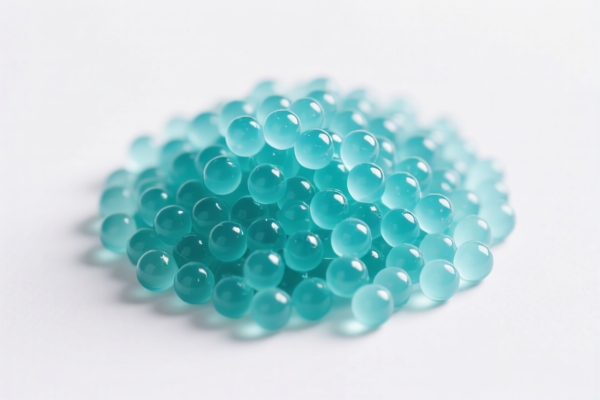
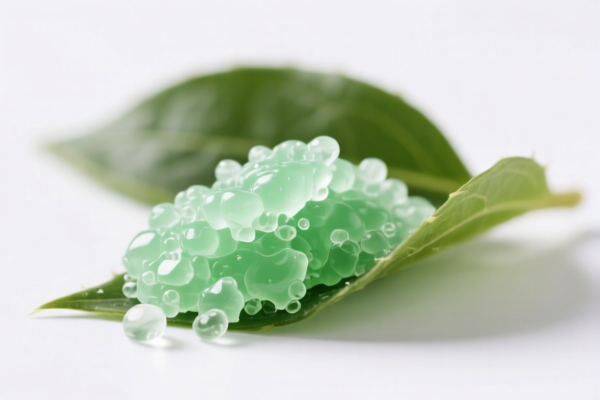
Natural Polymer Surfactants are bio-based chemical agents derived from natural polymers (such as starch, cellulose, lignin, or protein derivatives) that exhibit surfactant properties (reducing surface tension). In international trade, their classification is highly complex because they can serve multiple functions: as industrial chemicals, coating additives, or adhesive binders.
⚠️ Key Distinction Point:
- If the product is a general chemical preparation/additive for industrial processes → Classify under Chapter 38 (Miscellaneous Chemical Products). - If the product is primarily a coating component (paint/varnish ingredient) → Classify under Chapter 32 (Tanning, Dyeing, Paint, Varnish, Putty, Mastics). - If the product is in granular form acting as a binder/adhesive base → Classify under Chapter 35 (Animal Glues, Modified Starches, Adhesives).
📦 II. HS Code Classification Details (2026 Latest Tariff Authority Comparison)
Based on the provided data, here are the five possible classifications depending on the specific chemical structure, form, and intended use:
| HS Code | Product Description | Applicable Scenario | Tax Rate (Total) |
|---|---|---|---|
3824.99.93.97 |
Miscellaneous Chemical Preparations Natural polymer surfactants used as additives or general chemical products. |
Industrial additives, non-specific chemical formulations, general surfactant preparations. | 40.0% |
3210.00.00.00 |
Other Paints & Varnishes Natural polymer surfactants as components of paints, varnishes, or coating formulations. |
Ingredients for paint manufacturing, coating enhancers, binder components for finishes. | 36.8% |
3824.99.41.40 |
Chemical Preparations (Organic) Organic chemical substances, mixtures, or preparations not elsewhere specified. |
Specific organic chemical mixtures, intermediate chemical reagents, specialized organic surfactants. | 39.6% |
3505.10.00.15 |
Dextrins & Other Modified Starches; Glues Granular form, primary shape, bio-based material attributes. |
Granular surfactants used as binders, adhesives, or starch-based surfactant preparations. | 17.5% + $0.007/kg |
3824.99.93.97 |
Additives & Chemical Agents Matching natural polymer materials with chemical agent uses. |
Specialized additives for polymer processing, surface treatment chemicals. | 40.0% |
🔍 Key Reminder:
- Chapter 38 is the most common bucket for "surfactants" unless they are explicitly part of a paint (Ch 32) or an adhesive/starch product (Ch 35). - Granular form is a critical classifier for3505.10.00.15. If the product is a fine powder/granule used as a binder, this code may apply with a different tax structure.
💰 III. 2026 Latest Tariff Rate Breakdown (Including Surtaxes & Policy Add-ons)
✅ Applicable Country: United States (US)
✅ Origin: China (CN)
✅ Effective Time: 2025/2026 Period (Current Trade Environment)
🎯 1. 3824.99.93.97 – Miscellaneous Chemical Preparations (Most Common)
| Item | Content |
|---|---|
| Base Tariff | 5.0% |
| Section 301 Surtax | +25.0% |
| IEEPA 122 Clause Surtax | +10.0% |
| Total Tax Rate | 40.0% |
| Calculation Method | CIF Value × 40% |
| De Minimis Exemption | ❌ Not Eligible (High risk of audit) |
| Legal Path | USITC:3824.99.93.97 → Section 301: Footnote 9903.88.01 → IEEPA:122 Clause |
📌 Explanation:
- This is the standard classification for general chemical surfactants. - The 40% total rate is a combination of the standard US tariff (5%), Section 301 tariffs (25% for Chinese goods), and specific 122 clause surcharges (10%). - Critical: Do not assume it’s exempted because it’s "natural." It is still a chemical preparation of Chinese origin.
🎯 2. 3210.00.00.00 – Other Paints & Varnishes (Coating Ingredients)
| Item | Content |
|---|---|
| Base Tariff | 1.8% |
| Section 301 Surtax | +25.0% |
| IEEPA 122 Clause Surtax | +10.0% |
| Total Tax Rate | 36.8% |
| Calculation Method | CIF Value × 36.8% |
| De Minimis Exemption | ❌ Not Eligible |
| Legal Path | USITC:3210.00.00.00 → Section 301 → IEEPA:122 |
📌 Explanation:
- Use this ONLY if the surfactant is specifically formulated as an ingredient for paints, varnishes, or mastics. - Slightly lower rate (36.8% vs 40%) due to a lower base tariff (1.8% vs 5%).
🎯 3. 3824.99.41.40 – Chemical Preparations (Organic)
| Item | Content |
|---|---|
| Base Tariff | 4.6% |
| Section 301 Surtax | +25.0% |
| IEEPA 122 Clause Surtax | +10.0% |
| Total Tax Rate | 39.6% |
| Calculation Method | CIF Value × 39.6% |
| De Minimis Exemption | ❌ Not Eligible |
📌 Explanation:
- Applies if the product is strictly an "organic chemical substance" or mixture not covered by other specific headings. - Rate is 39.6%, slightly better than the general 40% category.
🎯 4. 3505.10.00.15 – Granular/Starch-Based Adhesives & Binders
| Item | Content |
|---|---|
| Base Tariff | $0.007/kg (Specific Duty) |
| Section 301 Surtax | +7.5% (Note: Specific to this subheading in some interpretations) |
| IEEPA 122 Clause Surtax | +10.0% |
| Total Tax Rate | 17.5% + $0.007/kg |
| Calculation Method | (CIF Value × 17.5%) + ($0.007 × Weight in kg) |
| De Minimis Exemption | ❌ Not Eligible |
📌 Explanation:
- CRITICAL DIFFERENTIATOR: This code applies ONLY if the product is in granular/primary form and functions as a starch derivative, dextrin, or adhesive binder. - Significant Savings: The total ad valorem rate is much lower (17.5% vs ~40%). - Risk: Must prove the product is granular and has adhesive/binder properties. Misclassification here can lead to severe penalties.
🎯 5. 3824.99.93.97 – Additives (Repetition for Emphasis)
| Item | Content |
|---|---|
| Total Tax Rate | 40.0% |
| Note | Same as #1. Reaffirms that general additives fall under this high-tax bracket. |
🛠️ IV. Customs Clearance Practical Advice (Pitfall Avoidance Guide)
✅ 1. Documentation Checklist (Mandatory)
| Document | Required? | Description |
|---|---|---|
| ✅ Product Specification Sheet | ✔️ | Must detail chemical composition, source of polymer (e.g., corn starch, cellulose), and physical form (liquid/powder/granular). |
| ✅ Certificate of Origin (CO) | ✔️ | To confirm Chinese origin and apply surtaxes correctly. |
| ✅ Commercial Invoice | ✔️ | Clearly state "Natural Polymer Surfactant" and intended use (e.g., "for use in paint manufacturing" or "industrial additive"). |
| ✅ Safety Data Sheet (SDS) | ✔️ | Required by US CBP and DOT to classify as hazardous or non-hazardous chemical. |
| ✅ EPA TSCA Certification | ✔️ | CRITICAL. All chemicals imported into the US must comply with the Toxic Substances Control Act (TSCA). Provide EPA TSCA import certification. |
✅ 2. Classification Strategy & Tips
🔥 Golden Rule:
"Form Defines Function, Function Defines Code!"
| Scenario | Recommended HS Code | Reasoning |
|---|---|---|
| Liquid Surfactant for General Use | 3824.99.93.97 |
Standard miscellaneous chemical preparation. |
| Surfactant Mixed into Paint | 3210.00.00.00 |
If the primary identity is a coating component. |
| Granular Starch-Derived Surfactant | 3505.10.00.15 |
Must be granular/primary form and function as a binder/starch derivative. Best for tax savings. |
| Organic Chemical Mixture | 3824.99.41.40 |
If it’s a specific organic compound not listed elsewhere. |
✅ 3. Special Handling & Compliance
| Issue | Handling Advice |
|---|---|
| EPA TSCA | Ensure the manufacturer has provided the EPA TSCA Import Certification. Without this, the shipment will be detained by CBP immediately. |
| Granular vs. Powder | Do not confuse "powder" with "granules." Granules are larger, distinct particles. If in doubt, provide photos and particle size analysis to support 3505.10.00.15. |
| Value Declaration | Declare the CIF value accurately. With a 40% tax rate, under-declaration is high-risk and heavily audited. |
| Origin Labeling | Clearly mark products as "Made in China" to avoid penalties for false origin declaration. |
🌍 V. Global Market Comparison (2026 Context)
| Market | Recommended HS Code | Estimated Tax Rate | Key Requirements |
|---|---|---|---|
| 🇺🇸 USA | 3824.99.93.97 / 3505.10.00.15 |
36.8% – 40% (or 17.5% + specific) | EPA TSCA, Section 301, IEEPA 122 |
| 🇨🇳 China | 3824.99.93.97 |
Low/Moderate | Standard import procedures, no Section 301 |
| 🇪🇺 EU | 3824.99.93 |
Variable (often 0-6%) | REACH Registration, SDS, CLP Labeling |
| 🇯🇵 Japan | 3824.99.93 |
Low (1-3%) | Fertilization Control Act, if applicable |
📌 Conclusion:
- The US market is the most costly for natural polymer surfactants from China due to the叠加 (stacking) of Section 301 and IEEPA surcharges. - Tax Optimization Strategy: If your product is in granular form and can be classified as a starch derivative/binder, target3505.10.00.15to reduce the rate from ~40% to 17.5%. This requires strict adherence to physical form and functional definition.
📌 VI. Common Mistakes & Pitfalls (Lessons Learned)
❌ Mistake 1: Assuming "Natural" = "Exempt from Tariffs"
👉 Consequence: Severe underpayment of duties. Natural origin does not exempt goods from Section 301 or IEEPA surtaxes.
❌ Mistake 2: Misclassifying Granular Surfactants as General Chemicals
👉 Consequence: Overpaying 20%+ in taxes. If it’s granular/starch-based, argue for 3505.10.00.15.
❌ Mistake 3: Ignoring EPA TSCA Requirements
👉 Consequence: Shipment blocked at port, storage fees, and potential fines. Always check TSCA status.
❌ Mistake 4: Using Generic Names in Invoice
👉 Consequence: CBP requests additional info, causing delays. Use precise technical names (e.g., "Modified Starch Surfactant Granules").
✅ Correct Practice:
"Natural Polymer Surfactant (Starch-Derived), Granular Form, for Use as Industrial Binder, EPA TSCA Certified, HS Code: 3505.10.00.15"
🎯 VII. Conclusion: Precision in Classification, Profit in Clearance
🎯 Remember the Mantra:
🔹 "Granular = Starch? Aim for 3505.10 (17.5%)!"
🔹 "Liquid/General? Expect 3824.99 (40%)!"
🔹 "Paint Additive? Check 3210 (36.8%)!"
🔹 "Never Forget EPA TSCA – It’s the Gatekeeper!"
📌 Pro Tip:
If your product qualifies for 3505.10.00.15, provide particle size analysis and chemical structure diagrams to customs brokers to justify the classification. This can save you ~22-23% in tariffs.
📣 Immediate Action:
📞 Contact your customs broker with the Product Specification Sheet and SDS.
🚀 Apply for an Advance Ruling from US CBP if the classification is ambiguous.
💼 Optimize your supply chain costs with accurate HS Code declaration!
✨ Professional Clearance Starts with Precise Classification!
💼 Every percentage point of tax saves you thousands!
用户评价
关于 HS 编码归类
协调制度(HS)是由世界海关组织(WCO)制定的国际贸易商品分类标准。全球 200 多个国家采用 HS 系统作为海关关税、贸易统计和进出口监管的基础。
每个 HS 编码遵循以下层级结构:
- 章(2 位)——商品大类(例如:第 84 章:机器和机械设备)
- 品目(4 位)——章内的更具体分类
- 子目(6 位)——国际通用细分,所有 WCO 成员国统一使用
- 本国细分(8-10 位)——各国自行扩展的细分编码,如美国 HTSUS 10 位编码
正确的 HS 编码归类对于顺利通关、准确缴纳关税和遵守贸易法规至关重要。错误归类可能导致海关延误、多缴关税或罚款。
从CN进口到US时,适用的关税税率可能包括:
- 最惠国(MFN)税率——适用于 WTO 成员国的标准关税税率
- 普通税率——适用于无贸易协定国家
- 贸易救济关税——附加关税,如 301 条款(反倾销)、232 条款(国家安全)或反补贴税
本页内容仅供参考。如需正式归类,请咨询当地海关或持牌报关代理。