Natural Rosin
CN → US商品图片


AI分析
🌲 Natural Rosin (Natural Colophony)
🌐 HS Code Reference & Customs Clearance Guide | 2026 Latest Tariff Analysis | Professional Customs Strategy
📌 I. Product Definition & Classification: What Exactly is "Natural Rosin"?
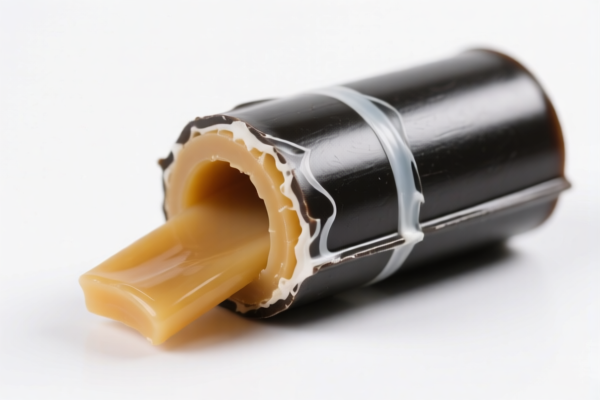
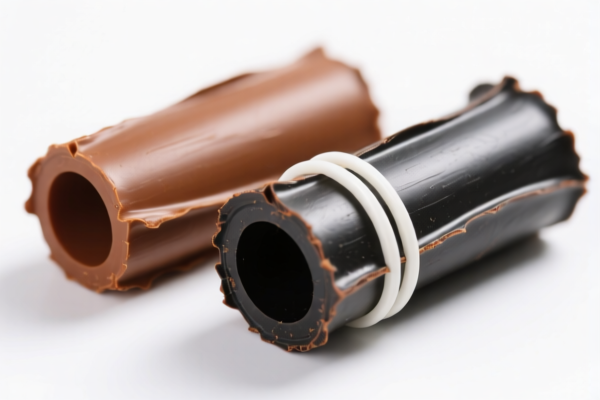
Natural Rosin (also known as Colophony) is the solid residue left after distilling the volatile solvents (turpentine) from the resinous sap of living pine trees. It is a major industrial raw material used in adhesives, paper sizing, cosmetics, ink, and rubber manufacturing.
In international trade, it is strictly distinguished from Synthetic Rosin (made from petroleum by-products) and Tall Oil Rosin (a by-product of the pulp and paper industry).
⚠️ Key Distinction Point:
- If produced by distilling raw pine resin (gum rosin or wood rosin) → Classified under Chapter 13 (Vegetable Saps and Extracts).
- If hydrogenated or chemically modified beyond simple distillation → May fall under Chapter 39 (Plastics) or Chapter 38 (Chemical Products).
- Pure Natural Rosin is almost always classified under 1302.
📦 II. HS Code Classification Details (2026 Latest Tariff Authority)
| HS Code | Product Description | Applicable Scenario | Chemical Nature |
|---|---|---|---|
1302.19.90.00 |
Vegetable saps and extracts; Rosin (Colophony) and other vegetable resins | Standard Natural Rosin from pine trees (Gum Rosin or Wood Rosin) | ✅ Organic, Vegetable Origin |
1302.12.00.00 |
Rosin and resin acids | Refined Rosin / Resin Acids (Abietic acid content > simple mix) | ✅ Organic, Vegetable Origin |
3824.99.99.00 |
Prepared binding agents for foundry molds; Chemical products... | Hydrogenated Rosin or Chemically Modified Rosin | ❌ Chemically Modified |
3506.91.00.00 |
Prepared glues and other prepared adhesives | Adhesives containing Rosin (Not pure rosin) | ⚠️ Mixture/Product |
🔍 Critical Reminder:
-1302.19.90.00is the standard code for Natural Rosin (Gum Rosin).
-1302.12.00.00is often used for Resin Acids or highly purified natural rosin derivatives.
- Hydrogenated Rosin (common in rubber manufacturing) is NOT vegetable sap/extract in the raw sense and is often classified under3824.99.99.00or3906.90depending on the degree of modification. Do not misclassify modified rosin as natural.
💰 III. 2026 Latest Tariff Rate Details (Including Surcharges)
✅ Applicable Country: United States (US)
✅ Country of Origin: China (CN)
✅ Effective Date: From November 10, 2025 (and subsequent imports)
🎯 1. 1302.19.90.00 —— Natural Rosin (Vegetable Sap/Extract)
| Item | Content |
|---|---|
| Base Tariff Rate | 5.3% (ad valorem) |
| USITC Additional Tariff | +25% (from USITC Footnote 9903.88.01, Section 301) |
| IEEPA Additional Tariff | +10% (Targeting Chinese/HK products, effective Nov 10, 2025) |
| Total Tax Rate | 40.3% |
| Tax Calculation | CIF Value × 40.3% |
| De Minimis Exemption Eligible? | ❌ No (deny_de_minimis) |
| Legal Basis Path | IEEPA:9903.01.25 → IEEPA:9903.01.24 → USITC:1302.19.90.00 → FOOTNOTE:9903.88.01 |
📌 Explanation:
- The 25% USITC tariff is applied to most Chinese-origin chemical products under Section 301.
- The 10% IEEPA tariff is a new layer added in late 2025.
- Total: 40.3%. This is a high-cost item. Ensure your supply chain can absorb this or consider alternative origins.
🎯 2. 1302.12.00.00 —— Resin Acids (Highly Purified Natural)
| Item | Content |
|---|---|
| Base Tariff Rate | 5.3% |
| USITC Additional Tariff | +25% |
| IEEPA Additional Tariff | +10% |
| Total Tax Rate | 40.3% |
| Tax Calculation | CIF Value × 40.3% |
| De Minimis Exemption Eligible? | ❌ No |
| Legal Basis Path | IEEPA:9903.01.25 → IEEPA:9903.01.24 → USITC:1302.12.00.00 → FOOTNOTE:9903.88.01 |
📌 Note:
- Even if purified, if it is still derived from vegetable saps without significant chemical modification (like hydrogenation), it remains in Chapter 13.
- If Hydrogenated, it shifts to Chapter 38/39, where rates may differ, but usually still high for Chinese goods.
🛠️ IV. Customs Clearance Practical Advice (Real-World Pitfall Guide)
✅ 1. Document Checklist (Mandatory)
| Document | Must Provide | Description |
|---|---|---|
| ✅ Product Specification Sheet | ✔️ | Must state "Natural Rosin from Pine Trees," not "Synthetic." |
| ✅ MSDS (Material Safety Data Sheet) | ✔️ | Classify as Non-Hazardous (usually), but check for flammable dust risks. |
| ✅ Certificate of Origin (CO) | ✔️ | Crucial for proving origin. If from Vietnam/Malaysia, check for FTZ benefits (but beware of transshipment rules). |
| ✅ Phytosanitary Certificate | ✔️ | Since it is a plant product, customs may require this to prove it’s free of pests. |
| ✅ Commercial Invoice | ✔️ | Clearly describe as "Natural Rosin / Colophony, HS 1302.19.90" |
| ✅ Bill of Lading | ✔️ | Ensure goods are packed in sealed drums/bags, not loose wood crates (ISPM 15 applies if wood packaging used). |
✅ 2. Declaration Tips (Key Mantra)
🔥 “Declare Natural, Not Synthetic; Phyto Cert Needed, Avoiding Penalty!”
| Scenario | Correct Declaration | Wrong Practice |
|---|---|---|
| Natural Rosin from Gum Wood | 1302.19.90.00 |
Misdeclare as 3824 (Chemical Product) → Risk of classification error |
| Hydrogenated Rosin | 3824.99.99.00 |
Declare as Natural → Smuggling/Fraud Risk |
| Rosin-based Adhesive | 3506.91.00.00 |
Declare as Raw Rosin → Tax Underpayment |
| Wood Packaging | ISPM 15 Marked | Untreated wood → Quarantine/Return |
✅ 3. Special Cases Handling
| Situation | Handling Advice |
|---|---|
| Hydrogenated Rosin | This is chemically modified. It is not HS 1302. It is likely 3824.99.99.00. Tariff may be different, but still high. Do not use 1302. |
| Tall Oil Rosin | Often classified under 1513 or 3823. It is a by-product of pulp/paper. Different HS code than Gum Rosin. |
| Mixed Origin | If Rosin is blended with synthetic resins, the character of the good determines the HS code. If >50% natural by value/weight, still risky. Best to declare as 3824 (Prepared Chemicals). |
| Phytosanitary Check | Since Rosin is from pine trees, US Customs (CBP) may request a Phytosanitary Certificate from the exporter’s country to prove no pine bark pests. Prepare this in advance! |
🌍 V. Global Market Customs Comparison (2026 Latest)
| Country/Region | Recommended HS Code | Tariff (China Origin) | Certification Requirement | Notes |
|---|---|---|---|---|
| 🇺🇸 USA | 1302.19.90.00 |
40.3% | FDA (if for food/cosmetic use) | High tariffs due to Sec 301 + IEEPA |
| 🇨🇳 China | 1302.19.90.00 |
5-8% | None usually | Major exporter, low import tariff |
| 🇪🇺 EU | 1302.19.90.00 |
0-5% | REACH Registration (ECHA) | REACH is critical for chemicals |
| 🇬🇧 UK | 1302.19.90.00 |
5-8% | UK REACH | Post-Brexit rules apply |
| 🇲🇽 Mexico | 1302.19.90.00 |
0% (if USMCA eligible) | None | Check origin rules for USMCA benefit |
📌 Conclusion:
- USA is the most expensive market for Chinese Natural Rosin due to 40.3% total duties.
- EU/UK require REACH registration for chemicals. Ensure your supplier has a REACH number if you are an importer.
- Mexico/Canada may offer 0% tariff under USMCA if the Rosin is sufficiently transformed or originated there.
📌 VI. Common Errors & Pitfalls (Lessons Learned)
❌ Error 1: Declaring Hydrogenated Rosin as Natural Rosin (1302)
👉 Consequence: Customs Classification Error. Hydrogenated rosin is a chemical modification. It falls under 3824 or 3906. Misdeclaration leads to back taxes, fines, and seizure.
❌ Error 2: Ignoring Phytosanitary Requirements
👉 Consequence: Since Rosin is a plant product, lack of a Phytosanitary Certificate can lead to quarantine delays or rejection by USDA APHIS.
❌ Error 3: Confusing Gum Rosin vs. Wood Rosin
👉 Consequence: Both are HS 1302.19.90.00. However, Wood Rosin has a different production process. Ensure the Certificate of Origin matches the actual source if claiming preferential treatment elsewhere.
❌ Error 4: Failing to declare HazMat Status
👉 Consequence: Rosin dust is combustible. If shipped by air, it may require HazMat documentation if the powder form is shipped. Bulk lumps are generally safer.
✅ Correct Practice:
“Natural Rosin (Colophony), Derived from Pine Trees, HS 1302.19.90.00, Non-Hydrogenated, Phytosanitary Certificate Attached.”
🎯 VII. Conclusion: Professional Declaration, Cost Control, Smooth Clearance!
🎯 Remember the Mantra:
🔹 “Natural vs. Hydrogenated: HS 1302 vs 3824, Don’t Mix!”
🔹 “Phyto Cert for Plant Products, Avoiding USDA Hold!”
🔹 “US Tariff is 40.3%, Plan Your Supply Chain Early!”
📌 Pro Tip:
- If you are importing Hydrogenated Rosin, check HS 3824.99.99.00 for potential lower tariffs (but verify with a customs broker).
- For EU Imports, ensure your supplier provides REACH Compliance Documents.
- For US Imports, consider Section 301 Exclusions (if available) or Third-Country Processing (e.g., Malaysia, Thailand) to mitigate tariffs, but beware of Transshipment Rules.
📣 Immediate Action:
📞 Contact a Licensed Customs Broker
📄 Prepare Phytosanitary Certificate + MSDS
🚀 Verify HS Code for Hydrogenated vs. Natural to avoid Penalties
✨ Professional Customs Clearance Starts with Accurate Classification!
💼 Your Cost Efficiency Depends on Precise Tariff Calculation!
用户评价
关于 HS 编码归类
协调制度(HS)是由世界海关组织(WCO)制定的国际贸易商品分类标准。全球 200 多个国家采用 HS 系统作为海关关税、贸易统计和进出口监管的基础。
每个 HS 编码遵循以下层级结构:
- 章(2 位)——商品大类(例如:第 84 章:机器和机械设备)
- 品目(4 位)——章内的更具体分类
- 子目(6 位)——国际通用细分,所有 WCO 成员国统一使用
- 本国细分(8-10 位)——各国自行扩展的细分编码,如美国 HTSUS 10 位编码
正确的 HS 编码归类对于顺利通关、准确缴纳关税和遵守贸易法规至关重要。错误归类可能导致海关延误、多缴关税或罚款。
从CN进口到US时,适用的关税税率可能包括:
- 最惠国(MFN)税率——适用于 WTO 成员国的标准关税税率
- 普通税率——适用于无贸易协定国家
- 贸易救济关税——附加关税,如 301 条款(反倾销)、232 条款(国家安全)或反补贴税
本页内容仅供参考。如需正式归类,请咨询当地海关或持牌报关代理。