Natural Rubber Flakes
CN → US| HS编码 | 关税税率 | 原产国 | 目的国 | 文档 |
|---|---|---|---|---|
| 4001210050 | 35.0% | CN | US | 官方文档 |
| 4008210000 | 35.0% | CN | US | 官方文档 |
| 4008111000 | 35.0% | CN | US | 官方文档 |
| 4001290000 | 35.0% | CN | US | 官方文档 |
| 4016995500 | 37.5% | CN | US | 官方文档 |
商品图片
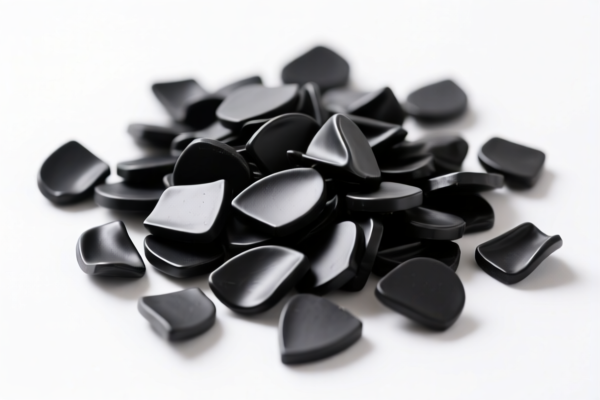
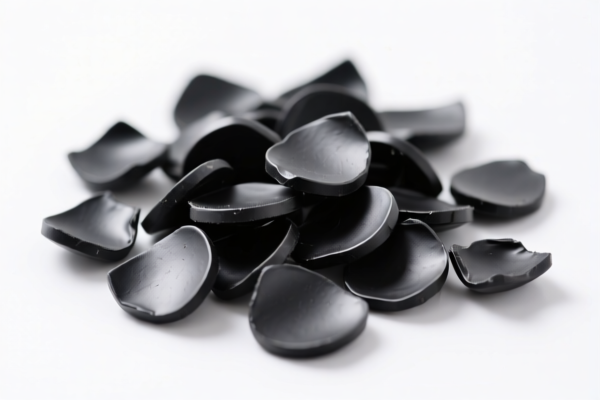
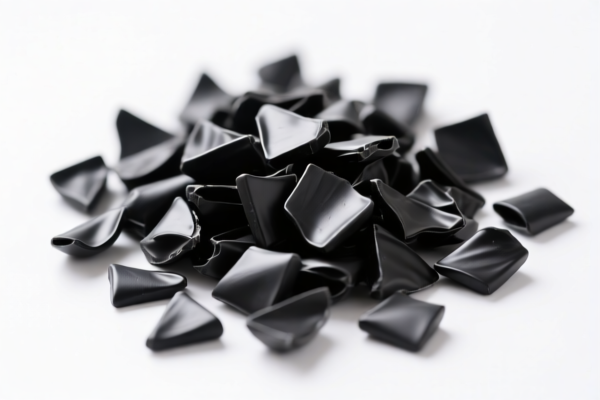
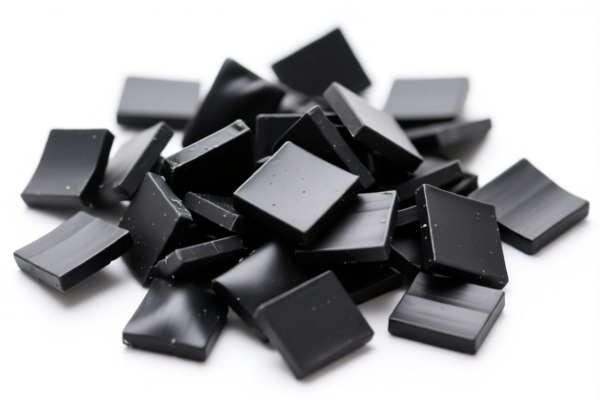
AI分析
🌿 Natural Rubber Flakes (NR Flakes)
🌐 HS Code Reference & Customs Clearance Guide | 2026 Latest Tariff Analysis | Professional Entry Strategy
Natural Rubber Flakes are a primary form of processed natural rubber, widely used in the manufacturing of tires, gloves, hoses, and industrial belts. In international trade, the classification depends heavily on the specific physical form (flake vs. block vs. latex) and whether it is vulcanized (cured/chemically hardened) or raw.
Below is the detailed breakdown based on the provided data set, specifically addressing "Natural Rubber Flakes" and related forms (films/patches) under US Customs regulations.
📦 1. HS Code Classification Matrix (2026 Latest Tariff Data)
The following table maps the product types to their corresponding HS Codes and Tax Rates as per the provided dataset.
| HS Code | Product Description & Summary | Physical Form | Total Tax Rate (China Origin) | Key Tax Components |
|---|---|---|---|---|
| 4001.21.00.50 | Natural Rubber Flakes/Film | Film/Sheet (Board, Plate, Strip shape) | 35.0% | Base: 0% Sec 301: 25% Sec 122: 10% |
| 4008.21.00.00 | Natural Rubber Film/Buffer Sheets | Film/Sheet (Vulcanized Rubber) | 35.0% | Base: 0% Sec 301: 25% Sec 122: 10% |
| 4008.11.10.00 | Natural Rubber Film/Patches | Film/Sheet (Plate, Tape, Strip shape) | 35.0% | Base: 0% Sec 301: 25% Sec 122: 10% |
| 4001.29.00.00 | Natural Rubber Flakes/Film | Film (Specific shapes) | 35.0% | Base: 0% Sec 301: 25% Sec 122: 10% |
| 4016.99.55.00 | Natural Rubber Buffer Patches | Buffer Patches (Shock Control) | 37.5% | Base: 2.5% Sec 301: 25% Sec 122: 10% |
⚠️ Critical Distinction:
- Unvulcanized Flakes/Films (Raw Material): Typically fall under 4001.2x (e.g.,4001.21.00.50).
- Vulcanized Films/Patches (Finished/Pre-processed): Typically fall under 4008.11 or 4008.21.
- Buffer Patches (Functional Parts): Fall under 4016.99.55.
💰 2. 2026 Tariff Rate Breakdown (Detailed Policy Analysis)
✅ Applicable Country: United States (US)
✅ Origin: China (CN)
✅ Effective Time: 2025/2026 (Current Trade Policy)
🎯 Scenario A: Natural Rubber Flakes/Films (HS Codes: 4001.21.00.50, 4001.29.00.00, 4008.21.00.00, 4008.11.10.00)
| Item | Details |
|---|---|
| Base Tariff Rate | 0.0% (Ad Valorem) |
| Section 301 Tariff | +25.0% (USITC Footnote / Trade Remedy) |
| Section 122 Tariff | +10.0% (Special Duty on Chinese Rubber Products) |
| Total Effective Rate | 35.0% |
| De Minimis Exemption | ❌ NOT ELIGIBLE (Deny De Minimis) |
| Calculation Basis | CIF Value × 35% |
📌 Explanation:
- Base 0%: Under normal MFN treatment, natural rubber often has low base duties.
- Section 301 (25%): Standard punitive tariff for Chinese goods.
- Section 122 (10%): Specific additional duty imposed on certain Chinese rubber articles.
- Combined Impact: The total landed cost must account for 35% duty alone, excluding shipping and insurance.
🎯 Scenario B: Natural Rubber Buffer Patches (HS Code: 4016.99.55.00)
| Item | Details |
|---|---|
| Base Tariff Rate | 2.5% (Ad Valorem) |
| Section 301 Tariff | +25.0% |
| Section 122 Tariff | +10.0% |
| Total Effective Rate | 37.5% |
| De Minimis Exemption | ❌ NOT ELIGIBLE |
| Calculation Basis | CIF Value × 37.5% |
📌 Explanation:
- This code applies if the rubber item is specifically classified as a "Buffer" or "Shock Control" item rather than raw film.
- The higher total rate (37.5%) is due to the 2.5% base duty.
- Ensure the product description emphasizes "Buffer" or "Shock Absorber" if this classification is chosen.
🛠️ 3. Customs Clearance Practical Advice (Avoiding Pitfalls)
✅ 1. Required Documentation Checklist
| Document | Mandatory? | Notes |
|---|---|---|
| Commercial Invoice | ✅ Yes | Must clearly state "Natural Rubber" and form (Flake/Film/Buffer). |
| Packing List | ✅ Yes | Detail weight, dimensions, and material composition. |
| Certificate of Origin (CO) | ✅ Yes | Essential to determine if origin is China. If not China, 301/122 duties may not apply. |
| Material Safety Data Sheet (MSDS) | ✅ Yes | For rubber products, safety data is often required. |
| Product Specification | ✅ Yes | Define whether it is Vulcanized (Cured) or Non-Vulcanized (Raw). This determines if you use 4001 or 4008. |
| ISF (10+2) Filing | ✅ Yes | Must file 24 hours before loading. |
✅ 2. Classification Strategy & Tips
🔥 Golden Rule:
"Form Defines Code: Flake/Film = 4001/4008; Buffer = 4016; Check Vulcanization Status!"
| Scenario | Correct Classification | Common Mistake | Consequence |
|---|---|---|---|
| Raw Natural Rubber Sheets/Films | 4001.21.00.50 | Misclassifying as 4008 (Vulcanized) | Potential penalty if audit proves raw state |
| Vulcanized Rubber Films/Patches | 4008.21.00.00 | Misclassifying as 4001 | Incorrect duty calculation |
| Rubber Pads for Shock Absorption | 4016.99.55.00 | Misclassifying as 4008 | Missed 2.5% base duty (small error, but accuracy matters) |
| Small Sample/Shipment < $800 | ❌ Cannot Use De Minimis | Attempting Section 321 Entry | Seizure or Refusal of goods |
✅ 3. Critical Warnings for "Natural Rubber Flakes"
-
No De Minimis Relief:
Even if the shipment value is under $800 (Section 321), natural rubber products from China are explicitly excluded from de minimis entry due to Section 301 and 122 duties. Full formal entry is required. -
Vulcanization Status is Key:
- If the rubber is not cured (raw), use 4001 codes.
- If the rubber is cured/vulcanized (hardened, elastic), use 4008 codes.
- Mislabeling "vulcanized" as "raw" to avoid scrutiny can lead to severe penalties.
-
Buffer vs. Film:
If the rubber item is designed specifically for shock absorption (e.g., machine feet, vehicle buffers), it may qualify for 4016.99.55.00. While the tax is slightly higher (37.5% vs 35%), it may better reflect the product’s function if it’s not a simple sheet/film.
🌍 4. Global Market Comparison (2026)
| Market | Recommended HS Code | Base Duty | Additional Duties (China) | Total Est. Duty | Notes |
|---|---|---|---|---|---|
| 🇺🇸 USA | 4001.21.00.50 / 4008.21.00.00 | 0% | 301 (25%) + 122 (10%) | 35.0% | Strict enforcement; no de minimis. |
| 🇺🇸 USA | 4016.99.55.00 | 2.5% | 301 (25%) + 122 (10%) | 37.5% | For buffer-specific items. |
| 🇪🇺 EU | 4001.29.00 | 0% | None (Most Favored Nation) | 0% - 1.7% | No 301/122 equivalents. |
| 🇨🇳 China | 4001.21.00 | 5% | None | 5% | Import duty for raw rubber into China. |
📌 Conclusion:
- The US market is the most challenging for Chinese natural rubber due to the 35% effective tariff rate.
- Supply Chain Strategy: Consider sourcing from Thailand, Indonesia, or Malaysia to avoid Section 301/122 duties (though base duties may still apply).
- Pre-Clearance: Always apply for an Advance Ruling if unsure whether a specific rubber product is "flakes," "film," or "buffer."
📌 5. Common Errors & Pitfalls
❌ Error 1: Claiming "De Minimis" for rubber shipments under $800.
👉 Result: Goods seized by CBP. Natural rubber is excluded from Section 321 relief.
❌ Error 2: Confusing "Flakes" with "Latex."
👉 Result: Incorrect HS Code. Latex falls under different codes (e.g., 4002). Ensure physical form is correctly described as Flakes, Sheets, or Rolls.
❌ Error 3: Failing to specify "Vulcanized" vs. "Raw."
👉 Result: Customs may reclassify and impose back duties + penalties. Clearly state "Vulcanized" or "Non-Vulcanized" in commercial invoice.
❌ Error 4: Ignoring Section 122 Duties.
👉 Result: Underpayment of 10%. Many importers only account for Section 301 (25%), missing the additional 10% rubber-specific duty.
✅ Correct Declaration Example:
"Natural Rubber, Vulcanized, in Sheet/Film Form, for Industrial Use, Not for Tire Treads, Origin: China"
🎯 6. Final Recommendation
🎯 For Importers:
1. Verify Origin: If possible, source from non-China countries to save 35% in duties.
2. Exact Description: Clearly distinguish between Raw (4001) and Vulcanized (4008).
3. Plan for 35% Cost: Include the full 35% duty (0% base + 25% Sec 301 + 10% Sec 122) in your landed cost calculation.
4. No Section 321: Do not attempt de minimis entry.
📣 Immediate Action:
📞 Consult a licensed customs broker.
📄 Obtain a Product Pre-Ruling from CBP if the form (flakes vs. buffer) is ambiguous.
📉 Re-evaluate supply chain to mitigate the 35% tariff burden.
✨ Professional Clearance, Precise Classification, Cost Efficiency!
💼 Every 1% of Duty Saves You Money. Get It Right the First Time!
用户评价
关于 HS 编码归类
协调制度(HS)是由世界海关组织(WCO)制定的国际贸易商品分类标准。全球 200 多个国家采用 HS 系统作为海关关税、贸易统计和进出口监管的基础。
每个 HS 编码遵循以下层级结构:
- 章(2 位)——商品大类(例如:第 84 章:机器和机械设备)
- 品目(4 位)——章内的更具体分类
- 子目(6 位)——国际通用细分,所有 WCO 成员国统一使用
- 本国细分(8-10 位)——各国自行扩展的细分编码,如美国 HTSUS 10 位编码
正确的 HS 编码归类对于顺利通关、准确缴纳关税和遵守贸易法规至关重要。错误归类可能导致海关延误、多缴关税或罚款。
从CN进口到US时,适用的关税税率可能包括:
- 最惠国(MFN)税率——适用于 WTO 成员国的标准关税税率
- 普通税率——适用于无贸易协定国家
- 贸易救济关税——附加关税,如 301 条款(反倾销)、232 条款(国家安全)或反补贴税
本页内容仅供参考。如需正式归类,请咨询当地海关或持牌报关代理。