Natural lynx furskins
CN → US| HS编码 | 关税税率 | 原产国 | 目的国 | 文档 |
|---|---|---|---|---|
| 4301800220 | 17.5% | CN | US | 官方文档 |
| 4103901190 | 17.5% | CN | US | 官方文档 |
| 4103902000 | 20.8% | CN | US | 官方文档 |
商品图片
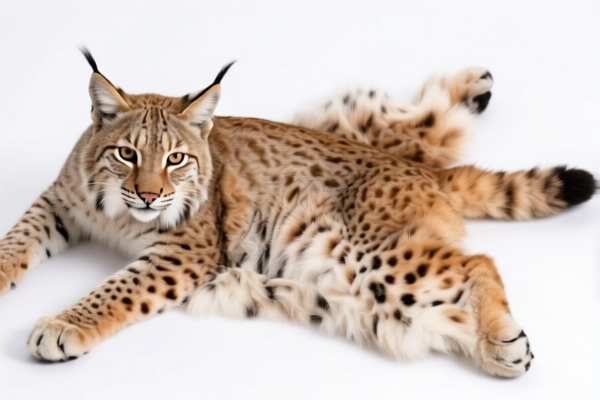
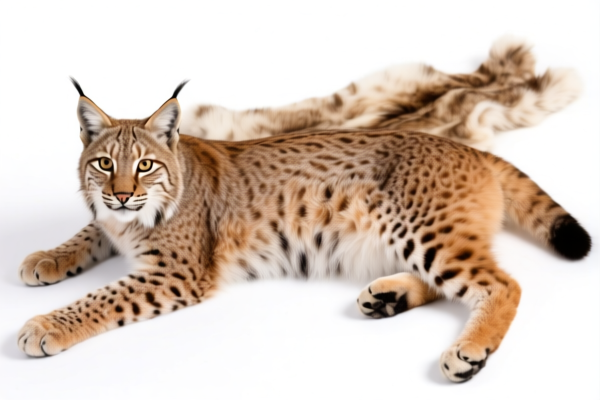
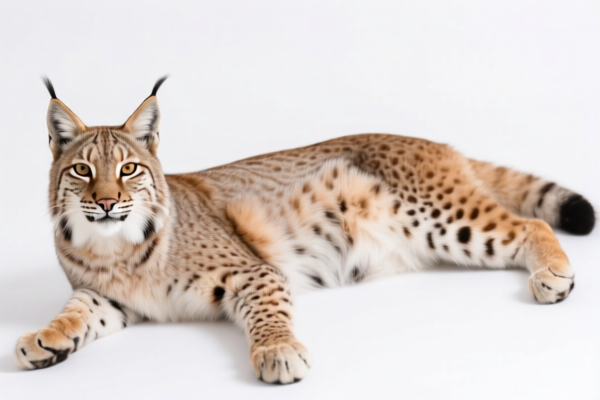
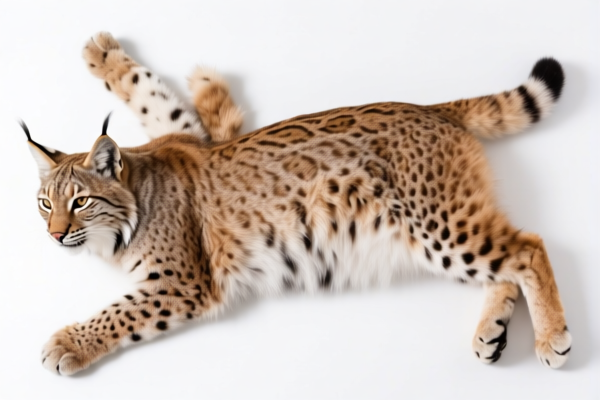
AI分析
🦊 Natural Lynx Furskins (Raw Skins)
🌐 HS Code Classification & Clearance Guide | 2026 Latest Tariff Analysis | Professional Customs Strategy
📌 I. Product Definition & Classification: Do You Understand "Raw Lynx Skins"?
Natural lynx furskins refer to the raw, unprocessed skins of the lynx, specifically in their natural state. In international trade, they are categorized based on whether they have undergone any tanning or preservation processes. Since the input explicitly states "Natural" and "Raw" (生皮), these skins fall under the category of raw hides and skins.
⚠️ Key Classification Point:
- Raw/Natural Skin: Has NOT undergone tanning, dressing, or further processing → Classified under Chapter 41 (Leather, furskins and other articles) or Chapter 43 (Artificial fur; manufactured furskins).
- Tanned/Dressed Skin: If processed → Classified differently.
- Lynx Specifics: Lynx is a wild carnivore. Trade in lynx skins is strictly regulated under CITES (Convention on International Trade in Endangered Species). Ensure proper permits are obtained before importation.
📦 II. HS Code Classification Details (2026 Latest Tariff Authority Comparison)
| HS Code | Product Description | Applicable Scenario | Material/Form |
|---|---|---|---|
4301.80.02.20 |
Raw fur skins of wild animals (except those of heading 4301.10, 4301.20, 4301.30, 4301.60, 4301.80, 4301.90) | Matched Success: Material is "Lynx fur," form is "Raw skin." Fully complies with the material and category definition of raw lynx fur skins. | ✅ Raw Skin |
4103.90.11.90 |
Other raw hides and skins of other mammals (excluding bovine, equine, caprine, ovine) | Matches material (Lynx is a mammal) and form (Raw skin fits "unpre-tanned"). Falls under "Other Raw Skins." | ✅ Raw Skin |
4103.90.20.00 |
Other raw hides and skins of other mammals | Matches name "Raw skin" (Lynx fur), complies with "Un-tanned raw skin" material requirement, no specific variety conflict. | ✅ Raw Skin |
🔍 Critical Reminder:
-4301.80.02.20is the most accurate match because it explicitly covers fur skins of wild animals, and lynx is primarily traded for its fur.
-4103.90.11.90and4103.90.20.00are alternative classifications for general raw hides/skins of mammals. While technically correct for "raw skin," they may not capture the "fur" aspect as precisely as Chapter 43.
- CITES Compliance: Lynx is a protected species. Ensure import/export permits are valid regardless of HS code.
💰 III. 2026 Latest Tariff Rate Breakdown (Including Surcharges & Policy Additions)
✅ Applicable Country: United States (US)
✅ Origin: China (CN)
✅ Effective Date: From November 10, 2025 (including subsequent imports)
🎯 1. 4301.80.02.20 — Raw Lynx Fur Skins
| Item | Content |
|---|---|
| Basic Tariff | 0% (ad valorem) |
| USITC Surcharge | +7.5% (Section 301 Tariff) |
| IEEPA Surcharge | +10% (针对中国/香港产品,自2025年11月10日起) |
| Total Tariff | 17.5% |
| Tax Calculation | CIF Value × 17.5% |
| De Minimis Eligibility | ❌ Not Eligible (deny_de_minimis) |
| Legal Basis Path | USITC:4301.80.02.20 → FOOTNOTE:301.80.02.20 → IEEPA:9903.01.25 |
📌 Explanation:
- "USITC Surcharge 7.5%": Comes from Section 301 of the US Trade Act.
- "IEEPA 10%": Additional tariff on Chinese/HK products under the International Emergency Economic Powers Act.
- Total 17.5%: This is the total landed cost tariff. No de minimis exemption applies, so even low-value shipments are subject to duty.
🎯 2. 4103.90.11.90 — Other Raw Hides/Skins (Mammals)
| Item | Content |
|---|---|
| Basic Tariff | 0% |
| USITC Surcharge | +7.5% |
| IEEPA Surcharge | +10% |
| Total Tariff | 17.5% |
| Tax Calculation | CIF Value × 17.5% |
| De Minimis Eligibility | ❌ Not Eligible |
| Legal Basis Path | USITC:4103.90.11.90 → FOOTNOTE:301.90.11.90 → IEEPA:9903.01.25 |
📌 Note:
- Same tariff rate as4301.80.02.20.
- If customs authorities classify it as "raw hide" rather than "fur skin," this code applies. However, lynx is typically classified as fur, so4301.80.02.20is preferred.
🎯 3. 4103.90.20.00 — Other Raw Hides/Skins (Mammals)
| Item | Content |
|---|---|
| Basic Tariff | 3.3% |
| USITC Surcharge | +7.5% |
| IEEPA Surcharge | +10% |
| Total Tariff | 20.8% |
| Tax Calculation | CIF Value × 20.8% |
| De Minimis Eligibility | ❌ Not Eligible |
| Legal Basis Path | USITC:4103.90.20.00 → FOOTNOTE:301.90.20.00 → IEEPA:9903.01.25 |
📌 Note:
- This code has a higher basic tariff (3.3%), resulting in a total of 20.8%.
- Use this only if4103.90.11.90is not applicable. Always verify with customs if4301.80.02.20is available, as it is the most specific for fur skins.
🛠️ IV. Customs Clearance Practical Advice (Combat Pitfalls Guide)
✅ 1. Document Checklist (Missing Anything = Delay)
| Document | Required | Description |
|---|---|---|
| ✅ CITES Permit | ✔️ Critical | Lynx is a protected species. Import/export permits from CITES authorities are mandatory. |
| ✅ Commercial Invoice | ✔️ | Clearly state "Natural Lynx Fur Skins, Raw, Un-tanned." |
| ✅ Packing List | ✔️ | Detail weight, number of skins, and preservation method (e.g., salted, fresh). |
| ✅ Certificate of Origin | ✔️ | If non-China origin, may qualify for lower tariffs. |
| ✅ Product Photos | ✔️ | Show skins in raw form, with labels/tags indicating species. |
| ✅ Import License | ✔️ | May require additional wildlife trade licenses depending on destination state/country. |
✅ 2. Declaration Tips (Key Mnemonics)
🔥 "Raw Skin + Fur = Chapter 43, Tanned Skin = Chapter 41, CITES Permit = No Permit No Entry!"
| Situation | Correct Declaration | Wrong Practice |
|---|---|---|
| Raw Lynx Skins | 4301.80.02.20 |
Misdeclare as "tanned leather" → 20.8% + CITES violation |
| Raw Skins (No Fur) | 4103.90.11.90 |
Misdeclare as "fur" → Potential misclassification penalty |
| CITES-Controlled Species | Include CITES Permit Number | Omit Permit → Seizure, Fine, or Deportation |
| Preserved Skins (Salted) | Still "Raw" | Misdeclare as "processed" → Incorrect HS Code |
✅ 3. Special Cases Handling
| Situation | Handling Advice |
|---|---|
| CITES Regulations | Lynx is listed in CITES Appendix II or I (depending on species). Verify permit requirements before shipping. |
| State-Level Regulations | Some US states (e.g., California, New York) have additional wildlife protection laws. Check local regulations. |
| Salting/Preservation | If skins are salted or dried, they are still considered "raw." Do not declare as "tanned." |
| Mixed Shipments | If mixing lynx skins with non-controlled species, declare each item separately with correct HS codes and permits. |
🌍 V. Global Major Market Clearance Comparison (2026 Latest)
| Country/Region | Recommended HS Code | Tariff | Certification Requirement | Notes |
|---|---|---|---|---|
| 🇺🇸 USA | 4301.80.02.20 |
17.5% (China Origin) | CITES Permit + USFWS Permit | High tariff, strict CITES enforcement |
| 🇨🇳 China | 4301.80.02.20 |
0% - 5% | CITES Permit + Wildlife Trade License | Lower tariff, but strict import controls |
| 🇪🇺 EU | 4301.80.02 |
0% - 4% | CITES Permit + EU Wildlife Regulation | Strict CITES, no additional surcharges |
| 🇬🇧 UK | 4301.80.02 |
0% - 4% | CITES Permit + UK Wildlife Permit | Post-Brexit rules apply |
| 🇦🇺 Australia | 4301.80.02 |
0% - 5% | CITES Permit + EPBC Permit | Strict biosecurity and wildlife laws |
📌 Conclusion:
- USA has the highest tariff (17.5%) due to Section 301 and IEEPA surcharges.
- CITES Compliance is Global: All markets require CITES permits. Failure to comply results in seizure, fines, and criminal liability.
- EU/UK/Australia have lower tariffs but stricter biosecurity and wildlife regulations.
📌 VI. Common Mistakes & Pitfalls Guide (Blood & Tears Lessons)
❌ Mistake 1: No CITES Permit
👉 Consequence: Seizure, heavy fines, and possible criminal charges. Lynx is a protected species.
❌ Mistake 2: Misdeclaring Raw Skins as "Tanned Leather"
👉 Consequence: Incorrect HS Code, potential penalty, and delayed clearance. Raw skins must be declared as such.
❌ Mistake 3: Ignoring State-Level Regulations (e.g., California)
👉 Consequence: Even with federal CITES permits, state laws may prohibit import or require additional permits.
❌ Mistake 4: Using "Fur" vs. "Leather" Incorrectly
👉 Consequence: Chapter 43 (Fur) vs. Chapter 41 (Leather) have different tariff rates and regulatory requirements. Lynx skins are primarily "fur," so Chapter 43 is correct.
✅ Correct Practice:
"Natural Lynx Fur Skins, Raw, Un-tanned, Preserved by Salting, CITES Permit No. XXXXX, Model XYZ"
🎯 VII. Conclusion: Professional Declaration, Save Time, Reduce Costs!
🎯 Remember the Mnemonic:
🔹 "Raw Skin + Fur = Chapter 43, Tanned = Chapter 41, CITES Permit = Mandatory!"
🔹 "HS Code Determines Duty, Tariff Difference 3.3%, Declaration Error Leads to Fines!"
📌 Tips:
- If your lynx skins are originating from Vietnam, Mexico, Thailand, or Malaysia, you cannot claim IEEPA exemptions for China-origin goods. However, CITES permits are still mandatory.
- Apply for an Advance Ruling from US Customs and Border Protection (CBP) if unsure about classification.
- Consult a Customs Broker experienced in wildlife products to ensure full compliance.
📣 Immediate Action:
📞 Contact a Customs Broker + Provide Product Photos + Apply for CITES Permits + Submit Advance Ruling Request
🚀 Ensure Your Lynx Skins Clear Customs Smoothly, Comply with Laws, and Protect Your Business!
✨ Professional Customs Clearance Starts with Accurate Classification!
💼 Every Dollar of Cost Should Be Precisely Calculated!
用户评价
关于 HS 编码归类
协调制度(HS)是由世界海关组织(WCO)制定的国际贸易商品分类标准。全球 200 多个国家采用 HS 系统作为海关关税、贸易统计和进出口监管的基础。
每个 HS 编码遵循以下层级结构:
- 章(2 位)——商品大类(例如:第 84 章:机器和机械设备)
- 品目(4 位)——章内的更具体分类
- 子目(6 位)——国际通用细分,所有 WCO 成员国统一使用
- 本国细分(8-10 位)——各国自行扩展的细分编码,如美国 HTSUS 10 位编码
正确的 HS 编码归类对于顺利通关、准确缴纳关税和遵守贸易法规至关重要。错误归类可能导致海关延误、多缴关税或罚款。
从CN进口到US时,适用的关税税率可能包括:
- 最惠国(MFN)税率——适用于 WTO 成员国的标准关税税率
- 普通税率——适用于无贸易协定国家
- 贸易救济关税——附加关税,如 301 条款(反倾销)、232 条款(国家安全)或反补贴税
本页内容仅供参考。如需正式归类,请咨询当地海关或持牌报关代理。