Non coniferous Hoopwood for Tool Handles
CN → US| HS编码 | 关税税率 | 原产国 | 目的国 | 文档 |
|---|---|---|---|---|
| 4407990295 | 35.0% | CN | US | 官方文档 |
| 4407990242 | 35.0% | CN | US | 官方文档 |
| 4421991500 | 35.0% | CN | US | 官方文档 |
| 4421992000 | 39.9% | CN | US | 官方文档 |
商品图片
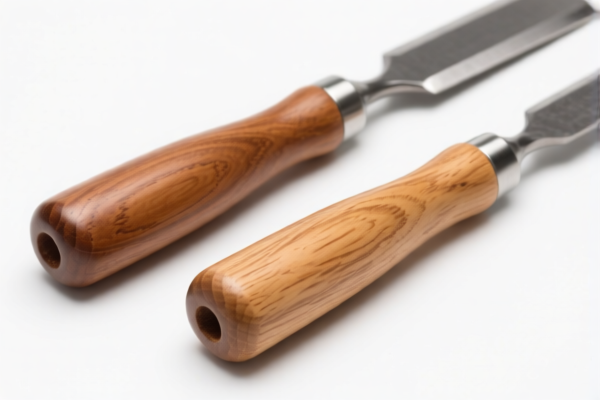
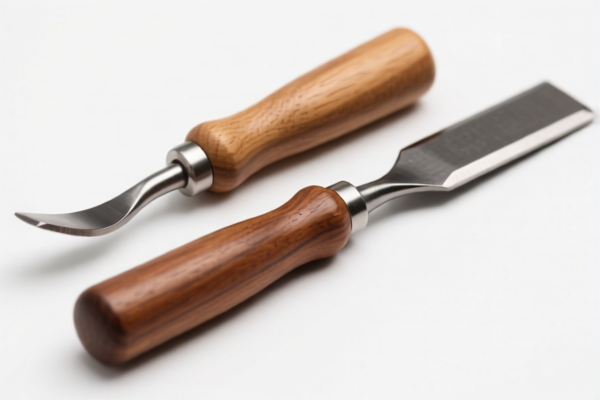
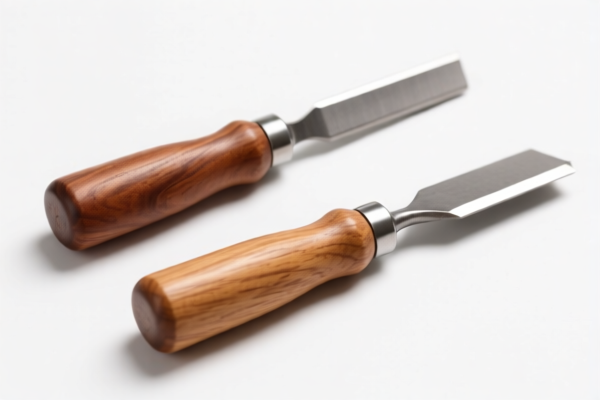
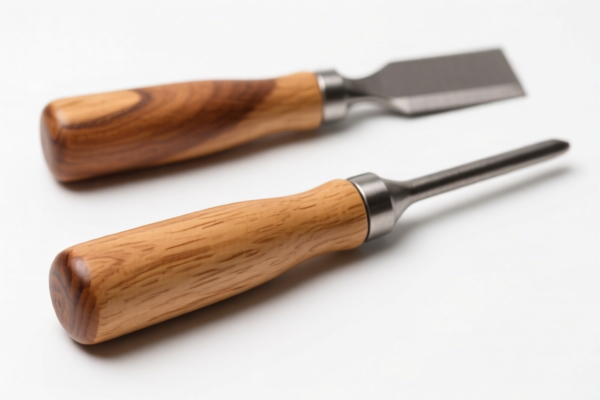
AI分析
🪵 Non-Coniferous Hoopwood for Tool Handles (Wood Articles)
🌐 HS Code Reference & Customs Clearance Guide | 2026 Latest Tariff Analysis | Professional Clearance Strategy 📌 I. Product Definition & Classification: What is "Hoopwood"?
Hoopwood refers to the inner cylindrical section of a tree trunk, stripped from the outer sapwood and heartwood. It is typically used for: 1. Tool Handles: Brooms, mops, axes, hammers. 2. Cooperage: Staves for barrels (though often specific species like Oak). 3. Lathes & Dowels: Machined into rounds or pins.
Key Distinction for "Non-Coniferous": * Coniferous (Softwoods): Pine, Spruce, Fir, etc. → Not applicable here. * Non-Coniferous (Hardwoods): Hickory, Ash, Maple, Hickory (Carya spp.), Hickory/Pecan (Carya illinoensis).
⚠️ Critical Classification Point:
- If the wood is raw, sawn, or chipped (thickness > 6mm, no further shaping) → It is considered "Sawn Wood" (Chapter 4407).
- If the wood is shaped into pins, dowels, or articles (finished or semi-finished) → It is considered "Articles of Wood" (Chapter 4421).
- Sanding/Advanced Processing: Does the wood undergo surface treatment (sanding, grooving)? This changes the HS Code and Tax Rate!
📦 II. HS Code Classification Details (2026 Latest Tariff Alignment)
Based on the provided <DATA>, here are the exact HS Codes for Non-Coniferous Hoopwood for Tool Handles:
| HS Code | Product Description | Processing Level | Applicability |
|---|---|---|---|
| 4407.99.02.95 | Wood sawn/chipped/sliced/peeled, thickness > 6mm; Other nonconiferous | Basic Processing (Raw/semi-raw logs, planks, or rough blanks) |
Use when the hoopwood is only sawn, sliced, or peeled into blanks for tool handles. No sanding or grooving. |
| 4421.99.15.00 | Other articles of wood: Wood dowel pins; Plain; Other | Semi-Finished/Plain (Cut to length, rounded, but smooth/plain) |
Use when the wood is cut into dowel pins or cylindrical blanks for handles, but not sanded/grooved. |
| 4421.99.20.00 | Other articles of wood: Wood dowel pins; Sanded, grooved, or otherwise advanced in condition | Advanced Processing (Sanded, polished, grooved, or finished) |
Use when the dowel pins are sanded, smoothed, or grooved for immediate assembly (e.g., broom handles ready for bristles). |
| 4407.99.02.42 | Wood sawn/chipped/sliced/peeled: Other; Hickory (Carya spp.) and pecan | Specific Species (Raw/semi-raw Hickory) |
Only if the non-coniferous hoopwood is specifically Hickory or Pecan. If it's Ash, Maple, etc., use 4407.99.02.95. |
🔍 Important Note:
- "Hoopwood" itself is not a standalone HS code. It falls under the processing level:
- Rough/Unprocessed → Chapter 4407 (Sawn Wood).
- Shaped into Pins/Dowels → Chapter 4421 (Articles of Wood).
- Material Matters: If the wood is Hickory, use4407.99.02.42or4421.99.xx(if shaped). If it's other hardwoods (Ash, Maple, Beech), use4407.99.02.95or4421.99.xx.
💰 III. 2026 Latest Tariff Rate Breakdown (Including Surtaxes & Policy Surcharges)
✅ Applicable Country: United States (US)
✅ Origin: China (CN)
✅ Effective Date: Ongoing (25% Section 301 Surtax applies to all listed items)
🎯 1. 4407.99.02.95 & 4421.99.15.00 —— Basic Non-Coniferous Wood/Dowel Pins (Plain)
| Item | Detail |
|---|---|
| Base Tariff | 0.0% (Ad Valorem) |
| Section 301 Surtax | +25.0% (Additional Duty) |
| Total Tax Rate | 25.0% |
| Tax Calculation | CIF Value × 25% |
| De Minimis Exemption | ❌ Not Eligible (Deny de minimis for Chinese-origin wood products under Section 301) |
| Legal Basis | USITC Tariff Schedule → Section 301 Footnote |
📌 Explanation:
- The base duty is 0% for many wood articles and non-coniferous sawn wood.
- However, the 25% Section 301 surtax applies to almost all Chinese-origin wood products entering the US.
- Result: You pay 25% on the CIF value.
🎯 2. 4421.99.20.00 —— Sanded/Grooved Wood Dowel Pins (Advanced)
| Item | Detail |
|---|---|
| Base Tariff | 4.9% (Ad Valorem) |
| Section 301 Surtax | +25.0% (Additional Duty) |
| Total Tax Rate | 29.9% |
| Tax Calculation | CIF Value × 29.9% |
| De Minimis Exemption | ❌ Not Eligible |
| Legal Basis | USITC Tariff Schedule → Section 301 Footnote |
📌 Explanation:
- The base duty is 4.9% because "sanded/grooved" items are considered more "processed" and do not enjoy the 0% base rate of plain wood.
- Plus the 25% surtax.
- Result: You pay 29.9% on the CIF value.
🎯 3. 4407.99.02.42 —— Hickory/Pecan Sawn Wood (Specific Species)
| Item | Detail |
|---|---|
| Base Tariff | 0.0% (Ad Valorem) |
| Section 301 Surtax | +25.0% (Additional Duty) |
| Total Tax Rate | 25.0% |
| Tax Calculation | CIF Value × 25% |
| De Minimis Exemption | ❌ Not Eligible |
| Legal Basis | USITC Tariff Schedule → Section 301 Footnote |
📌 Explanation:
- If your hoopwood is Hickory, the base duty is 0%, but the 25% surtax still applies.
- Same rate as plain non-coniferous wood (4407.99.02.95), but specific species classification is required.
🛠️ IV. Customs Clearance Practical Advice (Real-World Pitfall Guide)
✅ 1. Documentation Checklist (Mandatory)
| Document | Required | Notes |
|---|---|---|
| ✅ Commercial Invoice | ✔️ | Must clearly state: "Non-Coniferous Hoopwood for Tool Handles" + HS Code + Value |
| ✅ Packing List | ✔️ | Detail dimensions, weight, and quantity of hoops/dowels |
| ✅ Bill of Lading/Air Waybill | ✔️ | Standard shipping docs |
| ✅ ISPM 15 Phytosanitary Certificate | ✔️ | CRITICAL: Wood products require fumigation/treatment certification to prevent pests |
| ✅ Material Declaration | ✔️ | Confirm species (e.g., Hickory, Ash) and processing level (Plain vs. Sanded) |
| ✅ Fumigation Certificate | ✔️ | Must show treatment method (e.g., Methyl Bromide or Heat Treatment) |
✅ 2. Declaration Tips (Key Mantra)
🔥 "Specify Species, Define Processing, Certify Fumigation!"
| Scenario | Correct Declaration | Incorrect Practice |
|---|---|---|
| Raw Hoopwood Blanks | 4407.99.02.95 "Sawn Wood, Non-Coniferous, Blanks for Handles" |
Vague: "Wood Pieces" → Risk of Misclassification |
| Hickory Hoopwood | 4407.99.02.42 "Sawn Hickory Wood" |
Same as above; must specify "Hickory" |
| Plain Dowel Pins | 4421.99.15.00 "Wood Dowel Pins, Plain" |
Vague: "Dowels" → May be questioned on base rate |
| Sanded Dowel Pins | 4421.99.20.00 "Wood Dowel Pins, Sanded/Grooved" |
Vague: "Finished Dowels" → Must specify "Sanded" to justify 4.9% base |
| No Fumigation Cert | ❌ Will be Rejected | Assuming "Wood" doesn't need phytosanitary docs |
✅ 3. Special Handling Notes
| Scenario | Advice |
|---|---|
| Mixing Species | If you ship Hickory and Ash together, declare the dominant species or split shipments. Misdeclaration leads to penalties. |
| "Hoopwood" vs. "Dowels" | If the wood is still in cylindrical log form (hoops), use 4407.xx. If cut into short pins, use 4421.xx. Don't mix. |
| High Value (Sanded) | Since sanded pins have a higher base rate (4.9%), consider shipping as "Plain" if possible (if quality allows) to save 4.9% on base duty. |
| De Minimis Risk | Do NOT try to ship under $800 (de minimis) to avoid taxes. Section 301 surtaxes apply regardless of value for Chinese wood products. |
🌍 V. Global Market Comparison (2026)
| Country/Region | Recommended HS Code | Tariff (China Origin) | Notes |
|---|---|---|---|
| 🇺🇸 USA | 4421.99.15.00 / 4421.99.20.00 |
25.0% - 29.9% | High surtax due to Section 301. Phytosanitary strict. |
| 🇨🇳 China | 4421.99.15.00 |
0-5% (Import Duty) | No surtax. Standard import duties apply. |
| 🇪🇺 EU | 4407.99 / 4421.99 |
0-5% | No Section 301 surtax. Phytosanitary certs still required. |
| 🇦🇺 Australia | 4407.99 / 4421.99 |
5% | Standard tariff. Strict biosecurity rules. |
📌 Conclusion:
- The US market is the most expensive due to the 25% Section 301 surtax.
- Phytosanitary compliance is the biggest hurdle for wood products globally.
- Sanded products cost ~5% more in base duty than plain products.
📌 VI. Common Mistakes & Pitfalls (Lessons Learned)
❌ Mistake 1: Declaring "Wood Products" without specifying species or processing.
👉 Consequence: Customs may misclassify to a higher tariff code or delay inspection.
❌ Mistake 2: Shipping without ISPM 15 Fumigation Certificate.
👉 Consequence: Goods held at port, fumigation fees charged, or returned/destructed.
❌ Mistake 3: Confusing "Hoopwood" (raw) with "Dowel Pins" (shaped).
👉 Consequence: Wrong HS Code → Wrong Tax Rate (0% vs 4.9% base) → Audit risk.
❌ Mistake 4: Assuming de minimis ($800) applies.
👉 Consequence: Tax evasion penalties and loss of import privileges for Section 301 items.
✅ Correct Approach:
"Non-Coniferous Hoopwood, Sawn, Hickory Species, 10mm Diameter, Fumigated, ISPM 15 Certified, for Tool Handles"
🎯 VII. Conclusion: Precision in Classification, Savings in Duty!
🎯 Remember the Mantra:
🔹 "Raw Wood: 25% (Base 0%) | Sanded Pins: 29.9% (Base 4.9%)"
🔹 "Hickory vs. Non-Hickory: Specify Species!"
🔹 "No Fumination Cert? No Entry!"
📌 Pro Tip:
- If you are shipping small quantities (<$800), be aware that US Customs may still assess duties if they suspect evasion of Section 301 surtaxes for Chinese wood products.
- Pre-clearance: Consider applying for an Advance Ruling from US Customs if you have complex shipments mixing different wood types.
📣 Immediate Action:
📞 Contact your freight forwarder for ISPM 15 fumigation arrangements.
🚀 Provide precise product photos and processing specifications to your customs broker.
💼 Your wood products, cleared fast, taxed right, delivered on time!
✨ Professional Customs Clearance, Starts with Accurate Classification!
💼 Every Percent Saved is Profit Gained!
用户评价
关于 HS 编码归类
协调制度(HS)是由世界海关组织(WCO)制定的国际贸易商品分类标准。全球 200 多个国家采用 HS 系统作为海关关税、贸易统计和进出口监管的基础。
每个 HS 编码遵循以下层级结构:
- 章(2 位)——商品大类(例如:第 84 章:机器和机械设备)
- 品目(4 位)——章内的更具体分类
- 子目(6 位)——国际通用细分,所有 WCO 成员国统一使用
- 本国细分(8-10 位)——各国自行扩展的细分编码,如美国 HTSUS 10 位编码
正确的 HS 编码归类对于顺利通关、准确缴纳关税和遵守贸易法规至关重要。错误归类可能导致海关延误、多缴关税或罚款。
从CN进口到US时,适用的关税税率可能包括:
- 最惠国(MFN)税率——适用于 WTO 成员国的标准关税税率
- 普通税率——适用于无贸易协定国家
- 贸易救济关税——附加关税,如 301 条款(反倾销)、232 条款(国家安全)或反补贴税
本页内容仅供参考。如需正式归类,请咨询当地海关或持牌报关代理。