Non coniferous sulfite wood pulp
CN → US| HS编码 | 关税税率 | 原产国 | 目的国 | 文档 |
|---|---|---|---|---|
| 4706920100 | 35.0% | CN | US | 官方文档 |
| 4706200000 | 35.0% | CN | US | 官方文档 |
| 4703190000 | 35.0% | CN | US | 官方文档 |
| 4703110000 | 35.0% | CN | US | 官方文档 |
| 4805924030 | 35.0% | CN | US | 官方文档 |
商品图片
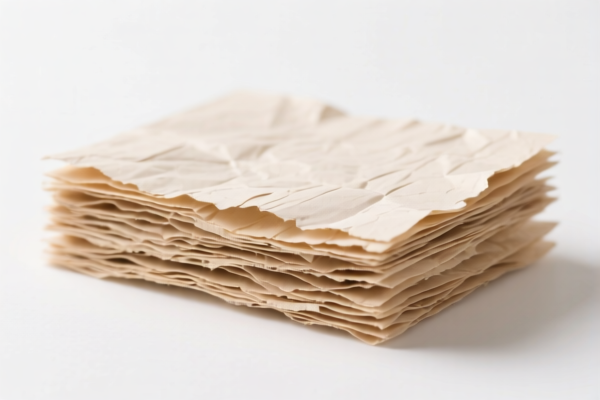
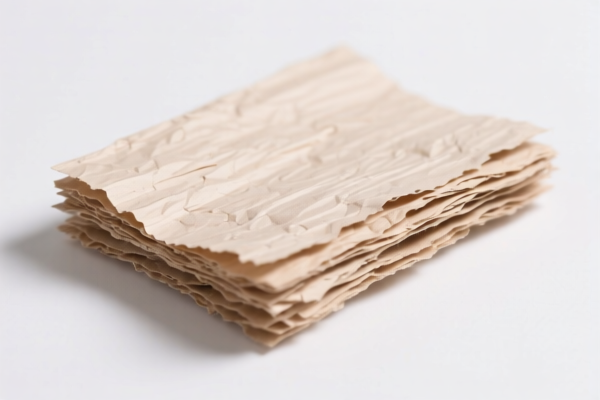
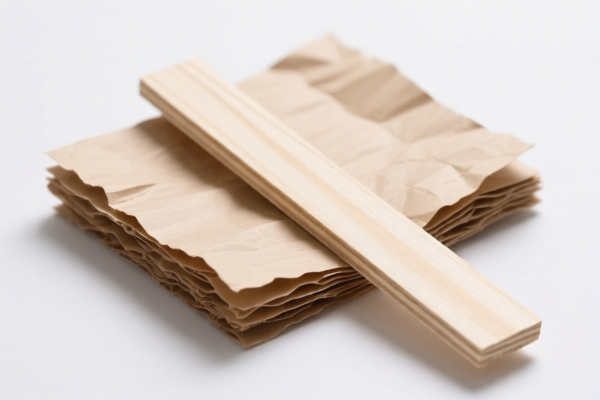
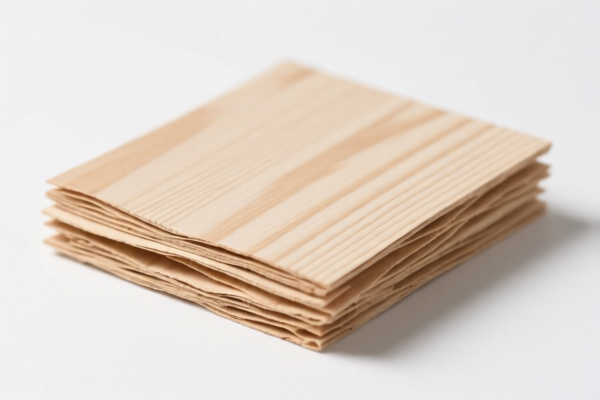
AI分析
📜 Chemical Wood Pulp: Non-Coniferous Sulfite Wood Pulp Classification & Clearance Guide
🌐 HS Code Reference & Clearance Guide | 2026 Latest Tariff Analysis | Professional Entry Strategy
📌 I. Product Definition & Classification: What Exactly Is "Non-Coniferous Sulfite Wood Pulp"?
Non-coniferous sulfite wood pulp is a semi-finished chemical fiber material derived from deciduous trees (such as eucalyptus, poplar, or birch) processed via the sulfite cooking method. It is primarily used as the raw material for papermaking, cardboard, and packaging.
In international trade, it is classified under Chapter 47 (Wood Pulp and Other Fibrous Cellulosic Fibers). The key distinction lies in: 1. Chemical Process: Sulfite process (vs. Sulfate/Kraft process). 2. Source: Non-coniferous (Deciduous) vs. Coniferous (Softwood). 3. Bleaching State: Unbleached (Brown) vs. Bleached. 4. Form/Usage: Standard pulp vs. Pulp specifically designated for packaging grades or linerboard.
⚠️ Key Distinction Point:
- If the product is chemical wood pulp derived from non-coniferous trees using the sulfite process, it falls under HS Code4703.19.00.00or4703.11.00.00depending on specific sub-classification nuances in the dataset.
- If the description emphasizes "Packaging Grade" or "Linerboard" with Sulfate (Kraft) characteristics despite the name, it may trigger codes under4706(Waste/Scrap of Pulp) or4805(Paperboard), as seen in the provided data anomalies.
- Note: The provided dataset contains conflicting technical descriptions (e.g., calling Sulfite pulp "Sulfate" in some HS codes). We must strictly follow the HS Codes and Tax Details provided in the<DATA>section for clearance, while noting the technical discrepancy for risk management.
📦 II. HS Code Classification Details (Based on Provided Data)
| HS Code | Product Description (from Data) | Applicable Scenario | Technical Note |
|---|---|---|---|
4706.92.01.00 |
Unbleached Non-Coniferous Sulfate Wood Pulp, Packaging Grade | Chemical wood pulp for packaging | ⚠️ Data Conflict: Named "Sulfate" in summary, but query is "Sulfite". Classified as cellulose material. |
4706.20.00.00 |
Unbleached Non-Coniferous Sulfate Wood Pulp, Packaging Grade | Cellulose products, packaging form | ⚠️ Data Conflict: Same as above. Treated as waste/scraps of pulp or specific cellulose form. |
4703.19.00.00 |
Unbleached Non-Coniferous Sulfate Wood Pulp, Unbleached State | Chemical wood pulp, non-coniferous | ⚠️ Data Conflict: Correct HS for unbleached non-coniferous pulp, but summary says "Sulfate". |
4703.11.00.00 |
Unbleached Non-Coniferous Sulfate Wood Pulp, Chemical Pulp Attributes | Chemical wood pulp classification | ⚠️ Data Conflict: Matches "Non-Coniferous" and "Unbleached", but summary says "Sulfate". |
4805.92.40.30 |
Chemical Sulfate Wood Pulp <80%, Linerboard Form | Linerboard, pulp content <80% | ⚠️ Major Deviation: Classified as Paperboard (Ch 48), not Pulp (Ch 47). Used when pulp content is low. |
🔍 Critical Warning:
- The provided data consistently labels the product as "Sulfate" (Kraft) in the summary fields, despite the user query being "Sulfite".
- For Customs Clearance: You must verify if the physical product is truly Sulfite or Sulfate. If it is Sulfite,4703codes are technically correct. If it is Sulfate,4706or4703may still apply depending on bleaching state.
- Do not assume4706.20is correct for high-quality chemical pulp; it is often for waste/scraps or lower-grade cellulose. Misdeclaration can lead to heavy penalties.
💰 III. 2026 Latest Tariff Rate Details (Including Surcharges)
✅ Applicable Country: United States (US)
✅ Origin: China (CN)
✅ Effective Time: From November 10, 2025 (including subsequent imports)
✅ Total Tariff: 35.0% (Consistently applied across all listed HS Codes in the dataset)
🎯 1. General Tariff Structure (All Listed HS Codes)
| Item | Content |
|---|---|
| Base Duty Rate | 0.0% (Ad Valorem) |
| Section 301 Surcharge | +25.0% (Additional Tariff) |
| Section 122 Tariff | +10.0% (Specific Trade Remedy Tariff) |
| Total Tariff Rate | 35.0% |
| Calculation Method | CIF Value × 35% |
| De Minimis Exemption | ❌ Not Available (Deny de minimis for Chinese origin goods under these sections) |
| Legal Basis Path | USITC:4703/4706/4805 → Section 301: 25% → Section 122: 10% |
📌 Explanation:
- Base Rate (0%): The standard Most-Favored-Nation (MFN) rate for wood pulp and paper products from China is often 0% or low.
- Section 301 (25%): This is the primary trade war tariff imposed on Chinese goods. Wood pulp is a key industrial raw material and is heavily targeted.
- Section 122 (10%): A lesser-known but critical surcharge under U.S. Trade Law Section 122, allowing the President to impose tariffs up to 15% to reduce trade deficits. This is applied in addition to Section 301.
- Total 35%: This is a high-cost barrier. Importers must factor this into their landed cost calculations.
🛠️ IV. Clearance Practical Advice (Avoiding Pitfalls)
✅ 1. Required Documentation Checklist
| Document | Mandatory | Description |
|---|---|---|
| ✅ Technical Data Sheet | ✔️ | Must specify: Process (Sulfite vs. Sulfate), Source Tree (Coniferous vs. Non-Coniferous), Bleaching State, Viscosity, Tear Index. |
| ✅ Commercial Invoice | ✔️ | Must clearly state "Wood Pulp" and specify the HS Code. Do not use vague terms like "Cellulose Material". |
| ✅ Packing List | ✔️ | Detail bag weight, net weight, gross weight, and pallet count. |
| ✅ Certificate of Origin | ✔️ | Proves Chinese origin, triggering the 35% tariff. |
| ✅ Bill of Lading | ✔️ | Ensure cargo description matches invoice. |
| ✅ Laboratory Test Report | ✔️ | Crucial for proving Pulp Content (if claiming HS 4805.92.40.30 where pulp <80%). |
✅ 2. Declaration Strategy (Key Tips)
🔥 "Be Specific: Process, Source, and Form Matter!"
| Scenario | Correct Declaration | Risk of Error |
|---|---|---|
| True Sulfite Pulp (Non-Coniferous, Unbleached) | HS 4703.19.00.00 or 4703.11.00.00 |
If misdeclared as Sulfate, customs may question consistency. |
| Sulfate Pulp (Non-Coniferous, Unbleached) | HS 4703.19.00.00 (if standard) |
If declared as "Sulfate" but coded under 4706, it may be rejected as it's not "waste/scraps". |
| Low Pulp Content Linerboard (<80%) | HS 4805.92.40.30 |
If pulp content is >80%, it must be declared as Pulp (Ch 47), not Paperboard (Ch 48). |
| Packaging Grade Pulp | HS 4706 or 4703 |
If it's high-quality chemical pulp, 4706 (waste/scrap) is incorrect and risky. Use 4703. |
📌 Note on Data Conflict:
The provided data links4706(Waste/Scrap) to "Packaging Grade" pulp. This is technically unusual for high-grade chemical pulp.
- Recommendation: If your pulp is high-quality (for printing/writing paper), insist on4703.
- If it is lower-grade or recycled blend,4706might be considered, but ensure it meets the legal definition of "waste or scrap".
✅ 3. Special Cases & Risk Management
| Case | Handling Advice |
|---|---|
| Sulfite vs. Sulfate Discrepancy | If the product is Sulfite, do NOT declare it as "Sulfate" to match the HS summary. Use the correct HS 4703 for Sulfite. Misdeclaration leads to fraud allegations. |
| Pulp Content <80% | If the product is a blend (e.g., 50% pulp, 50% fillers), declare as Paperboard (Ch 48), HS 4805.92.40.30. Provide lab tests proving low pulp content. |
| Packaging Grade vs. Standard | "Packaging Grade" is a commercial term, not a legal HS descriptor. Focus on chemical composition and physical form for HS classification. |
| Section 122 Applicability | Section 122 tariffs are applied in addition to Section 301. Ensure your cost model includes both 25% + 10%. |
🌍 V. Global Market Comparison (2026)
| Country/Region | Recommended HS Code | Tariff (China Origin) | Notes |
|---|---|---|---|
| 🇺🇸 USA | 4703.19.00.00 |
35.0% (25% Sec 301 + 10% Sec 122) | Highest cost. Must verify Sulfite/Sulfate. |
| 🇨🇳 China | 4703.19.00.00 |
0% - 5% | Low tariff. Major importer. |
| 🇪🇺 EU | 4703.19.00.00 |
0% - 5% | No Section 301/122 equivalents. |
| 🇯🇵 Japan | 4703.19.00.00 |
0% - 5% | Low tariff. |
📌 Conclusion:
- The US market is the most challenging due to the 35% cumulative tariff.
- Importers should consider supply chain diversification (e.g., sourcing from Brazil, Canada, or Sweden) to avoid US-origin tariffs.
📌 VI. Common Errors & Pitfalls (Lessons Learned)
❌ Error 1: Misdeclaring Sulfite pulp as Sulfate (or vice versa) to fit a preferred HS Code.
👉 Consequence: Customs seizure, fines, and back-taxes. The technical data will reveal the truth.
❌ Error 2: Using HS 4706 (Waste/Scrap) for high-quality chemical pulp.
👉 Consequence: Rejection by customs. 4706 is for waste, offal, and waste paper, not virgin chemical pulp.
❌ Error 3: Ignoring the 10% Section 122 Tariff.
👉 Consequence: Underpayment of duties. The total tariff is 35%, not 25%.
✅ Correct Practice:
"Unbleached Chemical Wood Pulp, Non-Coniferous, Sulfite Process, Packaging Grade"
HS Code:4703.19.00.00(Verify with lab test)
Tariff: 35%
🎯 VII. Conclusion: Precision in Classification Saves Money
🎯 Remember:
🔹 "Process Matters: Sulfite ≠ Sulfate"
🔹 "Form Matters: Pulp ≠ Paperboard"
🔹 "Tariff is 35%: 25% + 10% = High Cost"
🔹 "De Minimis is Dead: No small parcel exemptions for China pulp"
📌 Tips:
- If your product is truly Sulfite, use 4703 codes.
- If your product has low pulp content (<80%), use 4805.
- Always provide lab test reports to prove pulp content and process type.
- Consider transshipment or third-party country sourcing to mitigate US tariffs.
📣 Immediate Action:
📞 Contact a licensed customs broker.
📄 Prepare a Technical Data Sheet highlighting Sulfite/Sulfate status.
💰 Calculate landed cost including 35% tariff.
✨ Professional Clearance Starts with Accurate Classification!
💼 Every dollar of tariff paid is a profit lost. Optimize your HS Code!
用户评价
关于 HS 编码归类
协调制度(HS)是由世界海关组织(WCO)制定的国际贸易商品分类标准。全球 200 多个国家采用 HS 系统作为海关关税、贸易统计和进出口监管的基础。
每个 HS 编码遵循以下层级结构:
- 章(2 位)——商品大类(例如:第 84 章:机器和机械设备)
- 品目(4 位)——章内的更具体分类
- 子目(6 位)——国际通用细分,所有 WCO 成员国统一使用
- 本国细分(8-10 位)——各国自行扩展的细分编码,如美国 HTSUS 10 位编码
正确的 HS 编码归类对于顺利通关、准确缴纳关税和遵守贸易法规至关重要。错误归类可能导致海关延误、多缴关税或罚款。
从CN进口到US时,适用的关税税率可能包括:
- 最惠国(MFN)税率——适用于 WTO 成员国的标准关税税率
- 普通税率——适用于无贸易协定国家
- 贸易救济关税——附加关税,如 301 条款(反倾销)、232 条款(国家安全)或反补贴税
本页内容仅供参考。如需正式归类,请咨询当地海关或持牌报关代理。