Non coniferous wood tool handle material
CN → US| HS编码 | 关税税率 | 原产国 | 目的国 | 文档 |
|---|---|---|---|---|
| 4417008090 | 40.1% | CN | US | 官方文档 |
| 4417008010 | 40.1% | CN | US | 官方文档 |
| 4421999880 | 38.3% | CN | US | 官方文档 |
| 4421999400 | 35.0% | CN | US | 官方文档 |
| 4403120060 | 35.0% | CN | US | 官方文档 |
商品图片
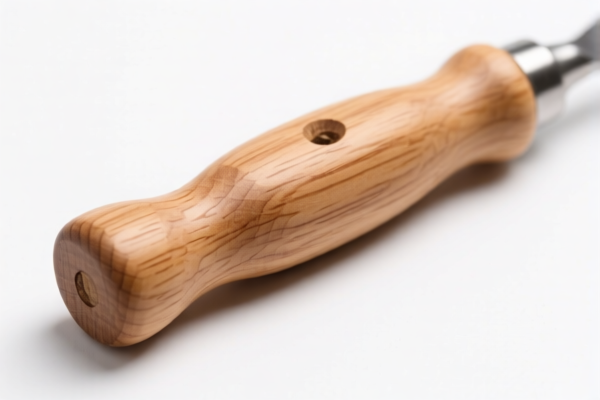
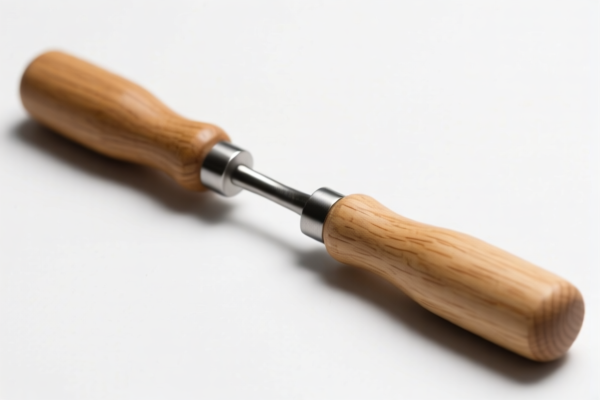
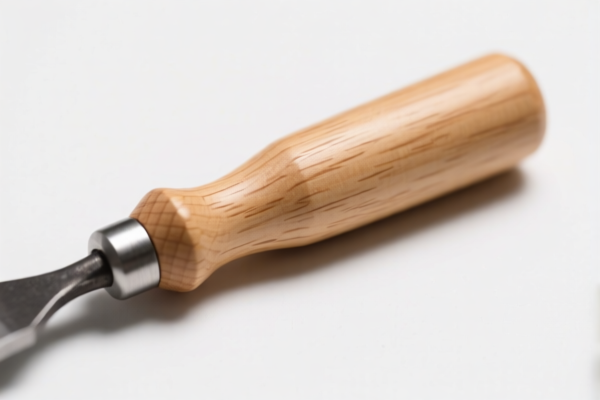
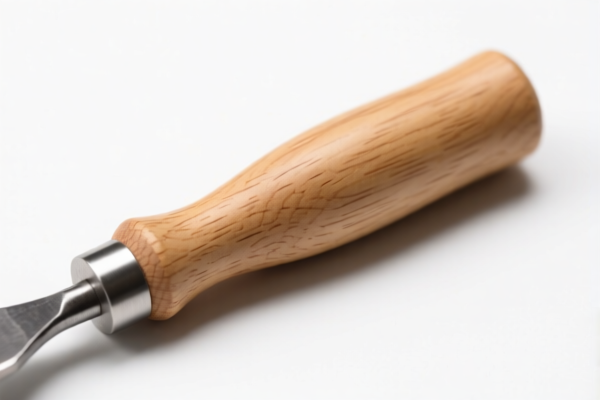
AI分析
🪵 Non-Coniferous Wood Tool Handle Material (HSMC Classification Guide)
🌍 HS Code Reference & Customs Clearance Guide | 2026 Latest Tariff Analysis | Professional Clearance Strategy
📌 I. Product Definition & Classification: What is "Non-Coniferous Wood Tool Handle Material"?
Non-coniferous wood tool handle material refers to wooden components specifically designed or used for making tool handles. These are primarily made from deciduous (broad-leaved) woods, which are preferred over coniferous woods due to their higher density, durability, and shock-absorption properties.
In international trade, these items are classified based on their specific function (tool handles) or general form (raw wood/logs) if not yet shaped for a specific tool.
⚠️ Key Distinction Point: - If the wood is specifically shaped/prepared for tool handles (e.g., pre-sized blanks, specific profiles) → Classified under Chapter 44.17 (Wooden Tools, Tool Bodies, etc.). - If the wood is raw material or generic (e.g., logs, simple planks not yet carved for handles) → Classified under Chapter 44.03 (Wood in the Rough) or 44.21 (Other Articles of Wood).
📦 II. HS Code Classification Details (2026 Latest Tariff Authority Cross-Reference)
The following table details the specific HS Codes provided in the data, their descriptions, and the rationale for classification.
| HS Code | Product Description | Application Scenario | Tax Rate (Total) | Key Classification Logic |
|---|---|---|---|---|
| 4417.00.80.90 | Non-coniferous wood material for tool handles, meeting Ch. 44.17 material requirements, categorized as other wooden tool-related parts. | Specific tool handle blanks, pre-shaped handles. | 40.1% | Classified as "Other" under Chapter 44.17 because it fits the material definition but may not be the primary "tool body." |
| 4417.00.80.10 | Non-coniferous wood material for tool handles, where the handle material is consistent with tool handle usage, meeting wooden tool handle material characteristics. | Dedicated tool handle stock, consistent with standard tool handles. | 40.1% | Classified under 44.17 specifically for "Tool Handles." Direct functional match. |
| 4421.99.98.80 | Non-coniferous wood material for walking sticks/canes, categorized as other wooden products, material is wood, form is primary/raw. | Raw wood logs or semi-processed wood for canes/sticks. | 38.3% | Classified under Chapter 44.21 (Other articles of wood) because it is treated as a generic wooden article or raw material for canes, not a tool handle. |
| 4421.99.94.00 | Non-coniferous wood material for walking sticks/canes, categorized as other wooden products & edge-glued materials/wooden types. | Processed wooden cane materials, edge-glued panels for sticks. | 35.0% | Classified under 44.21.99.94 for specific sub-category of other wooden articles, potentially including composite or edge-glued forms. |
| 4403.12.00.60 | Non-coniferous wood material for walking sticks/canes, categorized as non-coniferous wood, possibly treated for防腐 (preservation) or coloring. | Treated/non-coniferous wood logs or planks, potentially colored/preserved. | 35.0% | Classified under Chapter 44.03 (Wood in the Rough) because it is raw/treated wood, not yet made into a specific article like a handle or cane. |
🔍 Key Insight: - 4417 Codes (Handles): Apply when the wood is explicitly for tools. Higher tax burden (40.1%) due to specific anti-dumping/additional tariffs on tool components. - 4421 Codes (Canes/Other): Apply when the wood is for canes or general wood products. Lower tax burden (35-38.3%). - 4403 Codes (Raw Wood): Apply when the wood is raw, treated, or unprocessed. Lowest base tax (0% basic), but still subject to add-on tariffs.
💰 III. 2026 Latest Tariff Rate Breakdown (Including Additional Taxes & Policy Surcharges)
✅ Applicable Country: United States (US)
✅ Origin: China (CN)
✅ Effective Date: From November 10, 2025 (including subsequent imports)
🎯 1. HS Codes: 4417.00.80.10 & 4417.00.80.90 (Tool Handle Materials)
| Item | Content |
|---|---|
| Base Tariff | 5.1% (ad valorem) |
| Section 301 Additional Tariff | +25.0% |
| Section 122 Tariff | +10.0% |
| Total Tariff Rate | 40.1% |
| Tax Calculation | CIF Value × 40.1% |
| De Minimis Eligibility | ❌ Not Eligible (deny_de_minimis) |
| Legal Basis Path | 301 Tariff → Section 122 → HTSUS:4417.00.80 |
📌 Explanation: - Base Tariff (5.1%): Standard US duty for wooden tool parts. - Section 301 (+25%): USITC Footnote applied to Chinese wooden tools and related components. - Section 122 (+10%): Additional tariff under Section 122 of the Trade Expansion Act, often applied to imports affecting national security or specific strategic goods. - Total 40.1%: A significant cost factor. Cannot use the $800 de minimis exemption (Section 321) for these HS codes.
🎯 2. HS Code: 4421.99.98.80 (Walking Stick Material - Other Wood Products)
| Item | Content |
|---|---|
| Base Tariff | 3.3% |
| Section 301 Additional Tariff | +25.0% |
| Section 122 Tariff | +10.0% |
| Total Tariff Rate | 38.3% |
| Tax Calculation | CIF Value × 38.3% |
| De Minimis Eligibility | ❌ Not Eligible |
| Legal Basis Path | 301 Tariff → Section 122 → HTSUS:4421.99.98 |
📌 Note: - Slightly lower than tool handles due to a lower base rate (3.3% vs 5.1%). - Still subject to the same 35% in additional tariffs.
🎯 3. HS Codes: 4421.99.94.00 & 4403.12.00.60 (Cane Material / Raw Treated Wood)
| Item | Content |
|---|---|
| Base Tariff | 0.0% |
| Section 301 Additional Tariff | +25.0% |
| Section 122 Tariff | +10.0% |
| Total Tariff Rate | 35.0% |
| Tax Calculation | CIF Value × 35.0% |
| De Minimis Eligibility | ❌ Not Eligible |
| Legal Basis Path | 301 Tariff → Section 122 → HTSUS:4421.99.94 / 4403.12.00 |
📌 Note: - Lowest Total Rate (35%) among the listed codes. - Applies to raw or minimally processed wood (logs, planks) or specific other wooden articles (canes) that are not tool handles. - Critical: Must ensure the wood is not specifically shaped for tools, or it will be reclassified under 44.17.
🛠️ IV. Customs Clearance Practical Advice (Avoid Pitfalls)
✅ 1. Documentation Checklist (Mandatory)
| Document | Required | Description |
|---|---|---|
| ✅ Product Specification Sheet | ✔️ | Detailed description: Wood species (e.g., Oak, Beech), dimensions, treatment (preservative/color), intended use (tool handle vs. cane vs. raw). |
| ✅ Photographs | ✔️ | Clear images showing the wood's form: Is it a log? A shaped handle? A plank? |
| ✅ Commercial Invoice | ✔️ | Must accurately describe the product. Use terms like "Wooden Tool Handle Blanks" or "Non-Coniferous Wood Logs" – avoid vague terms like "Wood Parts." |
| ✅ Bill of Lading / Air Waybill | ✔️ | Standard shipping documents. |
| ✅ Certificate of Origin | ✔️ | Proof of Chinese origin (triggers Section 301 & 122 tariffs). |
| ✅ Treatment Declaration | ✔️ | If wood is treated (e.g., with chromate, copper), declare it for ISPM 15 compliance (phytosanitary standards). |
✅ 2. Declaration Tips (Key Mantras)
🔥 "Shape Determines Code, Use Defines Duty!"
| Scenario | Correct Declaration | Incorrect Practice |
|---|---|---|
| Pre-shaped Handle | 4417.00.80.10 – "Wooden Tool Handle Blanks" |
Declaring as "Wood Logs" → Risk of penalty for misclassification. |
| Raw Log/Plank | 4403.12.00.60 – "Non-Coniferous Wood, Treated, in the Rough" |
Declaring as "Tool Handle" → Incorrect, lower tax risk, but customs may reclassify. |
| Cane Material | 4421.99.98.80 – "Material for Walking Sticks" |
Declaring as "Tool Handle" → Higher tax (40.1% vs 38.3%). |
| Mixed Shipment | Split Declaration | Combining tools and raw wood in one line → High audit risk. |
✅ 3. Special Handling Cases
| Scenario | Recommendation |
|---|---|
| OEM Custom Handles | Provide customer design drawings to prove "tool handle" shape. Use 4417.00.80.10. |
| Raw Wood with Preservative | Must declare treatment type. If it meets ISPM 15, no phytosanitary certificate needed, but still subject to tariffs. Use 4403.12.00.60. |
| Canes vs. Tool Handles | Clearly distinguish. Canes go to 44.21, Tools go to 44.17. Do not mix. |
| De Minimis ($800) | ❌ Do Not Use. All listed HS codes are excluded from the de minimis exemption. Must file formal entry (CBP Form 7501). |
🌍 V. Global Market Comparison (2026 Latest)
| Country/Region | Recommended HS Code | Tariff (CN Origin) | Certification | Notes |
|---|---|---|---|---|
| 🇺🇸 USA | 4417.00.80.10 |
40.1% (Total) | None specific (but ISPM 15 for wood) | High tariff due to 301 & 122. |
| 🇺🇸 USA | 4403.12.00.60 |
35.0% (Total) | None specific (ISPM 15 for wood) | Lower rate for raw/treated wood. |
| 🇨🇳 China | 4417.00.80.10 |
~5-10% | None | No 301/122 tariffs. |
| 🇪🇺 EU | 4417.00.00 |
~0-5% | FSC/PEFC (Sustainability) | No US-style additional tariffs. |
📌 Conclusion: - USA imposes the highest effective tariffs on wooden tools and materials. - Classification accuracy is critical: A shift from 4417 (40.1%) to 4403 (35.0%) saves 5.1% on the base rate, but 35% total vs 40.1% total is a significant cost difference. - Do not rely on de minimis for these items.
📌 VI. Common Errors & Pitfalls (Lessons Learned)
❌ Error 1: Declaring "Tool Handles" as "Raw Wood" to avoid tariffs. 👉 Consequence: Customs audit, reclassification, penalties, and back taxes. The shape is evident in photos and specs.
❌ Error 2: Using "Wood Parts" as a generic description. 👉 Consequence: Customs cannot determine if it's a tool handle (44.17) or other article (44.21/44.03). Leads to delays and forced reclassification.
❌ Error 3: Assuming De Minimis applies. 👉 Consequence: Package seized, detained, or returned. These HS codes are explicitly excluded.
❌ Error 4: Ignoring ISPM 15 for Raw Wood. 👉 Consequence: Shipment held at port for fumigation or destruction if wood is not heat-treated or fumigated.
✅ Correct Approach:
"Wooden Tool Handle Blanks, Non-Coniferous, Pre-Sized, Model XYZ, No Preservative, ISPM 15 Compliant"
🎯 VII. Conclusion: Precise Classification Saves Money
🎯 Remember the Mantra:
🔹 "Tools = 44.17 (40.1%), Canes = 44.21 (35-38%), Raw = 44.03 (35%)."
🔹 "Shape Rules: Shaped Handle? 44.17. Raw Log? 44.03."
🔹 "No De Minimis: All formal entry, all tariffs apply."
📌 Pro Tip:
- If you are importing raw logs or planks that could be used for handles but are not yet shaped, declare them as 4403.12.00.60 to benefit from the lower base rate (0%) and total rate (35%).
- If they are already cut to handle shape, you must use 4417.00.80.10 (40.1%).
- Consult a Customs Broker for pre-classification rulings if unsure about the "intended use" vs. "physical state."
📣 Action Now:
📞 Contact your customs broker + Provide product photos + Request HS Code Advance Ruling.
🚀 Let your wooden materials pass through smoothly, efficiently, and cost-effectively!
✨ Professional Clearance Starts with Accurate Classification!
💼 Every Percent of Tariff Matters – Optimize Your Strategy!
用户评价
关于 HS 编码归类
协调制度(HS)是由世界海关组织(WCO)制定的国际贸易商品分类标准。全球 200 多个国家采用 HS 系统作为海关关税、贸易统计和进出口监管的基础。
每个 HS 编码遵循以下层级结构:
- 章(2 位)——商品大类(例如:第 84 章:机器和机械设备)
- 品目(4 位)——章内的更具体分类
- 子目(6 位)——国际通用细分,所有 WCO 成员国统一使用
- 本国细分(8-10 位)——各国自行扩展的细分编码,如美国 HTSUS 10 位编码
正确的 HS 编码归类对于顺利通关、准确缴纳关税和遵守贸易法规至关重要。错误归类可能导致海关延误、多缴关税或罚款。
从CN进口到US时,适用的关税税率可能包括:
- 最惠国(MFN)税率——适用于 WTO 成员国的标准关税税率
- 普通税率——适用于无贸易协定国家
- 贸易救济关税——附加关税,如 301 条款(反倾销)、232 条款(国家安全)或反补贴税
本页内容仅供参考。如需正式归类,请咨询当地海关或持牌报关代理。