Non decorative Semi processed Cowhide
CN → US| HS编码 | 关税税率 | 原产国 | 目的国 | 文档 |
|---|---|---|---|---|
| 4107192000 | 37.4% | CN | US | 官方文档 |
| 4107112000 | 37.4% | CN | US | 官方文档 |
| 4104495000 | 13.3% | CN | US | 官方文档 |
| 4107117040 | 15.0% | CN | US | 官方文档 |
| 4107127040 | 15.0% | CN | US | 官方文档 |
商品图片
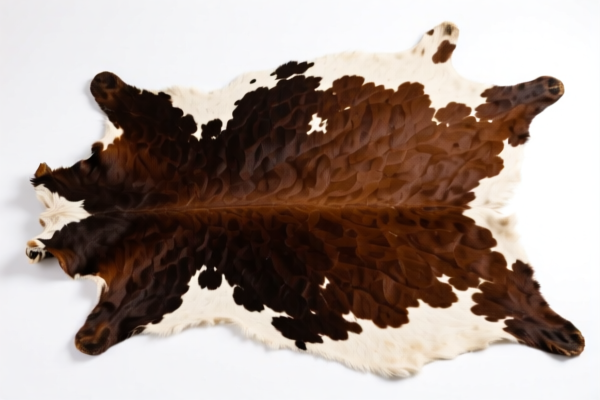
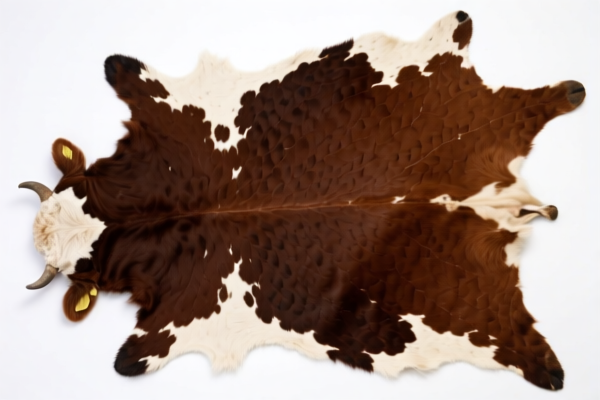
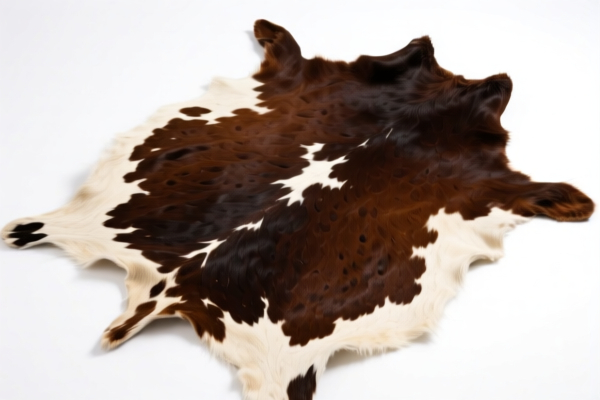
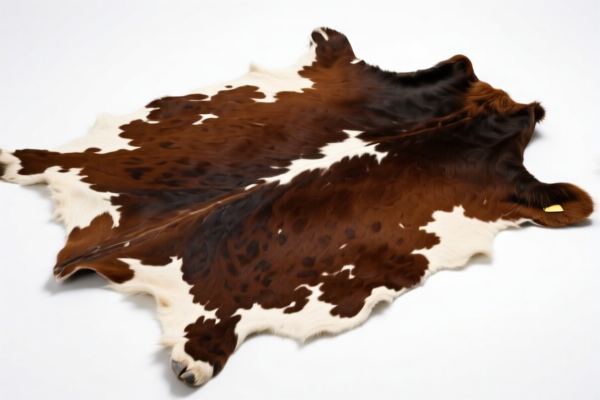
AI分析
🥩 Non-Decorative Semi-Processed Cowhide (Raw Hides & Skins)
🌐 HS Code Reference & Customs Clearance Guide | 2026 Latest Tariff Analysis | Professional Compliance Strategy
📌 I. Product Definition & Classification: Do You Truly Understand "Cowhide"?
"Semi-processed cowhide" refers to raw hides or skins that have undergone initial tanning or preservation but lack the final finishing, coloring, or embellishment required for direct consumer use. In international trade, the classification hinges on two critical factors: Surface Finish (Non-decorative) and Specific Use (Clothing/Gloves vs. General).
Key Distinctions: * General Semi-Processed (Unfinished): Standard chrome-tanned or vegetable-tanned leather with a plain, non-decorative surface. Used for manufacturing bags, shoes, upholstery, etc. * Garment-Grade Semi-Processed: Specifically prepared cowhides intended for garment or glove manufacturing. These have different chemical treatments to ensure softness and drape, despite lacking final decorative finishes.
⚠️ Critical Classification Point:
- If the leather is standard semi-processed (generic use, non-fancy) →归入 4107.19.20.00 / 4107.11.20.00
- If the leather is specifically for garments/gloves (softened, specific preparation) → 归入 4104.49.50.00 / 4107.11.70.40 / 4107.12.70.40
📦 II. HS Code Classification Matrix (2026 Latest Tariff Authority)
| HS Code | Product Description | Application Scenario | Surface/Finish Type |
|---|---|---|---|
4107.19.20.00 |
Semi-processed cowhide (non-premium), non-fancy items | General leather goods, shoes, belts, bags | Plain, non-decorative |
4107.11.20.00 |
Semi-processed cowhide, non-patterned, unsplit | Basic semi-finished leather, standard tanning | Full-grain/Top-grain, no split |
4104.49.50.00 |
Semi-processed cowhide for garment materials | Garment lining, structural leather parts | Semi-tanned, garment-specific prep |
4107.11.70.40 |
Semi-processed cowhide for gloves & garments | High-end gloves, soft clothing | Softened, garment-ready base |
4107.12.70.40 |
Semi-processed cowhide for garments (excl. gloves) | Leather jackets, pants, coats | Specific garment tanning process |
🔍 Important Note:
- "Non-decorative" means no embossing, printing, or heavy dyeing patterns are applied yet.
- "Semi-processed" implies the tanning process is complete or partially complete, but not finished for retail.
- Garment vs. General: Leather specifically treated for flexibility and softness (garment grade) often falls under different subheadings (4104or4107.1x.70) compared to standard structural leather (4107.1x.20).
💰 III. 2026 Latest Tariff Rate Breakdown (Including Surcharges & Policy Add-ons)
✅ Applicable Country: United States (US)
✅ Origin: China (CN)
✅ Effective Date: November 10, 2025 (and subsequent imports)
🎯 1. 4107.19.20.00 & 4107.11.20.00 —— General Semi-Processed Cowhide (Non-Fancy)
| Item | Details |
|---|---|
| Base Tariff | 2.4% (ad valorem) |
| Section 301 Surcharge | +25.0% (USITC Footnote 9903.88.01) |
| IEEPA Surcharge | +10.0% (Targeting China/HK products, effective 2025-11-10) |
| Total Tax Rate | 37.4% |
| Tax Calculation | CIF Value × 37.4% |
| De Minimis Eligibility | ❌ NO (deny_de_minimis) |
| Legal Pathway | IEEPA:9903.01.25 → IEEPA:9903.01.24 → USITC:4107.19.20.00 / 4107.11.20.00 → FOOTNOTE:9903.88.01 |
📌 Interpretation:
- These codes apply to standard semi-processed leathers not specifically designed for garments.
- The 37.4% rate is high due to the cumulative effect of the base rate, Section 301 tariffs (trade war-related), and IEEPA emergency powers.
- No de minimis exemption means even small samples are subject to full taxation.
🎯 2. 4104.49.50.00 —— Semi-Processed Leather for Garments (Semi-Tanned)
| Item | Details |
|---|---|
| Base Tariff | 3.3% |
| Section 301 Surcharge | 0.0% (Specific exclusion or lower bracket) |
| IEEPA Surcharge | +10.0% |
| Total Tax Rate | 13.3% |
| Tax Calculation | CIF Value × 13.3% |
| De Minimis Eligibility | ❌ NO (deny_de_minimis) |
| Legal Pathway | IEEPA:9903.01.24 → USITC:4104.49.50.00 → FOOTNOTE:10.0% |
📌 Interpretation:
- This code applies to leather specifically prepared for garment manufacturing that is semi-tanned.
- The 13.3% rate is significantly lower than general leather (37.4%) because it does not carry the 25% Section 301 surcharge.
- This is a cost-optimization code if your product qualifies as "garment material."
🎯 3. 4107.11.70.40 & 4107.12.70.40 —— Semi-Processed Cowhide for Garments/Gloves
| Item | Details |
|---|---|
| Base Tariff | 5.0% |
| Section 301 Surcharge | 0.0% |
| IEEPA Surcharge | +10.0% |
| Total Tax Rate | 15.0% |
| Tax Calculation | CIF Value × 15.0% |
| De Minimis Eligibility | ❌ NO (deny_de_minimis) |
| Legal Pathway | IEEPA:9903.01.24 → USITC:4107.11.70.40 / 4107.12.70.40 → FOOTNOTE:10.0% |
📌 Interpretation:
- These codes are for high-quality semi-processed leather specifically intended for gloves and clothing.
- Like4104.49.50.00, these codes avoid the 25% Section 301 tariff, resulting in a total rate of only 15.0%.
- Critical for Cost Savings: If your cowhide is soft, pliable, and destined for apparel, using these codes instead of4107.19.20.00can save 22.4% in duties!
🛠️ IV. Customs Clearance Practical Advice (Avoid Pitfalls)
✅ 1. Documentation Checklist (Mandatory)
| Document | Required | Notes |
|---|---|---|
| ✅ Product Specification Sheet | ✔️ | Must state "Semi-Processed," "Non-Decorative," and "Intended Use" (e.g., Garment vs. Bag) |
| ✅ Tanning Process Description | ✔️ | Detail the tanning method (Chrome, Vegetable, etc.) and finishing level |
| ✅ Product Photos (Front/Back) | ✔️ | Show texture. Must look "unfinished" or "plain" to avoid "decorative" classification |
| ✅ Commercial Invoice | ✔️ | Clearly describe as "Semi-Processed Cowhide for Garment Manufacturing" |
| ✅ Bill of Lading / Packing List | ✔️ | Ensure weight and dimensions match |
| ✅ Certificate of Origin (CO) | ✔️ | For US-China trade, origin is critical for applying the correct surcharge |
✅ 2. Declaration Strategy (Key Mnemonic)
🔥 "Be Specific on Use: Garment = 15%, General = 37.4%! Don't Lie on Finish!"
| Scenario | Correct Declaration | Wrong Declaration | Consequence |
|---|---|---|---|
| Soft leather for jackets | 4107.12.70.40 (15%) |
4107.19.20.00 (37.4%) |
Overpaying by 22.4% |
| Standard hide for shoes | 4107.19.20.00 (37.4%) |
4107.11.70.40 (15%) |
Audit Risk + Penalty |
| Embossed/Patterned leather | Not "Non-Decorative" | "Non-Decorative" | Misclassification + Fine |
| Split leather | Must specify "Unsplit" | Vague description | Customs Hold |
✅ 3. Special Cases Handling
| Case | Handling Advice |
|---|---|
| Mixed Shipments (Garment + Bag leather) | Split Declaration! Declare garment leather under 4107.1x.70 (15%) and bag leather under 4107.1x.20 (37.4%). Do not mix in one line item. |
| "Non-Decorative" Ambiguity | If there is any pattern, dye, or embossing, it may be classified as "Fancy Leather," which could have different rates. Stick to plain/unfinished for these codes. |
| Small Samples | Even for samples, the 37.4% or 15% tax applies. Do not rely on de minimis (Section 321) as it is denied for these HS codes. |
| Origin Marking | Ensure "Made in China" is clearly marked on packages to trigger the correct IEEPA surcharge calculations. |
🌍 V. Global Market Comparison (2026 Latest)
| Country/Region | Recommended HS Code | Tariff (China Origin) | Certification | Notes |
|---|---|---|---|---|
| 🇺🇸 USA | 4107.12.70.40 |
15.0% | None Specific | Use garment codes to avoid 25% tariff |
| 🇨🇳 China | 4107.12.70.40 |
5.0% | None | Low import tariff for raw material |
| 🇪🇺 EU | 4107.12 |
0-6.5% | REACH Compliance | VAT varies by country |
| 🇬🇧 UK | 4107.12 |
6.5% | UKCA (if finished) | Post-Brexit rules apply |
| 🇦🇺 Australia | 4107.12 |
5.0% | None | No FRT |
📌 Conclusion:
- USA is the most challenging market due to IEEPA and Section 301 tariffs.
- Strategic Advantage: Properly classifying "Garment-Grade" semi-processed leather under4107.1x.70or4104.49.50.00saves 22.4% compared to general leather codes in the US.
- EU/UK have lower base tariffs but strict environmental regulations (REACH) for tanning agents.
📌 VI. Common Mistakes & Pitfalls (Lessons Learned)
❌ Mistake 1: Classifying all "Semi-Processed Leather" under one code.
👉 Result: Overpaying 22.4% on garment leather.
💡 Fix: Separate "Garment/Glove" leather from "General/Bag" leather.
❌ Mistake 2: Claiming "De Minimis" for small shipments.
👉 Result: Denied entry, back taxes, and storage fees.
💡 Fix: Prepare for full duty payment (15% or 37.4%) regardless of value.
❌ Mistake 3: Describing leather as "Non-Decorative" when it has light dyeing.
👉 Result: Customs may reclassify as "Finished Leather" with different rates.
💡 Fix: Ensure the product is truly in a semi-processed, unfinished state.
✅ Correct Declaration Example:
"Semi-Processed Cowhide, Chrome-Tanned, Non-Decorative Surface, Intended for Garment Manufacturing, Unfinished, 45-50 sq ft per hide, Model GH-2024, Origin: China."
🎯 VII. Conclusion: Precision Classification for Cost Efficiency
🎯 Remember the Mantra:
🔹 "Garment Grade = 15%, General Grade = 37.4%! Split the Declaration, Save the Cash!"
🔹 "No De Minimis! Every Hide is Taxable!"
🔹 "Non-Decorative Means Plain! Patterns Change the Rate!"
📌 Pro Tip:
If your cowhide is originating from Vietnam, Indonesia, or Thailand, you may be eligible for Tariff Rate Quotas (TRQs) or lower IEEPA surcharges.
Recommendation: Apply for an Advance Ruling (Pre-classification) from US Customs and Border Protection (CBP) to confirm your HS Code and avoid post-import audits.
📣 Immediate Action:
📞 Contact a licensed customs broker + Provide Product Specs & Intended Use + Request Advance Ruling
🚀 Ensure Smooth Customs Clearance, Minimize Tariffs, Maximize Profit!
✨ Professional Clearance, Starting with Accurate Classification!
💼 Every Percent of Duty Saved is Pure Profit!
用户评价
关于 HS 编码归类
协调制度(HS)是由世界海关组织(WCO)制定的国际贸易商品分类标准。全球 200 多个国家采用 HS 系统作为海关关税、贸易统计和进出口监管的基础。
每个 HS 编码遵循以下层级结构:
- 章(2 位)——商品大类(例如:第 84 章:机器和机械设备)
- 品目(4 位)——章内的更具体分类
- 子目(6 位)——国际通用细分,所有 WCO 成员国统一使用
- 本国细分(8-10 位)——各国自行扩展的细分编码,如美国 HTSUS 10 位编码
正确的 HS 编码归类对于顺利通关、准确缴纳关税和遵守贸易法规至关重要。错误归类可能导致海关延误、多缴关税或罚款。
从CN进口到US时,适用的关税税率可能包括:
- 最惠国(MFN)税率——适用于 WTO 成员国的标准关税税率
- 普通税率——适用于无贸易协定国家
- 贸易救济关税——附加关税,如 301 条款(反倾销)、232 条款(国家安全)或反补贴税
本页内容仅供参考。如需正式归类,请咨询当地海关或持牌报关代理。