Non electric Hand Tools
CN → US| HS编码 | 关税税率 | 原产国 | 目的国 | 文档 |
|---|---|---|---|---|
| 8205100000 | 41.2% | CN | US | 官方文档 |
| 8203202000 | 39.0% | CN | US | 官方文档 |
| 8201300080 | 35.0% | CN | US | 官方文档 |
| 8205517500 | 38.7% | CN | US | 官方文档 |
| 8203206030 | 0.0% | CN | US | 官方文档 |
商品图片
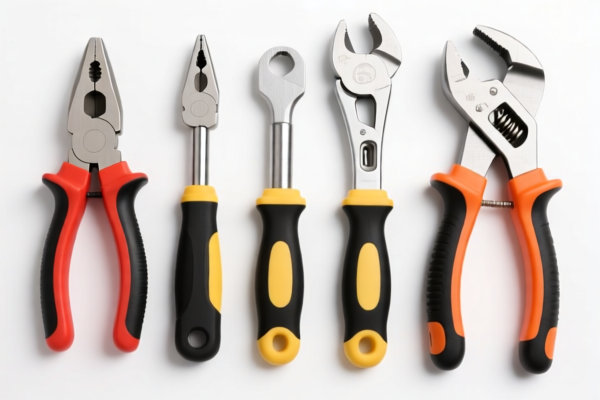
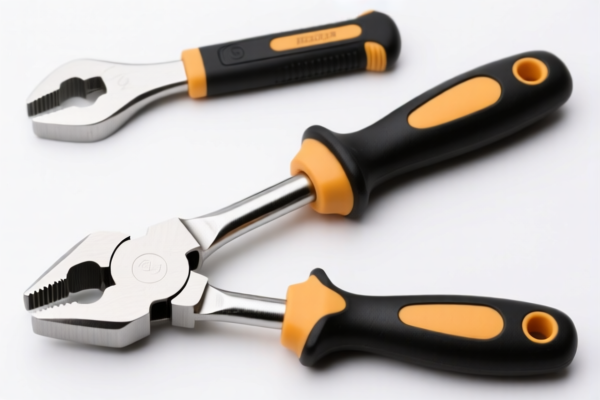
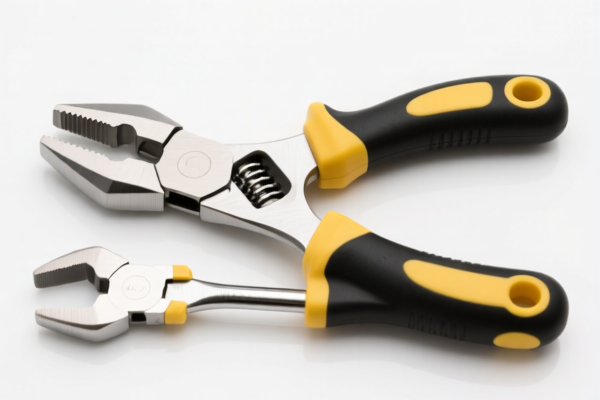
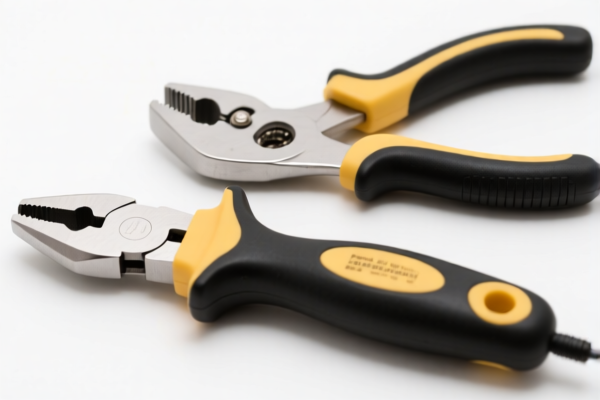
AI分析
🔧 Non-Electric Hand Tools (Hand Tools)
🌐 HS Code Reference & Customs Clearance Guide | 2026 Latest Tariff Analysis | Professional Clearance Strategy
📌 Part 1: Product Definition & Classification: Do You Really Understand "Hand Tools"?
Non-electric hand tools are manually operated instruments used for tasks such as cutting, gripping, turning, or shaping materials. In international trade, these tools are categorized primarily under Chapter 82 (Articles of Iron or Steel), specifically within Heading 82.03 (Tools for drilling, cutting, etc.), 82.05 (Hand tools), and sometimes 82.01 (Axes, adzes, etc.).
Two Main Categories:
- Cutting/Drilling Tools (Heading 82.03): Tools like pliers, cutters, screwdrivers, wrenches, and taps/dies.
- General Utility/Striking Tools (Heading 82.05 & 82.01): Tools like hammers, chisels, scrapers, axes, and spades.
⚠️ Key Distinction Point:
- If the tool is designed for precision cutting, gripping, or fastening (e.g., pliers, wrenches, screwdrivers) → Likely 82.03.
- If the tool is a general utility item, striking tool, or agricultural implement (e.g., hammers, spades, axes) → Likely 82.05 or 82.01.
- Material Constraint: These codes apply to tools made of iron or steel. If made of other materials (e.g., plastic handles with steel heads), the steel component usually dictates the classification unless the handle is the predominant value/component.
📦 Part 2: HS Code Classification Details (2026 Latest Tariff Authoritative Comparison)
| HS Code | Product Description | Application Scenario | Material/Feature |
|---|---|---|---|
8205.10.00.00 |
Hand tools: Hammers, slitters, punches, anvils, and similar | Hammers, slitters, punches | ✅ Steel Core, General Utility |
8203.20.20.00 |
Hand tools: Pliers (including cutting pliers), tweezers, etc. | Pliers, tweezers, nail clippers | ✅ Steel Core, Precision/Gripping |
8201.30.00.80 |
Axes, billhooks, hoes, spades, and shovels | Axes, shovels, spades (Agricultural/Forestry) | ✅ Steel Core, Agricultural/Outdoor |
8205.51.75.00 |
Hand tools: Other (general category catch-all) | Various unlisted hand tools (e.g., specialized scrapers) | ✅ Steel Core, General Utility |
8203.20.60.30 |
Hand tools: Other (specific sub-category) | Other gripping/cutting tools not specified above | ✅ Steel Core, Specialized Utility |
🔍 Key Reminder:
- All tools must be non-electric. If powered, they fall under Chapter 84.
- If the tool has wooden handles but steel heads, it is still classified under Chapter 82 if the steel head is the essential character.
- Agricultural vs. Industrial: Tools for agriculture/forestry (like shovels/axes) may fall under8201.30.00.80, while industrial hand tools (pliers/wrenches) fall under8203or8205.
💰 Part 3: 2026 Latest Tariff Rate Details (Including Surcharge Policies)
✅ Applicable Country: USA (US)
✅ Country of Origin: China (CN)
✅ Effective Date: Ongoing (Subject to Section 301 and IEEPA provisions)
🎯 1. 8205.10.00.00 —— Hammers, Slitters, Punches (General Utility)
| Item | Content |
|---|---|
| Base Rate | 6.2% (ad valorem) |
| Section 301 Surcharge | +25.0% |
| IEEPA Surcharge (Section 122) | +10.0% |
| Total Tax Rate | 41.2% |
| Tax Calculation | CIF Value × 41.2% |
| De Minimis Eligibility | ❌ No (High value threshold exceeded for LPR) |
| Legal Authority Path | USITC:8205.10.00.00 → SECTION 301: 9903.01.03 → IEEPA:9903.01.24 |
📌 Explanation:
- Base Rate 6.2%: Standard Most Favored Nation (MFN) duty for hammers/tools in this category.
- Section 301 (25%): Added tariff on Chinese goods under Trade Promotion Authority.
- IEEPA 10%: Additional tariff under the International Emergency Economic Powers Act for specific Chinese imports.
- Total 41.2%: This is a high-cost category. Importers must factor this into pricing strategies.
🎯 2. 8203.20.20.00 —— Pliers, Tweezers, Nail Clippers (Precision Tools)
| Item | Content |
|---|---|
| Base Rate | 4.0% |
| Section 301 Surcharge | +25.0% |
| IEEPA Surcharge (Section 122) | +10.0% |
| Total Tax Rate | 39.0% |
| Tax Calculation | CIF Value × 39.0% |
| De Minimis Eligibility | ❌ No |
| Legal Authority Path | USITC:8203.20.20.00 → SECTION 301: 9903.01.03 → IEEPA:9903.01.24 |
📌 Note:
- Pliers and similar gripping/cutting tools are slightly cheaper than hammers due to a lower base rate (4.0% vs 6.2%).
- However, the Section 301 and IEEPA surcharges remain identical, keeping the total burden high.
- Common items: Needle-nose pliers, wire cutters, nail clippers.
🎯 3. 8201.30.00.80 —— Axes, Shovels, Spades (Agricultural/Forestry Tools)
| Item | Content |
|---|---|
| Base Rate | 0.0% |
| Section 301 Surcharge | +25.0% |
| IEEPA Surcharge (Section 122) | +10.0% |
| Total Tax Rate | 35.0% |
| Tax Calculation | CIF Value × 35.0% |
| De Minimis Eligibility | ❌ No |
| Legal Authority Path | USITC:8201.30.00.80 → SECTION 301: 9903.01.03 → IEEPA:9903.01.24 |
📌 Advantage:
- Zero Base Rate: Agricultural and forestry tools often enjoy preferential base rates (0%).
- Lowest Total: At 35.0%, this is the most cost-effective classification among the options.
- Use for: Shovels, spades, axes, billhooks.
🎯 4. 8205.51.75.00 —— Other Hand Tools (General Catch-All)
| Item | Content |
|---|---|
| Base Rate | 3.7% |
| Section 301 Surcharge | +25.0% |
| IEEPA Surcharge (Section 122) | +10.0% |
| Total Tax Rate | 38.7% |
| Tax Calculation | CIF Value × 38.7% |
| De Minimis Eligibility | ❌ No |
| Legal Authority Path | USITC:8205.51.75.00 → SECTION 301: 9903.01.03 → IEEPA:9903.01.24 |
📌 Application:
- This is a residual category for hand tools that don’t fit neatly into pliers or hammers.
- Examples: Specialized scrapers, chisels (if not classified elsewhere), or multi-purpose tools.
- Base rate is moderate (3.7%), leading to a total of 38.7%.
🎯 5. 8203.20.60.30 —— Other Hand Tools (Specific Sub-Category)
| Item | Content |
|---|---|
| Base Rate | 12¢/doz. + 5.5% |
| Section 301 Surcharge | +25.0% |
| IEEPA Surcharge (Section 122) | +10.0% |
| Total Tax Rate | ~35.5% + Fixed Fee (Complex Calculation) |
| Tax Calculation | (12¢ per dozen) + (5.5% of CIF) + 35% Surcharges |
| De Minimis Eligibility | ❌ No |
| Legal Authority Path | USITC:8203.20.60.30 → SECTION 301: 9903.01.03 → IEEPA:9903.01.24 |
📌 Complexity Alert:
- This code has a mixed duty structure: Specific duty (12 cents/dozen) + Ad valorem (5.5%) + Surcharges.
- The 35% surcharge applies to the ad valorem portion.
- Best for high-volume, low-value items (e.g., small cutters, clips) where the fixed fee per dozen might be favorable compared to higher ad valorem percentages.
- Warning: Misclassification can lead to significant underpayment or overpayment.
🛠️ Part 4: Customs Clearance Practical Advice (Battle-Tested Pitfall Guide)
✅ 1. Documentation Checklist (Mandatory)
| Document | Required | Description |
|---|---|---|
| ✅ Product Specifications | ✔️ | Material (Steel type), dimensions, weight, intended use |
| ✅ Product Photos (Labeled) | ✔️ | Clear shots of the tool, including handles and heads |
| ✅ Commercial Invoice | ✔️ | Must state "Hand Tools, Non-Electric, Steel" |
| ✅ Packing List | ✔️ | Details quantity, weight, packaging type |
| ✅ Country of Origin Certificate | ✔️ | Proves Chinese origin (triggers surcharges) |
| ✅ HS Code Pre-Ruling | ✔️ | Highly Recommended to avoid classification disputes |
✅ 2. Declaration Tips (Key Mnemonics)
🔥 "Specify Material, Specify Use, Avoid 'Miscellaneous' Traps!"
| Scenario | Correct Declaration | Incorrect Practice |
|---|---|---|
| Pliers | "Steel Pliers, Needle-Nose, Non-Electric" | "Hand Tools" → Risk of 8205 misclassification |
| Hammers | "Steel Hammer, Ball-Peen, Non-Electric" | "Tools" → Ambiguous |
| Shovels | "Steel Garden Spade, Agricultural Use" | "Garden Tools" → May be accepted but less precise |
| Screwdrivers | "Steel Screwdrivers, Phillips/Flat" | "Fastening Tools" → Could be misclassified |
✅ 3. Special Cases Handling
| Situation | Handling Advice |
|---|---|
| Plastic-Handled Tools | Still Classify under Chapter 82 if steel head is essential. Declare "Steel Tool with Plastic Handle." |
| Gift Sets | If packed with non-tools (e.g., a hammer in a box with a candle), declare separately. Mixed shipments may be rejected or taxed at higher rates. |
| OEM Custom Tools | Provide design drawings or client agreements to prove custom nature, potentially aiding in specific sub-classification. |
| Sample Shipments | Even samples are subject to duties. Mark as "Sample, Not for Resale" but still declare full value. |
🌍 Part 5: Global Market Customs Comparison (2026 Latest)
| Country/Region | Recommended HS Code | Tariff (China Origin) | Certification | Remarks |
|---|---|---|---|---|
| 🇺🇸 USA | 8205.10.00.00 / 8203.20.20.00 |
35% - 41.2% | None Specific | Section 301 + IEEPA apply |
| 🇨🇳 China | 8205 / 8203 |
5% - 10% | None | Standard Import Duties |
| 🇪🇺 EU | 8205 / 8203 |
2.7% - 4.5% | CE (if applicable) | No Section 301 surcharge |
| 🇬🇧 UK | 8205 / 8203 |
2.7% - 4.5% | UKCA | Post-Brexit standards |
| 🇯🇵 Japan | 8205 / 8203 |
0% - 3.0% | PSE (if electric, but not here) | Low tariffs, strict safety |
📌 Conclusion:
- USA is the most expensive market due to layered surcharges (301 + IEEPA).
- EU, UK, and Japan offer significantly lower duties (~0-5%).
- Strategy: If selling to the US, optimize HS code selection (e.g., use8201.30.00.80for shovels/axes at 35% instead of8205.10.00.00at 41.2% if applicable) to save ~6% in costs.
📌 Part 6: Common Errors & Pitfall Guide (Blood & Tears Lessons)
❌ Error 1: Declaring all hand tools under one generic code (e.g., 8205.90)
👉 Consequence: Misclassification, potential audits, and back taxes.
👉 Fix: Be specific (Pliers vs. Hammers vs. Shovels).
❌ Error 2: Ignoring the Section 301 and IEEPA surcharges
👉 Consequence: Underpaying duties by ~35%, leading to penalties and shipment delays.
👉 Fix: Always calculate Total Tax = Base + 25% + 10%.
❌ Error 3: Using "Hardware" or "Tools" as the product name
👉 Consequence: Customs may assign a higher default duty rate or request extensive documentation.
👉 Fix: Use precise names: "Steel Pliers," "Garden Spade," "Hammer."
✅ Correct Declaration Example:
"Steel Ball-Peen Hammer, Non-Electric, Hand Tool, Model XYZ, Made in China"
🎯 Part 7: Conclusion: Professional Classification, Cost Savings, Efficiency!
🎯 Remember the Key Takeaways:
🔹 "Base Rate + 25% (301) + 10% (IEEPA) = Total Duty."
🔹 "Shovels/Axes = 35% (Cheapest). Pliers/Hammers = 39-41% (Most Expensive)."
🔹 "Be Specific: 'Steel Pliers' is better than 'Hand Tools'."
📌 Pro Tip:
- If your hand tools are sourced from Vietnam, Mexico, or Thailand, you may avoid IEEPA surcharges and potentially reduce Section 301 liabilities (depending on current rules of origin).
- Apply for Advance Rulings from US Customs and Border Protection (CBP) for large shipments to ensure classification certainty.
📣 Immediate Action:
📞 Consult a Licensed Customs Broker + Provide Product Photos + Verify HS Code
🚀 Clear Customs Smoothly, Reduce Costs, Maximize Profits!
✨ Professional Customs Clearance Starts with Accurate Classification!
💼 Every Percent Saved is Pure Profit!
用户评价
关于 HS 编码归类
协调制度(HS)是由世界海关组织(WCO)制定的国际贸易商品分类标准。全球 200 多个国家采用 HS 系统作为海关关税、贸易统计和进出口监管的基础。
每个 HS 编码遵循以下层级结构:
- 章(2 位)——商品大类(例如:第 84 章:机器和机械设备)
- 品目(4 位)——章内的更具体分类
- 子目(6 位)——国际通用细分,所有 WCO 成员国统一使用
- 本国细分(8-10 位)——各国自行扩展的细分编码,如美国 HTSUS 10 位编码
正确的 HS 编码归类对于顺利通关、准确缴纳关税和遵守贸易法规至关重要。错误归类可能导致海关延误、多缴关税或罚款。
从CN进口到US时,适用的关税税率可能包括:
- 最惠国(MFN)税率——适用于 WTO 成员国的标准关税税率
- 普通税率——适用于无贸易协定国家
- 贸易救济关税——附加关税,如 301 条款(反倾销)、232 条款(国家安全)或反补贴税
本页内容仅供参考。如需正式归类,请咨询当地海关或持牌报关代理。