Non slip Coaster
CN → US| HS编码 | 关税税率 | 原产国 | 目的国 | 文档 |
|---|---|---|---|---|
| 3924104000 | 13.4% | CN | US | 官方文档 |
| 3924901050 | 13.3% | CN | US | 官方文档 |
| 6912004810 | 19.8% | CN | US | 官方文档 |
| 4420110010 | 13.2% | CN | US | 官方文档 |
| 4420110090 | 13.2% | CN | US | 官方文档 |
商品图片

AI分析
🍽️ Non-Slip Coaster: The Ultimate Guide to HS Classification & US Tariff Strategy
🌐 HS Code Reference & Clearing Guide | 2026 Latest Tariff Analysis | Professional通关 Strategy
📌 一、Product Definition: Are "Non-Slip Coasters" Really Just "Coasters"?
Non-slip coasters are essential tableware accessories designed to protect surfaces from condensation, heat, and scratches. In international trade, their classification depends heavily on Material Composition and Primary Use.
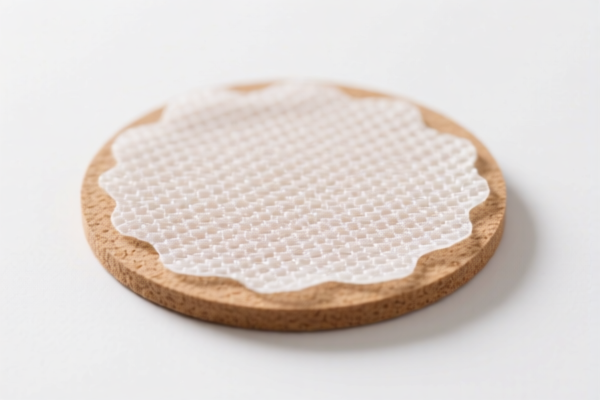
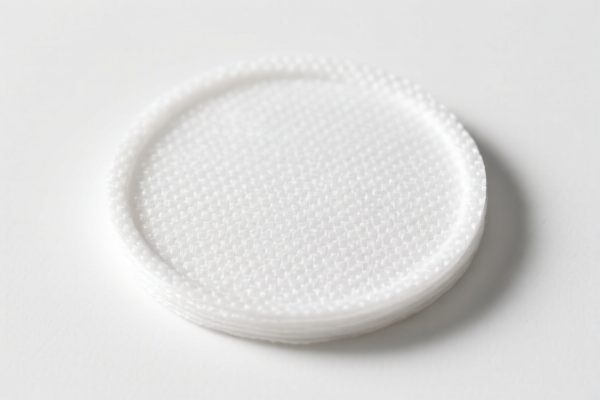
They generally fall into three main categories: 1. Plastic Coasters: The most common "non-slip" variety, made of ABS, PVC, or polypropylene. 2. Ceramic/Stone Coasters: Often feature a rubber or silicone non-slip base; classified by the ceramic body. 3. Wooden/Bamboo Coasters: Natural materials with non-slip felt or rubber pads; classified under wood products.
⚠️ Critical Distinction:
- Plastic items → Chapter 39 (Plastics & Articles Thereof)
- Ceramic/Stone items → Chapter 69 (Ceramic Products)
- Wood/Bamboo items → Chapter 44 (Wood & Articles of Wood)
Misclassification leads to significant duty spikes (3.2% vs 9.8% base + 10% Section 301).
📦 二、HS Code Classification Details (2026 Tariff Schedule)
Based on the provided data, here is the precise breakdown for "Non-Slip Coaster" imports into the US:
| HS Code | Product Description | Material Logic | Base Duty | "Non-Slip" Feature Impact |
|---|---|---|---|---|
3924.10.40.00 |
Plastic Tableware (Plastic Coasters) | Plastic (Confirmed by summary) | 3.4% | High match. "Non-slip" often implies a rubber base, but if the body is plastic, it stays here. |
3924.90.10.50 |
Other Plastic Household Items (Table Mats/Mats) | Plastic (Inferred for "Table Mats") | 3.3% | Used if the coaster is a "mat" style or not strictly "tableware" (e.g., placemat-style). |
6912.00.48.10 |
Ceramic Tableware/Kitchen Utensils | Ceramic (Inferred for "Non-metallic") | 9.8% | Used if the coaster is ceramic/stoneware, even with a non-slip bottom. |
4420.11.00.10 |
Wooden/Bamboo Table Mats | Wood (Inferred under "Other") | 3.2% | Used if the coaster is wood/bamboo and categorized under mats. |
4420.11.00.90 |
Other Wooden Articles | Wood (Inferred "Other" rule) | 3.2% | Standard for wooden coasters not falling into specific mat sub-codes. |
🔍 Key Insight:
- Plastic (3.3% - 3.4%) is the most tax-efficient if the product is 100% plastic.
- Ceramic (9.8%) incurs a much higher base duty due to the nature of the material.
- Wood (3.2%) is also highly competitive but requires material verification.
- All categories face an additional 10% Section 301 (122 Clause) tariff.
💰 三、2026 Latest Tariff Rate Breakdown (Including Surcharges)
✅ Applicable Country: United States (US)
✅ Country of Origin: China (CN)
✅ Effective Period: 2025/2026 Season (Includes Section 301)
🎯 1. Plastic Category (3924.10.40.00 & 3924.90.10.50)
| Item | Content |
|---|---|
| Base Tariff | 3.3% – 3.4% (ad valorem) |
| Section 301 (122 Clause) | +10.0% (Mandatory surcharge for Chinese goods) |
| Other Surcharges | 0.0% |
| Total Effective Rate | 13.3% – 13.4% |
| Tax Calculation | CIF Value × 13.3% |
| De Minimis Eligibility | ❌ No (Section 301 surcharges apply to all shipments) |
| Legal Path | 3924.10.40.00 + 122 Clause (Section 301) |
📌 Explanation:
- Even though the base tariff is low (~3.4%), the 10% "122 Clause" (Section 301) makes the total 13.4%.
- This is the standard for most plastic kitchenware/coasters.
🎯 2. Ceramic Category (6912.00.48.10)
| Item | Content |
|---|---|
| Base Tariff | 9.8% (Higher due to material) |
| Section 301 (122 Clause) | +10.0% |
| Other Surcharges | 0.0% |
| Total Effective Rate | 19.8% |
| Tax Calculation | CIF Value × 19.8% |
| De Minimis Eligibility | ❌ No |
| Legal Path | 6912.00.48.10 + 122 Clause |
📌 Warning:
- If your "non-slip" coaster is made of ceramic (even with a rubber bottom), the cost jumps to 19.8%.
- This is ~6.4% higher than plastic alternatives.
🎯 3. Wood Category (4420.11.00.10 & 4420.11.00.90)
| Item | Content |
|---|---|
| Base Tariff | 3.2% |
| Section 301 (122 Clause) | +10.0% |
| Other Surcharges | 0.0% |
| Total Effective Rate | 13.2% |
| Tax Calculation | CIF Value × 13.2% |
| De Minimis Eligibility | ❌ No |
| Legal Path | 4420.11.00.10/90 + 122 Clause |
📌 Note:
- Wooden coasters offer the lowest total tariff (13.2%).
- Must be verified as "Wood" and not "Plastic-coated wood" (which might shift to Chapter 39).
🛠️ 四、Clearing Operation Advice (实战避坑指南)
✅ 1. Documentation Checklist (Must-Have)
| Document | Required? | Purpose |
|---|---|---|
| Product Material Certificate | ✔️ Critical | Proves if it's Plastic (39), Ceramic (69), or Wood (44). |
| Composition Breakdown | ✔️ | If "Non-Slip" part is rubber/silicone, specify: "Main material: [Plastic/Wood], Non-slip base: Rubber" |
| Product Photos (Labeled) | ✔️ | Show texture, thickness, and the non-slip bottom. |
| Commercial Invoice | ✔️ | Must explicitly state "Non-Slip Coaster" and Material. |
| Packing List | ✔️ | Prevents "mixed shipment" errors. |
⚠️ Risk Alert:
If you declare a Plastic Coaster but the non-slip base is a significant component of the function, or if the product is actually Ceramic, customs will re-classify and charge the 19.8% rate + penalties.
✅ 2. Declaration Strategy (The "Material" Rule)
🔥 Golden Rule: "Declare the Primary Material, Not the Feature!"
| Scenario | Correct Declaration | Wrong Declaration |
|---|---|---|
| All Plastic (with rubber dots) | 3924.10.40.00 |
6912... (Overpaying 6.4%) |
| Ceramic Body (with rubber base) | 6912.00.48.10 |
3924... (Underpaying, Risk of Audit) |
| Wooden Body (with felt/rubber) | 4420.11.00.10 |
3924... (Incorrect material) |
| Mixed Material (e.g., Resin + Cork) | Declare based on Principal Material | Split declaration (Not allowed for single item) |
✅ 3. Special Handling for "Non-Slip" Features
| Situation | Recommendation |
|---|---|
| Rubber Base | Ensure it doesn't exceed 50% of volume. If >50%, it might be rubber (4016), changing the tax completely. |
| Felt Bottom | Usually acceptable for Wood (44) or Ceramic (69) classification as a minor accessory. |
| Silicone Top | If the whole coaster is silicone, it falls under 4001/4002 or 3926 depending on shape. |
| OEM Customization | If the client requests a specific "Non-Slip" formula, ensure the MSDS or Material Safety Data Sheet matches the declared HS Code. |
🌍 五、Global Market Comparison (2026 Context)
| Market | Best HS Code | Base Duty | Section 301 (if CN) | Total Rate |
|---|---|---|---|---|
| 🇺🇸 USA | 3924.10.40.00 |
3.4% | +10% | 13.4% |
| 🇪🇺 EU | 3924.10.40.00 |
6.5% | None (Most Favored Nation) | 6.5% |
| 🇨🇦 Canada | 3924.10.40.00 |
5.0% | None | 5.0% |
| 🇯🇵 Japan | 3924.10.40.00 |
8.0% | None | 8.0% |
📌 Conclusion:
- The US is the most expensive market due to the 10% Section 301 surcharge.
- Plastic (39) and Wood (44) are significantly cheaper than Ceramic (69) in the US market.
- If your product can be plastic or wood, choose that over ceramic for better margins in the US.
📌 六、Common Mistakes & Avoidance Guide
❌ Mistake 1: Declaring a Ceramic Coaster as Plastic to save taxes.
👉 Consequence: Customs audit, 19.8% retroactive tax + 20% penalty + shipment seizure.
❌ Mistake 2: Ignoring the 122 Clause (Section 301) in the tariff calculation.
👉 Consequence: Budget overrun. You expected 3.4%, but the real cost is 13.4%.
❌ Mistake 3: Declaring "Non-Slip" as a separate component.
👉 Consequence: Items are treated as "parts," often leading to higher duty rates on individual components.
✅ Correct Approach:
"Non-Slip Coaster, 100% Plastic with Rubber Base, 4oz, Set of 4, Made in China"
→ Use3924.10.40.00+ Calculate 13.4% total duty.
🎯 七、Final Verdict: Strategic Recommendation
🎯 Pro Tip:
🔹 For US Importers: Prioritize Plastic (
3924.10.40.00) or Wood (4420.11.00.10) over Ceramic. The 6.4% difference (13.4% vs 19.8%) is pure profit margin or a price advantage.
🔹 Documentation is King: Always attach a Material Declaration stating the primary composition.
🔹 Budget Realistically: Always budget for 13.2% – 19.8% total duty (Base + 10% Section 301).
📌 Action Plan:
📞 Contact Supplier: "Is the non-slip base < 30% of the volume? Is the main body plastic or wood?"
🚀 Verify HS Code: Cross-check with3924.10.40.00or4420.11.00.10.
💡 File Advance Ruling: If unsure, apply to US CBP for a binding ruling to avoid penalties.
✨ Precision Classification = Maximum Profit!
💼 Don't let the '10% Surcharges' eat your margin!
用户评价
关于 HS 编码归类
协调制度(HS)是由世界海关组织(WCO)制定的国际贸易商品分类标准。全球 200 多个国家采用 HS 系统作为海关关税、贸易统计和进出口监管的基础。
每个 HS 编码遵循以下层级结构:
- 章(2 位)——商品大类(例如:第 84 章:机器和机械设备)
- 品目(4 位)——章内的更具体分类
- 子目(6 位)——国际通用细分,所有 WCO 成员国统一使用
- 本国细分(8-10 位)——各国自行扩展的细分编码,如美国 HTSUS 10 位编码
正确的 HS 编码归类对于顺利通关、准确缴纳关税和遵守贸易法规至关重要。错误归类可能导致海关延误、多缴关税或罚款。
从CN进口到US时,适用的关税税率可能包括:
- 最惠国(MFN)税率——适用于 WTO 成员国的标准关税税率
- 普通税率——适用于无贸易协定国家
- 贸易救济关税——附加关税,如 301 条款(反倾销)、232 条款(国家安全)或反补贴税
本页内容仅供参考。如需正式归类,请咨询当地海关或持牌报关代理。