Non wooden Seat Components
CN → US| HS编码 | 关税税率 | 原产国 | 目的国 | 文档 |
|---|---|---|---|---|
| 7326908635 | 87.9% | CN | US | 官方文档 |
| 3926305000 | 22.8% | CN | US | 官方文档 |
| 3926301000 | 24.0% | CN | US | 官方文档 |
| 7326908688 | 87.9% | CN | US | 官方文档 |
| 9403999061 | 35.0% | CN | US | 官方文档 |
商品图片
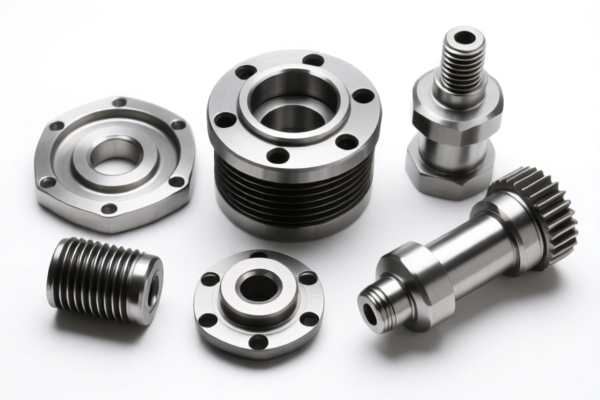


AI分析
🪑 Non-Wooden Seat Components (Non-Wooden Seat Accessories)
🌐 HS Code Reference & Customs Clearance Guide | 2026 Latest Tariff Analysis | Professional Strategy for Metal & Plastic Parts
📌 I. Product Definition: What Exactly Are "Non-Wooden Seat Components"?
Non-wooden seat components refer to the accessories, frames, cushions, or structural parts of seating furniture (chairs, stools, sofas) that are NOT made of wood. In international trade, these are primarily categorized by their material composition:
1. Metal Seat Components (Steel/Aluminum/Copper):
- Frames, legs, hinges, brackets, or structural supports made of steel, aluminum, or copper alloys.
- These are subject to heavy "Section 232" tariffs due to being steel/aluminum products.
2. Plastic/Synthetic Seat Components:
- Plastic shell seats, plastic legs, cushioning materials, or non-metallic accessories.
- These fall under general plastics or furniture accessory categories.
⚠️ Key Distinction:
- If the part is metal (steel/aluminum/copper), it triggers the 50% Section 232 tariff + other surcharges.
- If the part is plastic or classified as a general furniture accessory, it faces lower but still significant "Section 301" and "IEEPA" tariffs.
- Do NOT confuse with "Wooden Furniture Parts" (Chapter 94 or 44), which have different tariff structures.
📦 II. HS Code Classification Details (2026 Latest Tariff Authority Comparison)
| HS Code | Product Description | Applicable Scenario | Material |
|---|---|---|---|
| 7326.90.86.35 | Other articles of iron or steel; non-wooden seat components. Matches material and use. Belongs to the "parts/accessories" fallback logic. | Metal frames, steel brackets, metal legs for seats. | ✅ Metal (Steel/Iron) |
| 3926.30.50.00 | Other articles of plastic; non-wooden seat components. Inferred material is plastic, matched for furniture accessories. | Plastic chair shells, plastic legs, plastic armrests. | ✅ Plastic |
| 3926.30.10.00 | Other articles of plastic; non-wooden seat components. Based on plastics/synthetic materials, matched for "other plastic products and accessories". | General plastic furniture parts, synthetic cushions with plastic coating. | ✅ Plastic/Synthetic |
| 7326.90.86.88 | Other articles of iron or steel; non-wooden seat components. Material does not conflict; belongs to the category of parts in "other articles". | Other metal seat parts not specifically listed elsewhere. | ✅ Metal (Steel/Iron) |
| 9403.99.90.61 | Parts of furniture; non-wooden seat components. Belongs to "parts/accessories" category, matched based on other categories judgment principle. | General seat accessories where material is less clear or mixed, falling under general furniture parts. | ⚠️ Mixed/Generic |
🔍 Critical Reminder:
- Metal parts (7326.xx) face the highest total tariff (87.9%) due to the 50% Section 232 tariff on steel/aluminum/copper.
- Plastic parts (3926.xx) face 22.8% - 24.0% total tariff.
- Generic Furniture Parts (9403.99) face 35.0% total tariff.
- Always verify the primary material of the component to avoid misclassification and massive penalty risks.
💰 III. 2026 Latest Tariff Rate Details (Including Surcharges, Policy Add-ons)
✅ Applicable Country: USA (US)
✅ Origin: China (CN)
✅ Effective Date: November 10, 2025 (and subsequent imports)
🎯 1. 7326.90.86.35 & 7326.90.86.88 —— Metal Non-Wooden Seat Components (Steel/Aluminum)
| Item | Content |
|---|---|
| Base Rate | 2.9% (ad valorem) |
| Section 301 Surcharge | +25.0% |
| Section 122 Tariff (10%) | +10.0% |
| Section 232 Tariff (Steel/Aluminum/Copper) | +50.0% |
| Total Rate | 87.9% |
| Tax Calculation | CIF Value × 87.9% |
| De Minimis Exemption | ❌ Not Eligible (deny_de_minimis) |
| Legal Basis Path | USITC:7326.90.86.35 → SECTION_232:STEEL_ALUMINUM_50% → SECTION_301:25% → IEEPA:10% |
📌 Explanation:
- The 50% Section 232 tariff applies because these are steel, aluminum, or copper products. This is a national security surcharge.
- Combined with the 25% Section 301 tariff (trade war) and 10% IEEPA tariff, the total hits 87.9%.
- This is an extremely high tariff. Importing metal seat parts from China to the US is highly costly.
- De Minimis (Under $800) exemption is denied for these HS codes.
🎯 2. 3926.30.50.00 —— Plastic Non-Wooden Seat Components (Furniture Accessories)
| Item | Content |
|---|---|
| Base Rate | 5.3% |
| Section 301 Surcharge | +7.5% |
| Section 122 Tariff (10%) | +10.0% |
| Total Rate | 22.8% |
| Tax Calculation | CIF Value × 22.8% |
| De Minimis Exemption | ❌ Not Eligible (deny_de_minimis) |
| Legal Basis Path | USITC:3926.30.50.00 → SECTION_301:7.5% → IEEPA:10% |
📌 Note:
- Plastic seat parts are significantly cheaper to import than metal ones.
- The total tariff is 22.8%, which is manageable but still substantial.
- Applies to plastic shells, plastic legs, and plastic accessories for furniture.
🎯 3. 3926.30.10.00 —— Plastic Non-Wooden Seat Components (Other Plastic Products)
| Item | Content |
|---|---|
| Base Rate | 6.5% |
| Section 301 Surcharge | +7.5% |
| Section 122 Tariff (10%) | +10.0% |
| Total Rate | 24.0% |
| Tax Calculation | CIF Value × 24.0% |
| De Minimis Exemption | ❌ Not Eligible (deny_de_minimis) |
| Legal Basis Path | USITC:3926.30.10.00 → SECTION_301:7.5% → IEEPA:10% |
📌 Note:
- Similar to3926.30.50.00, but categorized under "other plastic articles."
- Slightly higher base rate (6.5% vs 5.3%), but same surcharges.
- Use this if the specific plastic accessory doesn't fit the "furniture accessories" sub-category.
🎯 4. 9403.99.90.61 —— Generic Non-Wooden Seat Components (Furniture Parts)
| Item | Content |
|---|---|
| Base Rate | 0.0% |
| Section 301 Surcharge | +25.0% |
| Section 122 Tariff (10%) | +10.0% |
| Total Rate | 35.0% |
| Tax Calculation | CIF Value × 35.0% |
| De Minimis Exemption | ❌ Not Eligible (deny_de_minimis) |
| Legal Basis Path | USITC:9403.99.90.61 → SECTION_301:25% → IEEPA:10% |
📌 Note:
- This is the fallback category for furniture parts.
- Base rate is 0%, but the 25% Section 301 and 10% IEEPA make it 35%.
- Use this only if the material is unclear or mixed, and you cannot prove it is purely plastic or metal.
- Warning: Misclassifying metal parts here to avoid 50% Section 232 is a high-risk audit target.
🛠️ IV. Customs Clearance Practical Advice (Avoiding Pitfalls)
✅ 1. Required Documentation Checklist (Non-Negotiable)
| Document | Mandatory? | Description |
|---|---|---|
| ✅ Product Specifications | ✔️ | Detailed list of materials (e.g., "100% Polypropylene Plastic" or "Stainless Steel 304"). |
| ✅ Material Certificates | ✔️ | Proof of material composition (e.g., Mill Certificates for steel, Plastic Resin Certificates). |
| ✅ Product Photos | ✔️ | Clear photos of the component, including any markings or labels. |
| ✅ Commercial Invoice | ✔️ | Must explicitly state "Non-Wooden Seat Components" and specify material (Plastic/Metal). |
| ✅ Packing List | ✔️ | Separate metal parts from plastic parts if shipped together, to avoid confusion. |
| ✅ Certificate of Origin | ✔️ | Essential for verifying China origin and applying correct surcharges. |
✅ 2. Declaration Tips (Key Mnemonics)
🔥 "Material First, Category Second, No De Minimis!"
| Scenario | Correct Declaration | Wrong Approach |
|---|---|---|
| Metal Frame | 7326.90.86.35 "Steel Seat Frame" |
Declare as "Plastic Part" → Fraud Risk |
| Plastic Shell | 3926.30.50.00 "Plastic Chair Shell" |
Declare as "Furniture" → Wrong Chapter |
| Mixed Materials | 9403.99.90.61 "Furniture Part, Mixed" |
Split shipment without note → Customs Hold |
| Under $800 Shipment | ❌ Cannot Use De Minimis | Attempting De Minimis → Confiscation/Fine |
✅ 3. Special Cases Handling
| Case | Handling Advice |
|---|---|
| OEM Custom Parts | Provide design drawings to prove material composition. |
| Plastic + Metal Assembly | Declare based on the primary material or separate HS codes. If mixed, consult a customs broker. |
| Seat Cushions (Fabric + Foam) | May fall under 9404.90 or 3926 depending on structure. Ensure correct material declaration. |
| Export to US from China | High Tax Alert! Metal parts (87.9%) and Plastic parts (22.8-24%) are costly. Consider third-country manufacturing (Vietnam, Mexico) for tariff avoidance. |
🌍 V. Global Market Comparison (2026 Latest)
| Country/Region | Recommended HS Code | Tariff (China Origin) | Certification | Notes |
|---|---|---|---|---|
| 🇺🇸 USA | 7326.90.86.35 (Metal) / 3926.30.50.00 (Plastic) |
87.9% (Metal) / 22.8-24% (Plastic) | FCC, CPC (if for kids) | Highest Tax Market. Section 232/301/IEEPA apply. |
| 🇨🇳 China | 7326.90.86.35 / 3926.30.50.00 |
~5-6% | CCC (if applicable) | No Section 301/232 tariffs. |
| 🇪🇺 EU | 7326.90.86.35 / 3926.30.50.00 |
~3-5% | CE, RoHS | No Section 301/232. Lower cost than US. |
| 🇦🇺 Australia | 7326.90.86.35 / 3926.30.50.00 |
~5% | RCM | Moderate tariffs. |
| 🇯🇵 Japan | 7326.90.86.35 / 3926.30.50.00 |
~3-5% | PSE | Low tariffs. |
📌 Conclusion:
- USA is the most expensive market for Chinese-made seat components due to multiple layers of tariffs.
- Metal parts are the most penalized.
- Plastic parts are more viable but still face ~23-24% total tax.
- Consider supply chain diversification (e.g., manufacturing in Vietnam or Mexico) to mitigate US tariff risks.
📌 VI. Common Errors & Pitfalls (Lessons Learned)
❌ Error 1: Declaring metal seat frames as "Plastic Parts" to avoid 50% Section 232
👉 Consequence: Customs audit, seizure, penalties up to 3x duty value, and potential criminal charges for fraud.
❌ Error 2: Attempting De Minimis ($800) for metal or plastic seat components
👉 Consequence: Shipment blocked, returned, or seized. These HS codes are explicitly denied De Minimis exemption.
❌ Error 3: Misclassifying plastic parts as "Furniture" (Chapter 94) without specifying material
👉 Consequence: Incorrect HS code, potential underpayment of duties, leading to retroactive taxes + interest.
❌ Error 4: Ignoring the "Non-Wooden" specification
👉 Consequence: If wood components are present, different rules may apply. Ensure 100% non-wood if claiming these codes.
✅ Correct Practice:
"Non-Wooden Steel Seat Frame, Model XYZ, 100% Stainless Steel, No Wood Components"
"Non-Wooden Plastic Chair Shell, Model ABC, 100% Polypropylene, No Metal"
🎯 VII. Conclusion: Precision Classification for Cost Efficiency
🎯 Remember the Rules:
🔹 "Metal Parts = 87.9% Tax (Avoid!)"
🔹 "Plastic Parts = ~23% Tax (Manageable)"
🔹 "No De Minimis for Any Seat Component from China"
🔹 "Material Proof is Key"🔹 "HS Code Determines Tax, Tax Determines Profit. Declare Correctly, Save Thousands!"
📌 Pro Tip:
If you are shipping to the USA, consider:
1. Pre-Ruling: Apply for an Advance Ruling from CBP to confirm your HS code.
2. Supply Chain Shift: Manufacture plastic parts in Vietnam or Mexico to avoid Section 301 tariffs.
3. Material Substitution: For metal parts, consider plastic-coated or alternative materials if possible, but ensure compliance with safety standards.
📣 Immediate Action:
📞 Contact a licensed customs broker + Provide material certificates + Pre-classify HS codes
🚀 Smooth Clearance, Lower Costs, Higher Profits!
✨ Professional Customs Clearance Starts with Accurate Classification!
💼 Your Every Penny of Cost Deserves Precise Calculation!
用户评价
关于 HS 编码归类
协调制度(HS)是由世界海关组织(WCO)制定的国际贸易商品分类标准。全球 200 多个国家采用 HS 系统作为海关关税、贸易统计和进出口监管的基础。
每个 HS 编码遵循以下层级结构:
- 章(2 位)——商品大类(例如:第 84 章:机器和机械设备)
- 品目(4 位)——章内的更具体分类
- 子目(6 位)——国际通用细分,所有 WCO 成员国统一使用
- 本国细分(8-10 位)——各国自行扩展的细分编码,如美国 HTSUS 10 位编码
正确的 HS 编码归类对于顺利通关、准确缴纳关税和遵守贸易法规至关重要。错误归类可能导致海关延误、多缴关税或罚款。
从CN进口到US时,适用的关税税率可能包括:
- 最惠国(MFN)税率——适用于 WTO 成员国的标准关税税率
- 普通税率——适用于无贸易协定国家
- 贸易救济关税——附加关税,如 301 条款(反倾销)、232 条款(国家安全)或反补贴税
本页内容仅供参考。如需正式归类,请咨询当地海关或持牌报关代理。