Nut Shell Charcoal
CN → US| HS编码 | 关税税率 | 原产国 | 目的国 | 文档 |
|---|---|---|---|---|
| 4402200000 | 35.0% | CN | US | 官方文档 |
| 4402900100 | 35.0% | CN | US | 官方文档 |
| 3802100020 | 39.8% | CN | US | 官方文档 |
| 3802100050 | 39.8% | CN | US | 官方文档 |
商品图片
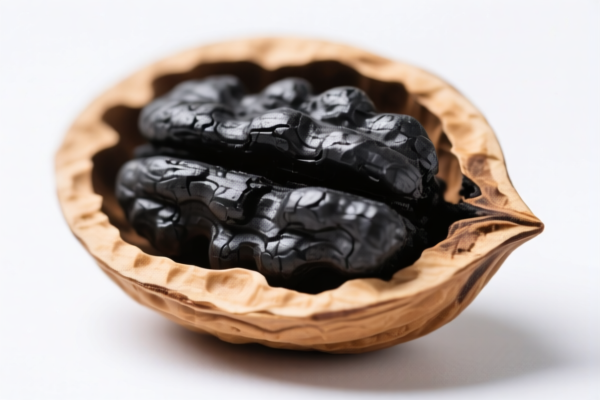
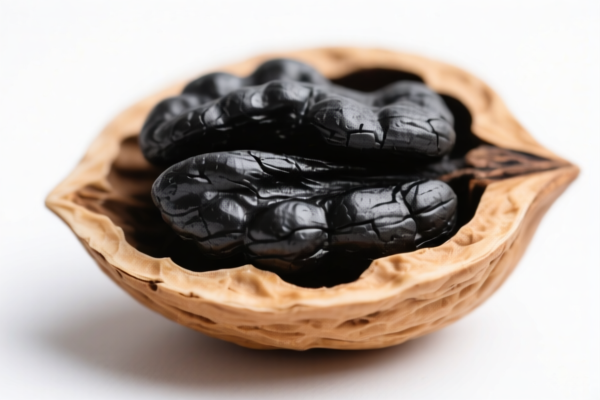
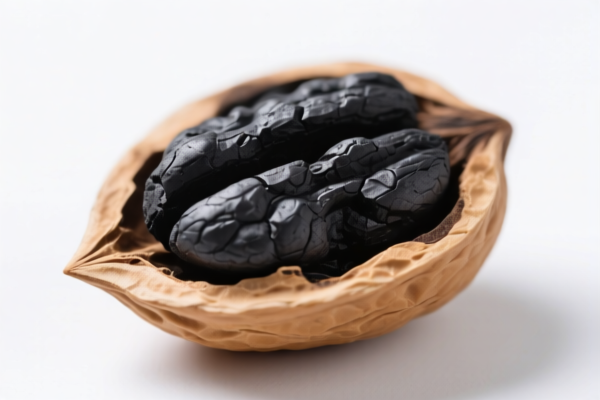
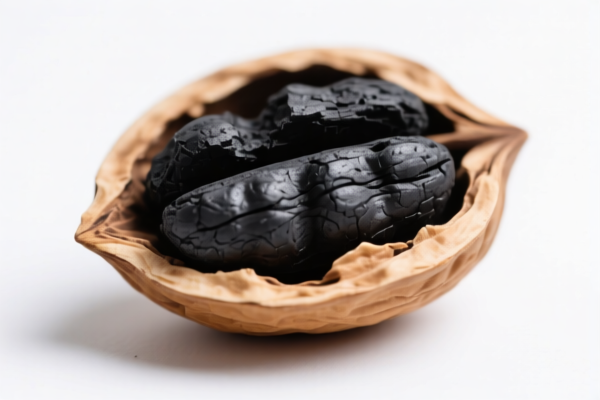
AI分析
🪵 Nut Shell Charcoal (Shell/Nut Charcoal)
🌐 HS Code Reference & Customs Clearance Guide | 2026 Tariff Analysis | Professional Clearance Strategy
📌 I. Product Definition & Classification: What Exactly is "Nut Shell Charcoal"?
Nut Shell Charcoal (also known as Shell Charcoal or Agglomerated Coconut Charcoal Briquettes) is a high-density, low-ash fuel source widely used for grilling, smoking, and industrial activation. In international trade, it is strictly categorized under Chapter 44 (Wood and Articles of Wood) because it is derived from organic biomass (coconut shells, apricot pits, walnut shells, etc.).
⚠️ Critical Distinction:
- Charcoal (Fuel): Used for combustion/grilling → Classified under 4402
- Activated Carbon (Adsorbent): Used for filtration/chemical purification → Classified under 3802
Misclassification leads to severe penalties and cargo detention!
📦 II. HS Code Classification Details (2026 Official Tariff Reference)
Based on the provided dataset, Nut Shell Charcoal falls into two primary categories depending on its physical form and intended use.
| HS Code | Product Description | Tax Detail (US Import from China) | Total Tax Rate |
|---|---|---|---|
| 4402.20.00.00 | Wood charcoal (including shell or nut charcoal), whether or not agglomerated: Of shell or nut | Base: 0.0% + Surtax: 25.0% | 25.0% |
| 4402.90.01.00 | Wood charcoal (including shell or nut charcoal), whether or not agglomerated: Other | Base: 0.0% + Surtax: 25.0% | 25.0% |
| 3802.10.00.20 | Activated carbon; activated natural mineral products; animal black, including spent animal black: Activated carbon Derived from coconut | Base: 4.8% + Surtax: 25.0% | 29.8% |
| 3802.10.00.50 | Activated carbon; activated natural mineral products; animal black, including spent animal black: Activated carbon Other | Base: 4.8% + Surtax: 25.0% | 29.8% |
🔍 Key Analysis:
- Items 1 & 2 (4402): These are Fuel Charcoal. Whether it’s loose shells or pressed briquettes ("agglomerated"), if it’s for burning, it goes here.
- Items 3 & 4 (3802): These are Activated Carbon. If the charcoal has been chemically or thermally treated to create porous surfaces for adsorption (water filters, air purifiers, gold recovery), it moves to Chapter 38.
- Note: The dataset shows both categories carry significant tariffs due to US-China trade policies.
💰 III. 2026 Tariff Rate Breakdown (Detailed Tax Clauses)
✅ Applicable Country: United States (US)
✅ Origin: China (CN)
✅ Effective Time: Current Trade Policies (Section 301)
🎯 1. 4402.20.00.00 & 4402.90.01.00 — Wood Charcoal (Fuel Grade)
| Item | Detail |
|---|---|
| Base Tariff | 0.0% (General Rate) |
| Section 301 Surtax | +25.0% |
| Total Tax Rate | 25.0% |
| Tax Calculation | CIF Value × 25% |
| De Minimis Exemption | ❌ Not Eligible (Section 301 goods are excluded from $800 de minimis relief) |
| Legal Basis | USITC Header 4402 → Section 301 Footnote 9903.88.01 |
📌 Explanation:
- Although the base tariff for wood charcoal is zero, the 25% additional duty under Section 301 applies to virtually all charcoal products from China.
- Agglomerated (briquettes) and Non-agglomerated (loose shells) both fall under this 25% surtax.
- There is no 4.8% base tax for these codes, making them slightly cheaper than activated carbon.
🎯 2. 3802.10.00.20 & 3802.10.00.50 — Activated Carbon (Industrial/Filtration Grade)
| Item | Detail |
|---|---|
| Base Tariff | 4.8% (General Rate) |
| Section 301 Surtax | +25.0% |
| Total Tax Rate | 29.8% |
| Tax Calculation | CIF Value × 29.8% |
| De Minimis Exemption | ❌ Not Eligible |
| Legal Basis | USITC Header 3802 → Section 301 Footnote 9903.88.01 |
📌 Explanation:
- Activated carbon carries a higher base tariff (4.8%) before the surtax is applied.
- Coconut-derived (.20) and Other (.50) have identical total rates in this dataset.
- If your product is used for filtration, do not declare it as fuel charcoal, or you risk customs fraud allegations.
🛠️ IV. Customs Clearance Practical Advice (Avoid Pitfalls)
✅ 1. Document Preparation Checklist
| Document | Required? | Explanation |
|---|---|---|
| Product Specification Sheet | ✔️ | Must specify: Raw material (e.g., Coconut Shell), Carbonization temp, Ash content, Fixed Carbon %. |
| Intended Use Statement | ✔️ | Crucial! Must state: "For Grilling/Fuel" OR "For Industrial Adsorption/Filtration". |
| Commercial Invoice | ✔️ | Must clearly distinguish between "Charcoal Briquettes" and "Activated Carbon". |
| Certificate of Origin | ✔️ | Needed to verify US-China origin for Section 301 application. |
| MSDS / Safety Data Sheet | ✔️ | Required for fire safety compliance, especially for agglomerated briquettes. |
| Photos of Packaging | ✔️ | Show labeling, lot numbers, and any warning labels. |
✅ 2. Declaration Strategy (Key Mnemonics)
🔥 "Fuel is 4402, Filter is 3802. Mislabeling = Seizure!"
| Scenario | Correct HS Code | Incorrect Code | Consequence |
|---|---|---|---|
| BBQ Briquettes | 4402.20.00.00 |
3802.10.00.20 |
Undervaluation risk, audit trigger |
| Water Filter Carbon | 3802.10.00.20 |
4402.20.00.00 |
25% Surcharge avoided? NO. But fraud risk if used for filtration claims |
| Mixed Shells (Raw) | 4402.90.01.00 |
4402.20.00.00 |
Possible duty discrepancy if "Shell" vs "Nut" is ambiguous |
| Agglomerated vs Loose | Both 4402 |
Split申报 | Keep as one shipment if same product type |
✅ 3. Special Handling Tips
| Situation | Recommendation |
|---|---|
| "Agglomerated" Briquettes | Declare as "Agglomerated Wood Charcoal". Ensure glue/binder content is disclosed if asked (some binders may affect classification). |
| Coconut vs. Nut | 4402.20 specifies "Of shell or nut". If mixed, ensure description covers both or use "Other" (4402.90) if ambiguous. |
| Activated Carbon Pre-treatment | If the carbon is not activated (just burnt), use 4402. If it is activated (steam/chemical treated), use 3802. |
| Value Declaration | Ensure CIF value includes freight and insurance. Under-declaring to minimize tax leads to severe penalties. |
🌍 V. Global Market Comparison (2026 Update)
| Country/Region | Recommended HS Code | Est. Tariff (China Origin) | Notes |
|---|---|---|---|
| 🇺🇸 USA | 4402.20.00.00 / 3802.10.00.20 |
25.0% / 29.8% | Section 301 applies. No de minimis. |
| 🇨🇳 China | 4402.20.00 / 3802.10.00 |
0% - 5% | Varies by specific subheading. Export friendly. |
| 🇪🇺 EU | 4402.49 / 3802.10 |
0% - 5% | Generally lower tariffs. Requires EORI number. |
| 🇬🇧 UK | 4402.49 / 3802.10 |
0% - 5% | Post-Brexit tariffs may differ slightly. |
| 🇨🇦 Canada | 4402.49 / 3802.10 |
0% - 5% | CUSMA may apply if originating from US/Mexico. |
📌 Conclusion:
- The US market is the most expensive due to the flat 25% surtax on these goods.
- No preferential treatment is available for Chinese-origin charcoal/activated carbon in the US.
- Cost Impact: For every $10,000 of CIF value, you pay $2,500 (Charcoal) or $2,980 (Activated Carbon) in duties alone.
📌 VI. Common Mistakes & Pitfalls (Lessons Learned)
❌ Mistake 1: Declaring "Activated Carbon" as "Wood Charcoal" to save on the 4.8% base tax.
👉 Result: Customs may seize goods for misdeclaration if lab tests show high surface area/adsorption capacity. Even if duty is similar (25% vs 29.8%), the legal risk is high.
❌ Mistake 2: Assuming De Minimis ($800) applies to charcoal shipments.
👉 Result: Section 301 goods are EXCLUDED from de minimis. All $1,000 shipments are subject to full duty.
❌ Mistake 3: Confusing "Nut Charcoal" with "Nuts".
👉 Result: Nuts (food) are Chapter 20. Charcoal (fuel) is Chapter 44. Misclassification leads to immediate hold.
❌ Mistake 4: Not specifying "Agglomerated" on the invoice.
👉 Result: If briquettes are declared as loose charcoal, customs may question the density and origin, causing delays.
✅ Correct Practice:
"Coconut Shell Charcoal Briquettes (Agglomerated), for Grilling, HS Code 4402.20.00.00, Origin: China, Section 301 Applicable."
🎯 VII. Conclusion: Precision is Profit!
🎯 Remember These Rules:
🔹 Fuel Charcoal = 4402 = 25% Tax
🔹 Activated Carbon = 3802 = 29.8% Tax
🔹 NO De Minimis Exemption
🔹 Use the Correct HS Code or Risk Seizure
📌 Pro Tip:
If you are importing large volumes, consider Advance Rulings from US Customs (CBP) to lock in the HS Code classification. This provides legal certainty and avoids surprise audits.
📣 Immediate Action:
📞 Verify product use (Fuel vs. Adsorption)
📄 Prepare MSDS and Spec Sheets
💰 Budget for 25-30% total duty cost
🚀 Ensure accurate HS Code on BL and Invoice
✨ Smart Classification, Smooth Clearance!
💼 Don't let tariff errors eat your margins!
用户评价
关于 HS 编码归类
协调制度(HS)是由世界海关组织(WCO)制定的国际贸易商品分类标准。全球 200 多个国家采用 HS 系统作为海关关税、贸易统计和进出口监管的基础。
每个 HS 编码遵循以下层级结构:
- 章(2 位)——商品大类(例如:第 84 章:机器和机械设备)
- 品目(4 位)——章内的更具体分类
- 子目(6 位)——国际通用细分,所有 WCO 成员国统一使用
- 本国细分(8-10 位)——各国自行扩展的细分编码,如美国 HTSUS 10 位编码
正确的 HS 编码归类对于顺利通关、准确缴纳关税和遵守贸易法规至关重要。错误归类可能导致海关延误、多缴关税或罚款。
从CN进口到US时,适用的关税税率可能包括:
- 最惠国(MFN)税率——适用于 WTO 成员国的标准关税税率
- 普通税率——适用于无贸易协定国家
- 贸易救济关税——附加关税,如 301 条款(反倾销)、232 条款(国家安全)或反补贴税
本页内容仅供参考。如需正式归类,请咨询当地海关或持牌报关代理。