Oak Fence Post
CN → US| HS编码 | 关税税率 | 原产国 | 目的国 | 文档 |
|---|---|---|---|---|
| 4407910022 | 35.0% | CN | US | 官方文档 |
| 4407910063 | 35.0% | CN | US | 官方文档 |
商品图片
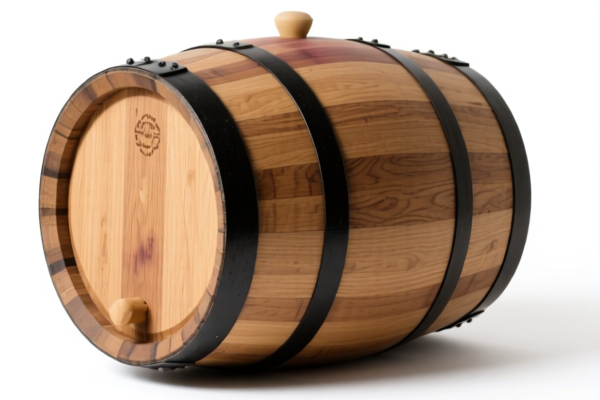
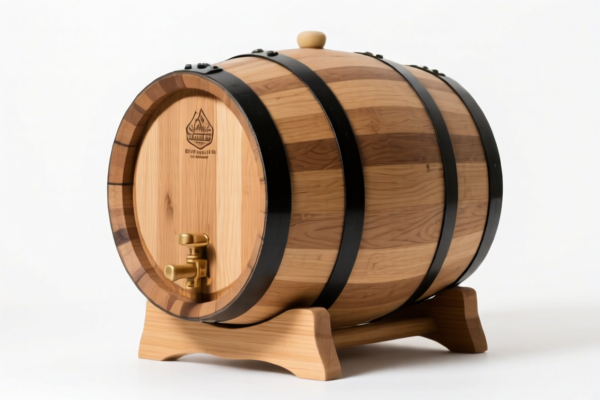
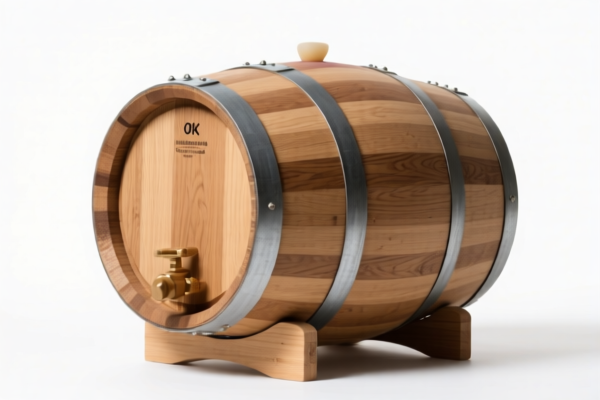
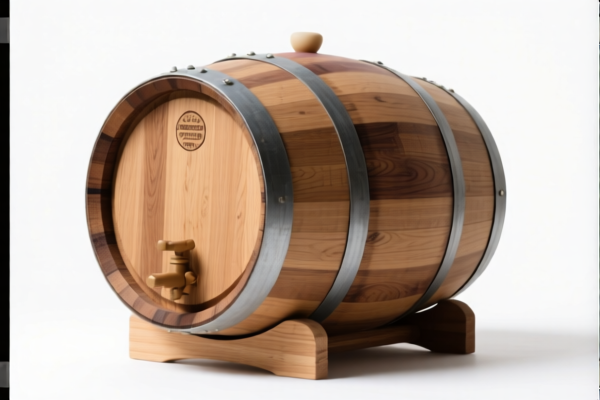
AI分析
🌲 Oak Fence Post (Wooden Posts for Fencing)
🌐 HS Code Reference & Clearance Guide | 2026 Latest Tariff Analysis | Professional Clearance Strategy
📌 I. Product Definition & Classification: Is It Just a "Stick"?
Oak Fence Posts are structural wooden components used primarily in outdoor construction for fencing, retaining walls, or landscaping. In international trade, they are classified under Chapter 44 (Wood and articles of wood; wood charcoal).
The critical distinction lies in the processing level and origin: 1. Sawn/Chipped/Peel Wood: If the wood has been sawn, chipped lengthwise, sliced, or peeled (whether or not planed, sanded, or end-jointed), it falls under HS Code 4407. 2. Thickness > 6mm: Fence posts almost always exceed 6mm in thickness, placing them firmly in the sawn wood category rather than simple charcoal or raw logs. 3. Species Specificity: The species is identified as Oak (Quercus spp.). The data distinguishes between Red Oak and Other Oak.
⚠️ Key Distinction Point:
- If the wood is Red Oak → It falls under specific subheading 4407.91.00.22
- If the wood is Other Oak (White Oak, etc.) → It falls under 4407.91.00.63
- If the wood is not Oak (e.g., Pine, Cedar) → NOT COVERED in the provided data. Do not use these codes for non-oak woods.
📦 II. HS Code Classification Details (2026 Latest Tariff Authority对照)
| HS Code | Product Description | Application Scenario | Specific Species |
|---|---|---|---|
4407.91.00.22 |
Wood sawn/peeled/sliced, >6mm thick: Other: Of oak (Quercus spp.) Red oak | Red Oak fence posts, treated or untreated, planed or sanded | ✅ Red Oak Only |
4407.91.00.63 |
Wood sawn/peeled/sliced, >6mm thick: Other: Of oak (Quercus spp.) Other | White Oak, European Oak, or any Oak species not classified as Red Oak | ✅ Non-Red Oak |
🔍 Critical Reminder:
- Both codes require the wood to be sawn, chipped, sliced, or peeled. If the post is merely debarked but not sawn (round logs), it may fall under a different chapter (e.g., HS 4403).
- Thickness must exceed 6mm. Thin slats or shavings do not qualify.
- End-joining is permitted; if two pieces of oak are glued together lengthwise, it still falls under 4407.
💰 III. 2026 Latest Tariff Rate Details (Including Surcharges)
✅ Applicable Country: United States (US)
✅ Origin: China (CN)
✅ Effective Date: As per 2026 tariff structure
🎯 1. 4407.91.00.22 —— Red Oak Fence Posts
| Item | Content |
|---|---|
| Base Tariff Rate | 0.0% |
| Retaliatory/Add-on Tariff | +25.0% |
| Total Tax Rate | 25.0% |
| Tax Calculation | CIF Value × 25% |
| De Minimis Exemption | ❌ Not Eligible (High-value industrial/commercial wood products usually excluded from Section 321 relief for commercial shipments) |
| Legal Basis Path | HTSUS 4407.91.00.22 → USITC Footnote (Section 301 Tariff) |
📌 Explanation:
- Although the Base Tariff is 0%, a 25% Add-on Tariff applies specifically to Chinese-origin goods under Section 301.
- Total Effective Rate: 25%. This is a significant cost driver for wooden construction materials.
🎯 2. 4407.91.00.63 —— Other Oak (e.g., White Oak) Fence Posts
| Item | Content |
|---|---|
| Base Tariff Rate | 0.0% |
| Retaliatory/Add-on Tariff | +25.0% |
| Total Tax Rate | 25.0% |
| Tax Calculation | CIF Value × 25% |
| De Minimis Exemption | ❌ Not Eligible |
| Legal Basis Path | HTSUS 4407.91.00.63 → USITC Footnote (Section 301 Tariff) |
📌 Note:
- The tariff structure for Other Oak is identical to Red Oak in this dataset.
- Whether you are importing White Oak, Red Oak, or European Oak, the 25% surcharge applies uniformly to all Quercus spp. sawn wood >6mm from China.
🛠️ IV. Clearance Practical Advice (Avoiding Pitfalls)
✅ 1. Essential Documentation Checklist
| Document | Required | Explanation |
|---|---|---|
| ✅ Commercial Invoice | ✔️ | Must clearly state "Oak (Quercus spp.) Fence Posts" and specify Red vs. Other Oak. |
| ✅ Packing List | ✔️ | Detail weight, dimensions, and number of posts. |
| ✅ Species Certificate | ✔️ | Critical: Proof that the wood is Quercus spp. Misidentifying Oak as Pine can lead to severe penalties or reclassification. |
| ✅ Phytosanitary Certificate | ✔️ | Required for all raw wood products to prevent pest introduction (ISPM 15 compliant if pallets are wood). |
| ✅ Treatment Certificate | ✔️ | If treated (e.g., pressure-treated), declare the chemical treatment. Untreated wood may face stricter inspection. |
| ✅ Bill of Lading | ✔️ | Standard shipping document. |
✅ 2. Declaration Tips (Key Mnemonics)
🔥 "Species First, Thickness Check, Red vs. Other, 25% Tax Due!"
| Scenario | Correct Declaration | Wrong Action |
|---|---|---|
| Red Oak Posts | 4407.91.00.22 + "Red Oak" |
Use 4407.91.00.63 → Potential audit for species mismatch |
| White Oak Posts | 4407.91.00.63 + "White Oak" |
Use 4407.91.00.22 → Incorrect classification |
| Pine/Cedar Posts | NOT IN DATA (Try 4407.94.xx or 4407.99.xx) | Use 4407.91.xx → Misclassification, 25% penalty risk |
| Round Logs (Un-sawn) | NOT IN DATA (Try 4403.xx) | Use 4407.xx → Rejection/Delay |
| Wood Thickness ≤ 6mm | NOT IN DATA | Use 4407.xx → Rejection |
✅ 3. Special Considerations
| Situation | Handling Advice |
|---|---|
| Mixed Species Shipment | If a container has both Red and Other Oak, separate HS Codes. Mixed declaration is risky. Best to ship separately or declare accurately per package. |
| Treated vs. Untreated | Pressure-treated posts may have additional EPA or environmental regulations. Declare treatment type clearly. |
| Origin Marking | Ensure each post or bundle is marked "Made in China". Unmarked wood can be seized or fined. |
| Pest Inspection | Oak is susceptible to borers. Ensure wood is kiln-dried or heat-treated (HT mark) to pass USDA APHIS inspection. |
🌍 V. Global Market Clearance Comparison (2026 Latest)
| Country/Region | Recommended HS Code | Tariff (China Origin) | Certification | Notes |
|---|---|---|---|---|
| 🇺🇸 USA | 4407.91.00.22 / .63 |
25% (Add-on) | Phytosanitary + HT Mark | High tariff barrier for wood products |
| 🇨🇳 China | 4407.91.00.22 / .63 |
~5-10% (Import Duty) | None | Domestic production often cheaper |
| 🇪🇺 EU | 4407.91.xx |
0% (Most FTA) | EUDR (Deforestation Regulation) | New: Must prove no deforestation post-2020 |
| 🇬🇧 UK | 4407.91.xx |
0-5% | UKCA / Forestry Compliance | Similar to EU but separate certification |
| 🇨🇦 Canada | 4407.91.xx |
0% (CUSMA) | CFIA Phytosanitary | Free trade advantage if Canadian origin |
📌 Conclusion:
- USA imposes a heavy 25% surcharge on Chinese oak wood products.
- EU requires strict EUDR compliance (geolocation of forest plot).
- Diversify sourcing: Consider imports from non-Chinese origins (e.g., Canada, Eastern Europe) to avoid US Section 301 tariffs.
📌 VI. Common Errors & Pitfalls (Blood & Tears Lessons)
❌ Error 1: Declaring "Wood Posts" without specifying species.
👉 Consequence: CBP requests species verification → Delay → Possible seizure if unverified.
❌ Error 2: Misidentifying White Oak as Red Oak to fit a different tariff (if applicable).
👉 Consequence: Audit Trail Mismatch. If botanical analysis shows non-Red Oak, you owe back taxes + penalties.
❌ Error 3: Ignoring Thickness > 6mm.
👉 Consequence: If posts are very thin (e.g., lattice), they may fall under 4407.99 or 4412. Misclassification leads to incorrect tax payment.
❌ Error 4: Forgetting Phytosanitary Certificate.
👉 Consequence: Goods held at port for fumigation or destruction. Total loss of time and money.
✅ Correct Practice:
"Oak (Quercus spp.) Fence Posts, Kiln-Dried, Treated, Sawn Lengthwise, Thickness >6mm, Origin: China, Species: Red Oak/White Oak"
🎯 VII. Conclusion: Professional Declaration, Cost Control!
🎯 Remember the Mnemonic:
🔹 "Oak is 4407, Red vs. Other, 25% Tax, Check Thickness and Species!"
🔹 "No Phytosanitary, No Entry. Wrong Species, Big Penalty."
📌 Pro Tip:
If your oak posts are treated with preservatives, declare the chemical composition on the invoice. Some chemicals may trigger additional EPA regulations or Hazardous Material declarations.
📣 Immediate Action:
📞 Contact a licensed Customs Broker + Provide Species Confirmation + Ensure HT Marking on all bundles.
🚀 Smooth clearance starts with accurate species identification!
✨ Professional Customs Clearance Begins with Precise Classification!
💼 Your every dollar of cost is worth calculating precisely!
用户评价
关于 HS 编码归类
协调制度(HS)是由世界海关组织(WCO)制定的国际贸易商品分类标准。全球 200 多个国家采用 HS 系统作为海关关税、贸易统计和进出口监管的基础。
每个 HS 编码遵循以下层级结构:
- 章(2 位)——商品大类(例如:第 84 章:机器和机械设备)
- 品目(4 位)——章内的更具体分类
- 子目(6 位)——国际通用细分,所有 WCO 成员国统一使用
- 本国细分(8-10 位)——各国自行扩展的细分编码,如美国 HTSUS 10 位编码
正确的 HS 编码归类对于顺利通关、准确缴纳关税和遵守贸易法规至关重要。错误归类可能导致海关延误、多缴关税或罚款。
从CN进口到US时,适用的关税税率可能包括:
- 最惠国(MFN)税率——适用于 WTO 成员国的标准关税税率
- 普通税率——适用于无贸易协定国家
- 贸易救济关税——附加关税,如 301 条款(反倾销)、232 条款(国家安全)或反补贴税
本页内容仅供参考。如需正式归类,请咨询当地海关或持牌报关代理。