Odorless Paper Tube
CN → US| HS编码 | 关税税率 | 原产国 | 目的国 | 文档 |
|---|---|---|---|---|
| 4822900000 | 35.0% | CN | US | 官方文档 |
| 4822100000 | 35.0% | CN | US | 官方文档 |
商品图片
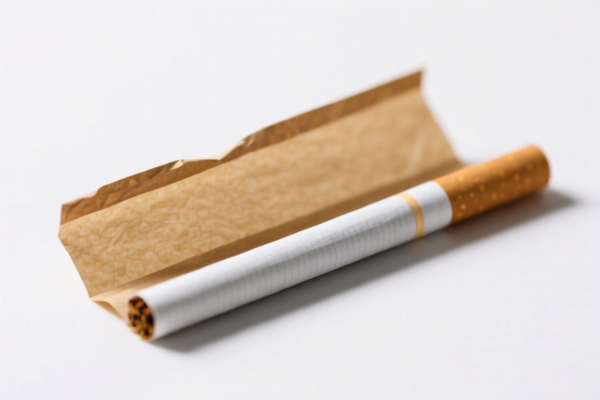

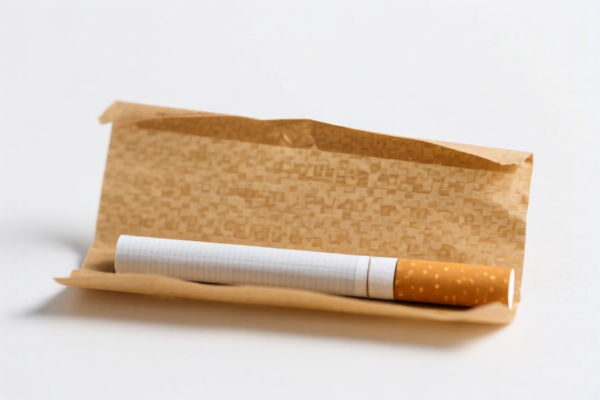
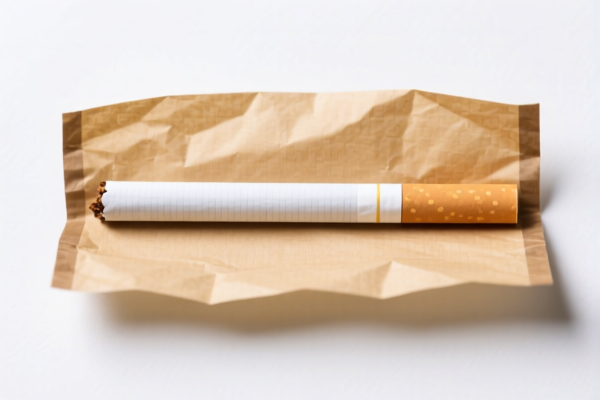
AI分析
📜 Odorless Paper Tube (Bobbins, Spools, Cops)
🌐 HS Code Reference & Customs Clearance Guide | 2026 Latest Tariff Analysis | Professional Clearance Strategy
📌 I. Product Definition & Classification: Do You Know "Odorless Paper Tubes"?
"Odorless Paper Tube" is a common commercial term, but in international trade customs classification, it refers to specific industrial supports used for winding materials. It is not a standalone HS Code description.
In the context of the provided data, these tubes fall under Chapter 48: Paper and Paperboard; Articles of Paper Pulp, of Paper or of Paperboard. Specifically, they are classified as Bobbins, spools, cops, and similar supports.
There are two primary classification paths depending on the intended use:
1. Textile Industry Use (Winding Yarn):
If the tube is specifically designed or used for winding textile yarn, it falls under heading 4822.10.
2. General/Other Use:
If the tube is used for other purposes (e.g., packaging cores, industrial winding of non-textile materials, or general storage) or does not fit the specific definition of textile yarn winding, it falls under heading 4822.90.
⚠️ Key Distinction Point:
- If the product is explicitly sold to textile mills for winding cotton, polyester, wool, etc., yarn → 4822.10.00.00
- If the product is used for general industrial wrapping, mailing tubes, or non-textile winding → 4822.90.00.00
📦 II. HS Code Classification Details (2026 Latest Tariff Authority Comparison)
| HS Code | Product Description | Applicable Scenario | Primary Function |
|---|---|---|---|
4822.10.00.00 |
Bobbins, spools, cops and similar supports... Of a kind used for winding textile yarn | Textile manufacturing, yarn production, fabric weaving preparation | Winding textile fibers/yarn |
4822.90.00.00 |
Bobbins, spools, cops and similar supports... Other | General packaging cores, industrial paper reels, non-textile winding, mailing tubes | General support/holding function |
🔍 Important Reminder:
- "Odorless" is a quality specification (likely referring to low volatile organic compounds), not a classification criterion. Customs classifies based on function and material, not smell. - Both codes fall under Chapter 48 (Paper/Paperboard). If the tube has a plastic core, it may be classified under Chapter 39, but based on the provided data, we assume pure paper pulp/paper construction. - The term "similar supports" covers various shapes (cylindrical, conical) as long as they are made of paper pulp/paper.
💰 III. 2026 Latest Tariff Rate Details (Including Additional Taxes)
✅ Applicable Country: United States (US)
✅ Origin: China (CN)
✅ Effective Date: Current tariffs apply (2025-2026 period)
🎯 1. 4822.10.00.00 —— Bobbins for Winding Textile Yarn
| Item | Content |
|---|---|
| Basic Tariff | 0.0% (Ad Valorem) |
| Section 301 Additional Tariff | +25.0% (From USITC Footnote 9903.88.01 or similar Chapter 48 footnote) |
| Total Tariff Rate | 25.0% |
| Tax Calculation | CIF Value × 25% |
| De Minimis Exemption | ❌ Not Applicable (Section 301 tariffs generally apply even to low-value shipments) |
| Legal Basis Path | HTSUS:4822.10.00.00 → USITC:Section 301 → Total:25% |
📌 Explanation:
- The Base Duty for this heading is 0%.
- However, due to Section 301 trade actions, an additional 25% duty is levied on Chinese-origin goods in this category.
- Total Effective Rate: 25%. This is a significant cost factor for textile supply chains.
🎯 2. 4822.90.00.00 —— Other Bobbins, Spools, etc.
| Item | Content |
|---|---|
| Basic Tariff | 0.0% (Ad Valorem) |
| Section 301 Additional Tariff | +25.0% (From USITC Footnote 9903.88.01 or similar Chapter 48 footnote) |
| Total Tariff Rate | 25.0% |
| Tax Calculation | CIF Value × 25% |
| De Minimis Exemption | ❌ Not Applicable |
| Legal Basis Path | HTSUS:4822.90.00.00 → USITC:Section 301 → Total:25% |
📌 Note:
- The tariff structure for "Other" supports is identical to "Textile Yarn" supports in terms of duty rates.
- Whether you import cores for toilet paper, mailing tubes, or industrial winding supports, the 25% additional tariff applies if originating from China.
- There is no base duty reduction for "Other" uses.
🛠️ IV. Customs Clearance Practical Advice (Avoiding Pitfalls)
✅ 1. Required Documentation Checklist
| Document | Must Provide | Explanation |
|---|---|---|
| ✅ Product Description | ✔️ | Must specify "Paper Tube" or "Paper Bobbin". Avoid vague terms like "Odorless Cylinder". |
| ✅ Material Composition | ✔️ | Specify % of paper pulp, paperboard, or recycled content. |
| ✅ Intended Use Statement | ✔️ | Critical for distinguishing between 4822.10 and 4822.90. E.g., "For winding cotton yarn in textile factory". |
| ✅ Commercial Invoice | ✔️ | Clearly state HS Code and country of origin. |
| ✅ Packing List | ✔️ | Include dimensions and weight of tubes. |
| ✅ Certification (if applicable) | ✔️ | If "Odorless" is a claimed feature, provide lab reports (VOC tests) to support marketing, though not required for HS classification. |
✅ 2. Declaration Tips (Key Mnemonics)
🔥 "Function Defines Code, Origin Defines Tax!"
| Scenario | Correct HS Code | Common Mistake | Consequence |
|---|---|---|---|
| Textile Yarn Bobbins | 4822.10.00.00 |
Reporting as 4822.90.00.00 |
No tariff difference here, but incorrect data entry may trigger audits. |
| Mailing Tubes / General Cores | 4822.90.00.00 |
Reporting as 4822.10.00.00 |
Customs may question the "textile" claim. |
| Non-Paper Tubes (Plastic Core) | ❌ Neither | Using 4822.xx |
Should be Chapter 39. Misclassification leads to penalties. |
| Wooden Tubes | ❌ Neither | Using 4822.xx |
Should be Chapter 44. |
Crucial Advice:
- Do not rely on the word "Odorless" in the HS Code description. Customs does not classify by odor.
- Clearly state "Used for winding textile yarn" if you want to be precise for4822.10.
- If used for general purposes, use "Other paper supports" for4822.90.
✅ 3. Special Cases & Mitigation
| Situation | Handling Advice |
|---|---|
| Low-Value Shipments (< $800) | ❌ Section 301 tariffs still apply. Do not assume de minimis exemption for Chinese goods under Section 301. |
| Mixed Shipments (Textile + Non-Textile) | ✅ Separate Lines: Declare textile bobbins on one line (4822.10) and general tubes on another (4822.90). This ensures accurate data tracking, even if the tax rate is the same. |
| Re-export to Third Country | ✅ Check FTAs: If the final destination is not the US, verify if the target country has different duties for paper supports. The 25% is specific to US imports from China. |
| Origin Labeling | ✅ Clear Marking: Ensure all tubes are marked "Made in China" to avoid origin fraud investigations. |
🌍 V. Global Market Comparison (2026 Latest)
| Country/Region | Recommended HS Code | Tariff (China Origin) | Notes |
|---|---|---|---|
| 🇺🇸 USA | 4822.10.00.00 / 4822.90.00.00 |
25% (Section 301) | High cost. No base duty. |
| 🇨🇳 China (Import) | 4822.10.00.00 / 4822.90.00.00 |
0% ~ 5% | Lower duties for imported paper products. |
| 🇪🇺 EU | 4822.10.00.00 / 4822.90.00.00 |
0% ~ 1.7% | Generally low tariffs. No Section 301 equivalent. |
| 🇬🇧 UK | 4822.10.00.00 / 4822.90.00.00 |
0% ~ 2% | Post-Brexit tariffs are generally favorable for paper goods. |
| 🇦🇺 Australia | 4822.10.00.00 / 4822.90.00.00 |
0% ~ 5% | Low tariffs under AUSFTA. |
📌 Conclusion:
- The US market is the most expensive for importing paper tubes/bobbins from China due to the 25% Section 301 tariff.
- EU, UK, and Australia offer significantly lower duty burdens. Consider supply chain adjustments if targeting high-volume US imports.
📌 VI. Common Errors & Pitfall Guide (Lessons Learned)
❌ Error 1: Classifying "Odorless Paper Tube" as 4811 (Paper for wrapping)
👉 Consequence: Incorrect classification. 4811 is for treated paper sheets, not formed tubes. May lead to audit.
❌ Error 2: Assuming "Low Value" = No Tariff
👉 Consequence: Section 301 taxes apply even to de minimis shipments from China. Unexpected costs at customs.
❌ Error 3: Mixing "Plastic Bobbins" with "Paper Tubes"
👉 Consequence: Plastic bobbins belong to Chapter 39 (3923.29/3926.90). Misclassification can lead to penalty for undervaluation or wrong duty.
✅ Correct Approach:
"Paper Tubes, 50mm Diameter, 100% Recycled Paperboard, Used for Winding Textile Yarn, Made in China"
🎯 VII. Conclusion: Professional Declaration, Cost Efficiency!
🎯 Remember:
🔹 "Odorless" is marketing, not customs!
🔹 "Textile Use" = 4822.10; "Other Use" = 4822.90.
🔹 "China Origin to US" = 25% Extra Tax. Always!
🔹 "No Base Duty" but "High Add-on Tax".
📌 Tips:
- If you are importing into the US, calculate the 25% tariff into your landed cost immediately.
- Consider origin diversification (e.g., Vietnam, Mexico) if volume is high, as Section 301 may not apply.
- Always provide clear functional descriptions to avoid customs delays.
📣 Immediate Action:
📞 Consult a licensed customs broker for pre-classification ruling if unsure.
🚀 Optimize your supply chain to handle the 25% tariff impact efficiently.
✨ Professional Clearance Starts with Accurate Classification!
💼 Every percentage point matters in global trade!
用户评价
关于 HS 编码归类
协调制度(HS)是由世界海关组织(WCO)制定的国际贸易商品分类标准。全球 200 多个国家采用 HS 系统作为海关关税、贸易统计和进出口监管的基础。
每个 HS 编码遵循以下层级结构:
- 章(2 位)——商品大类(例如:第 84 章:机器和机械设备)
- 品目(4 位)——章内的更具体分类
- 子目(6 位)——国际通用细分,所有 WCO 成员国统一使用
- 本国细分(8-10 位)——各国自行扩展的细分编码,如美国 HTSUS 10 位编码
正确的 HS 编码归类对于顺利通关、准确缴纳关税和遵守贸易法规至关重要。错误归类可能导致海关延误、多缴关税或罚款。
从CN进口到US时,适用的关税税率可能包括:
- 最惠国(MFN)税率——适用于 WTO 成员国的标准关税税率
- 普通税率——适用于无贸易协定国家
- 贸易救济关税——附加关税,如 301 条款(反倾销)、232 条款(国家安全)或反补贴税
本页内容仅供参考。如需正式归类,请咨询当地海关或持牌报关代理。