Oil Filler Cap
CN → US| HS编码 | 关税税率 | 原产国 | 目的国 | 文档 |
|---|---|---|---|---|
| 7326908688 | 87.9% | CN | US | 官方文档 |
| 8708295160 | 0.0% | CN | US | 官方文档 |
| 8708295110 | 0.0% | CN | US | 官方文档 |
| 7326190080 | 87.9% | CN | US | 官方文档 |
| 3923109000 | 38.0% | CN | US | 官方文档 |
商品图片
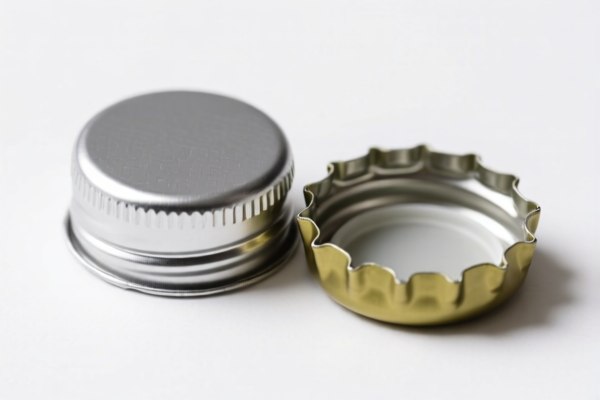
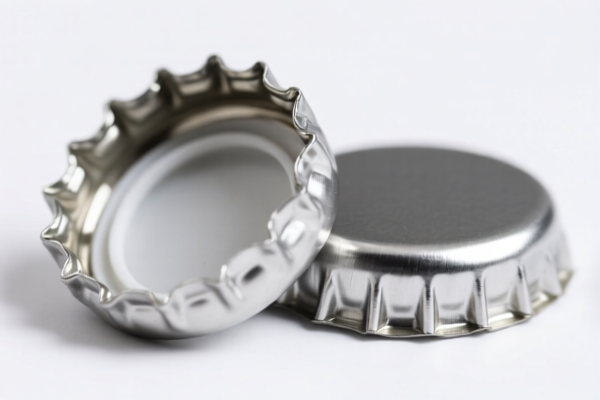
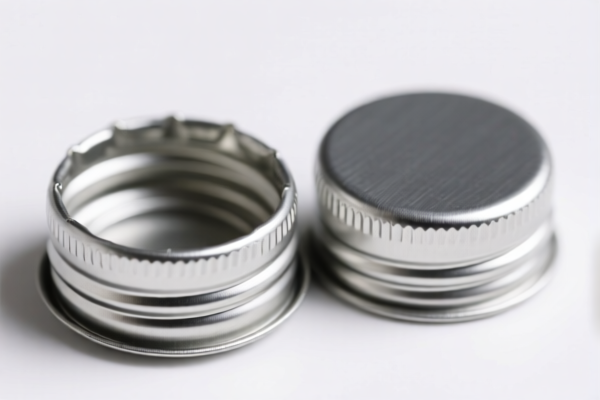
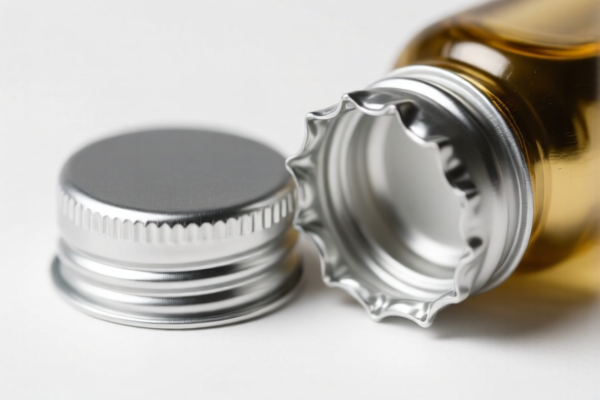
AI分析
🛢️ Oil Filler Cap (发动机机油加注口盖)
🌐 HS Code Reference & Customs Clearance Guide | 2026 Latest Tariff Analysis | Professional Clearance Strategy
📌 I. Product Definition & Classification: What Exactly is an "Oil Filler Cap"?
An Oil Filler Cap is a critical component used to seal the engine's oil fill port, preventing dust, debris, and contaminants from entering the lubrication system while maintaining proper pressure. In international trade, the classification of this seemingly simple part depends heavily on its material composition and functional context.
It is generally categorized into two main streams: 1. Metal Parts (Steel/Iron): If made of metal, it is often classified under general steel articles or specific automotive parts. 2. Plastic Parts: If made of plastic, it falls under plastic articles.
⚠️ Key Distinction Point:
- If the cap is made of Steel/Iron, it faces significantly higher tariffs (up to 87.9%) due to specific trade measures on steel products.
- If made of Plastic, the tariff burden is lower (e.g., 38.0% or 2.5%+35%), but requires precise description to avoid misclassification.
📦 II. HS Code Classification Details (2026 Latest Tariff Authority Comparison)
Based on the available data, here are the four most likely HS Codes for Oil Filler Caps, categorized by material and specific trade conditions.
| HS Code | Product Description | Material/Context | Total Tax Rate | Key Tariff Components |
|---|---|---|---|---|
| 7326.90.86.88 | Other articles of iron or steel | Steel/Iron | 87.9% | Base: 2.9%, Section 301: 25%, Sec 232 Steel: 50% |
| 8708.29.51.60 | Other parts and accessories of bodies | Metal or Plastic | 87.5% (2.5% + 85.0%) |
Base: 2.5%, Section 301: 25%, Sec 232 Steel: 50% |
| 8708.29.51.10 | Other parts and accessories of bodies | Metal/Plastic | 37.5% (2.5% + 35.0%) |
Base: 2.5%, Section 301: 25%, Sec 232: N/A |
| 7326.19.00.80 | Other articles of iron/steel | Steel/Iron | 87.9% | Base: 2.9%, Section 301: 25%, Sec 232 Steel: 50% |
| 3923.10.90.00 | Plastic stoppers, lids, caps | Plastic | 38.0% | Base: 3.0%, Section 301: 25%, Sec 232: N/A |
🔍 Critical Note:
- The Section 232 Tariff (50%) applies heavily to Steel/Iron products (HS Codes starting with 73). This is why steel caps carry the highest tax burden (87.9%).
- If the product is classified under Chapter 87 (Vehicle Parts), the Section 232 tariff may not apply if it is not deemed a "steel article" under that specific legal interpretation, leading to lower rates (e.g., 37.5%). However, some interpretations still link vehicle steel parts to Section 232, resulting in 87.5%.
- Plastic caps (HS 3923) avoid the steel-specific penalties but still face the standard Section 301 tariffs.
💰 III. 2026 Latest Tariff Rate Breakdown (Detailed Policy Analysis)
✅ Applicable Country: United States (US)
✅ Origin: China (CN)
✅ Effective Time: Current Trade War Policies (Section 301 & Section 232)
🎯 1. The "Steel Penalty" Cluster: 7326.90.86.88 & 7326.19.00.80
Product: Steel Oil Filler Cap
| Item | Detail |
|---|---|
| Base Tariff | 2.9% (Ad Valorem) |
| Section 301 Tariff | +25.0% (China-specific) |
| Section 232 Tariff | +50.0% (Steel/Aluminum/Copper Article Surcharge) |
| Total Effective Rate | 87.9% |
| Calculation | CIF Value × 87.9% |
| De Minimis Exemption | ❌ Not Eligible |
| Legal Path | HTSUS:7326.90.86.88 → USITC Footnote: Sec 232 Steel + IEEPA:301 |
📌 Explanation:
- These codes fall under Chapter 73 (Articles of Iron or Steel).
- The 50% Section 232 tariff is triggered because the product is explicitly identified as a "steel article."
- Combined with the standard 25% Section 301 tariff and 2.9% base rate, the total duty is nearly 90%, making steel caps extremely costly for US importers.
🎯 2. The "Vehicle Part" Cluster: 8708.29.51.60
Product: Vehicle Body Part (Oil Filler Cap)
| Item | Detail |
|---|---|
| Base Tariff | 2.5% |
| Section 301 Tariff | +25.0% |
| Section 232 Tariff | +50.0% (If deemed steel article) |
| Total Effective Rate | 87.5% |
| Calculation | CIF Value × 87.5% |
| Legal Path | HTSUS:8708.29.51.60 → USITC Footnote: Sec 232 + IEEPA:301 |
📌 Explanation:
- Although classified as a vehicle part, if the steel content triggers Section 232, the rate jumps to 87.5%.
- This highlights the risk of classifying steel vehicle parts under Chapter 87 without verifying Section 232 applicability.
🎯 3. The "Optimized Vehicle Part" Cluster: 8708.29.51.10
Product: Vehicle Body Part (Oil Filler Cap)
| Item | Detail |
|---|---|
| Base Tariff | 2.5% |
| Section 301 Tariff | +25.0% |
| Section 232 Tariff | 0% (Exempt or Not Applicable) |
| Total Effective Rate | 37.5% |
| Calculation | CIF Value × 37.5% |
| Legal Path | HTSUS:8708.29.51.10 → IEEPA:301 only |
📌 Explanation:
- This is a potential cost-saving classification if the product can be legally justified as a general vehicle accessory that does not trigger the Section 232 steel surcharge.
- 37.5% is significantly lower than 87.9%. Success depends on precise product description and legal argumentation.
🎯 4. The "Plastic Alternative" Cluster: 3923.10.90.00
Product: Plastic Oil Filler Cap
| Item | Detail |
|---|---|
| Base Tariff | 3.0% |
| Section 301 Tariff | +25.0% |
| Section 232 Tariff | 0% (Plastic is not steel) |
| Total Effective Rate | 38.0% |
| Calculation | CIF Value × 38.0% |
| Legal Path | HTSUS:3923.10.90.00 → IEEPA:301 |
📌 Explanation:
- Switching from steel to plastic materials can reduce the tax burden from 87.9% to 38.0%.
- This is a common supply chain adjustment to mitigate tariff risks.
🛠️ IV. Customs Clearance Practical Advice (Avoiding Pitfalls)
✅ 1. Documentation Checklist (Mandatory)
| Document | Required? | Notes |
|---|---|---|
| ✅ Product Specification | ✔️ | Must clearly state Material (e.g., "Steel," "Plastic," "Aluminum"). |
| ✅ Product Photos | ✔️ | Show the entire cap, including threads and seals. |
| ✅ Commercial Invoice | ✔️ | Must describe item as "Oil Filler Cap" and specify material. |
| ✅ Material Declaration | ✔️ | Explicitly state: "Made of Steel" or "Made of Plastic." |
| ✅ Origin Certificate | ✔️ | If applicable, for potential FTZ benefits (though limited for China origin). |
✅ 2. Classification Strategy (Key Tips)
🔥 "Material Defines Duty: Steel is Expensive, Plastic is Cheaper, Vehicle Parts Need Care."
| Scenario | Recommended HS Code | Risk Level | Reason |
|---|---|---|---|
| Steel Cap | 7326.90.86.88 |
🔴 High | Triggers 50% Section 232 steel tariff. Total ~88%. |
| Plastic Cap | 3923.10.90.00 |
🟢 Low | No steel tariff. Total ~38%. |
| Vehicle Part (Steel) | 8708.29.51.60 |
🔴 High | May still trigger Section 232 depending on interpretation. Total ~87.5%. |
| Vehicle Part (Optimized) | 8708.29.51.10 |
🟡 Medium | If Section 232 can be excluded, saves ~50%. Total ~37.5%. |
✅ 3. Special Handling Tips
| Situation | Recommendation |
|---|---|
| OEM Custom Caps | Provide technical drawings showing material composition. If mixed materials, declare the primary structural material. |
| Plastic with Metal Threads | If the cap is mostly plastic with a small metal insert, consider arguing for 3923.10.90.00 (Plastic) to avoid steel tariffs. Consult a customs broker! |
| Steel Caps | Be prepared for the 87.9% duty. Factor this into your pricing strategy. |
| Pre-Ruling | Apply for an Advance Ruling from US CBP to confirm if your specific product falls under the lower-tax 8708.29.51.10 or the higher-tax 7326 codes. |
🌍 V. Global Market Comparison (2026 Context)
| Market | Preferred HS Code | Est. Total Duty (China Origin) | Notes |
|---|---|---|---|
| 🇺🇸 USA | 3923.10.90.00 (Plastic) |
38.0% | Avoid steel codes if possible. |
| 🇺🇸 USA | 7326.90.86.88 (Steel) |
87.9% | Extremely high due to Sec 232. |
| 🇨🇳 China | 8708.29.51.60 |
~5-10% | Standard import duty, no US Section 301/232. |
| 🇪🇺 EU | 8708.29.90 |
~4-6% | No equivalent to US Sec 232/301. |
📌 Conclusion:
- The US market is the most challenging due to Section 232 (Steel) and Section 301 (China) tariffs.
- Plastic caps are the most cost-effective option for US exports.
- Steel caps face a near-doubling of cost due to tariffs.
📌 VI. Common Mistakes & Pitfalls (Blood Lessons)
❌ Mistake 1: Calling a steel cap "Vehicle Part" to avoid steel tariffs.
👉 Consequence: CBP may still apply Section 232 if it's classified as a steel article, leading to back duties + penalties.
❌ Mistake 2: Not declaring material in the invoice.
👉 Consequence: CBP will assign the highest possible tariff or hold the shipment for further inspection.
❌ Mistake 3: Assuming all plastic caps are the same.
👉 Consequence: If the cap has significant metal components, it might be classified as a metal article, triggering steel tariffs.
✅ Correct Approach:
"Oil Filler Cap, Plastic, Model XYZ, for Car Brand A, HS Code 3923.10.90.00, Value $1.00/unit."
🎯 VII. Conclusion: Strategic Sourcing & Compliance
🎯 Key Takeaway:
🔹 "Material Matters: Plastic Saves Money, Steel Costs Double."
🔹 "Section 232 is the Enemy of Steel Imports: Avoid or Prepare for 50% Extra."
🔹 "Verify Your HS Code: A small shift from 73xx to 39xx or 8708 can save 50% in duties."
📌 Pro Tip:
If you are importing steel oil filler caps from China to the US, consider:
1. Switching to Plastic alternatives if engineering allows.
2. Applying for an Advance Ruling to confirm if8708.29.51.10(37.5%) is applicable to your specific product.
3. Exploring supply chain diversification to non-China origins to avoid Section 301 tariffs.
📣 Immediate Action:
📞 Contact your customs broker with the material spec sheet.
🚀 Optimize your HS Code to minimize duty leakage.
💡 Your bottom line depends on this 2-digit code change.
✨ Professional Clearance Starts with Accurate Classification!
💼 Every percentage point in duty is profit lost!
用户评价
关于 HS 编码归类
协调制度(HS)是由世界海关组织(WCO)制定的国际贸易商品分类标准。全球 200 多个国家采用 HS 系统作为海关关税、贸易统计和进出口监管的基础。
每个 HS 编码遵循以下层级结构:
- 章(2 位)——商品大类(例如:第 84 章:机器和机械设备)
- 品目(4 位)——章内的更具体分类
- 子目(6 位)——国际通用细分,所有 WCO 成员国统一使用
- 本国细分(8-10 位)——各国自行扩展的细分编码,如美国 HTSUS 10 位编码
正确的 HS 编码归类对于顺利通关、准确缴纳关税和遵守贸易法规至关重要。错误归类可能导致海关延误、多缴关税或罚款。
从CN进口到US时,适用的关税税率可能包括:
- 最惠国(MFN)税率——适用于 WTO 成员国的标准关税税率
- 普通税率——适用于无贸易协定国家
- 贸易救济关税——附加关税,如 301 条款(反倾销)、232 条款(国家安全)或反补贴税
本页内容仅供参考。如需正式归类,请咨询当地海关或持牌报关代理。