Oil Fitting
CN → US| HS编码 | 关税税率 | 原产国 | 目的国 | 文档 |
|---|---|---|---|---|
| 3917400010 | 40.3% | CN | US | 官方文档 |
| 3926909987 | 22.8% | CN | US | 官方文档 |
| 3917400095 | 40.3% | CN | US | 官方文档 |
| 3926909989 | 22.8% | CN | US | 官方文档 |
| 8481909040 | 35.0% | CN | US | 官方文档 |
| 8481909085 | 85.0% | CN | US | 官方文档 |
商品图片
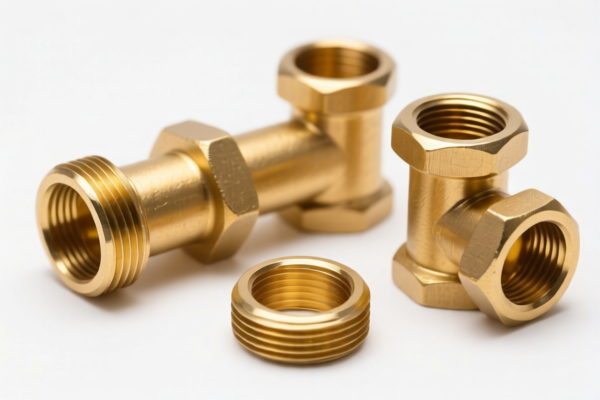
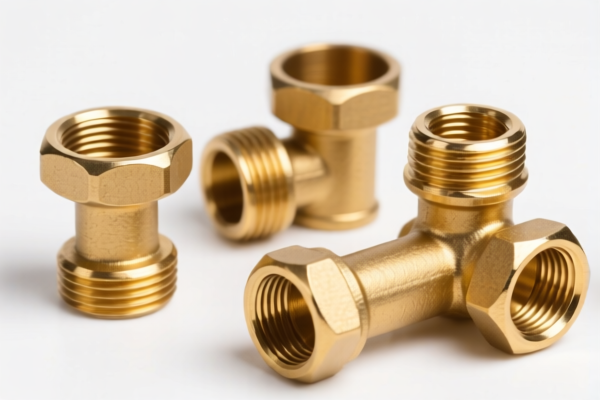
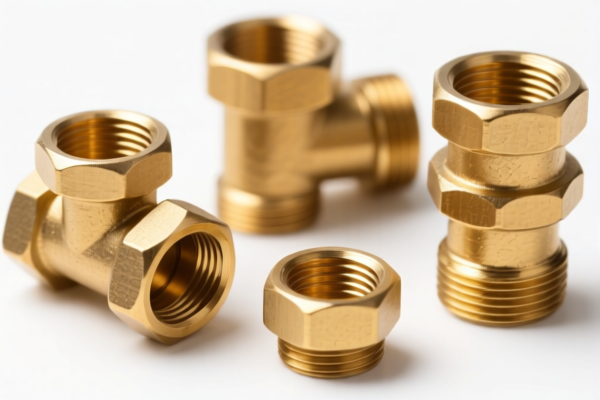
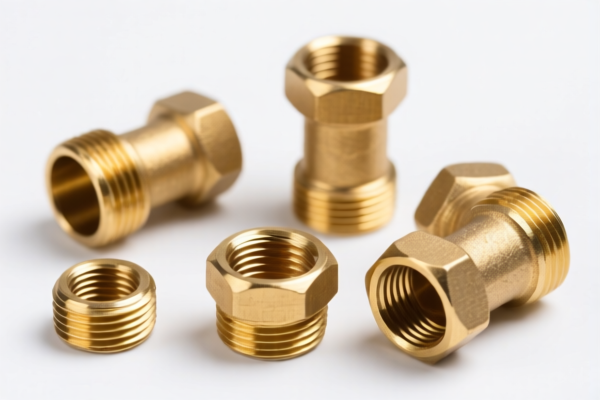
AI分析
🔌 Oil Fittings (Plastic Hose Connectors)
🌐 HS Code Reference & Customs Clearance Guide | 2026 Latest Tariff Analysis | Professional-Level Customs Strategy
📌 I. Product Definition & Classification: What Exactly Are "Plastic Oil Fittings"?
Oil fittings (specifically plastic hose connectors) are critical accessories in fluid power systems, used to connect oil pipes, hydraulic hoses, or fuel lines. In international trade, their classification depends heavily on material and function. Since the product is made of plastic, it generally falls under Chapter 39 (Plastics) or Chapter 84 (Machinery/Valves), but the presence of Section 301 Tariffs (US) and Section 122 Tariffs (US) drastically affects the final landed cost.
⚠️ Key Distinction Point:
- If classified as a Plastic Pipe/Tube Accessory → Chapter 39 (Higher Tariff Risk)
- If classified as a Valve/Regulator Part → Chapter 84 (Mixed Tariff Risk)
- Crucial: All options below include US Import Duties (Base + 301 + 122).
📦 II. HS Code Classification Details (2026 Latest Tariff Authorities)
Based on the provided data, there are 5 potential HS Codes for "Plastic Oil Fittings". Each has a different tax breakdown.
| HS Code | Product Description | Application Scenario | Total Tax Rate |
|---|---|---|---|
3917.40.00.10 |
Plastic oil pipe fittings, plastic material, joint form, for oil pipe管路 accessories | Dedicated plastic pipe joints | 40.3% |
3926.90.99.87 |
Plastic oil pipe fittings, direct match based on plastic material, joints as spare parts | General plastic parts/miscellaneous | 22.8% |
3917.40.00.95 |
Plastic oil pipe fittings, plastic material corresponding, pipe accessories | Other plastic tube accessories | 40.3% |
3926.90.99.89 |
Plastic oil pipe fittings, plastic material fits 3901-3914 range, joints as plastic product parts | Miscellaneous plastic articles | 22.8% |
8481.90.90.40 |
Plastic oil pipe fittings, parts of valves/piping devices, no conflict with plastic material | Parts of valves/pressure-regulating devices | 35.0% |
8481.90.90.85 |
Plastic oil pipe fittings, joints as parts of valves/similar devices | Other valve parts | 85.0% |
🔍 Key Insight:
- Lowest Tax (22.8%): Codes ending in .87 and .89 (Chapter 39, Miscellaneous Plastic Articles). These are often used if the fitting is not strictly a "pipe joint" but a general "plastic part."
- Highest Tax (85.0%): Code8481.90.90.85. This is extremely high due to specific steel/aluminum/copper surcharges mentioned in the data, though the product is plastic. Avoid this code unless explicitly required by customs for specific valve parts.
- Standard Pipe Joint (40.3%): Codes3917.40.00.10and.95. These are the most "logical" classifications for pipe fittings but carry a high 301 tariff.
💰 III. 2026 Latest Tariff Rate Breakdown (Including Surcharges & Policy Add-ons)
✅ Applicable Country: United States (US)
✅ Origin: China (CN)
✅ Effective Date: 2025/2026 (Based on current Section 301/122 policies)
🎯 1. The "Best Case" Scenario: Chapter 39 (Miscellaneous Plastic Articles)
HS Codes: 3926.90.99.87 & 3926.90.99.89
| Item | Content |
|---|---|
| Base Duty | 5.3% (ad valorem) |
| Section 301 Surcharge | +7.5% (Lower 301 bracket) |
| Section 122 Surcharge | +10% (Specific to certain Chinese imports) |
| Total Effective Rate | 22.8% |
| Calculation | CIF Value × 22.8% |
| Legal Basis | HTSUS 3926.90 + USITC Footnotes for Sec 301/122 |
📌 Explanation:
- These codes fall under "Other articles of plastics."
- They benefit from a lower Section 301 rate (7.5%) compared to pipe fittings.
- Strategy: If customs allows, classify as a general plastic part rather than a specific "pipe joint" to save significant taxes.
🎯 2. The "Standard Pipe Joint" Scenario: Chapter 39 (Plastic Pipes)
HS Codes: 3917.40.00.10 & 3917.40.00.95
| Item | Content |
|---|---|
| Base Duty | 5.3% |
| Section 301 Surcharge | +25.0% (High 301 bracket) |
| Section 122 Surcharge | +10% |
| Total Effective Rate | 40.3% |
| Calculation | CIF Value × 40.3% |
| Legal Basis | HTSUS 3917.40 + USITC Footnotes for Sec 301/122 |
📌 Explanation:
- Chapter 3917 is for "Trunks, pipes, and hoses and fittings thereof."
- Fittings here are subject to the maximum 301 tariff (25%).
- This is the most technically accurate classification for "Oil Pipe Fittings" but is expensive.
🎯 3. The "Valve Part" Scenario: Chapter 84 (Machinery/Valves)
HS Codes: 8481.90.90.40 & 8481.90.90.85
| Item | Content |
|---|---|
| Base Duty | 0.0% (For 8481.90.90.40) |
| Section 301 Surcharge | +25.0% |
| Section 122 Surcharge | +10% |
| Total Effective Rate | 35.0% (for .40) / 85.0% (for .85) |
| Note | Code .85 may include additional steel/aluminum surcharges (50%) if misclassified. |
📌 Explanation:
- Code .40 (35.0%): A middle ground. Base duty is 0%, but 301/122 still apply.
- Code .85 (85.0%): AVOID. The data indicates a potential "Steel/Aluminum/Copper 50% surcharge." Even though the product is plastic, if customs views it as a general valve part, they may apply the highest surcharge tier.
🛠️ IV. Customs Clearance Practical Advice (Battle-Tested Pitfall Guide)
✅ 1. Preparation Checklist (Non-negotiable)
| Document | Required | Description |
|---|---|---|
| ✅ Product Specification Sheet | ✔️ | Must clearly state: Material (Plastic Type), Usage (Oil/Hydraulic/Fuel), Connection Type. |
| ✅ Technical Drawing/CAD | ✔️ | To prove it is a "joint/fitting" and not a complex valve. |
| ✅ Product Photos | ✔️ | Clear shots of the item, including threads, connectors, and any material markings. |
| ✅ Commercial Invoice | ✔️ | Description should match HS Code logic. Use terms like "Plastic Hose Connector" or "Oil Pipe Joint." |
| ✅ Packing List | ✔️ | Ensure no mixed materials (e.g., don't ship with metal nuts if claiming pure plastic). |
✅ 2. Declaration Strategy (Key Mnemonics)
🔥 "Material First, Function Second, Avoid Chapter 84 Risk!"
| Scenario | Recommended HS Code | Tax Rate | Reason |
|---|---|---|---|
| Pure Plastic Fittings | 3926.90.99.87 / .89 |
22.8% | Lowest tax. Best for general plastic parts. |
| Dedicated Pipe Joints | 3917.40.00.10 / .95 |
40.3% | Technically accurate for pipes, but higher tax. |
| Valve Parts (Risk) | 8481.90.90.40 |
35.0% | 0% base duty, but 301/122 apply. Neutral option. |
| Valve Parts (High Risk) | 8481.90.90.85 |
85.0% | Avoid. High risk of misclassification surcharges. |
⚠️ Critical Warning:
- Do NOT use8481.90.90.85unless you are certain it is a specialized valve part AND customs accepts the lower surcharge. The data suggests an 85% rate, which is catastrophic.
- Prefer Chapter 39 codes (3917or3926) over Chapter 84 for plastic items to avoid "metallic part" assumptions.
✅ 3. Special Circumstances
| Situation | Handling Suggestion |
|---|---|
| Plastic + Metal Core | If the fitting has a metal insert, customs may classify it as "Plastic-Steel Composite," potentially triggering higher 301 rates or different chapters. Declare fully. |
| OEM/Custom Parts | Provide design files. If it’s a unique shape, 3926 (Miscellaneous Plastic) is safer than 3917 (Standard Pipe Fitting). |
| Hydraulic vs. Fuel | Both fall under "Oil Fittings." Ensure the invoice specifies "Hydraulic Oil" or "Fuel Oil" to match the intended use, but HS Code remains similar. |
🌍 V. Global Market Clearance Comparison (2026 Latest)
| Country/Region | Recommended HS Code | Tariff (China Origin) | Certification | Notes |
|---|---|---|---|---|
| 🇺🇸 USA | 3926.90.99.87 |
22.8% | None usually | Best Option. Low 301 rate. |
| 🇺🇸 USA | 3917.40.00.10 |
40.3% | None usually | High 301 rate. Use only if 3926 is rejected. |
| 🇨🇳 China | 3917.40.00.10 |
~5-7% | CCC (if applicable) | No 301/122. |
| 🇪🇺 EU | 3917.40.00 |
3.7% (approx) | CE (if pressure) | No Section 301. |
| 🇦🇺 Australia | 3917.40.00 |
5.0% | RCM (if electrical) | FTA possible. |
📌 Conclusion:
- US Market: The difference between 22.8% and 40.3% is massive. Always push for3926.90classification if the fitting can be described as a general plastic part rather than a specific pipe joint.
- EU/Asia: Tariffs are low and stable. Focus on technical compliance (pressure ratings, material safety).
📌 VI. Common Mistakes & Pitfalls (Lessons Learned)
❌ Mistake 1: Using 8481.90.90.85 for simple plastic elbows.
👉 Result: 85% Tax! Avoid at all costs.
❌ Mistake 2: Declaring "Oil Fitting" without specifying material.
👉 Result: Customs may assume metal (Chapter 73/84) and apply different duties. Always state "Plastic".
❌ Mistake 3: Mixing "Pipe Joint" logic with "Valve Part" logic.
👉 Result: If it’s a simple connector, it’s a pipe joint (3917). If it regulates flow, it’s a valve part (8481). Don’t mix them.
✅ Correct Practice:
"Plastic Hydraulic Hose Connector, Model XYZ, Material: Polyamide, For Oil Transmission, Not a Valve"
🎯 VII. Conclusion: Professional Declaration, Save Costs!
🎯 Remember the Mnemonic:
🔹 "Plastic Fittings: 3926 is King (22.8%), 3917 is Queen (40.3%), 8481 is Death (85%)!"
🔹 "HS Code Determines Survival, Tax Rate Determines Profit!"
📌 Pro Tip:
If you have high-volume shipments, apply for a Binding Tariff Information (BTI) or US Customs Ruling in advance. This locks in the
3926.90.99.87classification and protects you from audits.
📣 Immediate Action:
📞 Contact your freight forwarder + Provide Product Photos + Request
3926.90.99.87Classification
🚀 Let your plastic fittings clear customs smoothly, reduce costs, and boost margins!
✨ Professional Customs Clearance Starts with Accurate Classification!
💼 Every Cent Saved is Pure Profit!
用户评价
关于 HS 编码归类
协调制度(HS)是由世界海关组织(WCO)制定的国际贸易商品分类标准。全球 200 多个国家采用 HS 系统作为海关关税、贸易统计和进出口监管的基础。
每个 HS 编码遵循以下层级结构:
- 章(2 位)——商品大类(例如:第 84 章:机器和机械设备)
- 品目(4 位)——章内的更具体分类
- 子目(6 位)——国际通用细分,所有 WCO 成员国统一使用
- 本国细分(8-10 位)——各国自行扩展的细分编码,如美国 HTSUS 10 位编码
正确的 HS 编码归类对于顺利通关、准确缴纳关税和遵守贸易法规至关重要。错误归类可能导致海关延误、多缴关税或罚款。
从CN进口到US时,适用的关税税率可能包括:
- 最惠国(MFN)税率——适用于 WTO 成员国的标准关税税率
- 普通税率——适用于无贸易协定国家
- 贸易救济关税——附加关税,如 301 条款(反倾销)、232 条款(国家安全)或反补贴税
本页内容仅供参考。如需正式归类,请咨询当地海关或持牌报关代理。