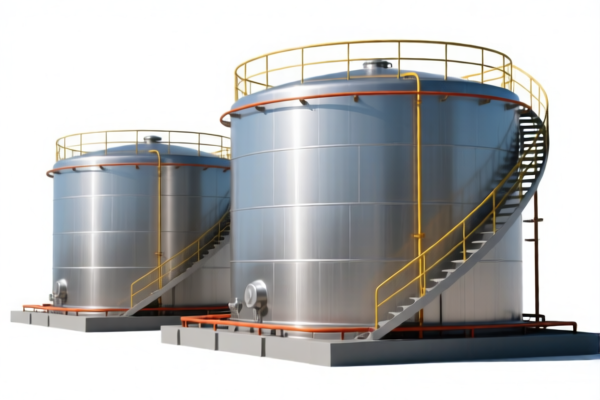
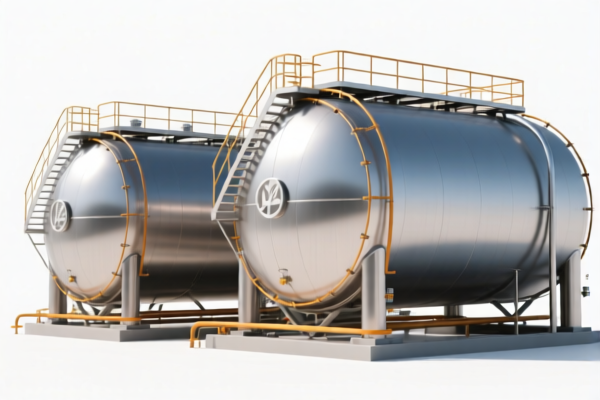
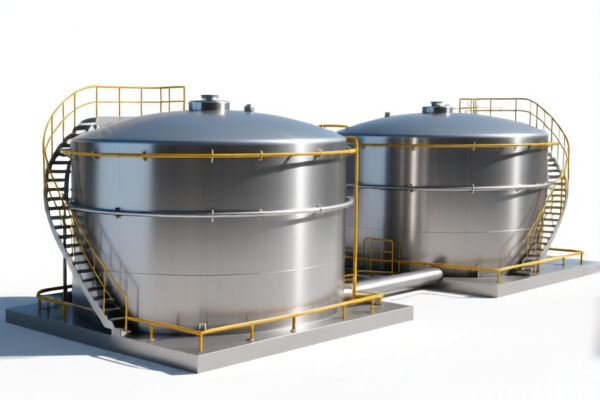
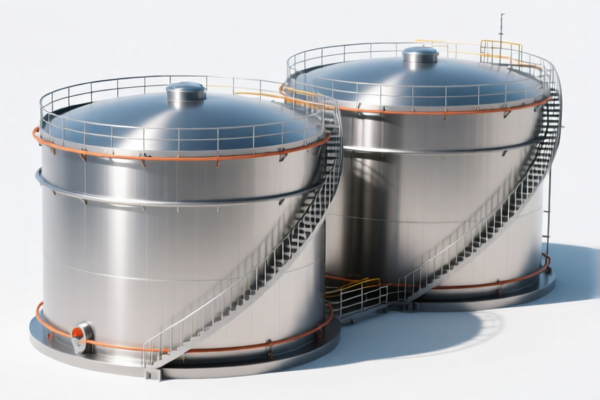
Oil Storage Tank
CN → US| HS编码 | 关税税率 | 原产国 | 目的国 | 文档 |
|---|---|---|---|---|
| 3925100000 | 41.3% | CN | US | 官方文档 |
| 7309000030 | 85.0% | CN | US | 官方文档 |
| 7309000090 | 85.0% | CN | US | 官方文档 |
| 7304598055 | 35.0% | CN | US | 官方文档 |
| 7612901060 | 40.7% | CN | US | 官方文档 |
商品图片
AI分析
🛢️ Oil Storage Tanks: The Ultimate HS Code & Customs Clearance Guide
🌐 HS Code Classification & Tariff Analysis | 2026 Latest Tariff Structure | Professional Customs Strategy
📌 1. Product Definition & Classification: What Exactly is an "Oil Storage Tank"?
An Oil Storage Tank is a large-scale industrial vessel designed for the bulk storage of crude oil, refined petroleum products, or chemical solvents. In international trade, the Harmonized System (HS) classifies these goods strictly by material and structural form, not just by function.
Key Classification Criteria: * Material: Is it plastic (polyethylene/PVC), iron/steel, or aluminum? * Form: Is it a prefabricated container, a pressure vessel, or a simple pipe/tube structure? * Usage: Is it explicitly for "storing materials" or is it a general "storage tank"?
⚠️ Critical Distinction:
- Plastic Tanks: Often classified under Chapter 39 (Plastics). Lower tariffs generally apply.
- Iron/Steel Tanks: Classified under Chapter 73. High tariffs apply due to Section 301 and Section 232/122 measures.
- Aluminum Tanks: Classified under Chapter 76. Moderate to high tariffs apply.
📦 2. HS Code Classification Matrix (2026 Latest Tariff Data)
Based on the provided data, here are the precise HS codes, summaries, and tax implications for Oil Storage Tanks.
| HS Code | Material / Structure | Summary & Deduction Logic | Total Tax Rate |
|---|---|---|---|
| 3925.10.00.00 | Plastic | Match: Form (Tank) + Use (Oil Storage) → Inferred Material: Plastic Typical for polyethylene or PVC storage drums. |
41.3% |
| 7309.00.00.30 | Iron/Steel | Match: Form (Tank) + Use (Material Storage Container) → Inferred Material: Iron/Steel General storage containers made of ferrous metal. |
85.0% |
| 7309.00.00.90 | Iron/Steel | Match: Form (Tank) + Use (Tank/Container/Like Vessels) → Inferred Material: Iron/Steel Generic steel tanks without specific sub-heading. |
85.0% |
| 7304.59.80.55 | Iron/Steel | Inferred: Material: Iron/Steel. Form: Metal Pressure Vessel or pipe-related attribute. Often used for pressurized oil transport/storage tubes. |
35.0% |
| 7612.90.10.60 | Aluminum | Match: Explicit Metal Material (Aluminum) + Form (Oil Tank) + Use (Metal Container). Aluminum drums or tanks. |
40.7% |
🔍 Key Insight:
- The material is the primary driver of the HS code.
- Iron/Steel tanks (7309) face the highest tariffs (85.0%) due to specific anti-dumping and Section 301/122 duties.
- Plastic tanks (3925) offer the lowest tariff among major materials (41.3%), though still subject to additional duties.
💰 3. Detailed Tariff Breakdown (2026)
✅ Applicable Country: USA (US)
✅ Origin: China (CN)
✅ Effective Date: Current tariff schedule includes Section 301 and Section 122 duties.
🎯 A. Plastic Tanks: 3925.10.00.00
| Item | Details |
|---|---|
| Base Tariff | 6.3% |
| Section 301 Surcharge | +25.0% |
| Section 122 Surcharge | +10.0% |
| Total Effective Rate | 41.3% |
| Calculation Basis | CIF Value × 41.3% |
| De Minimis Exemption | ❌ Not Eligible (Subject to high combined duties) |
| Legal Path | Base Tariff → Section 301 → Section 122 |
📌 Explanation:
- Plastic storage tanks are subject to the standard 6.3% MFN rate.
- However, due to ongoing trade tensions, Section 301 (25%) and Section 122 (10%) tariffs are applied, resulting in a 41.3% total duty.
- Strategy: If the tank is made of non-Chinese plastic (e.g., imported raw materials processed in Vietnam/Mexico), you may avoid these surcharges.
🎯 B. Iron/Steel Tanks: 7309.00.00.30 & 7309.00.00.90
| Item | Details |
|---|---|
| Base Tariff | 0.0% |
| Section 301 Surcharge | +25.0% |
| Section 122 Surcharge | +10.0% |
| Steel/Aluminum/Copper Surcharge | +50.0% |
| Total Effective Rate | 85.0% |
| Calculation Basis | CIF Value × 85.0% |
| De Minimis Exemption | ❌ Not Eligible |
| Legal Path | Base Tariff → Section 301 → Section 122 → Steel Surcharge |
📌 Explanation:
- Iron/Steel tanks have a 0% base tariff, but they are hit by four layers of duties:
1. 0% Base
2. 25% Section 301
3. 10% Section 122
4. 50% Specific surcharge on Steel, Aluminum, and Copper products (often linked to Section 232 or related executive orders).
- Total: 85.0%. This is a prohibitive tariff.
- Strategy: Avoid importing steel tanks directly from China unless the duty cost is absorbed or offset by other benefits. Consider aluminum or plastic alternatives.
🎯 C. Aluminum Tanks: 7612.90.10.60
| Item | Details |
|---|---|
| Base Tariff | 5.7% |
| Section 301 Surcharge | +25.0% |
| Section 122 Surcharge | +10.0% |
| Total Effective Rate | 40.7% |
| Calculation Basis | CIF Value × 40.7% |
| De Minimis Exemption | ❌ Not Eligible |
| Legal Path | Base Tariff → Section 301 → Section 122 |
📌 Explanation:
- Aluminum tanks are slightly cheaper than steel at 40.7% total duty.
- Note: While steel has a +50% surcharge, aluminum also often falls under similar metallic surcharges, but the base rate and calculation may differ slightly. In this specific data set, aluminum is listed at 40.7%, which is significantly lower than steel’s 85.0%.
🎯 D. Pressure Vessels/Pipes: 7304.59.80.55
| Item | Details |
|---|---|
| Base Tariff | 0.0% |
| Section 301 Surcharge | +25.0% |
| Section 122 Surcharge | +10.0% |
| Total Effective Rate | 35.0% |
| Calculation Basis | CIF Value × 35.0% |
| De Minimis Exemption | ❌ Not Eligible |
| Legal Path | Base Tariff → Section 301 → Section 122 |
📌 Explanation:
- If the "tank" is classified as a pressure vessel or pipe-related structure (Chapter 73, Heading 7304), it benefits from a 0% base tariff.
- However, it still incurs 25% (Section 301) and 10% (Section 122).
- Total: 35.0%. This is the lowest duty for steel-based products.
- Strategy: If your product can be technically described as a "pressure vessel" or "pipe system" rather than a "storage tank," you may qualify for this lower rate.
🛠️ 4. Customs Clearance Recommendations (Practical Guide)
✅ 1. Documentation Checklist (Mandatory)
| Document | Requirement | Purpose |
|---|---|---|
| Product Specification Sheet | ✔️ Required | Must specify material (Plastic/Steel/Aluminum), capacity, and pressure rating. |
| Material Certificate | ✔️ Required | Proof of material composition (e.g., PE100 for plastic, ASTM A36 for steel). |
| Manufacturer Declaration | ✔️ Required | Confirm origin and manufacturing process. |
| Commercial Invoice | ✔️ Required | Must clearly state "Oil Storage Tank" and HS Code. |
| Packing List | ✔️ Required | Detail dimensions, weight, and packaging. |
| Third-Party Inspection Report | ⚠️ Recommended | For steel tanks, prove quality and compliance with safety standards (e.g., ASME, API). |
✅ 2. HS Code Selection Strategy (Critical!)
🔥 Rule of Thumb:
"Material Dictates Duty; Form Determines Code; Avoid Steel if Possible!"
| Scenario | Recommended HS Code | Why? |
|---|---|---|
| Budget-Conscious | 3925.10.00.00 (Plastic) |
Lowest duty among plastic/steel/aluminum options (41.3%). |
| High-Pressure Needs | 7304.59.80.55 (Pressure Vessel) |
Lowest duty for steel (35.0%) if technically classified as a vessel/pipe. |
| General Storage (Steel) | 7309.00.00.30 / .90 |
AVOID if possible. Highest duty (85.0%). |
| Lightweight/Corrosion-Resistant | 7612.90.10.60 (Aluminum) |
Moderate duty (40.7%), better than steel. |
✅ 3. Customs Clearance Pitfalls
| Mistake | Consequence | Solution |
|---|---|---|
| Misdeclaring Material | Duty underpayment → Penalties + Back Taxes | Provide accurate material certificates. |
| Calling it "Container" vaguely | Incorrect HS code → 85% duty | Be specific: "Plastic Oil Storage Tank" or "Steel Pressure Vessel". |
| Ignoring Section 122 | Unexpected 10% duty | Ensure commercial invoice includes all applicable tariffs. |
| Failing to Declare Origin | Loss of potential exemptions | If using non-Chinese materials, declare accurately to avoid Section 301/122. |
✅ 4. Special Considerations
- OEM/Custom Tanks: Provide detailed drawings to prove if the product is a "tank" (Ch 73/39) or a "pressure vessel" (Ch 7304).
- Aluminum vs. Steel: Aluminum tanks are 40.7% vs. Steel tanks at 85.0%. For oil storage, aluminum offers a significant cost advantage in duties.
- Plastic Tanks: Ensure the plastic is not restricted (e.g., certain PVC types). HDPE/PP are standard and safe.
🌍 5. Global Market Comparison (2026)
| Country/Region | Recommended HS Code | Duty Rate (China Origin) | Certification Required |
|---|---|---|---|
| 🇺🇸 USA | 3925.10.00.00 (Plastic) |
41.3% | None specific |
| 🇺🇸 USA | 7309.00.00.30 (Steel) |
85.0% | ASME/API (if pressure) |
| 🇺🇸 USA | 7612.90.10.60 (Aluminum) |
40.7% | None specific |
| 🇨🇳 China | 3925.10.00.00 |
~6% (MFN) | None |
| 🇺🇸 USA | 7304.59.80.55 (Vessel) |
35.0% | ASME/API |
📌 Conclusion:
- USA imposes heavy tariffs on Chinese oil storage tanks.
- Plastic (3925) and Aluminum (7612) are the most cost-effective.
- Steel (7309) is the most expensive due to layered duties.
- Pressure Vessels (7304) offer a loophole for steel users (35.0%).
📌 6. Common Errors & Prevention
❌ Error 1: Declaring a Steel Tank as a Plastic Container
👉 Consequence: Fraud investigation, heavy fines, and seizure.
✅ Fix: Accurate material declaration.
❌ Error 2: Using "Storage Container" without specifying material
👉 Consequence: Customs may assign the highest default rate (85%).
✅ Fix: Clearly state "Polyethylene Oil Storage Tank" or "Steel Oil Tank".
❌ Error 3: Ignoring Section 122 Tariffs
👉 Consequence: Underpayment by 10%.
✅ Fix: Always check for Section 122 applicability.
❌ Error 4: Misclassifying Pressure Vessels as General Tanks
👉 Consequence: Paying 85% instead of 35%.
✅ Fix: Provide engineering drawings to prove pressure vessel status.
🎯 7. Final Advice: Optimize Your Clearance Strategy
🎯 Action Plan: 1. Evaluate Material: If you can switch from Steel to Plastic or Aluminum, save 44-50% in duties. 2. Re-evaluate Form: If the product is a Pressure Vessel, classify under 7304 to reduce duty from 85% to 35%. 3. Source Strategically: Consider sourcing materials from non-China origins to avoid Section 301/122 duties. 4. Pre-Ruling: Apply for an Advance Ruling from US Customs (CBP) to confirm the HS code and duty rate before shipment.
📞 Contact a Professional Customs Broker:
- Provide Product Specifications
- Confirm HS Code Classification
- Calculate Total Landed Cost
✨ Professional Clearance Starts with Precise Classification!
💼 Save Every Dollar, Ensure Compliance, Accelerate Clearance!
用户评价
关于 HS 编码归类
协调制度(HS)是由世界海关组织(WCO)制定的国际贸易商品分类标准。全球 200 多个国家采用 HS 系统作为海关关税、贸易统计和进出口监管的基础。
每个 HS 编码遵循以下层级结构:
- 章(2 位)——商品大类(例如:第 84 章:机器和机械设备)
- 品目(4 位)——章内的更具体分类
- 子目(6 位)——国际通用细分,所有 WCO 成员国统一使用
- 本国细分(8-10 位)——各国自行扩展的细分编码,如美国 HTSUS 10 位编码
正确的 HS 编码归类对于顺利通关、准确缴纳关税和遵守贸易法规至关重要。错误归类可能导致海关延误、多缴关税或罚款。
从CN进口到US时,适用的关税税率可能包括:
- 最惠国(MFN)税率——适用于 WTO 成员国的标准关税税率
- 普通税率——适用于无贸易协定国家
- 贸易救济关税——附加关税,如 301 条款(反倾销)、232 条款(国家安全)或反补贴税
本页内容仅供参考。如需正式归类,请咨询当地海关或持牌报关代理。