Other Musical Instruments
CN → US| HS编码 | 关税税率 | 原产国 | 目的国 | 文档 |
|---|---|---|---|---|
| 9205904080 | 22.4% | CN | US | 官方文档 |
| 9202904000 | 26.2% | CN | US | 官方文档 |
| 9207100065 | 22.9% | CN | US | 官方文档 |
| 9202902000 | 14.5% | CN | US | 官方文档 |
| 9205901800 | 12.6% | CN | US | 官方文档 |
商品图片
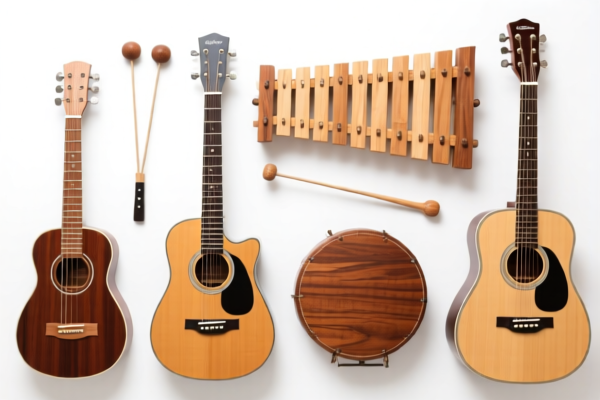
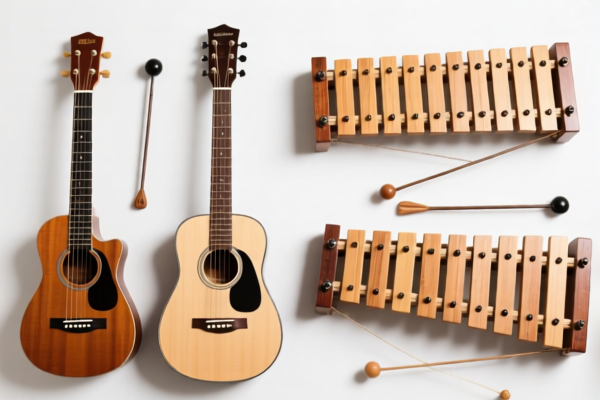
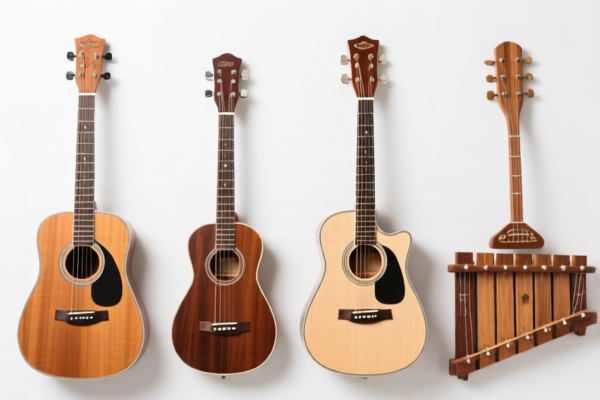
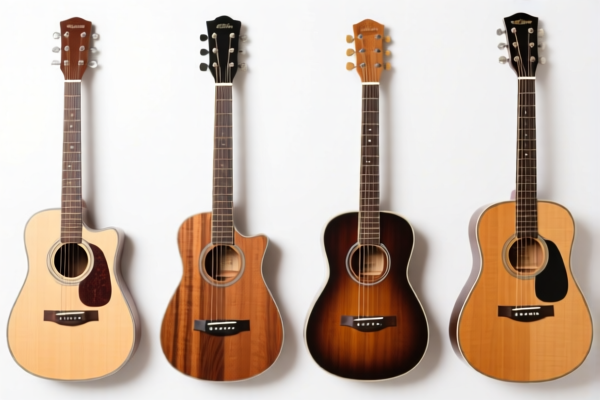
AI分析
🎸 Other Musical Instruments (Broad Category)
🌐 HS Code Reference & Customs Clearance Guide | 2026 Latest Tariff Analysis | Strategic Classification for "Other Instruments"
📌 1. Product Definition & Classification: What Does "Other Musical Instruments" Really Mean?
In international trade, "Other Musical Instruments" is not a single product but a catch-all category under Chapter 92 of the Harmonized System. It primarily refers to instruments that do not fit neatly into the major categories of string (e.g., guitars, violins), wind (e.g., flutes, trumpets), or percussion (e.g., drums, pianos) instruments. This includes:
- Electronic/MIDI Controllers: Keyboards without sound generators, synthesizers, digital controllers.
- Niche Traditional Instruments: Harpsichords, accordions, autoharps, or modern electronic wind instruments.
- Incomplete or Generic Instruments: Instruments described vaguely as "other" or specific types not explicitly listed in headings 9201–9204.
⚠️ Key Classification Challenge:
- If the instrument is primarily stringed but not a guitar/violin/etc., it may fall under 9202.90.
- If it is primarily wind/air-driven but not a standard flute/clarinet, it may fall under 9205.90.
- If it is electronic or ambiguous, it might fall under 9207.10.
- Misclassification Risk: Labeling a complex instrument as "Other" to avoid higher tariffs is illegal and leads to severe penalties.
📦 2. HS Code Breakdown & Tariff Analysis (Based on Provided Data)
Based on the provided data, here are the specific HS codes for "Other Musical Instruments" with their associated tax rates and detailed explanations.
| HS Code | Summary / Description | Total Tax Rate | Tax Breakdown (China Origin to US) | Key Notes |
|---|---|---|---|---|
| 9202.90.20.00 | Other Stringed Instruments | 14.5% | Base: 4.5% Section 301: 0.0% Section 122: 10% |
Lowest Tax Option among strings. Suitable for niche stringed instruments not covered in 9201/9202 main lines. |
| 9205.90.18.00 | Other Wind Instruments | 12.6% | Base: 2.6% Section 301: 0.0% Section 122: 10% |
Lowest Tax Option overall. For wind instruments not listed in 9203/9204. |
| 9207.10.00.65 | Other Musical Instruments (General/Broad) | 22.9% | Base: 5.4% Section 301: 7.5% Section 122: 10% |
Broad Category. Often used for electronic instruments or generic descriptions. High Section 301 tax. |
| 9205.90.40.80 | Other Musical Instruments (Wind/Uppercase Concept) | 22.4% | Base: 4.9% Section 301: 7.5% Section 122: 10% |
Higher Tax than 9205.90.18.00. Likely applies to more complex or specific wind instruments. |
| 9202.90.40.00 | Other Stringed Instruments (Uppercase Concept) | 26.2% | Base: 8.7% Section 301: 7.5% Section 122: 10% |
Highest Tax. Applies to broader or less specific stringed instrument categories. |
🔍 Critical Observation:
- Section 301 Tariff (7.5%): Applies to most HS codes except 9202.90.20.00 and 9205.90.18.00, which have 0% Section 301. This is a significant cost-saving opportunity. - Section 122 Tariff (10%): Applies universally to all listed codes. - Base Tariff: Varies from 2.6% to 8.7% depending on the specific sub-category.
💰 3. Detailed Tax Structure Explanation
🎯 1. Low-Tax Stringed Instruments: 9202.90.20.00
- Total Rate: 14.5%
- Breakdown:
- Base Duty: 4.5%
- Section 301 (Trade War): 0.0% (Exempted or excluded)
- Section 122 (Retaliatory/Other): 10.0%
- Why? This code is for "other stringed instruments" that are not pianos, guitars, violins, etc. It benefits from a 0% Section 301 exemption, making it the most cost-effective for stringed items.
🎯 2. Low-Tax Wind Instruments: 9205.90.18.00
- Total Rate: 12.6%
- Breakdown:
- Base Duty: 2.6%
- Section 301 (Trade War): 0.0% (Exempted or excluded)
- Section 122 (Retaliatory/Other): 10.0%
- Why? This is the lowest total tax rate in the dataset. Ideal for niche wind instruments (e.g., theremins, electronic wind instruments not classified as 9207).
🎯 3. Broad/General Instruments: 9207.10.00.65
- Total Rate: 22.9%
- Breakdown:
- Base Duty: 5.4%
- Section 301 (Trade War): 7.5%
- Section 122 (Retaliatory/Other): 10.0%
- Why? Often used for electronic keyboards, synthesizers, or generic "other instruments." The 7.5% Section 301 tax significantly increases the cost.
🎯 4. General Wind Instruments: 9205.90.40.80
- Total Rate: 22.4%
- Breakdown:
- Base Duty: 4.9%
- Section 301 (Trade War): 7.5%
- Section 122 (Retaliatory/Other): 10.0%
- Why? Similar to 9207, but for wind instruments. The high Section 301 tax makes it less favorable than
9205.90.18.00.
🎯 5. General Stringed Instruments: 9202.90.40.00
- Total Rate: 26.2%
- Breakdown:
- Base Duty: 8.7%
- Section 301 (Trade War): 7.5%
- Section 122 (Retaliatory/Other): 10.0%
- Why? The highest base duty (8.7%) and full Section 301 tax make this the least cost-effective option for stringed instruments.
🛠️ 4. Customs Clearance Strategy & Advice
✅ 1. Preparation Checklist
| Document | Required? | Purpose |
|---|---|---|
| Product Specification Sheet | ✅ Yes | Must clearly describe the instrument type (string, wind, electronic). |
| Photos (Clear & Detailed) | ✅ Yes | Show unique features to justify HS code selection. |
| Function Description | ✅ Yes | Explain how it produces sound (e.g., "plucked," "blown," "electronic"). |
| Commercial Invoice | ✅ Yes | Describe the product accurately (e.g., "Electronic Wind Instrument," not just "Musical Instrument"). |
| Packing List | ✅ Yes | Ensure weight/dimensions match. |
| Origin Certificate | ✅ Yes | Proof of Chinese origin for Section 301/122 calculation. |
✅ 2. Classification Strategy (Avoiding Penalties)
🔥 Golden Rule: "Be Specific, Not Generic."
| Scenario | Recommended HS Code | Reason |
|---|---|---|
| Niche String Instrument (e.g., Harp, Lyre, Autoharp) | 9202.90.20.00 |
Lowest tax (14.5%). Avoid 9202.90.40.00 (26.2%). |
| Niche Wind Instrument (e.g., Harmonica, Accordion, Theremin) | 9205.90.18.00 |
Lowest tax (12.6%). Avoid 9205.90.40.80 (22.4%). |
| Electronic Keyboard/Synthesizer | 9207.10.00.65 |
Typically classified here. Expect 22.9% total tax. |
| Generic/Undefined Instrument | Risky | If you use "Other" without justification, customs may reclassify to a higher tax code. |
✅ 3. Cost-Saving Tips
-
Leverage 0% Section 301 Codes:
- If your instrument can be classified as 9202.90.20.00 (String) or 9205.90.18.00 (Wind), you save 7.5% in Section 301 tariffs. This is a huge advantage.
- Action: Work with your manufacturer to ensure the product description aligns with these specific subheadings if possible. For example, if it's a stringed instrument, emphasize its stringed nature.
-
Avoid Broad Descriptions:
- Do NOT use "Other Musical Instrument" as the sole description. Customs requires specificity. Use "Electric Guitar," "Digital Piano," "Woodwind Instrument," etc., depending on the actual product.
-
Pre-Ruling Application:
- Apply for an Advance Ruling from U.S. Customs and Border Protection (CBP) if the classification is ambiguous. This provides legal certainty and prevents future penalties.
-
Documentation Consistency:
- Ensure the HS Code on the commercial invoice matches the packing list and the actual product. Discrepancies trigger audits.
🌍 5. Global Market Comparison (2026)
| Region | Typical HS Code for "Other Instruments" | Estimated Duty | Notes |
|---|---|---|---|
| 🇺🇸 USA | See Table Above (9202/9205/9207) | 12.6% - 26.2% | High due to Section 122 (10%) + Section 301 (0-7.5%). Strategy: Use low-Section 301 codes. |
| 🇨🇳 China | Similar (9202/9205/9207) | ~5-8% | No Section 301/122. Lower base duties. |
| 🇪🇺 EU | 9202/9205/9207 | ~0-4% | No Section 301/122. Favorable for exports to Europe. |
| 🇬🇧 UK | 9202/9205/9207 | ~0-5% | Post-Brexit tariffs may vary, but generally lower than US. |
📌 Conclusion:
The US market is the most expensive due to additional tariffs (Section 301 and 122).
Key Strategy: Classify under 9202.90.20.00 or 9205.90.18.00 to minimize costs.
📌 6. Common Mistakes & Pitfalls
❌ Mistake 1: Using "Other Musical Instrument" without specificity.
👉 Result: Customs may assign a higher tax code (e.g., 26.2%) or delay shipment for inspection.
❌ Mistake 2: Misclassifying a Stringed Instrument as Wind (or vice versa) to avoid tax.
👉 Result: Penalties, back-taxes, and potential seizure of goods.
❌ Mistake 3: Ignoring Section 122 Tariff (10%).
👉 Result: Underestimating total landed cost. This 10% is unavoidable for all listed codes.
❌ Mistake 4: Not providing product photos.
👉 Result: Customs cannot verify classification, leading to delays.
✅ Correct Approach:
"Electronic Harp, Stringed Instrument, Model XYZ, FCC Certified" → Classify under
9202.90.20.00(14.5%).
🎯 7. Final Recommendation
🎯 For Exporters to the USA: 1. Prioritize Classification: If your instrument is stringed, push for 9202.90.20.00. If wind, push for 9205.90.18.00. Both have 0% Section 301. 2. Document Everything: Clear specs, photos, and function descriptions are mandatory. 3. Consult a Customs Broker: For ambiguous products, get a pre-ruling to avoid surprises.
💡 Pro Tip:
12.6% vs. 26.2% – That’s a 13.6% difference on the CIF value. For a $100,000 shipment, that’s a $13,600 savings.
Classification is not just paperwork; it’s profit optimization!
✨ Accurate Classification = Lower Costs + Faster Clearance
💼 Don’t let vague descriptions cost you money!
用户评价
关于 HS 编码归类
协调制度(HS)是由世界海关组织(WCO)制定的国际贸易商品分类标准。全球 200 多个国家采用 HS 系统作为海关关税、贸易统计和进出口监管的基础。
每个 HS 编码遵循以下层级结构:
- 章(2 位)——商品大类(例如:第 84 章:机器和机械设备)
- 品目(4 位)——章内的更具体分类
- 子目(6 位)——国际通用细分,所有 WCO 成员国统一使用
- 本国细分(8-10 位)——各国自行扩展的细分编码,如美国 HTSUS 10 位编码
正确的 HS 编码归类对于顺利通关、准确缴纳关税和遵守贸易法规至关重要。错误归类可能导致海关延误、多缴关税或罚款。
从CN进口到US时,适用的关税税率可能包括:
- 最惠国(MFN)税率——适用于 WTO 成员国的标准关税税率
- 普通税率——适用于无贸易协定国家
- 贸易救济关税——附加关税,如 301 条款(反倾销)、232 条款(国家安全)或反补贴税
本页内容仅供参考。如需正式归类,请咨询当地海关或持牌报关代理。